GAF commercial roofing in Berkeley, CA: TPO, PVC and modified bitumen repairs and replacements, matched to the existing roof and the condition of what's underneath.
Roofing Manufacturers | Berkeley, CA
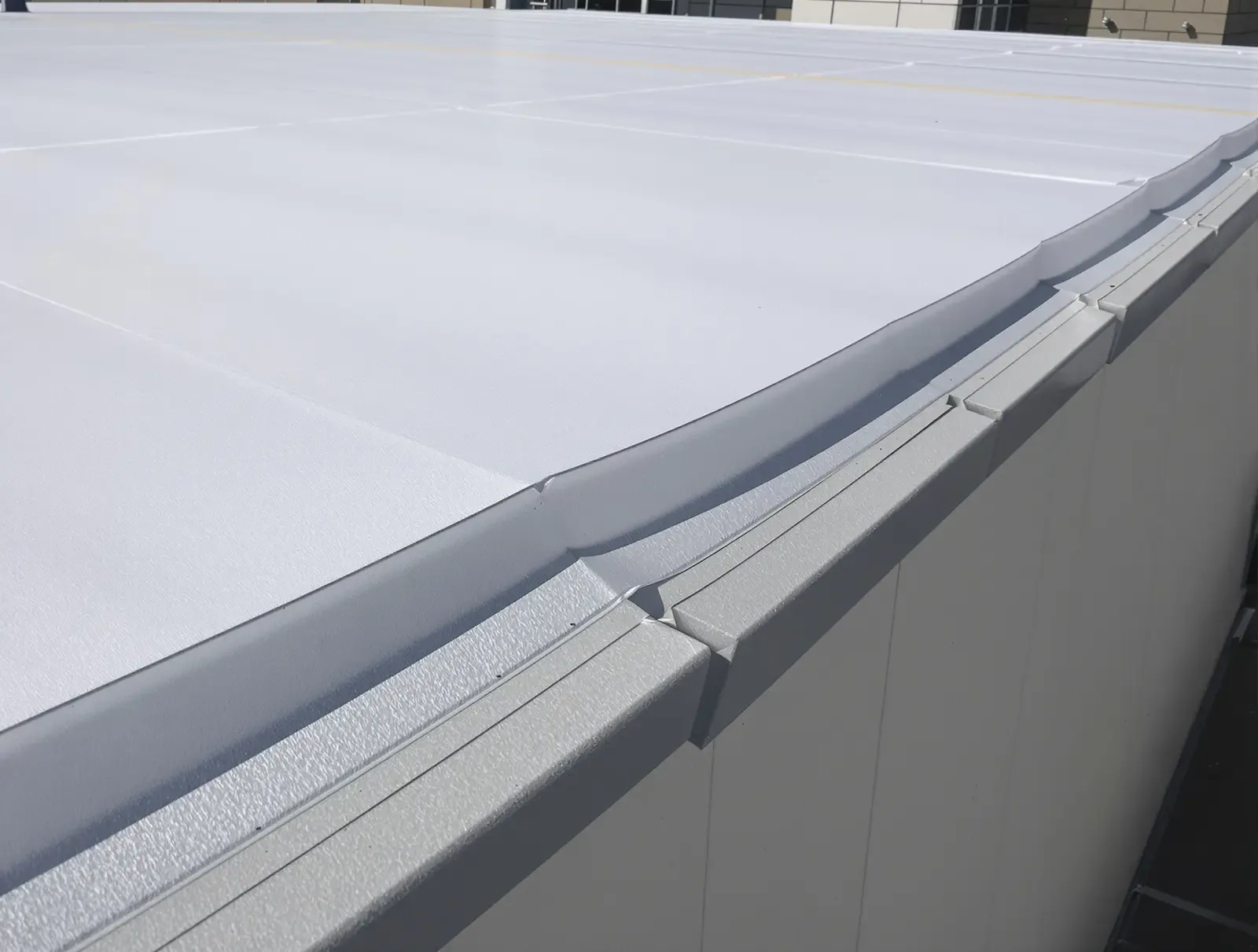
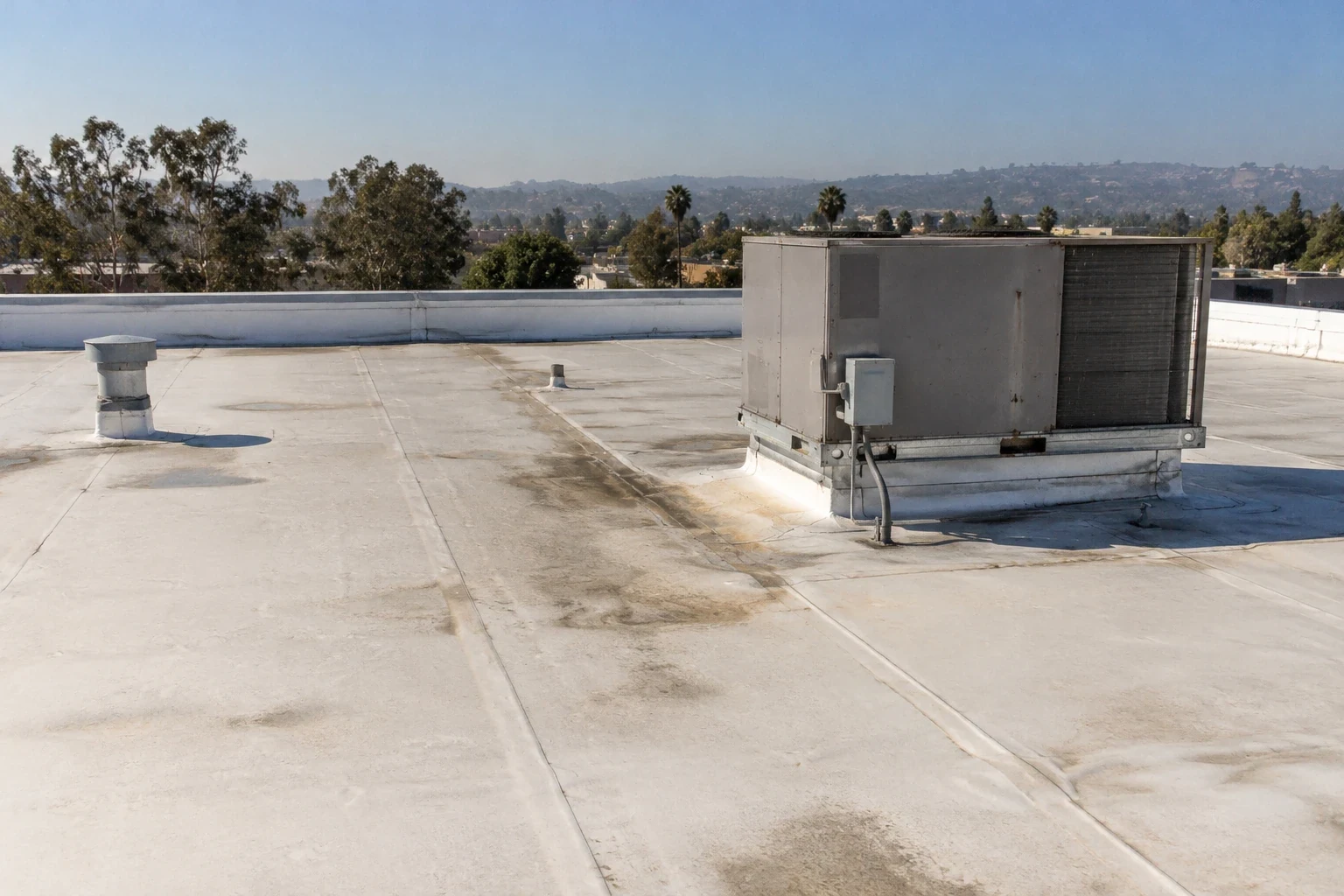
On a warehouse roof, an old repair at the cap sheet edge has opened up next to a rooftop unit. Before choosing GAF materials to fix it, we need to know what the existing roof is made of. GAF commercial roofing in Berkeley, CA starts with identifying the layers and checking how they've held up. We compare the roof with any drawings or records and measure the details around the equipment. On warehouse roofs, we also plan around loading docks and rooftop units. The GAF name alone doesn't make every new product compatible with what's already there; the proposal names the exact system and any substrate repair.
GAF roof work across Berkeley and Emeryville should identify the specific roofing family before selecting a compatible repair or replacement detail. We work out timing with the building operator before we plan the prep. A loose edge can let water into the insulation around it, so we check before deciding what stays. Construction drawings, when available, help us understand the layers. GAF's current requirements set the installation details. The recommendation is tied to your building and the specific problem we found.
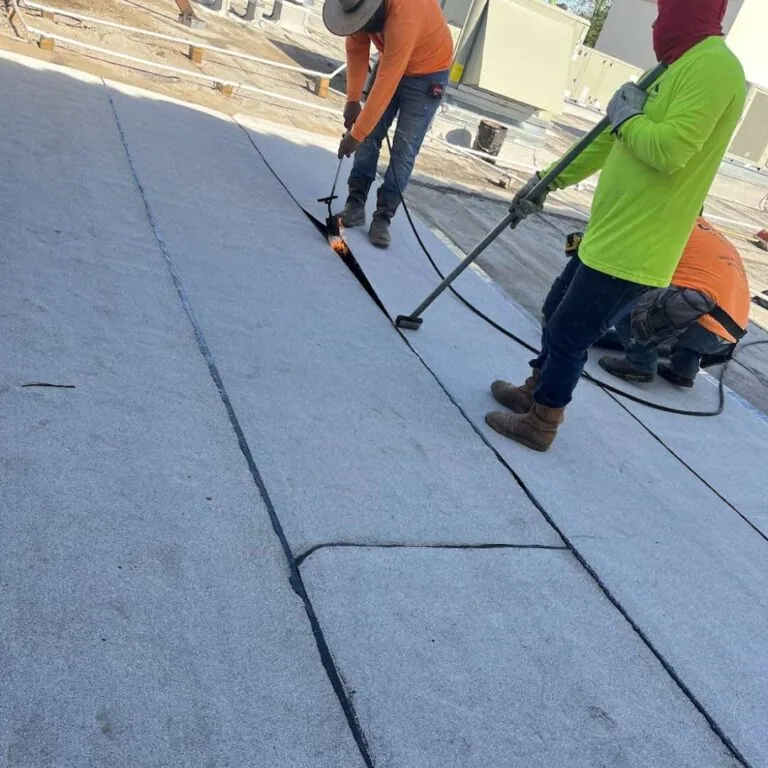
GAF's commercial line includes TPO, PVC and modified bitumen systems. Those are very different roofs: single-ply membranes are welded at the seams, while modified bitumen goes down in layers that are torched, mopped or self-adhered. Repair parts don't cross over between them. We identify the existing system before choosing accessories. Two roofs that look similar from the top can have old patches that won't bond with new material. The proposal names the full assembly, so there's no guessing when materials are ordered.
If you're comparing GAF with Johns Manville, each option needs its own exact products. We price both on the same roof area, with the same substrate repairs included in each. The same square footage doesn't mean the same accessories or seaming. Products are confirmed before ordering. A lower membrane price can leave substrate or flashing work out of the bid. Having material in stock doesn't prove the existing roof can stay underneath it. A fair comparison shows what each option would actually deliver.
Water that gets in at an open lap or edge soaks the insulation around it. We mark suspect areas separately from confirmed wet ones. Confirmed wet insulation is removed and replaced, and that's in the estimate. A new layer on top won't dry wet board underneath. Moisture and attachment are separate questions: insulation can be dry but loose, or fastened well but wet. Old records may not show later re-cover layers or repairs. The proposal says exactly what stays after testing and what's being replaced.
A commercial roof inspection before a GAF project checks the edges and equipment details against whatever records exist. Confirmed repairs are kept separate from areas that still need testing. If more damage shows up once the roof is open, it's measured and approved before we continue, and the opening stays sealed. One visible split doesn't tell you how much insulation is wet across the roof. A ceiling stain inside doesn't map the leak path either. The recommendation is built on what testing confirms.
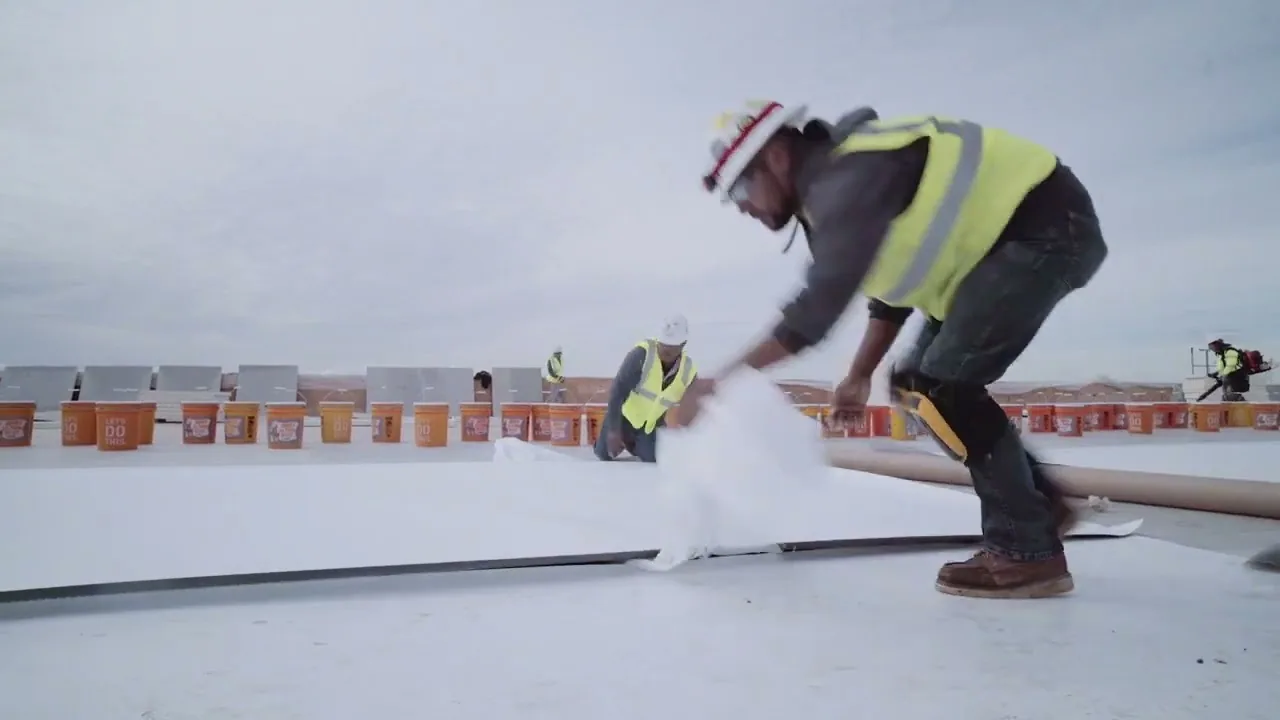
With a TPO or PVC option, seams and flashings are heat-welded and need compatible accessories. With modified bitumen, the base and cap sheets, laps and flashings each have their own installation steps. We work out both options fully before pricing. The GAF product list for the chosen system stays with the proposal. Testing a new seam confirms the new work, not the condition of untested areas. The scope lists each step needed to make the roof watertight.
On a modified bitumen roof, the base sheet, cap sheet and flashing plies all have to be planned together. We check how the existing layers meet curbs and walls. Flashings and substrate repairs are part of the job, not just cap sheet square footage. A delivery of cap sheet doesn't mean everything else is ready. Products are confirmed before ordering. If the mechanical contractor has to work on a unit first, that's scheduled before we finish that curb.
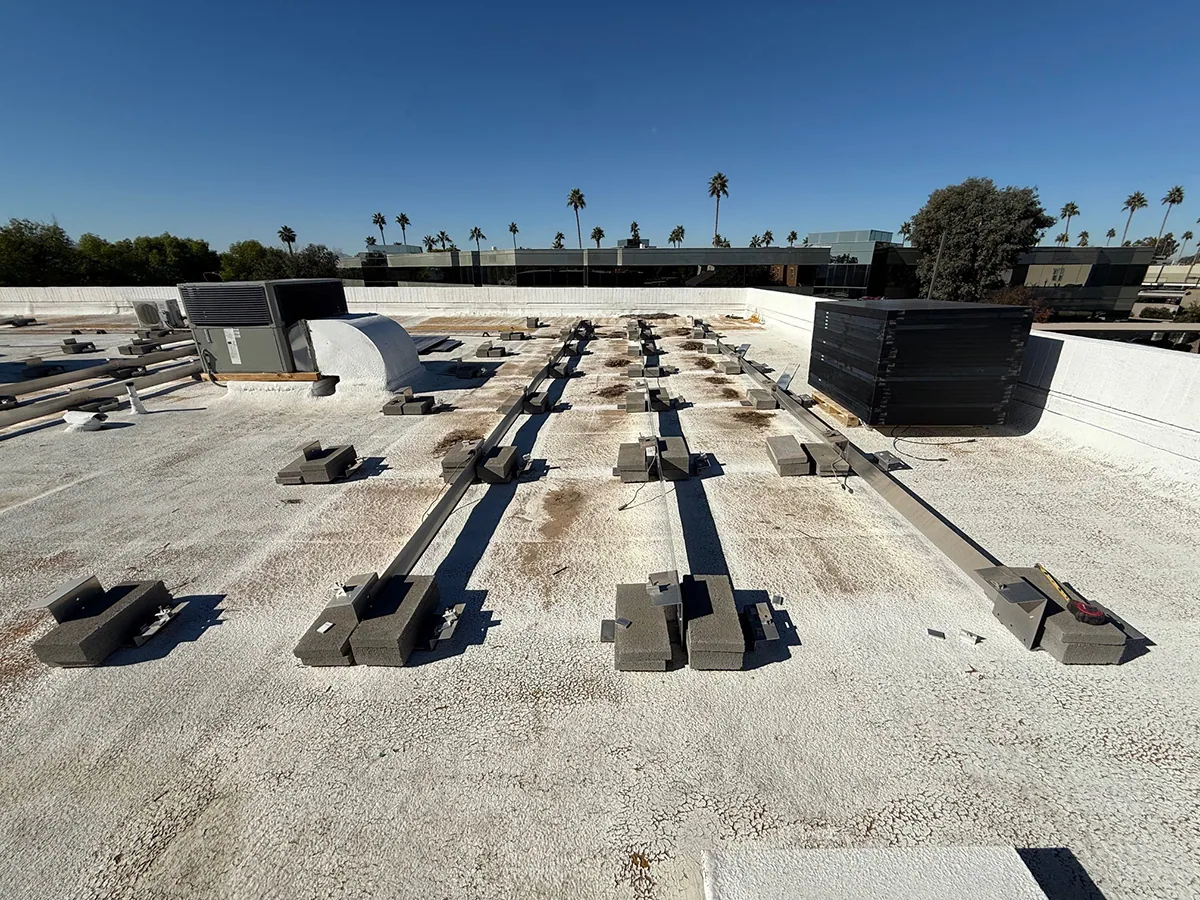
Thicker insulation raises the roof surface, which shortens the clearance at existing rooftop units. We measure the unit curbs against the planned GAF assembly. If curbs need to be raised, that's in the scope before flashing parts are counted. Comparing GAF with Soprema for modified bitumen means reviewing each manufacturer's components separately; they aren't interchangeable. Both options should include the same substrate repairs and the same protection for occupied areas. The proposal explains exactly what the open edge needs and what the rebuild includes.
Delivery access and building hours affect how the job runs. We confirm crane locations, material routes and which rooms are under each day's work. Protection and material handling are priced in. If the job is split into phases, each area is sealed between them, and that adds setup time. A square-footage price doesn't explain those costs. Being ready means substrate repairs, flashing parts and membrane all on site. A delivered roll of cap sheet can't replace equipment work that hasn't been done.
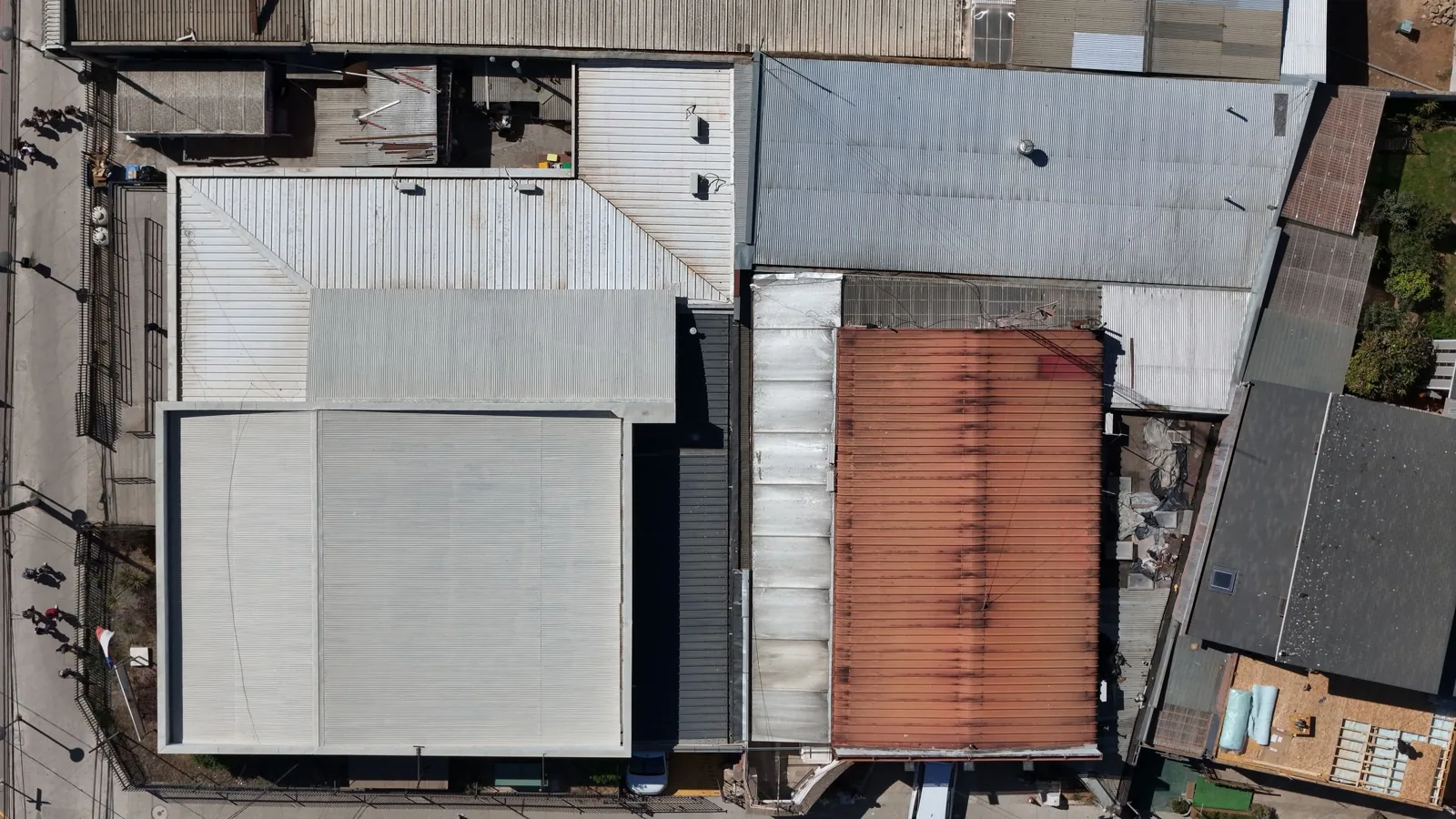
On West Berkeley and Oakland GAF roofs, the completion record is clearest when it identifies the installed system and the detail work finished. Lab and institutional buildings often have equipment and room restrictions we plan around. For buildings in West Berkeley, each roof gets its own inspection. Open items stay listed with the trade responsible. A finished field doesn't mean every curb and wall flashing is done. The installed system is recorded with its locations.
The closeout record names the GAF system and its layers, with photos of substrate repairs and finished details rather than material on pallets. Any agreed tests are included. Areas we didn't open are marked as not inspected. If a GAF warranty was offered, check its terms against what was installed. The manufacturer's name doesn't mean any contractor is certified or that coverage applies. Before future changes, check this record so new work matches.
Send any roof records and where the problem is. We'll inspect the roof and explain your GAF options and any substrate repair with photos.
Request a Roof Assessment