Berkeley investor roof assessments clarify retention assumptions and complete repair options. Keep backing, details and access with the planned construction.
Industries We Serve | Berkeley, CA
A proposed office purchase with an unresolved curb leak needs a roof construction question answered. The asset manager needs to know what the allowance assumes remains useful. Roofing for real estate investors and REITs in Berkeley, CA, starts with those physical findings. We examine accessible material before describing retained layers or replacement scope. A repair history can help locate earlier work without establishing present suitability. Concealed backing may still need appropriate confirmation for the option proposed. We identify the uncertainty that can change the practical roof task. The owner receives an understandable basis for the next construction decision.
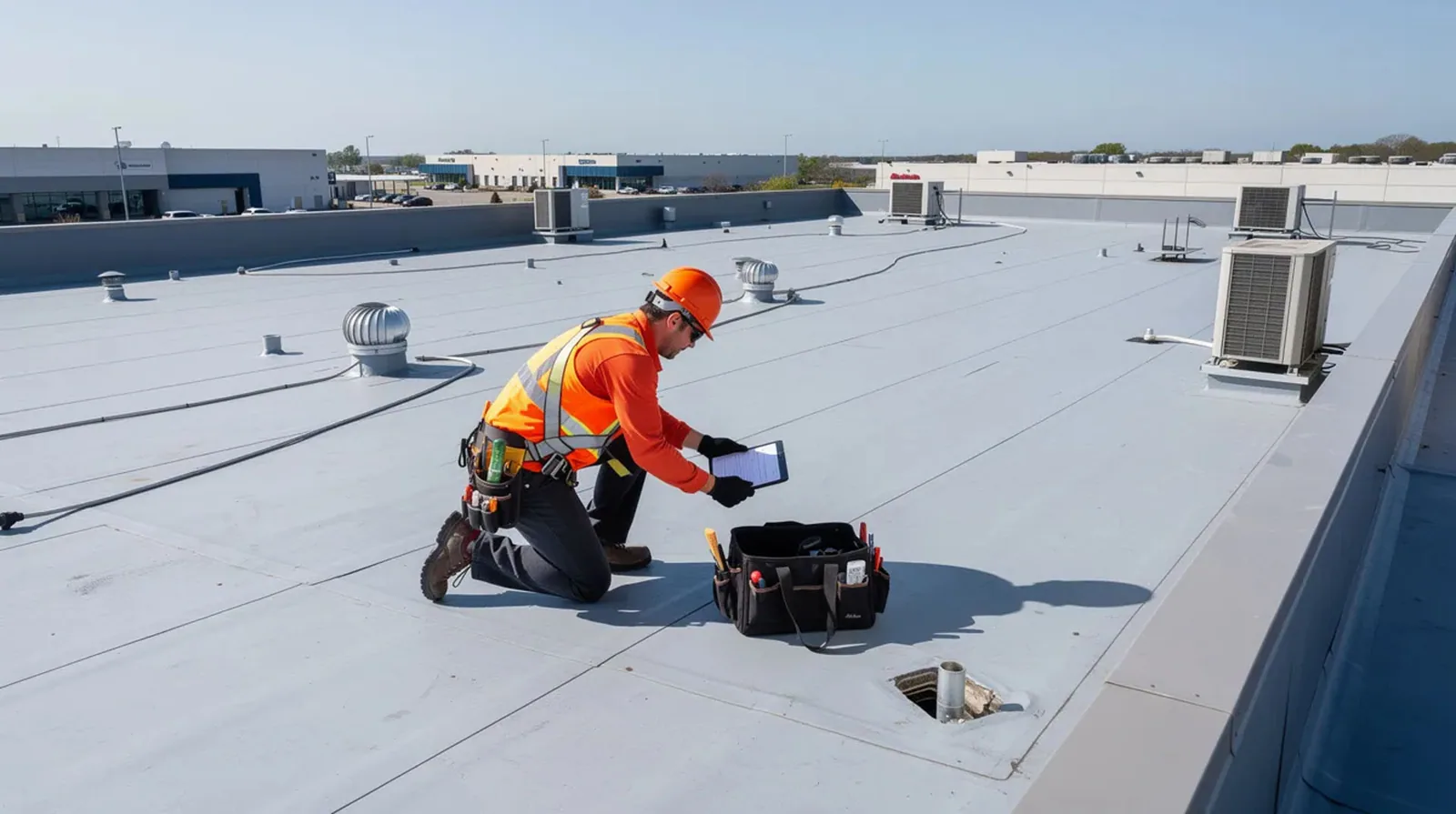
A roof due-diligence review can change the timing or scope of a property decision. We inspect the assembly, trace visible water entry and separate confirmed defects from questions that need additional testing. A downtown Berkeley commercial building, a West Berkeley research property and a warehouse near Oakland may have very different roof histories. The office roof assessment before a purchase should identify the material, drainage, penetrations and apparent repair boundaries without implying concealed conditions are known.
A priced option may assume backing will remain beneath a new covering. That assumption needs an assessed suitability basis for the actual assembly. We compare available records with accessible observations before defining retention. Unconfirmed concealed condition remains visible beside the proposed quantity. Further checking can be useful when its answer changes removal or preparation. The owner should know what decision the examination needs to support. A membrane area by itself cannot establish complete construction cost. Permanent details and required support belong in the physical scope considered.
Examining retained-layer assumptions before commitment starts with that specific question. We identify the accessible boundary and the condition still unresolved. A finding at one opened detail applies to the construction actually examined. Extending removal beyond it requires a supported assessment. The owner can preserve a measured allowance pending relevant confirmation. It should state how additional findings would receive authorization. The survey recommendation then has a clear construction purpose. It should not turn an unavailable roof area into a settled condition by implication.
A targeted repair should explain the defect and completed connection it addresses. A broader replacement should identify additional removal and rebuilding included. We compare those options against the accessible findings for the assigned roof. Retained material and unanswered supporting questions remain stated under each choice. A wider scope can involve sound areas without explaining why removal is useful. A lower starting allowance can leave a difficult equipment interface unfinished. The owner needs those consequences alongside the upper material quantity. The practical comparison should show the construction each option actually delivers.
Planning investment in the assessed roof construction requires clear permanent endpoints. We identify walls, drains and curbs affected by the selected section. Added supporting thickness can change their geometry and accessory requirements. Existing detail records need checking before procurement depends on them. Another trade's unit work may control a connection's readiness. The owner should retain that responsibility beside the roofing task. Comparable field dimensions do not establish equivalent completed details. The selected allowance should follow the complete construction required at the roof.
An earlier repair record can identify materials and locations worth examining. We compare its description with the detail now present. Later service work can change a previously completed connection. An old completion date cannot establish current roof performance automatically. The account may also leave supporting removal or retained boundaries unclear. Those gaps should remain questions rather than become assumed satisfactory findings. The asset manager needs the relevant present observations beside the historical record. The recommendation follows their actual relationship at the assigned construction.
A current condition account for the investment decision locates observed defects. We retain photographs and examination limits beside the proposed correction. Interior staining can supply context without proving every entry route. Independent wall or equipment concerns need their responsible specialist review. The owner should know which part of the weather task is established. Unconfirmed concealed extensions need appropriate further assessment where they affect the option. That keeps the account useful for construction authorization. It cannot establish every future condition or predict the cause of later symptoms.
After acquisition, multiple buildings need records that distinguish each assembly and its current deficiencies. We map repair areas and roof-side interfaces, note maintenance that can reduce avoidable deterioration, and identify conditions requiring a capital decision. West Berkeley’s converted industrial stock and Emeryville’s research buildings can make that inventory especially varied. A West Berkeley property review stays tied to the asset actually examined; no nearby building’s condition should be carried into the next investment file.
Coordination with the assigned property-management contact follows the building's actual restrictions. We discuss material routes and activities affected beneath the work. Required supporting removal needs suitable protection while revisions receive review. Another trade remains responsible for its independent component task. Ready roof work elsewhere can stay separately defined. The owner should see what the authorized construction can finish now. Its remaining interface keeps an explicit responsibility and next step. That gives the asset manager a practical sequence beside the selected option.
The final roof record should identify the work actually completed. We locate installed materials, supporting correction and permanent connections with photographs. Outstanding concerns remain outside the finished boundary clearly. Specific agreement terms need their own applicable document review. A product name cannot establish accepted coverage or alteration permissions. The owner should retain the actual response where a document question required it. The physical completion account remains distinct from that determination. Later building decisions can then start from a readable construction record.
Related contractor work around the selected roof option needs those limits understood. We identify the task and interface requiring participation from another party. Later equipment changes should return to their actual receiving geometry. A new symptom needs examination against the roof then present. The earlier record helps locate the correction delivered before. It does not accept an unexamined adjoining area automatically. The asset manager receives a clear account of the findings and finished work. Future roof questions stay tied to construction rather than an unexplained historical allowance.
Share the assigned building and available option records. We will explain the findings and remaining condition questions that can change the roof construction.
Request a Roof Assessment