Local weather advisory
The National Weather Service has issued a coastal flood advisory covering Berkeley. Heavy rain and drainage loading can expose roof leaks, blocked drains, and ponding water. This is a weather exposure advisory; it does not establish damage to a specific roof.
Do not access a roof during hazardous weather. Protect people first, avoid water near electrical equipment, and request roofing help when conditions permit.
National Weather Service · Updated Oct 28, 2026, 7:20 AM UTC
Commercial roof repair and replacement in Alameda from our Berkeley crew. We check curb heights, wet insulation and drains before recommending a recover or tear-off.
Service Areas | Berkeley, CA
When an owner asks about putting a new roof over the old one, the first place we look is the curbs. Adding insulation and membrane raises the roof surface, and if the curb flashing is already short, the new roof can leave it too low to keep water out. We repair and replace commercial roofs in Alameda from our base in Berkeley, CA, and that curb measurement often decides whether a recover makes sense or the old roof should come off.
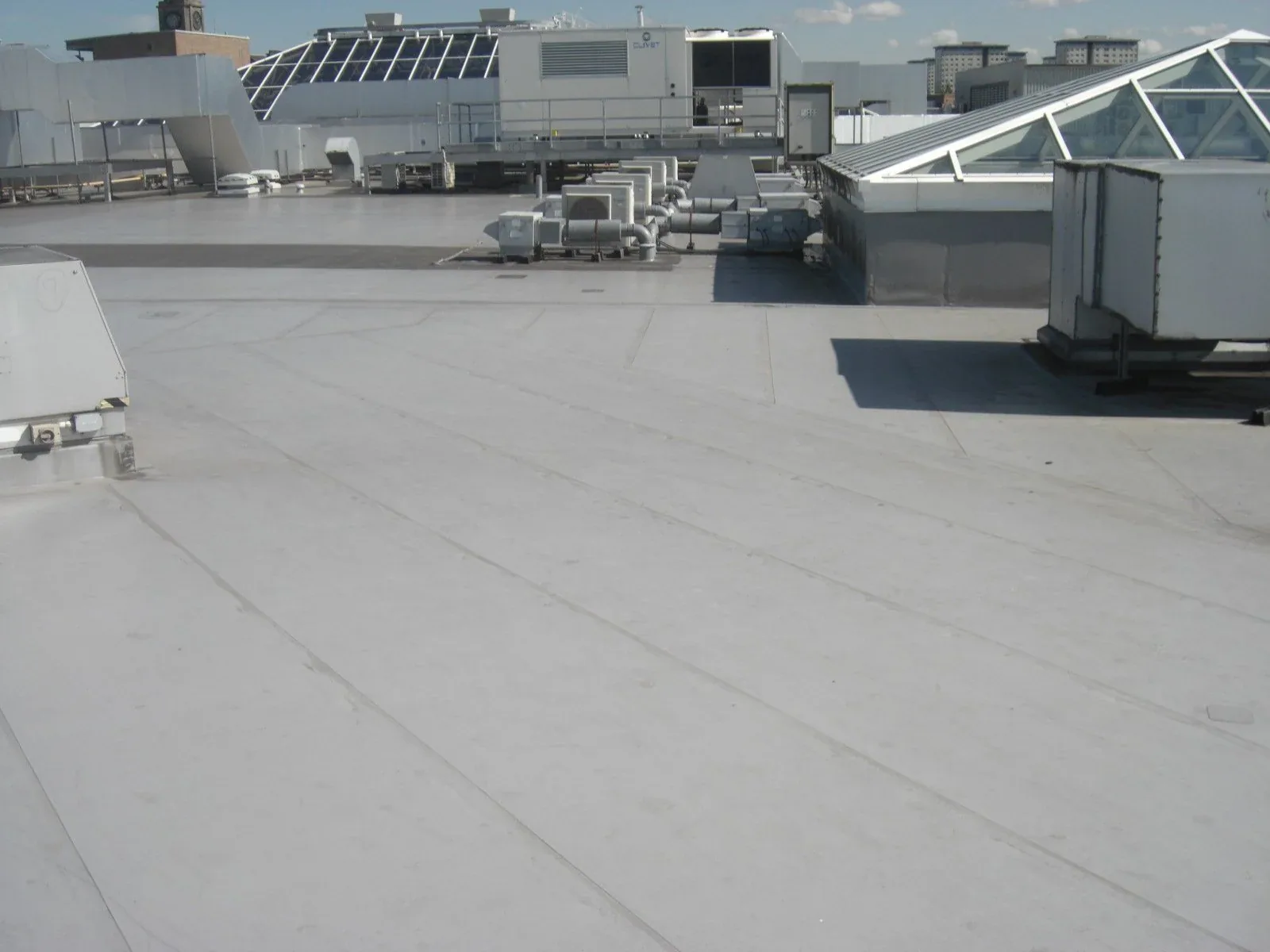
Alameda has everything from public buildings, like the Main Library on Oak Street and the Bay Farm Island Library on Mecartney Road, to warehouses and retail along the island’s main corridors. Every roof gets its own assessment, because the layers and rooftop equipment differ from one building to the next. Our roof recover and overlay estimates include the curbs, drains and edges, not just the new membrane. Keeping the old roof in place takes more than picking a new surface.
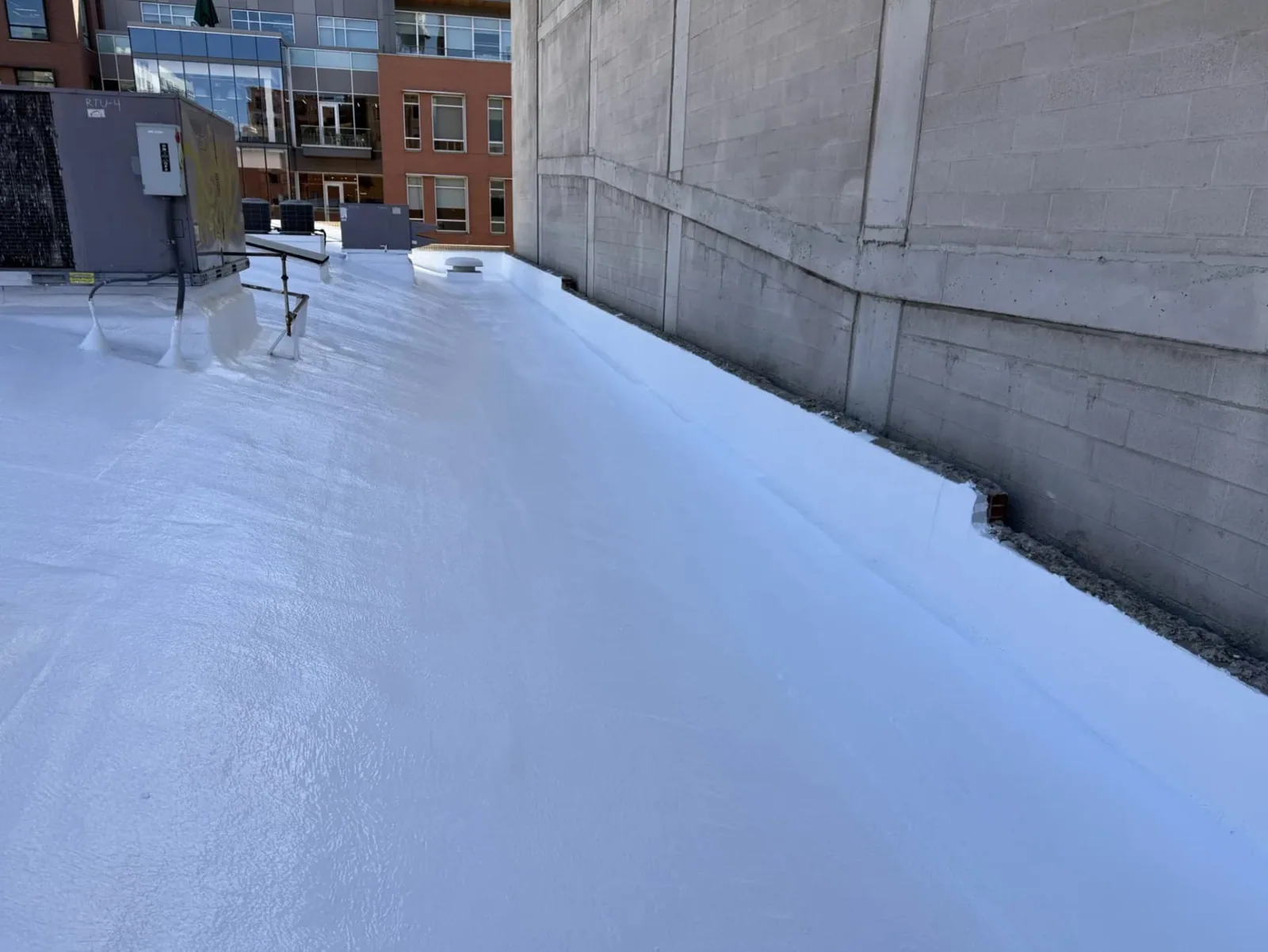
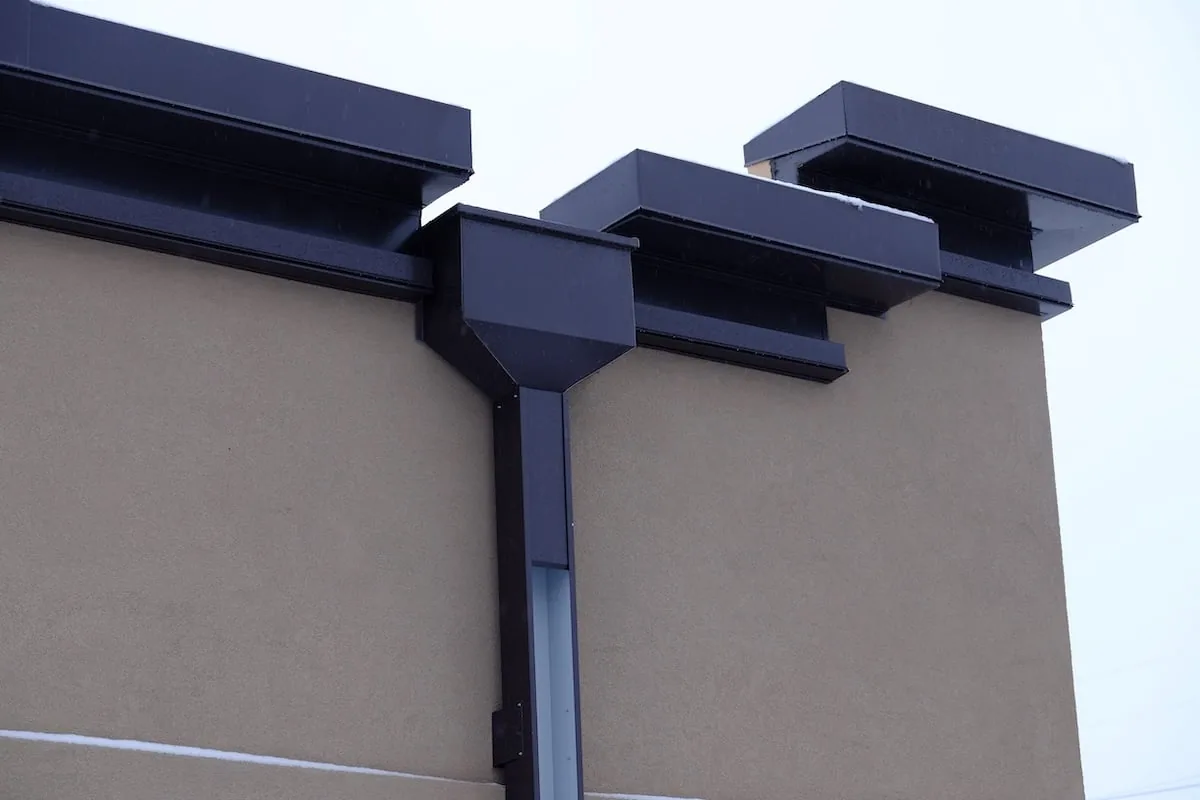
Most manufacturers require the flashing to rise a minimum height above the finished roof. New insulation, cover board and membrane can eat up several inches of that. We measure every curb before recommending a recover. A short curb can usually be raised, but if there is a rooftop unit on it, the unit has to be lifted, and that is work for your mechanical contractor. We find out who services the equipment before we promise a roofing-only fix.
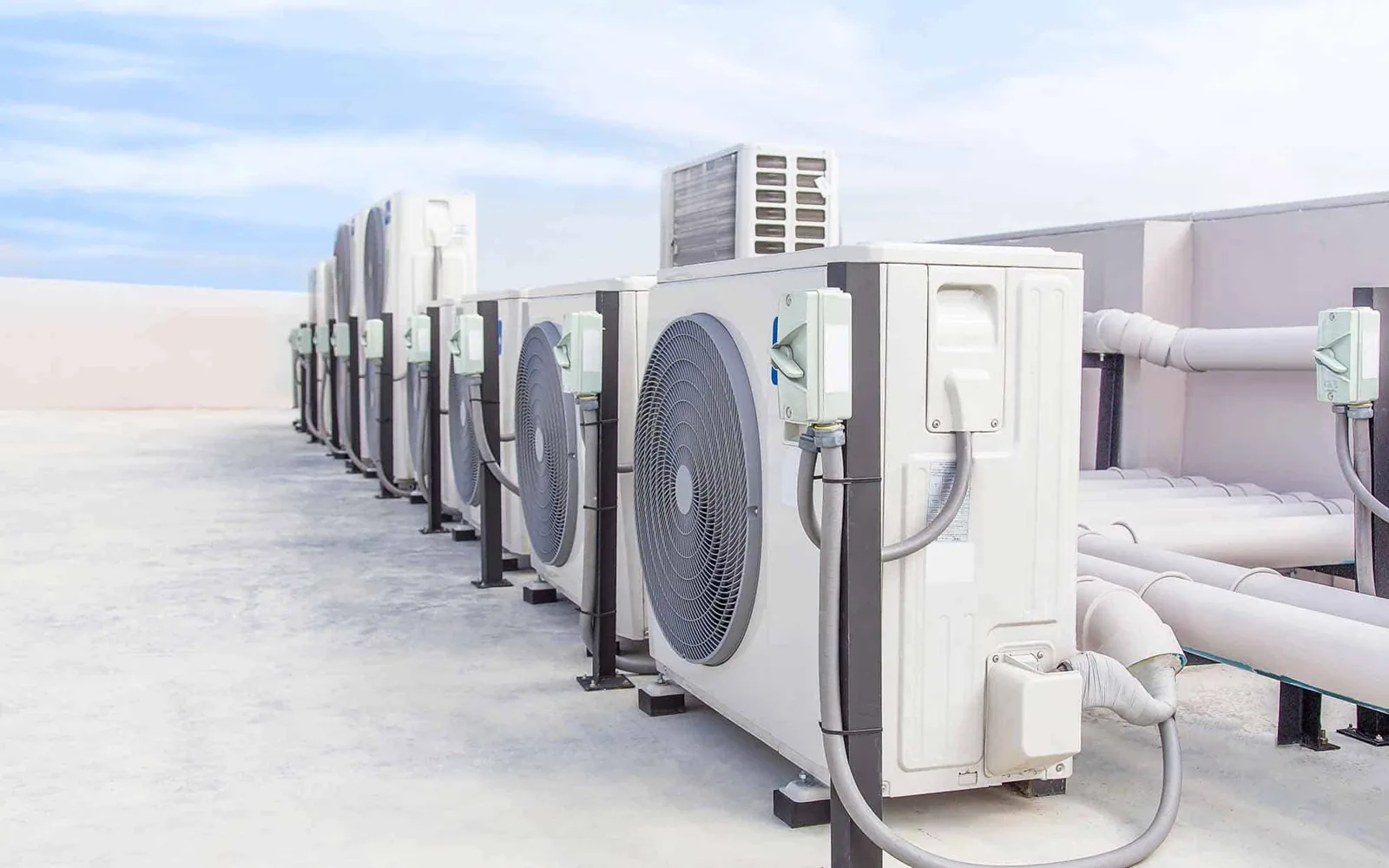
Our rooftop curb and equipment support work keeps the roofing side separate from the equipment side, so you know which contractor does what. A tight corner or a unit that cannot be moved may change the order of work. We explain those issues along with the curb measurements, so you can see why a recover estimate might include curb work and how that affects the overall price.
A dry-looking sheet can cover damp or unstable material beneath it. We inspect accessible findings before proposing that those layers remain. Authorized openings can establish their condition at selected locations. Suitable surveys may help choose areas needing closer confirmation. Each opening gets photographed and restored after the layers are examined. The investigation identifies what can support the proposed new assembly.
Our infrared work for targeted roof-layer checks requires suitable conditions and confirmation of suspicious areas. Thermal patterns alone do not prove a completely dry roof. Wet insulation or weak layers need correction within defined limits. We also establish whether project requirements permit the proposed retention. Added loads and attachment must be evaluated for the particular building. The written recommendation identifies unresolved conditions before the owner chooses recovery. A new roof should not hide defects that still need attention.
A raised surface can change the last section leading into a drain. We check the drain height and the slope around it before choosing layers. An isolated buildup may leave a new low pocket beside a curb. Existing raised patches can complicate that drainage path further. The proposed correction needs to account for neighboring transitions. We explain that layout as part of the roof option being compared.
Our work at drains and scupper connections coordinates the outlet detail with the finished roof surface. A damaged outlet can require repair before new membrane is joined. Broader slope alterations may need design beyond a simple patch. We identify that responsibility in the scope where it applies. A removal option may provide different opportunities from a retained-layer option. The owner gets those differences tied to the roof you actually have. Surface appearance alone cannot settle which approach will drain properly.
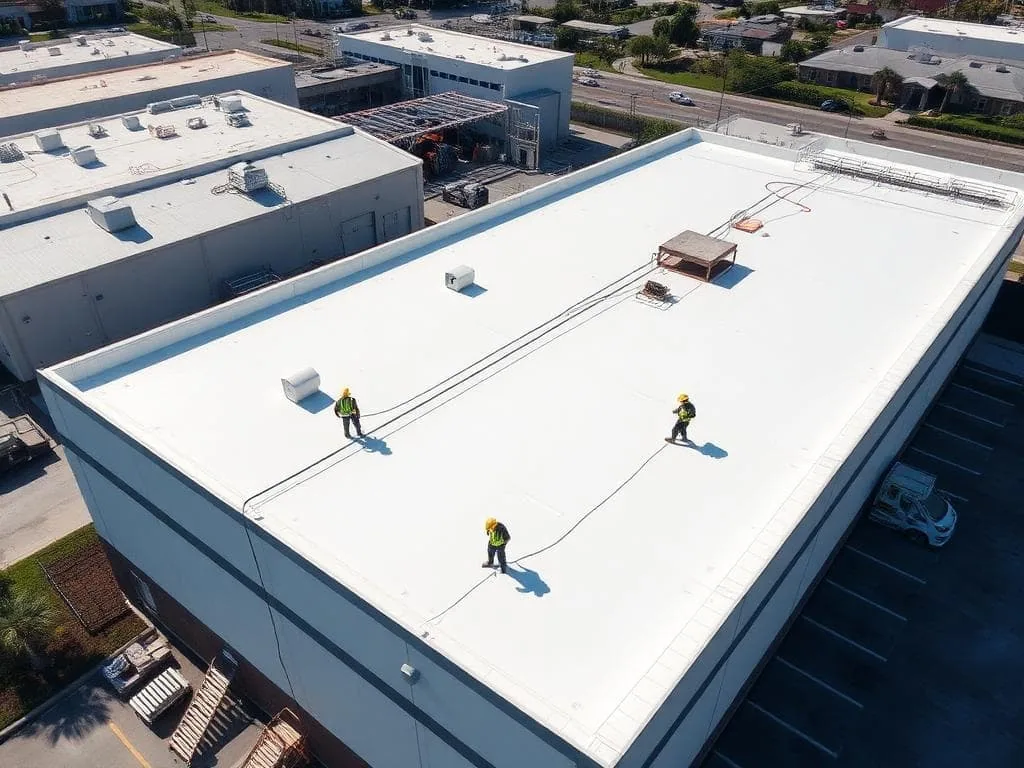
A recovery plan can still require opening layers at defects and transitions. We identify the rooms beneath those proposed openings during the walk. The manager confirms access, protection and any needed work-period changes. Deliveries and debris movement need an agreed route through the site. A full removal option may require a different daily closure plan. We compare those practical requirements alongside the technical roofing options.
A building near Oak Street may have a very different path for deliveries and debris than one near Mecartney Road, so we walk each site before ordering materials. Our reroofing over occupied buildings work plans staging, protection and work hours for that specific building. If you also own property in Alameda Point or downtown Oakland, we can line up the inspections on the same day, but each roof still gets its own access plan. That way the schedule we give you reflects how the crew can really get on and off each roof.
A sound retained assembly with workable transitions may support a recovery proposal. Extensive damp layers or unsuitable attachment can favor removal instead. Curb rebuilding and drainage correction can change the cost comparison substantially. We identify those tasks under each option before the owner chooses. A lower initial price may leave a different amount of work included. The recommendation describes what each option addresses on the actual roof.
The completed record should identify retained layers and the new curb and drain details. We photograph curb heights and outlet connections before closing the job. Wider location images help a later inspection return to those transitions. A maintenance visit can then check changed attachment or new water paths nearby. Another defect remains distinct from the completed recovery or replacement work. That separation helps the owner plan the next task. The report uses plain findings that remain useful after the construction date.
A concealed-condition allowance needs a specific trigger during local removals. We identify who receives discovery photos and who can authorize correction. The owner can review any changed support or moisture finding promptly. Added work should follow an observed condition at a defined location. The daily opening remains sized to the secure closure planned. That keeps the chosen roofing option connected to a controlled work sequence.
Because Alameda is an island, getting the crew and equipment there is part of the plan. We confirm which bridge or tube route works best, where the property allows staging, and whether a gate or loading dock needs advance notice. Salt air near the shoreline can speed up corrosion on metal edges and fasteners, so we check those closely, but we do not blame every leak on the marine climate. Most leaks still come from a specific seam, drain or flashing, and the estimate is based on what we find on your roof.
Have us measure the curbs and check the layers that would stay. You get clear photos and a plain comparison of a recover versus a tear-off.
Request a Roof Assessment