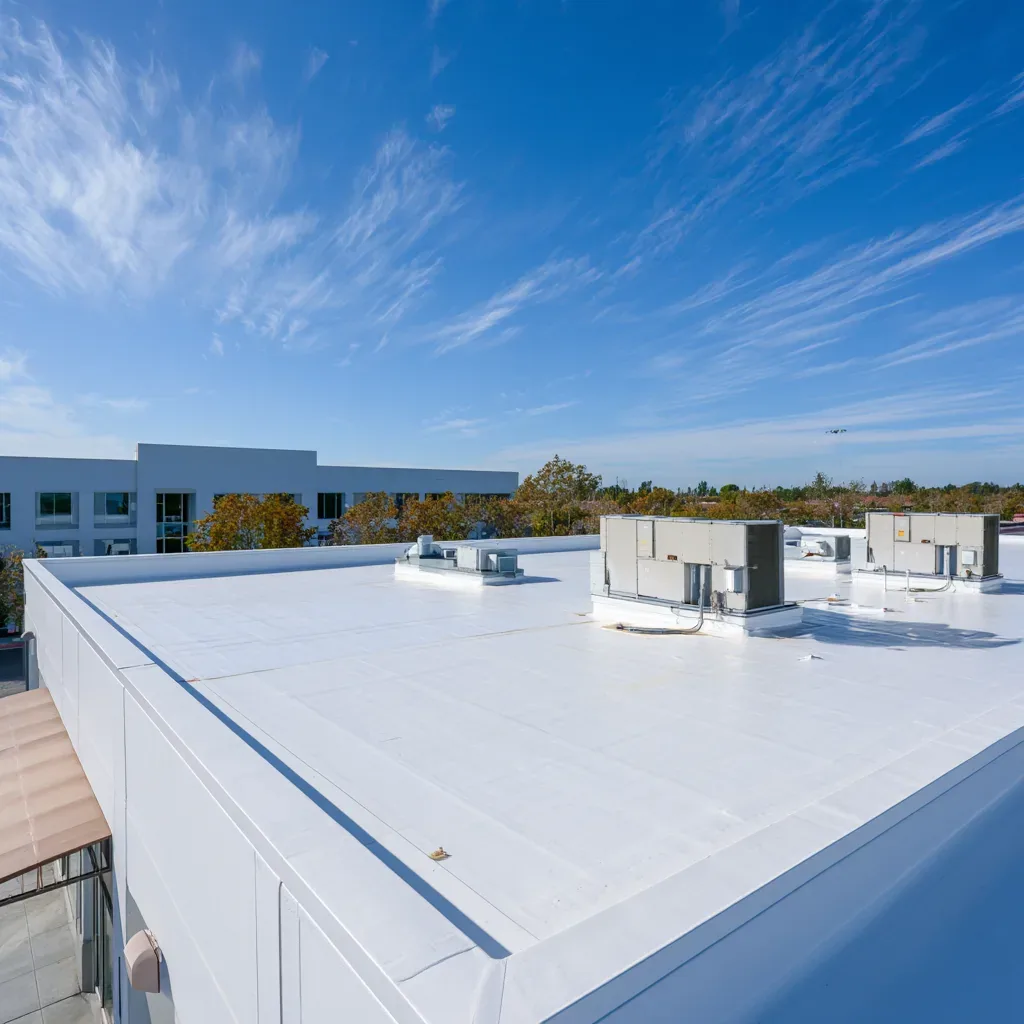
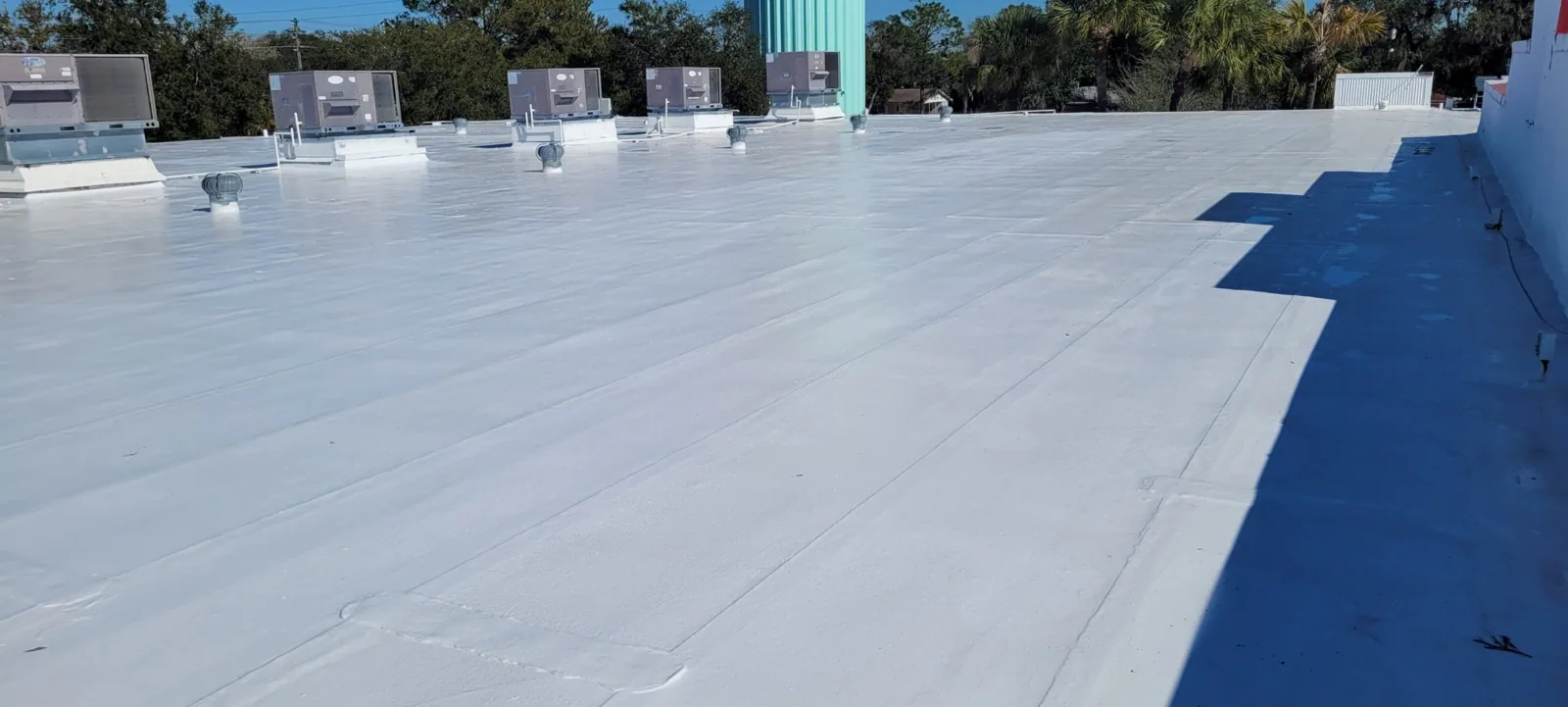
Roof coating and restoration in Berkeley, CA: we check adhesion and moisture, repair seams and flashing first, then apply a compatible silicone or acrylic coating.
Commercial Roofing Services | Berkeley, CA
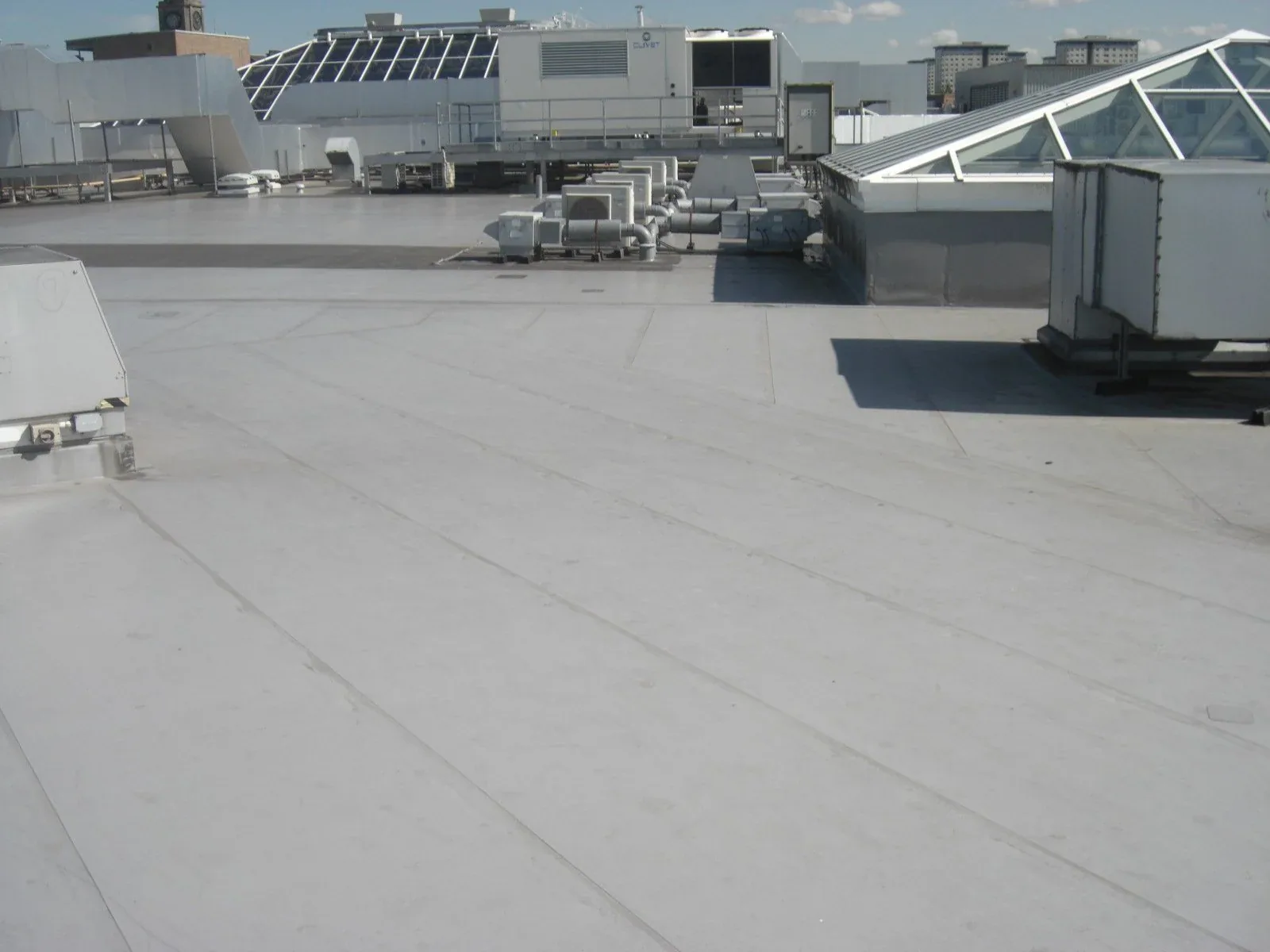
Peeling coating next to a rooftop curb on an office building is a warning sign. It means the old coating has lost its grip, and whatever is under it has been exposed to sun and water. Roof coating and restoration in Berkeley, CA, can add years to a roof that is still basically sound, but only if the coating goes onto a clean, dry, well-bonded surface with the seams and flashing already repaired. We start by finding out what the existing roof is, how well the old coating is holding and whether there is water underneath.
For office buildings, a coating project is often attractive because it is quieter, faster and less disruptive than a tear-off. We still plan around tenants, air intakes and rooftop units. A coating cannot glue down loose membrane or fix a failed curb. Our recommendation spells out the repairs needed before coating and the areas where a coating is not a good idea at all.
A downtown Berkeley roof can carry years of coating over membranes, patches and repaired penetrations. We identify which film remains bonded, where water may sit beneath it, and whether the substrate suits another application. A coating extends an assembly only when preparation, reinforcement and edge terminations match its condition. We keep repair areas separate from broad application so a roof manager can see what protects the field and what remains vulnerable.
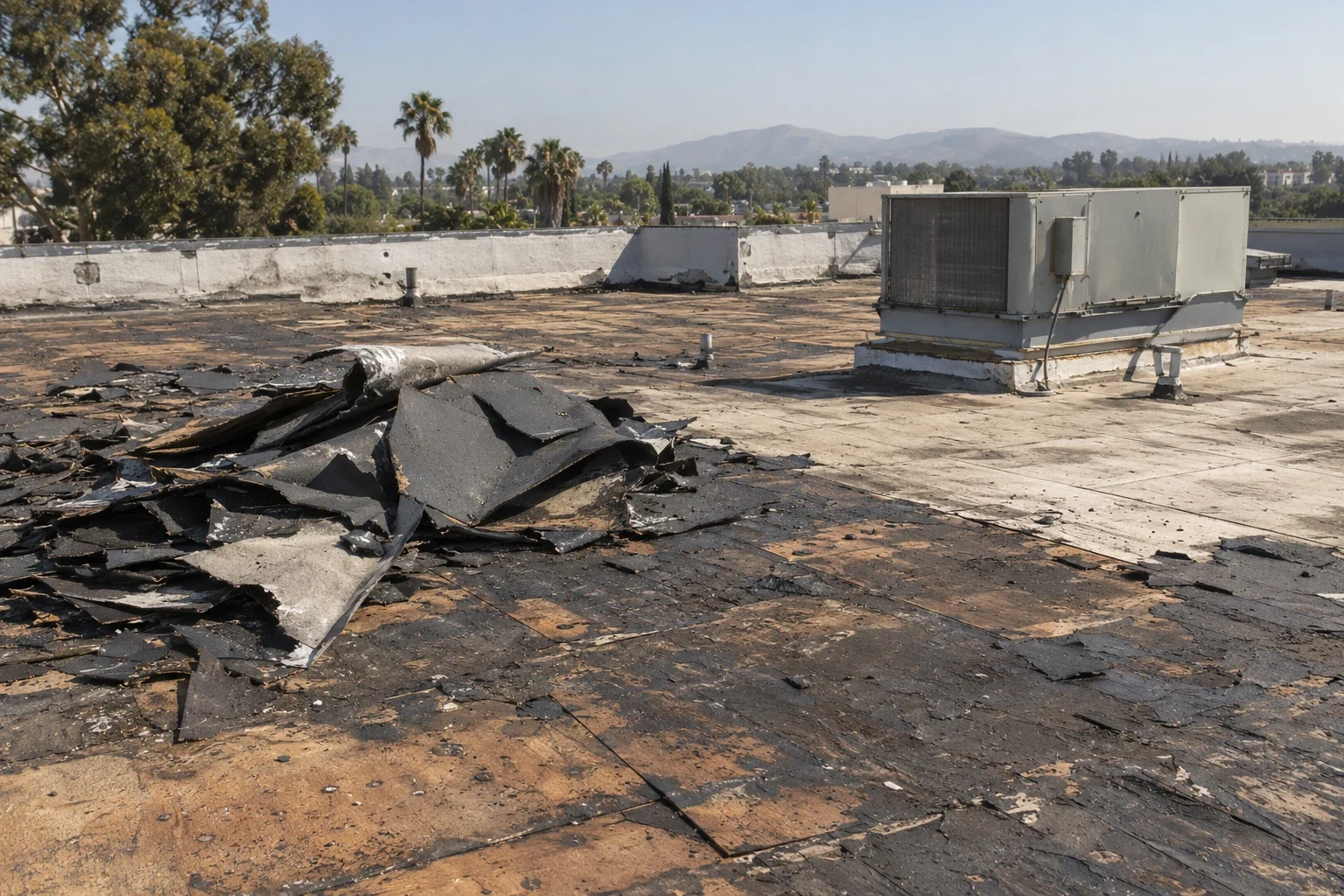
Many older roofs already have one or more coats on them. Before adding another, we test how well the existing coating is bonded. We do adhesion pull tests in several spots, look for peeling, blistering and chalking, and check for areas where the old coating has worn through to the roof underneath. Coating that is loose or flaking has to be scraped or power-washed off. Well-bonded coating can often stay, after cleaning and, where the product calls for it, priming.
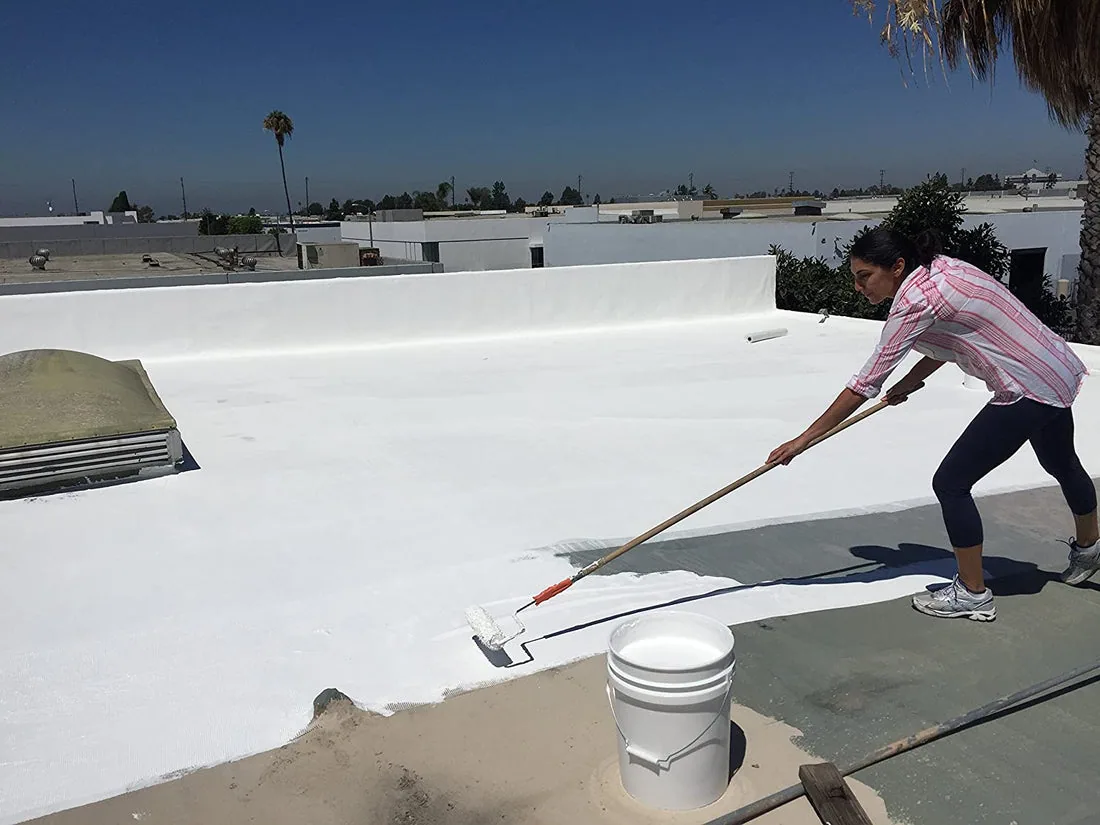
A silicone roof coating is a common choice for restoration because it holds up well to ponding water and UV. It also has trade-offs. New silicone usually only bonds well to clean silicone or to surfaces prepared to the manufacturer's requirements, and most other coatings will not stick to silicone later. We identify what is on your roof now, including past patches made with mismatched materials, and choose a product and primer that will actually bond. The product data and the manufacturer's prep requirements set the method, not a generic recipe.
A coating is not a seam repair. If a seam at a curb is open, water will keep getting in under the new coating, and the coating will blister and peel around that spot. Before any coating goes on, we repair every open seam, split flashing, loose edge and failed pitch pan we find, using materials that match the existing roof. Some systems also call for reinforcing fabric embedded in the coating at seams and corners.
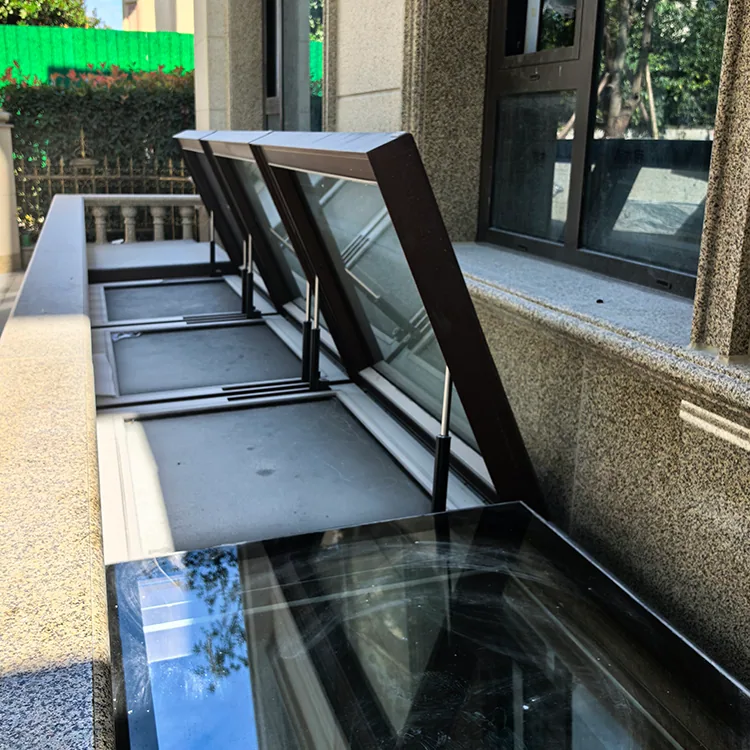
Penetrations get the most attention. Our skylight and penetration flashing repairs rebuild failed flashing at curbs, pipes and skylights before the coating goes on, so the coating protects a sound detail instead of hiding a leak. If a curb is too short or a unit has to be moved to fix the flashing properly, we coordinate with the mechanical contractor first. The coating is applied around those areas only after the detail is fixed. Repair items are listed separately from the coating in the proposal, so you can see how much of the cost is fixing the roof and how much is the coating itself.
Coating over wet insulation is one of the most common restoration mistakes. A coating seals the surface, which traps water inside the roof. The insulation stays wet, loses its insulating value, adds weight and keeps feeding moisture to the deck. Eventually the coating blisters over those areas and the problem shows up again, now hidden under a new layer.
Before recommending a coating, we check for trapped moisture. On many roofs that means an infrared moisture survey, confirmed with core cuts. Wet areas have to be cut out and replaced with dry insulation and new roofing before coating. If the wet areas are small, that is a normal part of the restoration. If they cover a large share of the roof, coating may not be the right choice, and we tell you so. Many coating manufacturers also limit how much wet area a roof can have and still qualify for their warranty, which is another reason the survey matters.
An acrylic roof coating is usually less expensive than silicone and works well on roofs that drain properly, but it does not hold up well under standing water. Silicone handles ponding better but is harder to recoat with other products later. Each has its own primer, thickness and cure-time requirements, and they are not interchangeable once one is on the roof.
Sometimes the honest comparison is between coating and roof replacement. If the roof has widespread wet insulation, a lot of loose membrane or many failed details, a coating may only buy a few years at a significant cost. We put the options side by side for the same roof area: the repairs needed before coating, the coating itself, the expected service life and the recoat schedule, compared with the cost and life of a new roof. That way you can judge long-term value, not just the lowest price this year.
West Berkeley’s research and production properties in Emeryville may keep equipment running while restoration proceeds. We map access, drainage and service clearances before coating around a curb or interrupting a route. Bay fog can leave exposed north-facing details damp, so application conditions and dry time matter alongside the calendar. We record repaired joints, coated fields and equipment connections that still need separate attention, with the downtown Berkeley roof area assessed building by building.
When the job is done, you get photos of the roof before prep, the repairs made, the prepared surface and the finished coating. The report lists the coating product, thickness applied, any primer used and where reinforcement was installed. Repaired seams and flashings are marked on a roof plan. Any manufacturer warranty comes with its own written terms, which depend on the product and on the condition of the roof underneath. We also note anything left outside the scope and give you the recommended maintenance and recoat schedule.
Send us any records on the current roof and where the coating is peeling. We will inspect it and explain plainly whether a coating makes sense.
Request a Roof Assessment