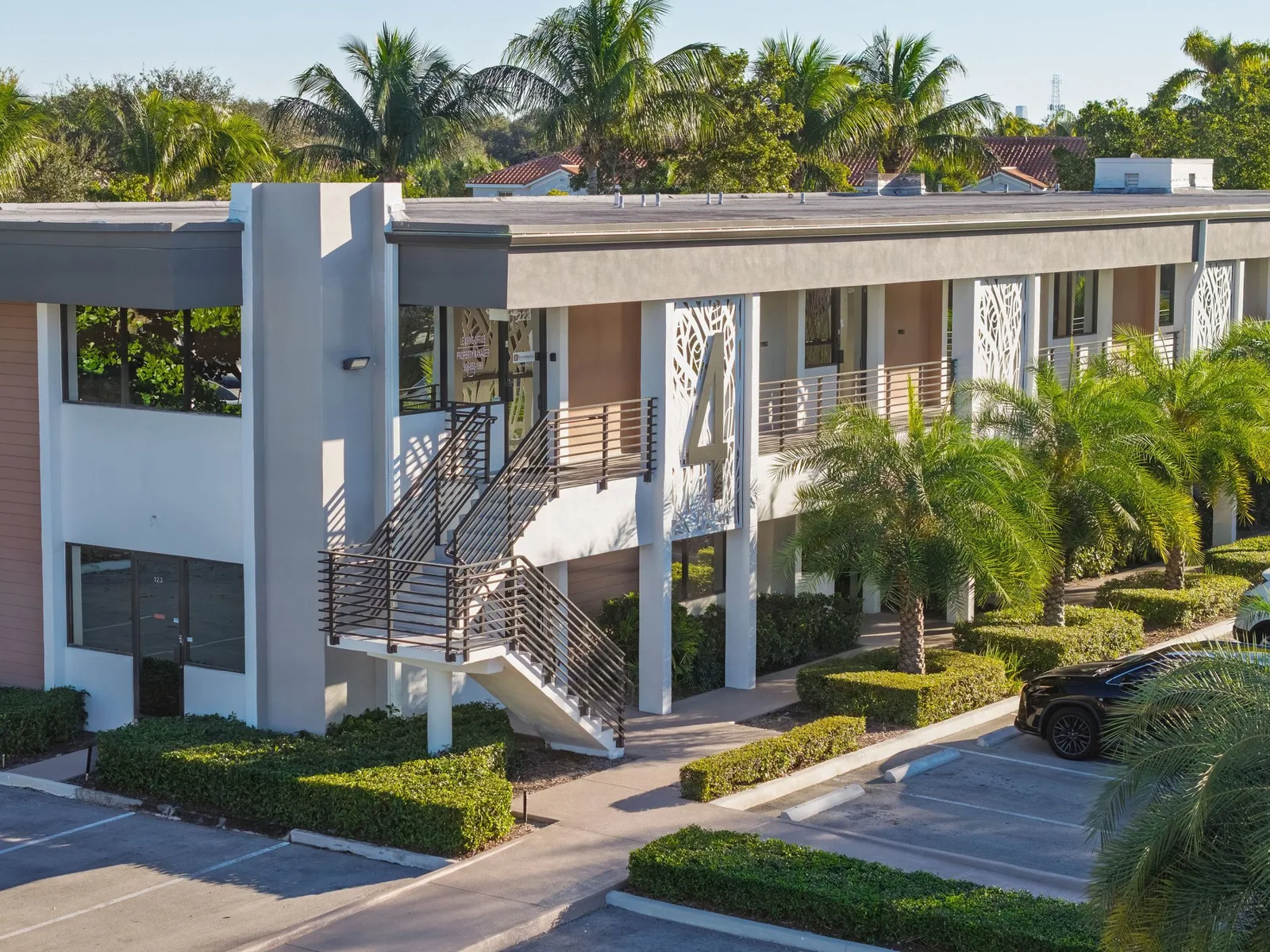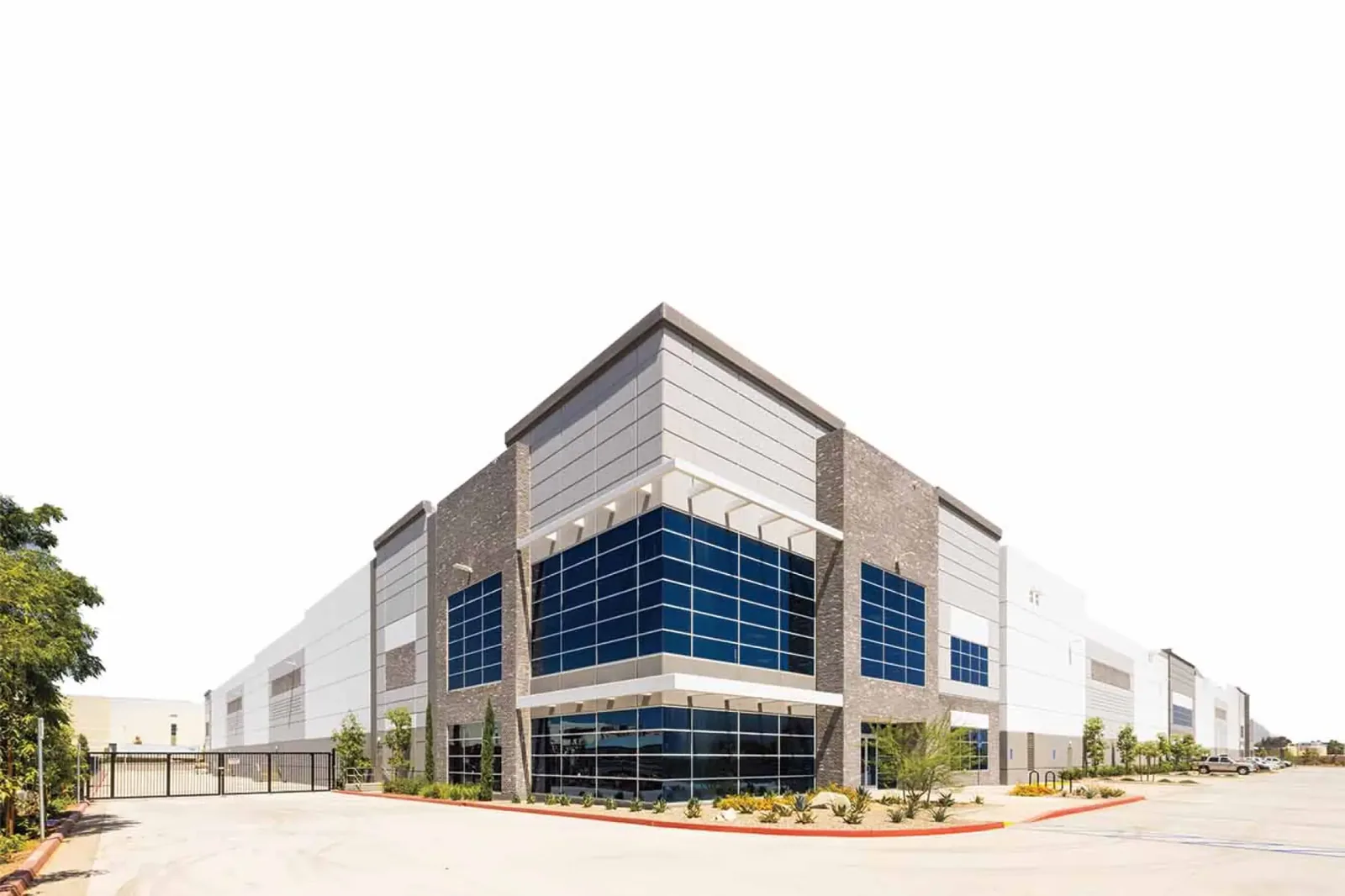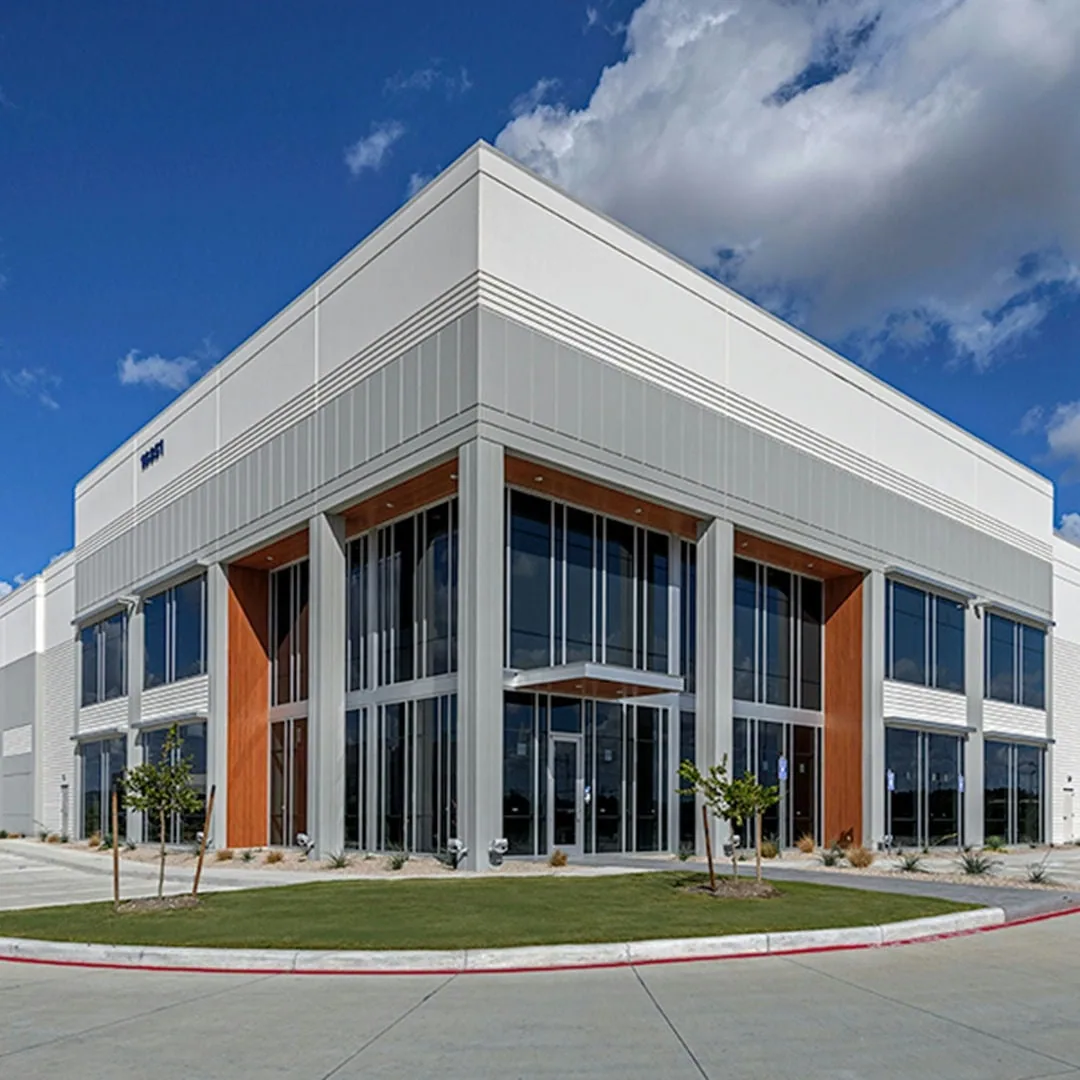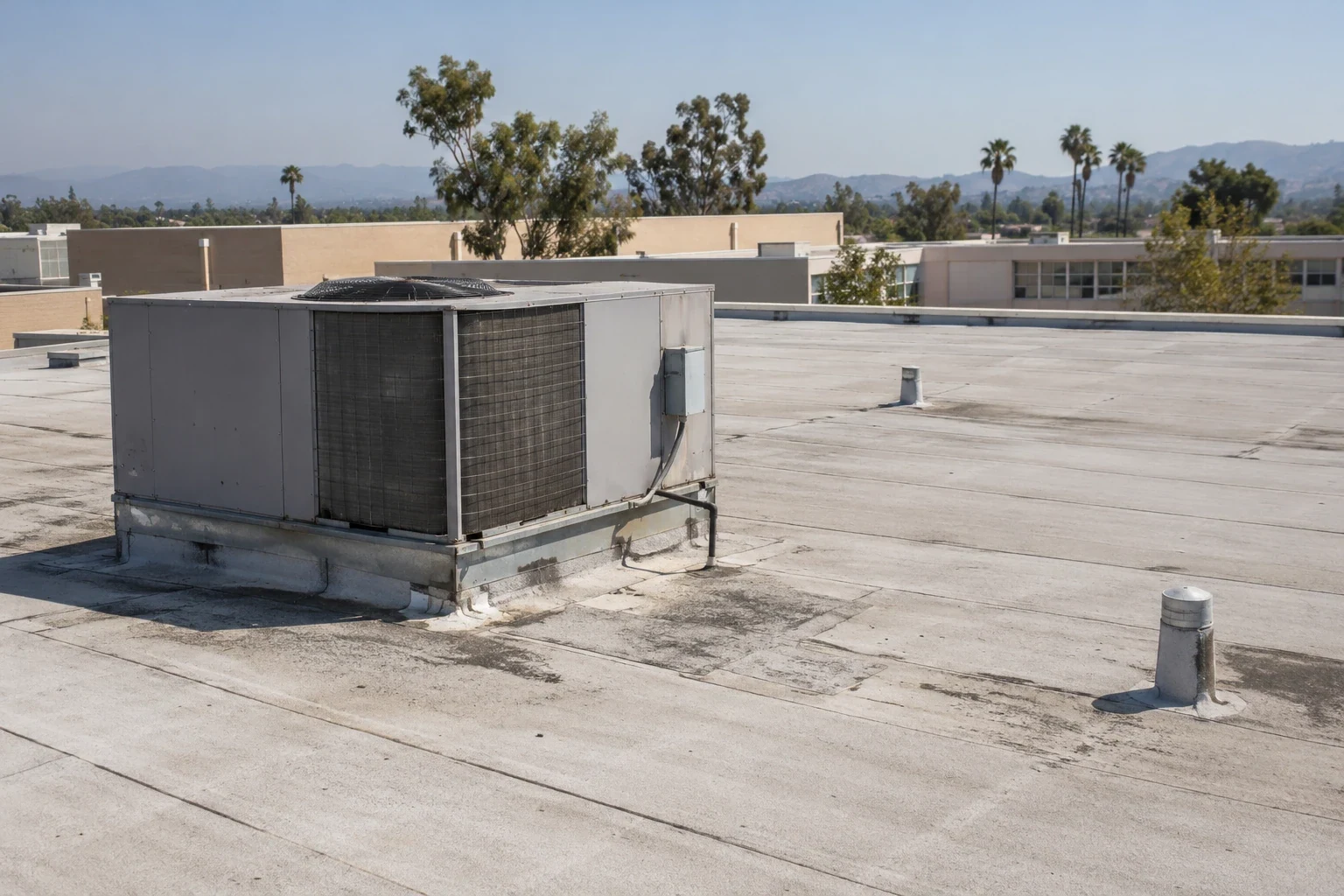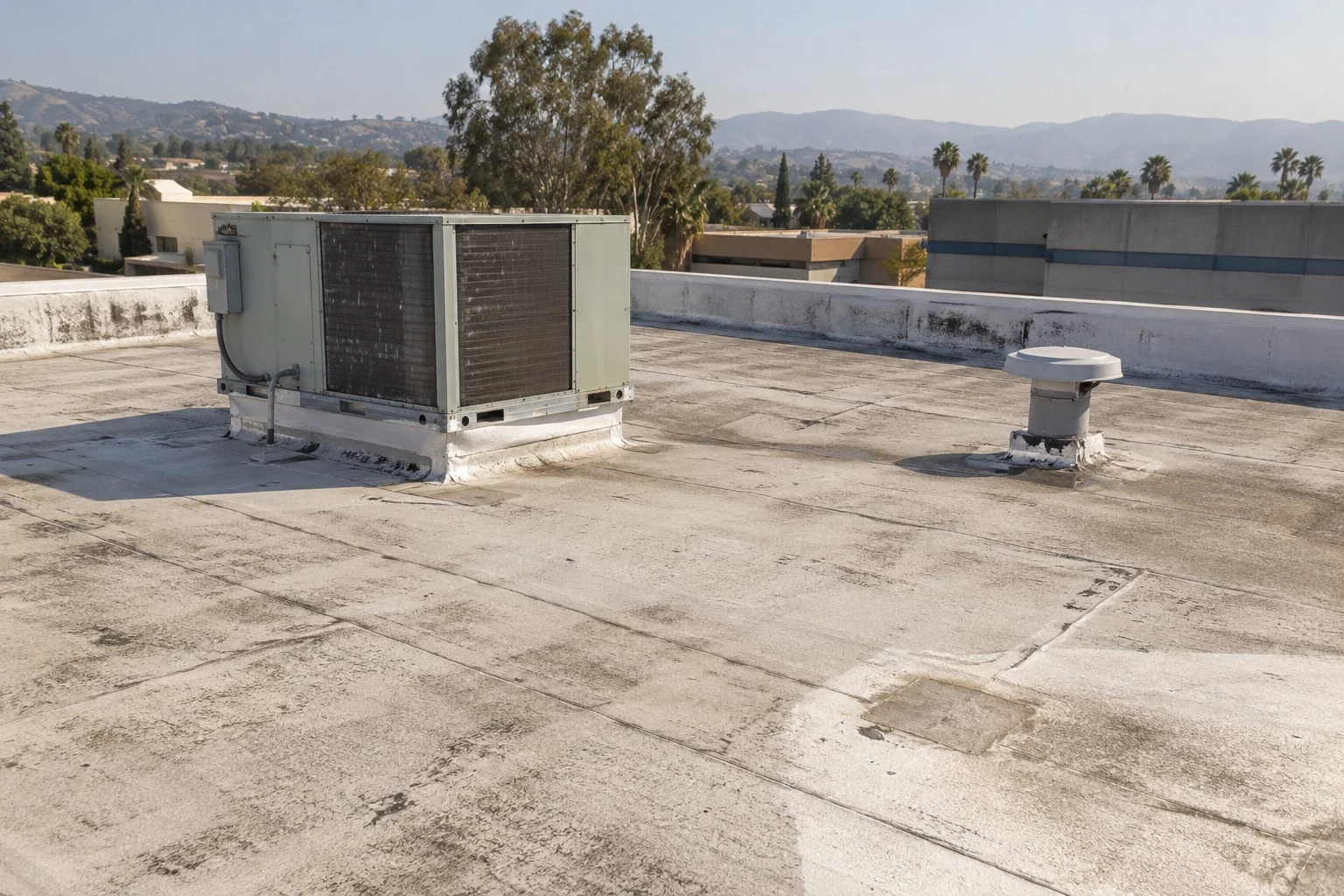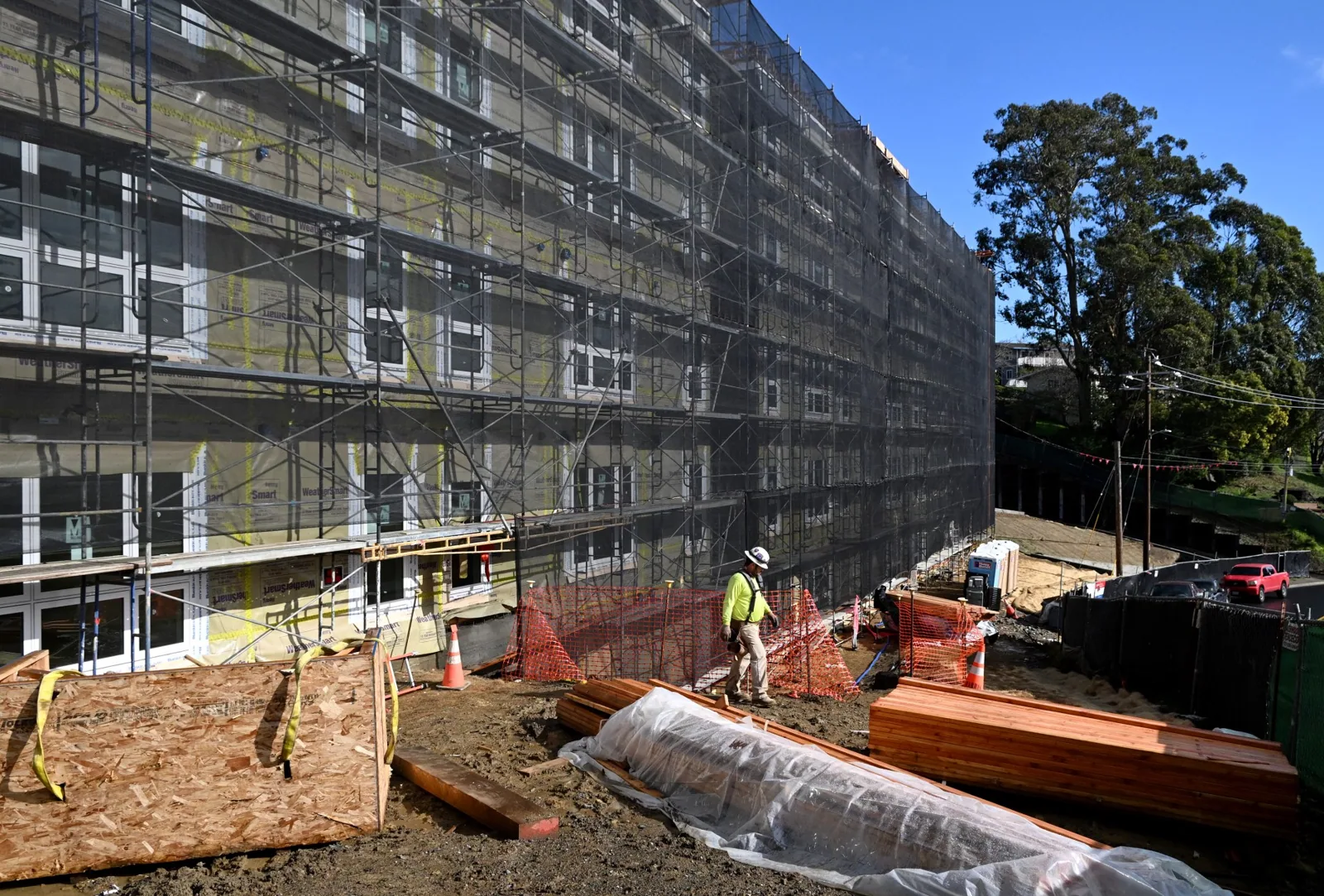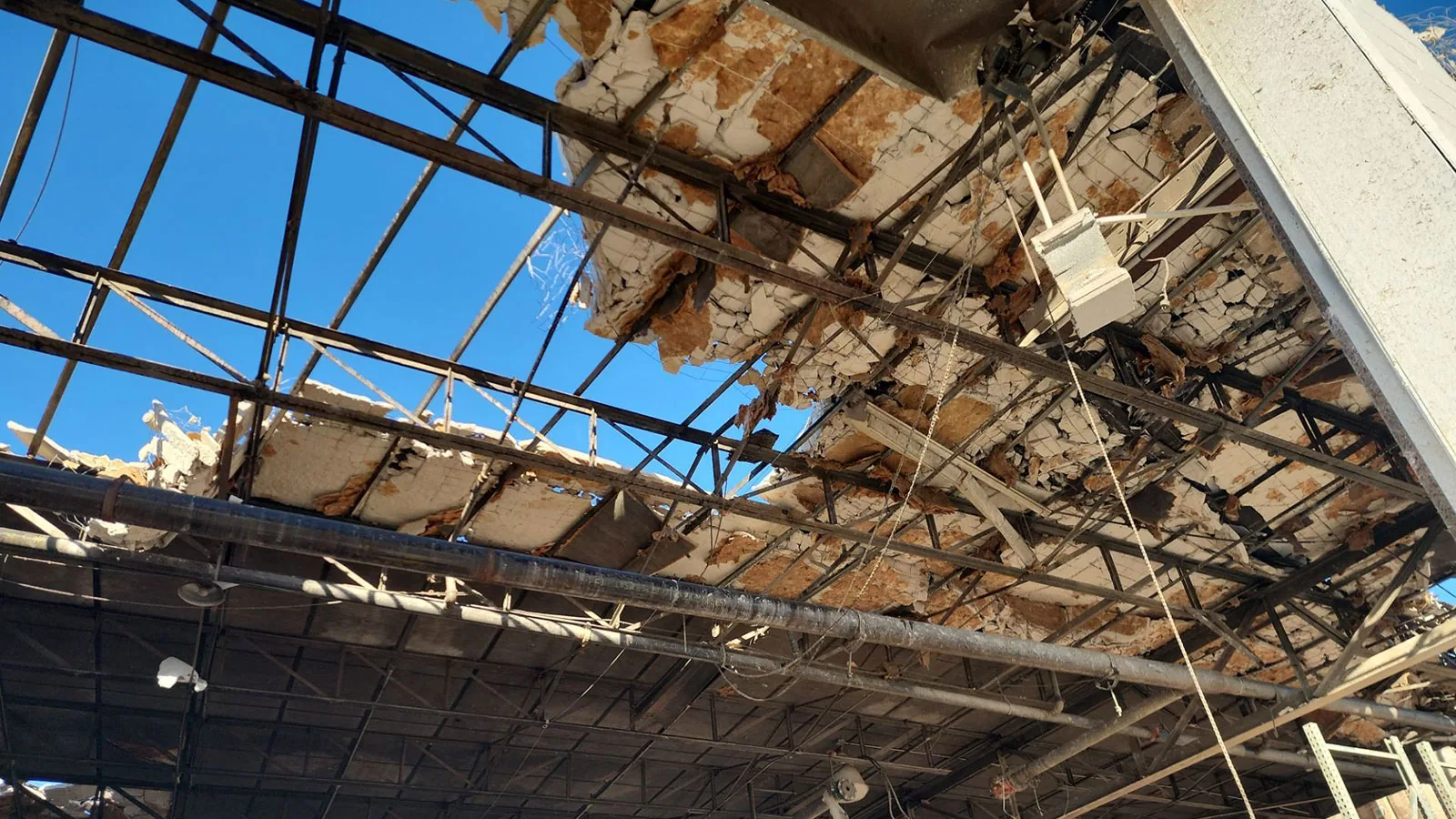
The same roof repair can need a very different plan depending on what goes on under it. A leaking seam over a warehouse aisle is one thing; the same seam over an operating room or a hotel suite is another. We inspect the roof the same way every time, then plan the work around the building's operations and the person who runs them. Property management companies get findings tied to each address and its site contact. Manufacturers get roof work planned around production lines and sensitive equipment below.
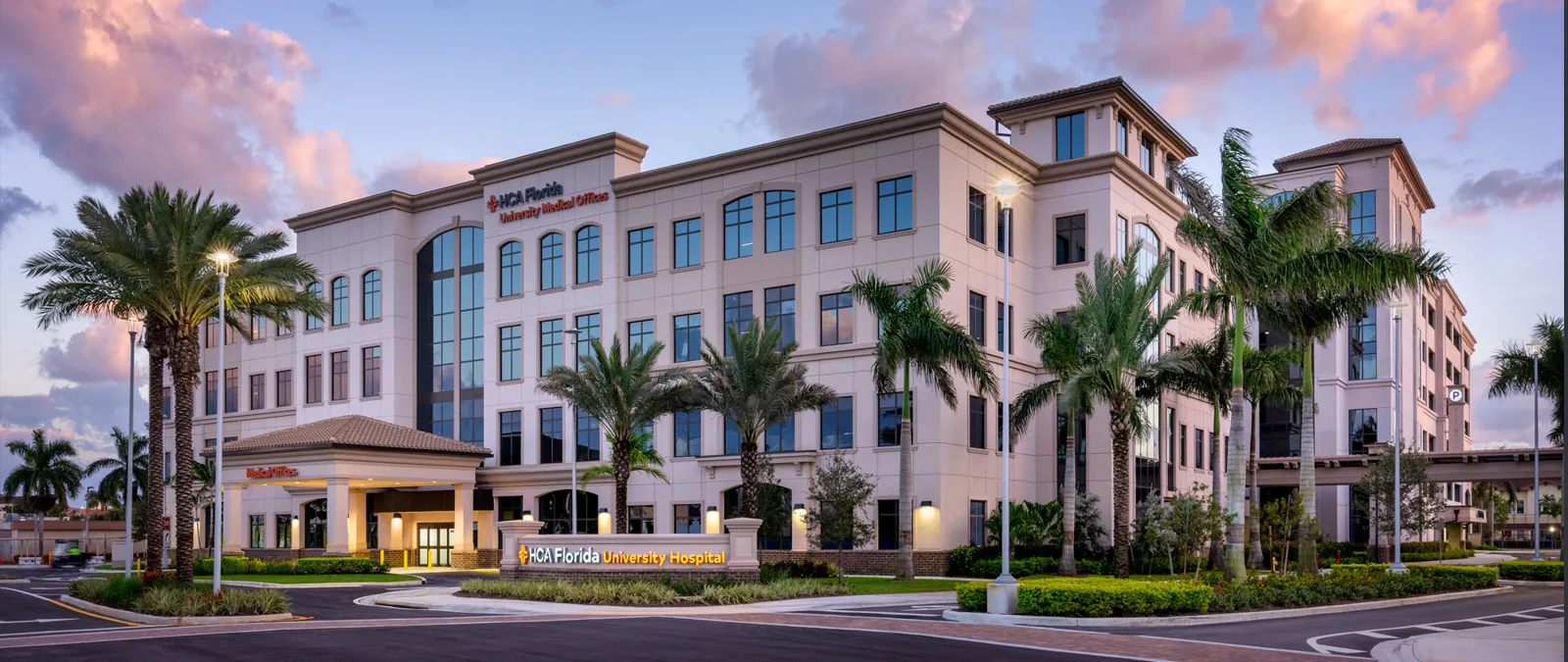
In a hospital or clinic, roof work over patient areas usually needs sign-off from facilities and infection-control staff. Healthcare systems get a plan that ties each roof opening to the rooms below and to HVAC units the mechanical team must manage. Schools are different: the timing often depends on breaks and student movement. School districts get repairs planned around class schedules. Two roofs can look alike from above and have very different damage underneath, so each one is inspected on its own.
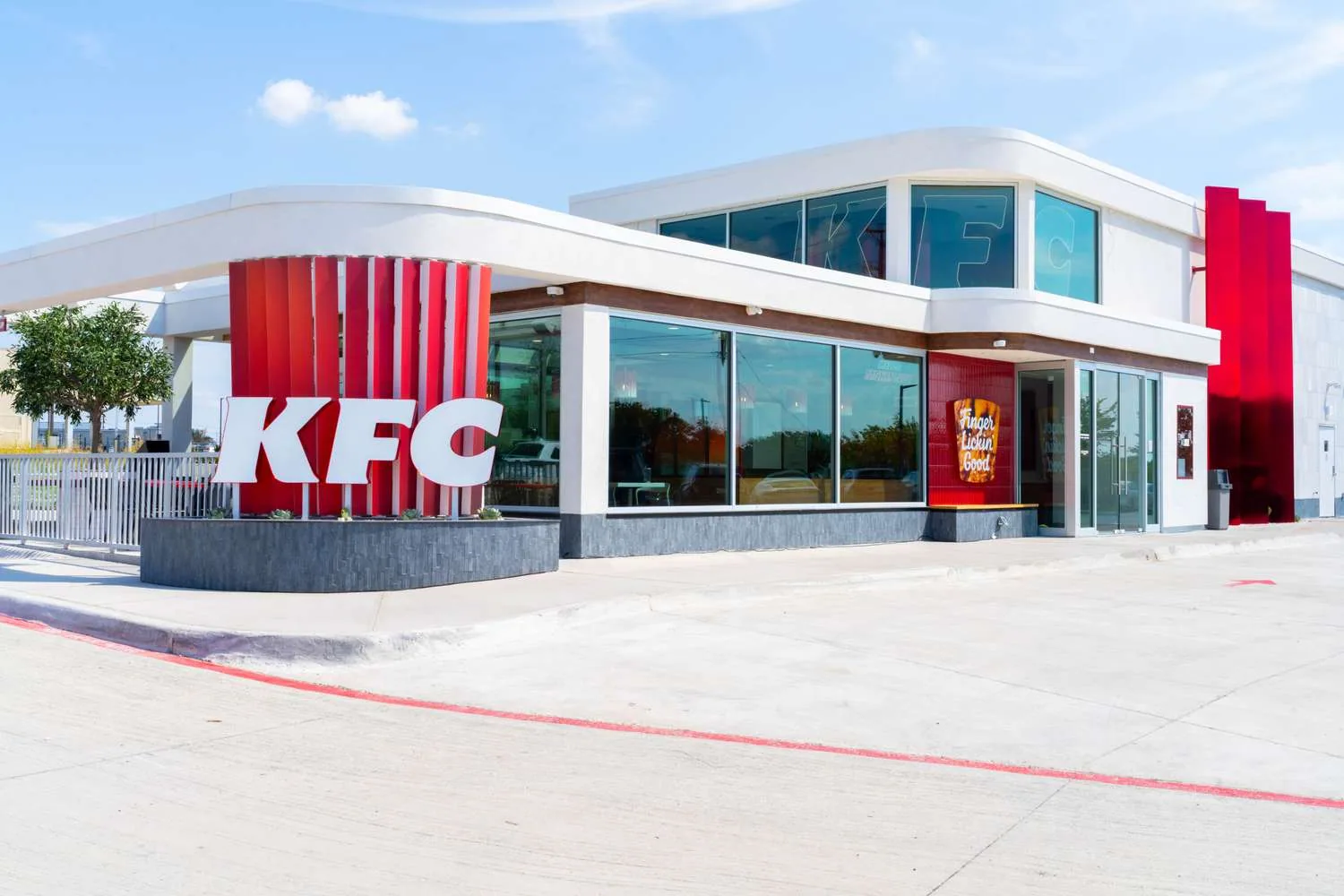
Roof work brings noise, smells, debris and crane lifts, and those can affect guests or customers well beyond the leak itself. Hospitality groups get work scheduled around occupied rooms and quiet hours. Retail and restaurant chains get plans that protect merchandise, kitchens and customer entrances. The store or hotel manager decides what needs protecting and when we can work. If the repair grows, we check again with them before opening more roof. Temporary patches are always labeled as temporary until the permanent work is done.
Commercial roofs in Berkeley and Oakland serve many industries, each with operating requirements that shape access and repair planning. Around Telegraph and South Berkeley, near Ashby Avenue, we start with the building address, where leaks are showing up and any roof records. The site contact arranges roof access and protects whatever is below. We inspect the roof itself before recommending a repair method. Nearby visits can be grouped to save time, but each building gets its own findings.
Whatever the industry, a lasting repair needs sound, dry material to tie into. For larger projects, roof capital planning compares repair, recover and replacement with every flashing, curb and drain included. Wet insulation is confirmed by testing before it's left in place. Structural, wall and equipment questions go to the right trade. Photos show what was finished and what's still open. We respond to urgent calls at night, on weekends and on holidays, and the site contact arranges access for each visit.
Tell us about the building and which areas are affected. We'll inspect the roof and send a plain report with photos and a work plan that fits how you operate.