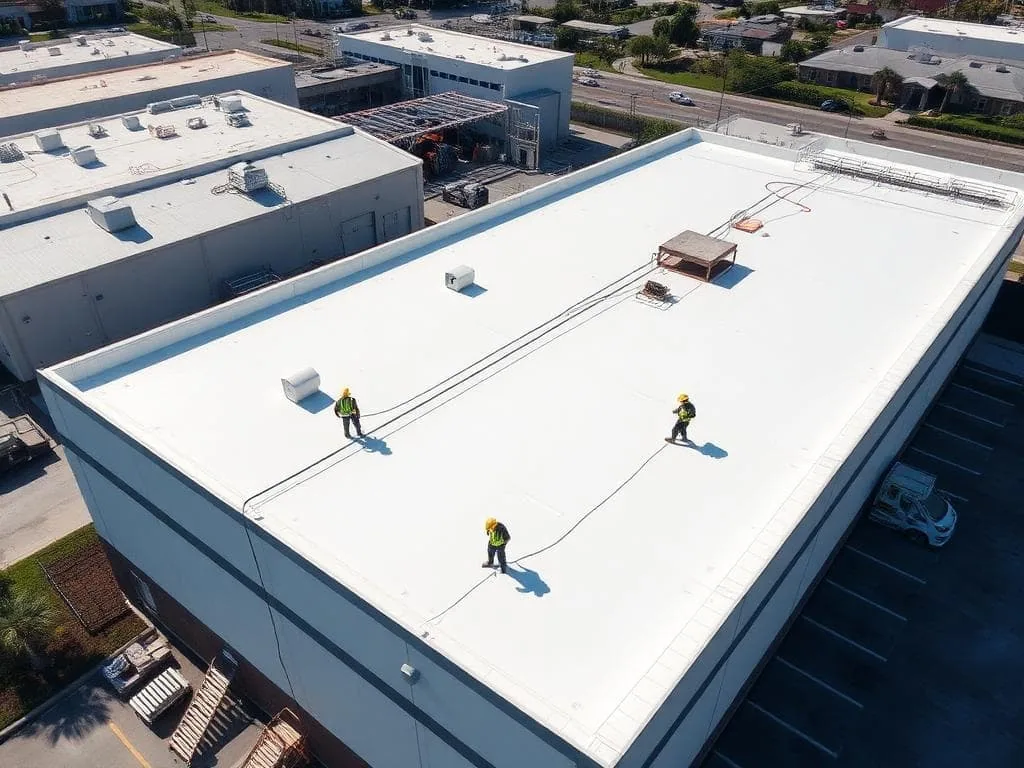
Roofing for retail and restaurant chains in Berkeley, CA: exhaust curb and equipment leak tracing, repairs planned around customers and deliveries, and consistent records per store.
Industries We Serve | Berkeley, CA
Water dripping next to a restaurant's kitchen exhaust curb could be coming from two places: the roof flashing around the curb, or the exhaust fan and ductwork above it. Roofing for retail and restaurant chains in Berkeley, CA starts by figuring out which. We inspect the roof side and work with the equipment contractor on the fan and duct. Patching the roof when the leak is in the hood or the fan housing just wastes a service call. Photos and a marked location show what we found, and the repair plan covers what's needed at that store.
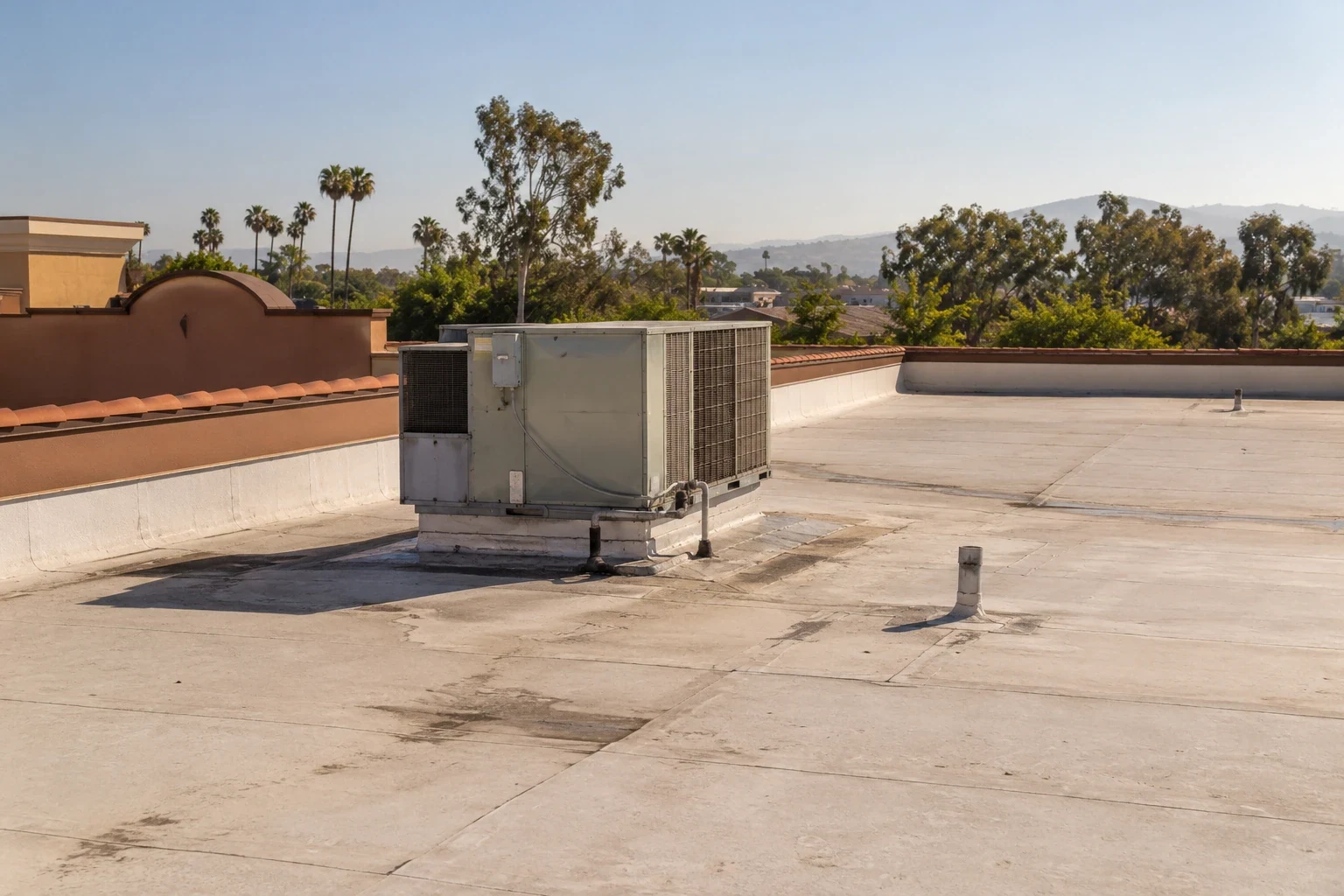
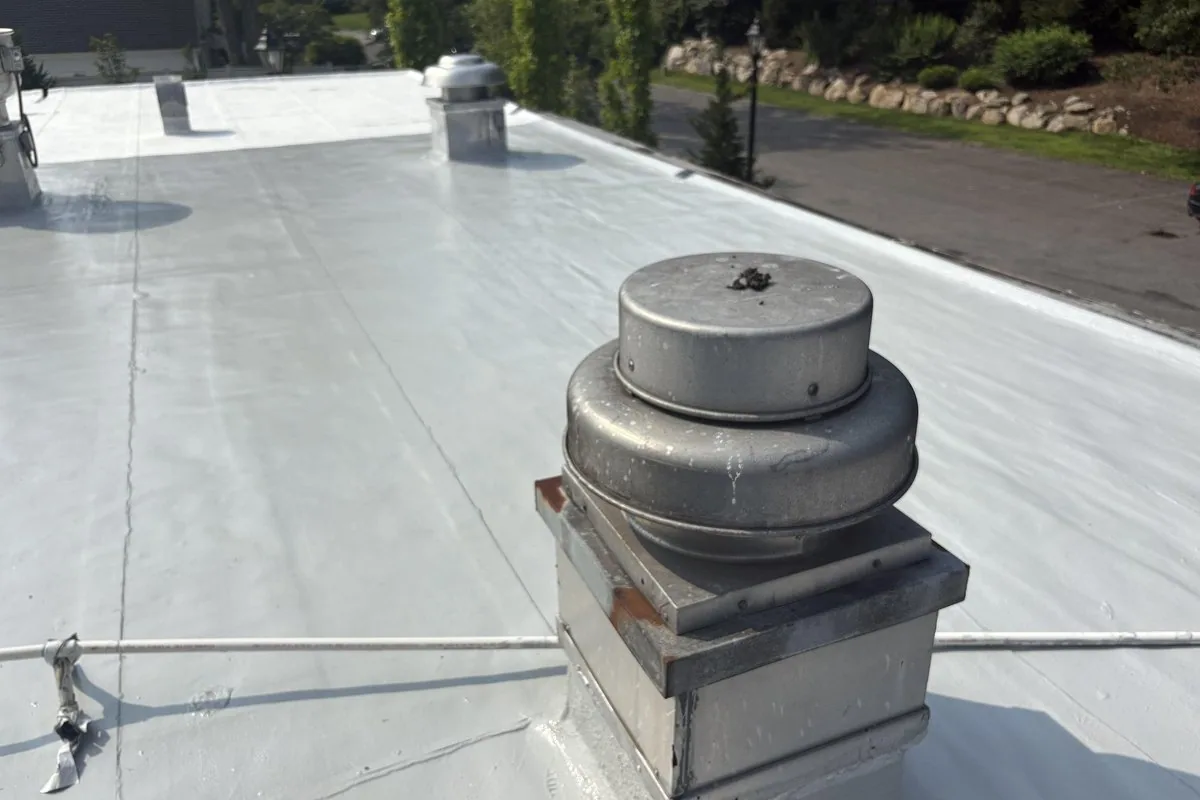
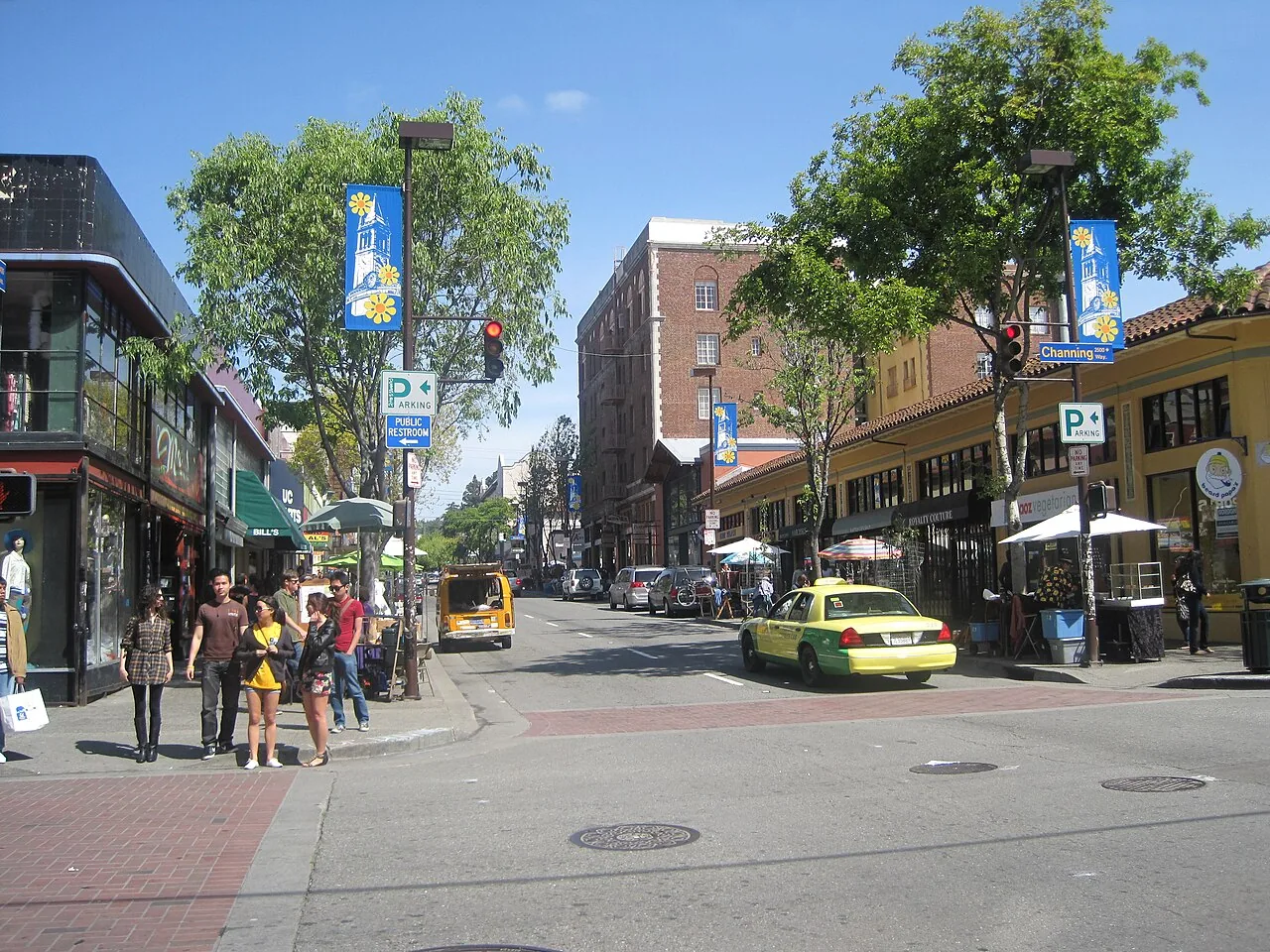
For a restaurant roof, a kitchen exhaust curb, make-up air unit and rooftop duct can all meet the membrane at one crowded detail. We inspect the curb, flashing and adjoining field, then note what must remain accessible for service. Telegraph Avenue and downtown Oakland have active retail and food corridors; Berkeley’s own downtown blocks bring different buildings and operating hours. An exhaust-curb roof review follows the actual property and its service route, not a nearby landmark.
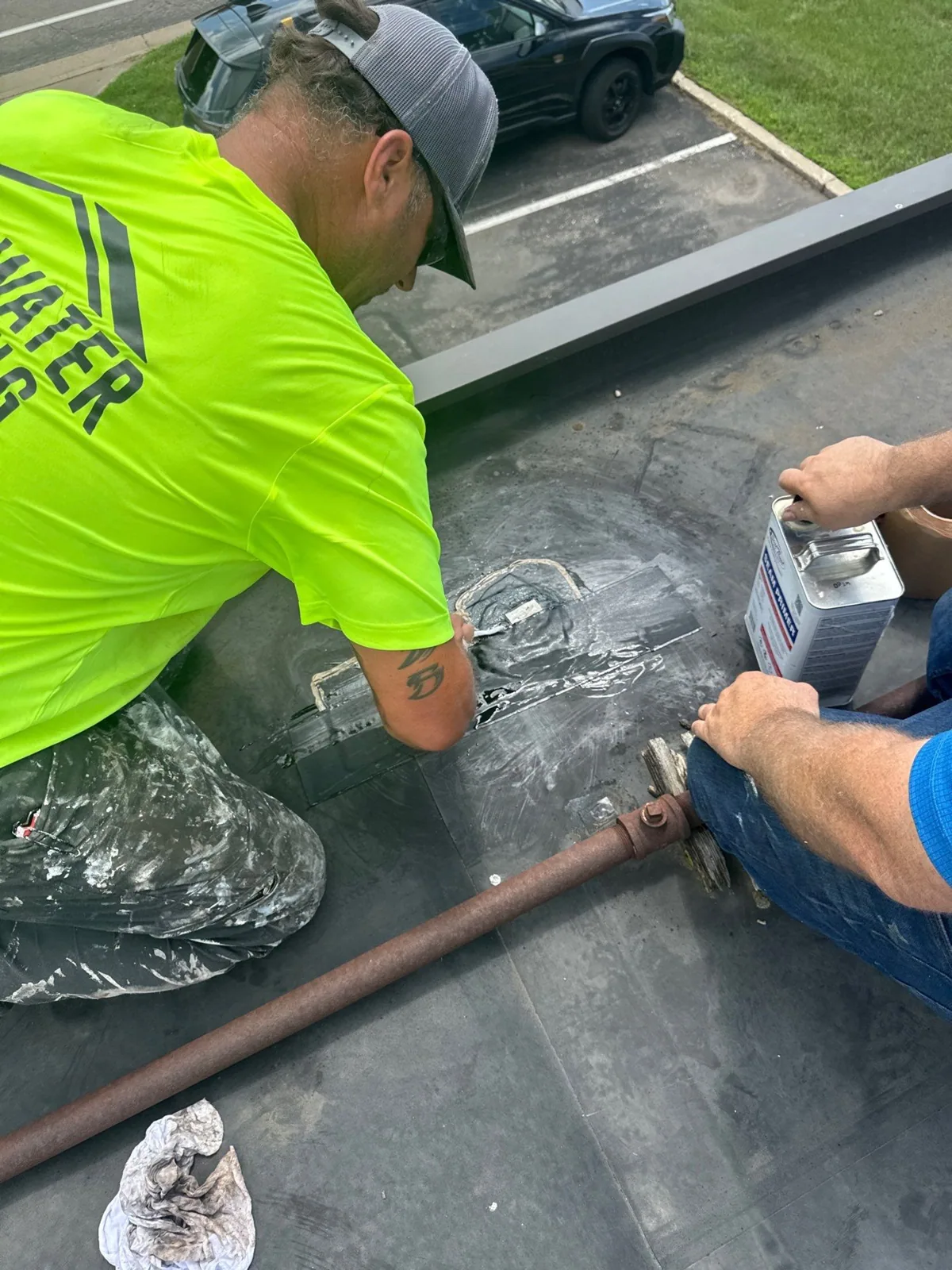
Curb flashing wraps the membrane up and around the base of the unit. If it tears or pulls loose, water gets in even though the unit itself is fine. The unit can also leak through its own seams or duct joints, with the roof flashing intact below. We compare the roof around the curb with where the water shows up inside. When it started and what got wet first help narrow it down, but they don't settle it alone. The store manager gets a clear answer on which part needs fixing, and equipment questions go to the HVAC or hood contractor.
Commercial roof leak repair at a restaurant unit starts by documenting the opening in relation to things you can find on the roof. A close-up of wet insulation doesn't show where water got in. Service records can show a recently replaced unit or an old patch, but we check them against what's there now. We only state a cause as far as the evidence supports. A roof repair shouldn't hide an equipment problem, and an equipment service call won't fix a split in the roof flashing at its base.
Water that gets past the curb flashing soaks into the insulation around it. You can't tell from the outside how far it went. We probe and cut cores to find out. Wet insulation is replaced as part of the repair. If the new insulation is thicker, the flashing height at the curb changes, and the curb itself may need to be taller. We check those dimensions before ordering parts so the new flashing fits the rebuilt curb.
Replacing insulation and cover board around the curb follows what testing confirms. If more damage turns up once the roof is open, we photograph and measure it and get approval before continuing. The store or chain facilities team should know who approves those changes. The opening stays sealed in the meantime. Anything left in place has to be dry and solid, since a roof that looks fine on top can still be wet underneath. The repair area is explained so it makes sense beyond the original gap.
The store manager tells us which entrances, delivery doors and dining or sales areas are affected. We plan material routes and crane lifts around those. Roof access doesn't mean we can block the front door or the loading dock. If the exhaust fan has to be shut down or serviced first, that's scheduled with the hood contractor. Each store has its own rules; a slow period at one location doesn't set the schedule for another. We open only as much roof as we can seal before the store's restrictions kick in.
Reroofing over an open store or restaurant means protecting the space below every time the roof is opened. We explain what's temporarily sealed and what permanent work remains. If we have to pause, the plan says what's holding up the final detail. Parts and substrate need to be ready together. Ceiling tiles and electrical issues inside go to the right trades. Our status helps them, but it doesn't clear the interior. Store managers get a clear picture of what can happen next.
Chain operators need a repeatable record that still reflects each building. We note the roof system, drain paths, equipment interfaces and repairs completed, then separate open conditions from work that can wait. West Berkeley’s light-industrial and research properties do not operate like the Telegraph Avenue commercial corridor, so access and staging change from one location to another. Before ordering a new curb or flashing, we verify the equipment dimensions and receiving roof geometry at the specific site.
The same goes for hotel and hospitality properties: equipment findings are specific to each roof. We identify the membrane and make sure the repair material will bond to it. Old caulk and mastic around a curb often have to be cleaned or cut out. A test weld or adhesion check answers the question at that spot only. The curb is ready to flash once the equipment is in place and the substrate around it is prepared. Progress on the rest of the roof doesn't close a curb that's still waiting.
The closeout record shows the rebuilt curb and flashing on a roof plan, with photos of the new substrate and finished seal. Kitchen exhaust and HVAC techs should know where the new flashing is so they don't damage it. If a unit gets moved or replaced, check whether the old flashing still fits. If a new leak shows up, we inspect what's there now. The earlier photos help show what changed without assuming the cause.
When the store is run by a property management company, the file lists what's finished and what's still open, such as hood repairs or ceiling replacement. A dry ceiling doesn't prove everything above it is dry. Warranty questions depend on the terms for this roof; a warranty decision at one store doesn't apply to another. Each location keeps its own findings and priorities. A consistent report format lets the chain compare stores without treating different roofs as the same job.
Send us the store address and photos of the area. We'll figure out whether it's the roof or the equipment and explain the repair.
Request a Roof Assessment