Occupied building reroofing in Berkeley, CA: phased tear-off, daily dry-in, interior protection and equipment coordination so tenants and patients can keep working.
Commercial Roofing Services | Berkeley, CA
Replacing a roof over a building that stays open is mostly a planning job. A loose curb flashing over a medical office exam room still needs to be torn out and rebuilt, but the room below has patients in it, and water, dust, noise and roofing odors all matter. Occupied building reroofing in Berkeley, CA, means working in sections small enough to tear off, rebuild and seal before the end of each day, with the building's operations setting the pace.
For medical office buildings, we ask early about exam and procedure rooms, sensitive equipment, air intakes and hours when noise or odors would be a problem. We walk the roof, check the existing layers and map which rooms sit under each section. Then we build a phasing plan with you. Some areas can be done any day. Others need advance notice, a weekend or an empty room. The plan shows which parts of the job depend on those openings, so delays in one area do not catch anyone by surprise. We also give the building staff a single point of contact for daily questions.
Each day's work area is chosen based on what is below it and what can be protected. Before opening a section, we confirm with the building manager which rooms are underneath, whether they are occupied and whether ceiling tiles, equipment or stock need to be covered or moved. Rooftop air intakes may need to be shut down or filtered to keep odors out of the building.
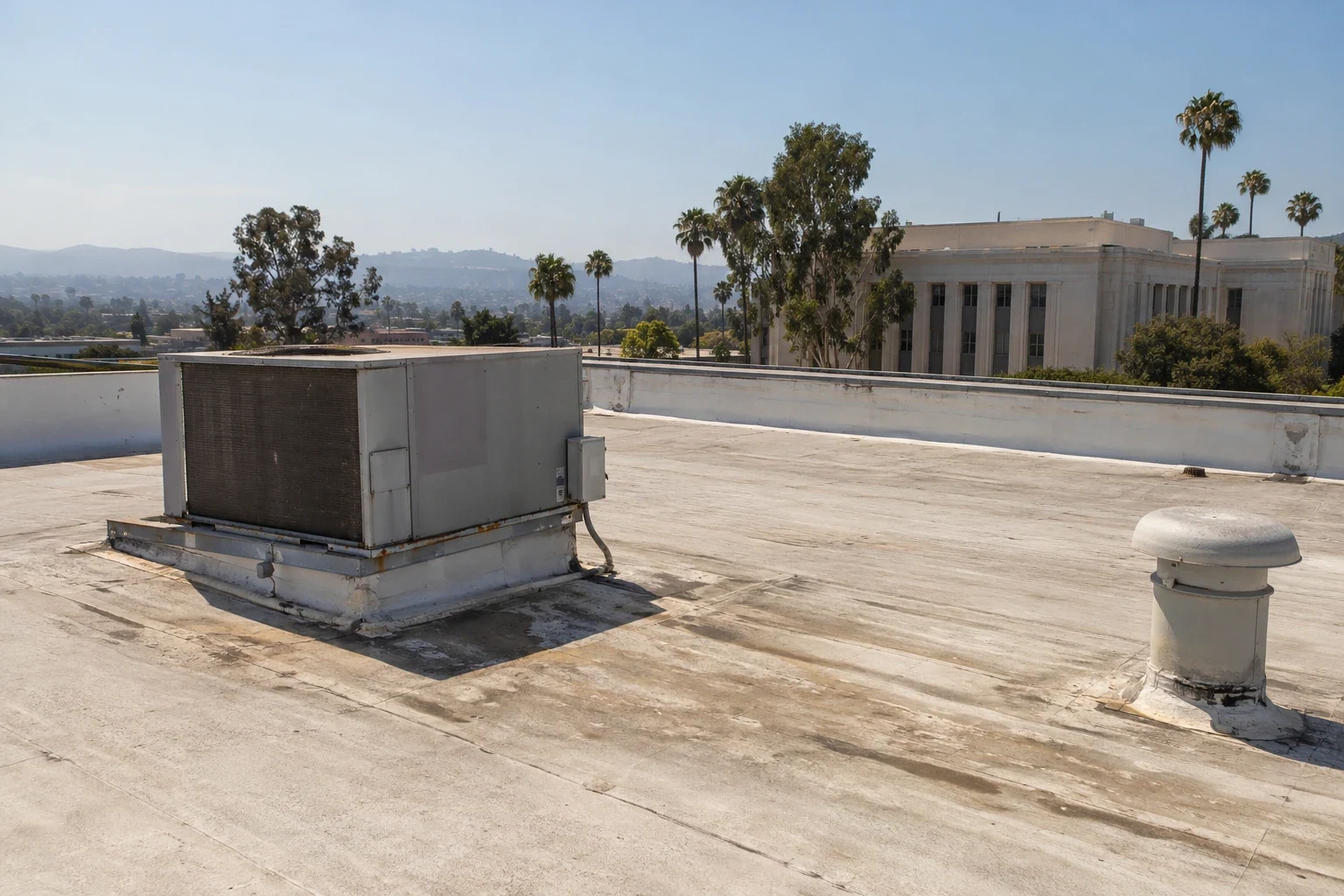
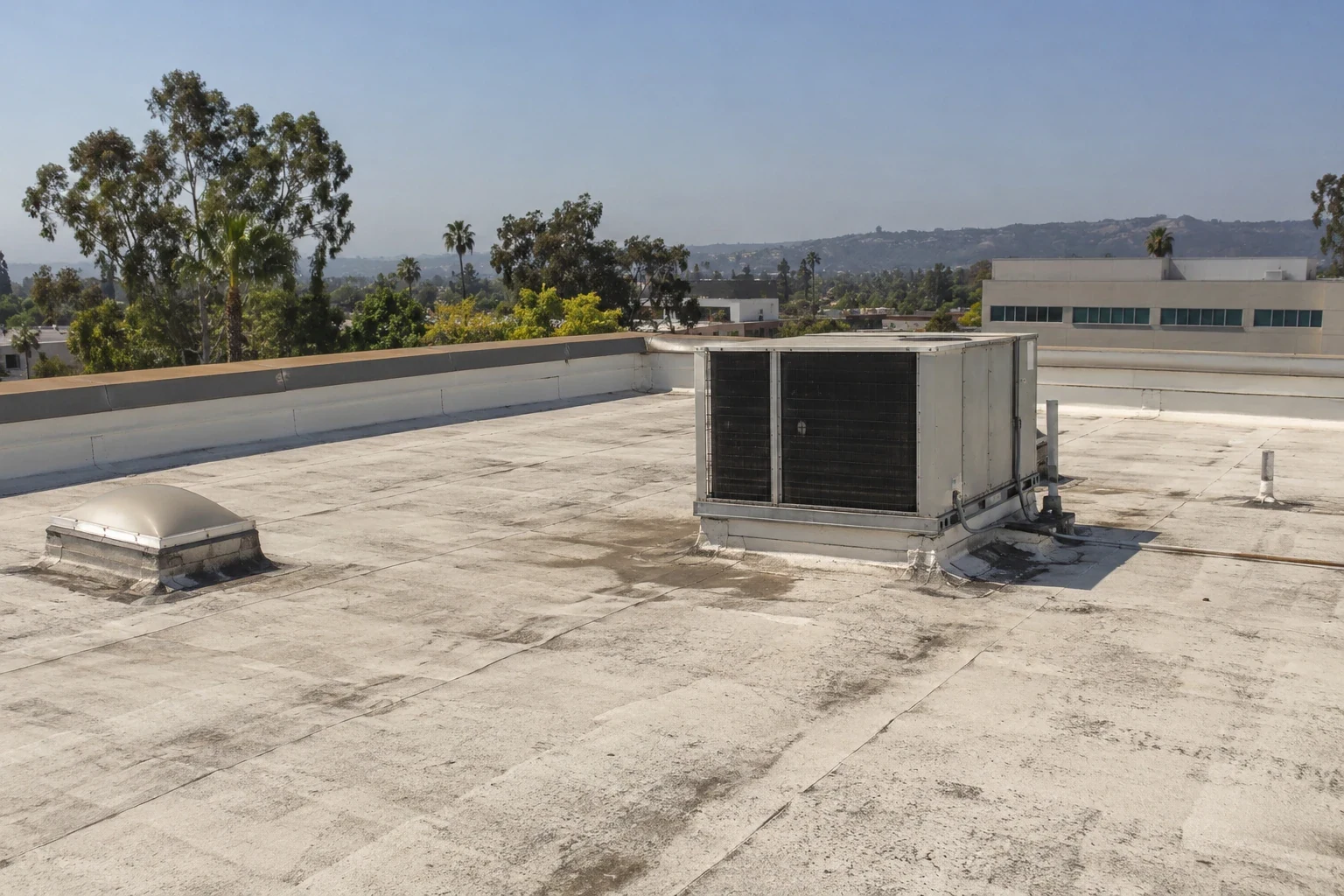
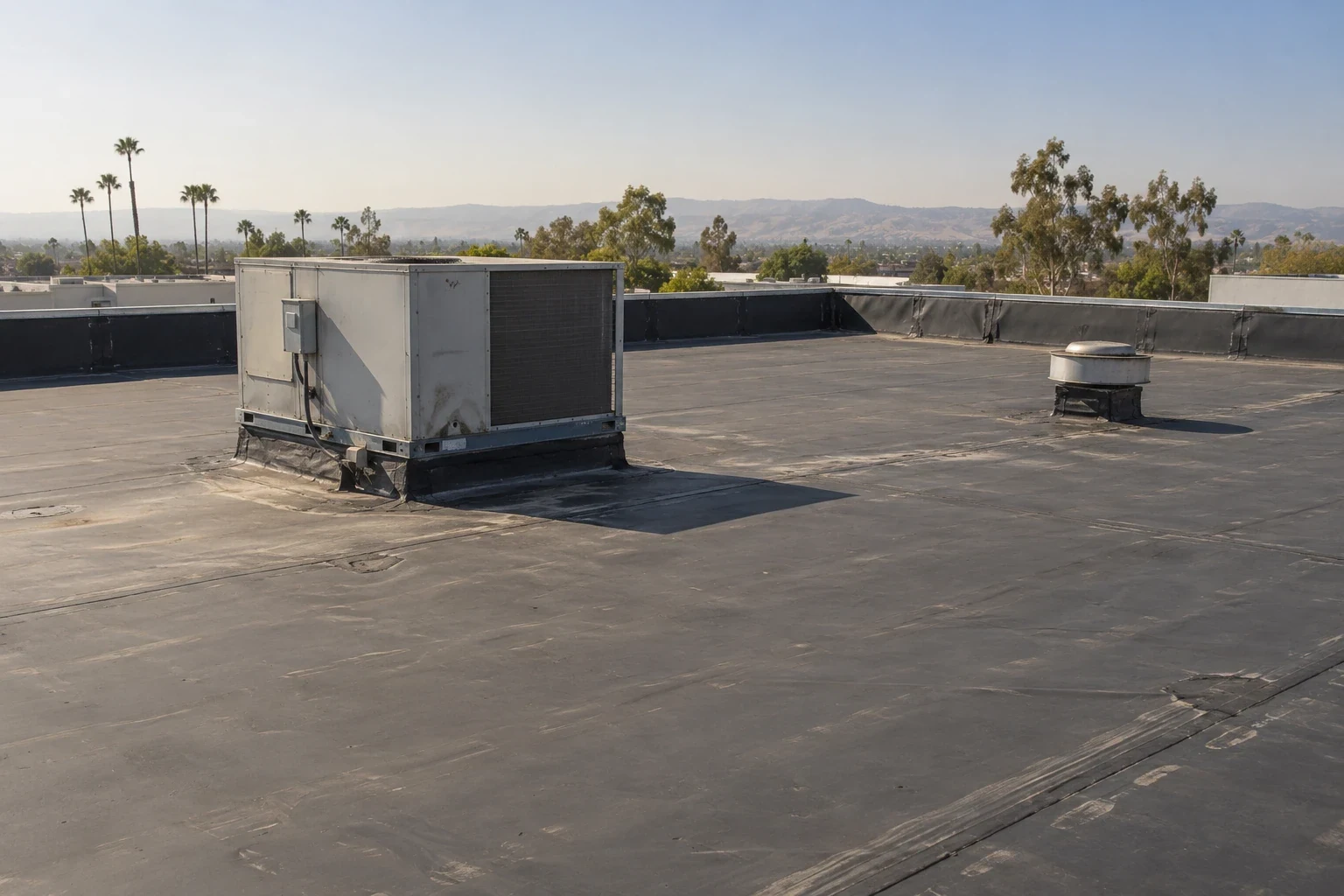
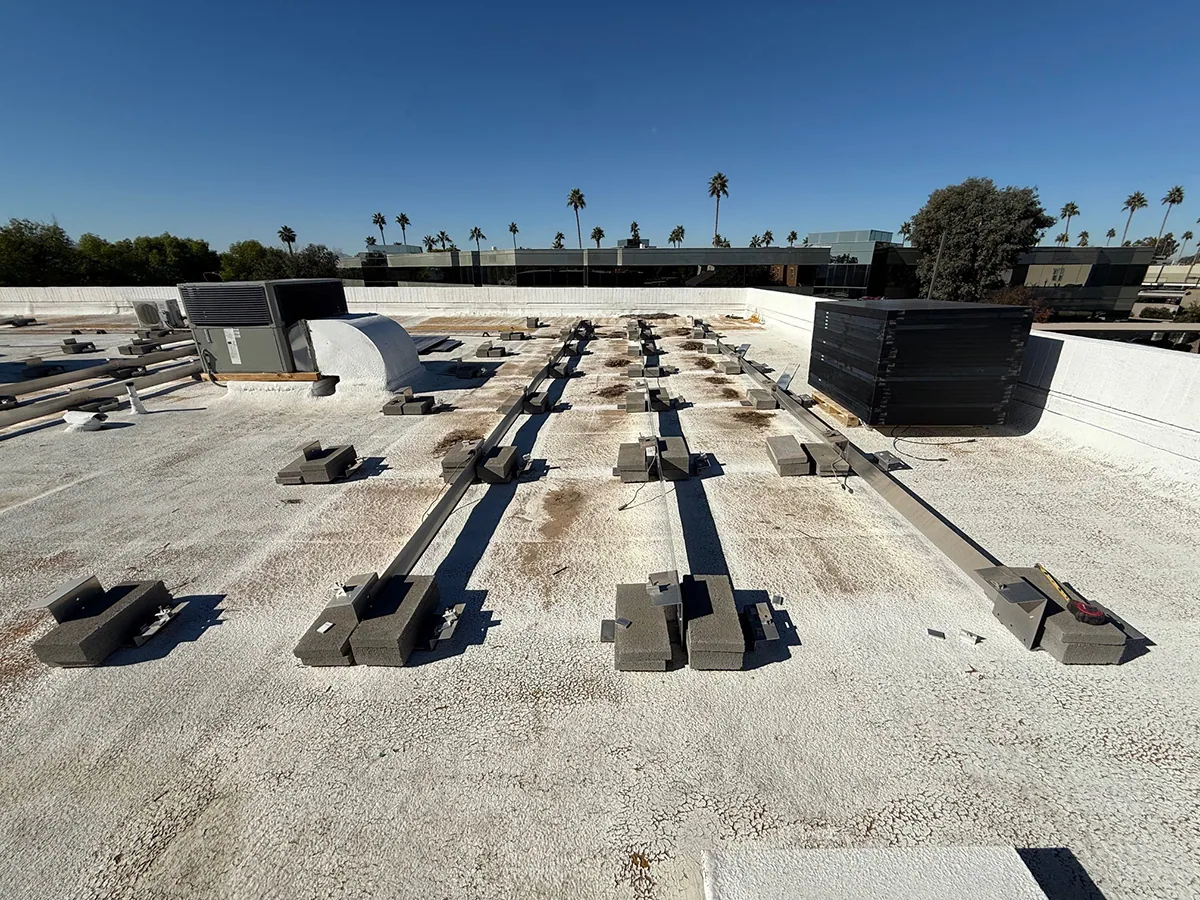
Rooftop units are often the hardest part to schedule. If a unit has to be disconnected or lifted to rebuild its curb, the mechanical contractor and the tenant using that unit both need to agree on a time. Our rooftop curb and equipment support work is planned around those shutdowns. When a room or unit is not available on the planned day, we move to another section rather than leave the roof open, and we reschedule the blocked area. The phasing plan is updated as the job goes on, so everyone knows what is coming next.
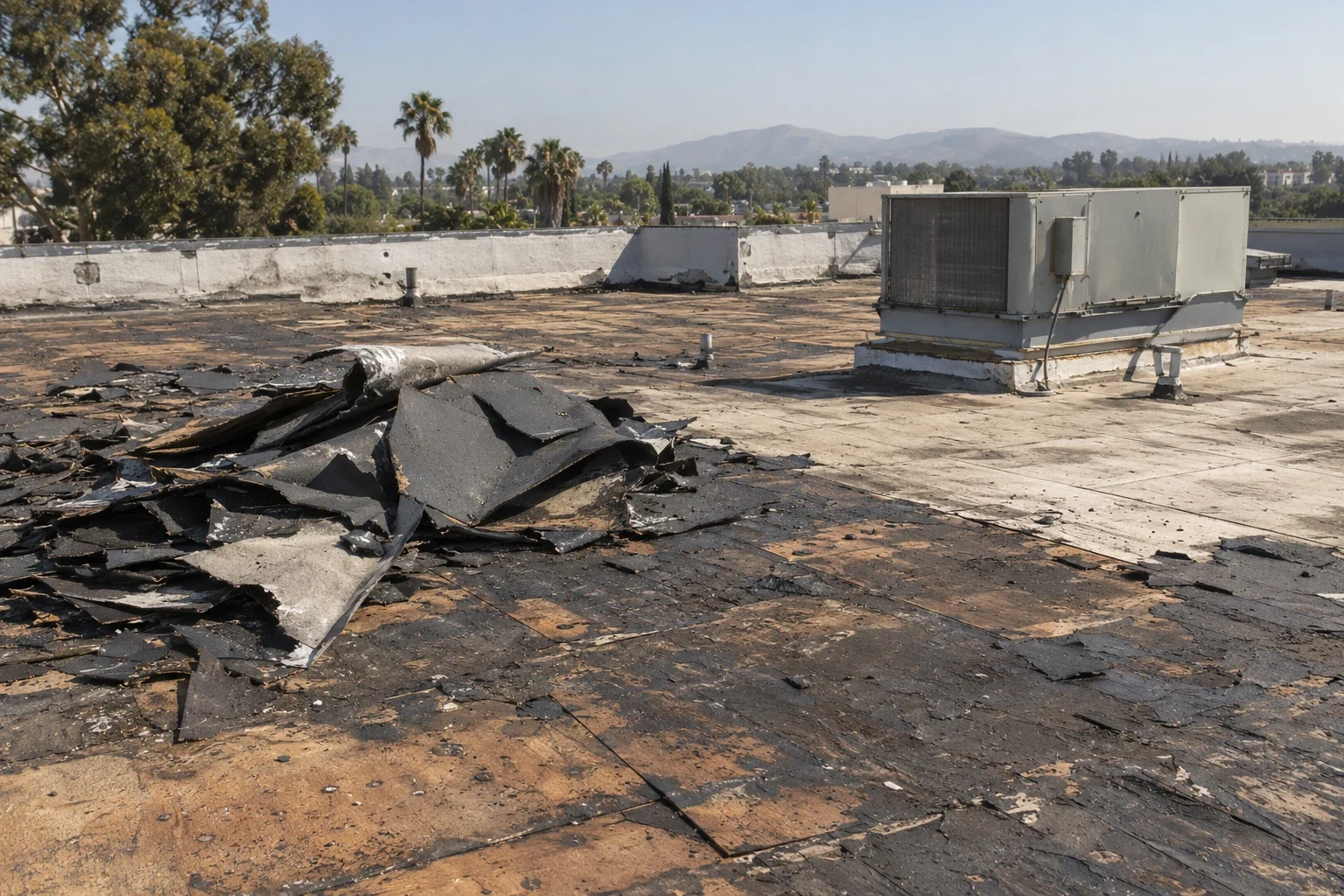
Tear-off often reveals problems you could not see from the top: wet insulation beyond what the cores showed, rusted deck, rotted wood at curbs and edges, or old roof layers nobody knew were there. On an occupied building, those surprises have to be handled the same day, because the section must be sealed before the crew leaves.
We carry materials for common repairs on site and use unit prices from the proposal for extra wood, deck and insulation. If we find something bigger, like widespread deck damage, we stop, photograph it, call you and agree on a plan before going further. A roof replacement on an occupied building should never leave a section open overnight while waiting for a decision. If a decision cannot be made that day, we install a secure temporary dry-in and pick up the next morning. That keeps the people below dry while the right fix gets worked out.
A new roof is often thicker than the old one, especially when insulation is upgraded. That extra height affects every detail. Curbs may become too short for proper flashing height. Roof drains may sit high or low. Door thresholds and wall flashings may need to be raised. All of that needs to be known before the first section comes off, so it can be phased in.
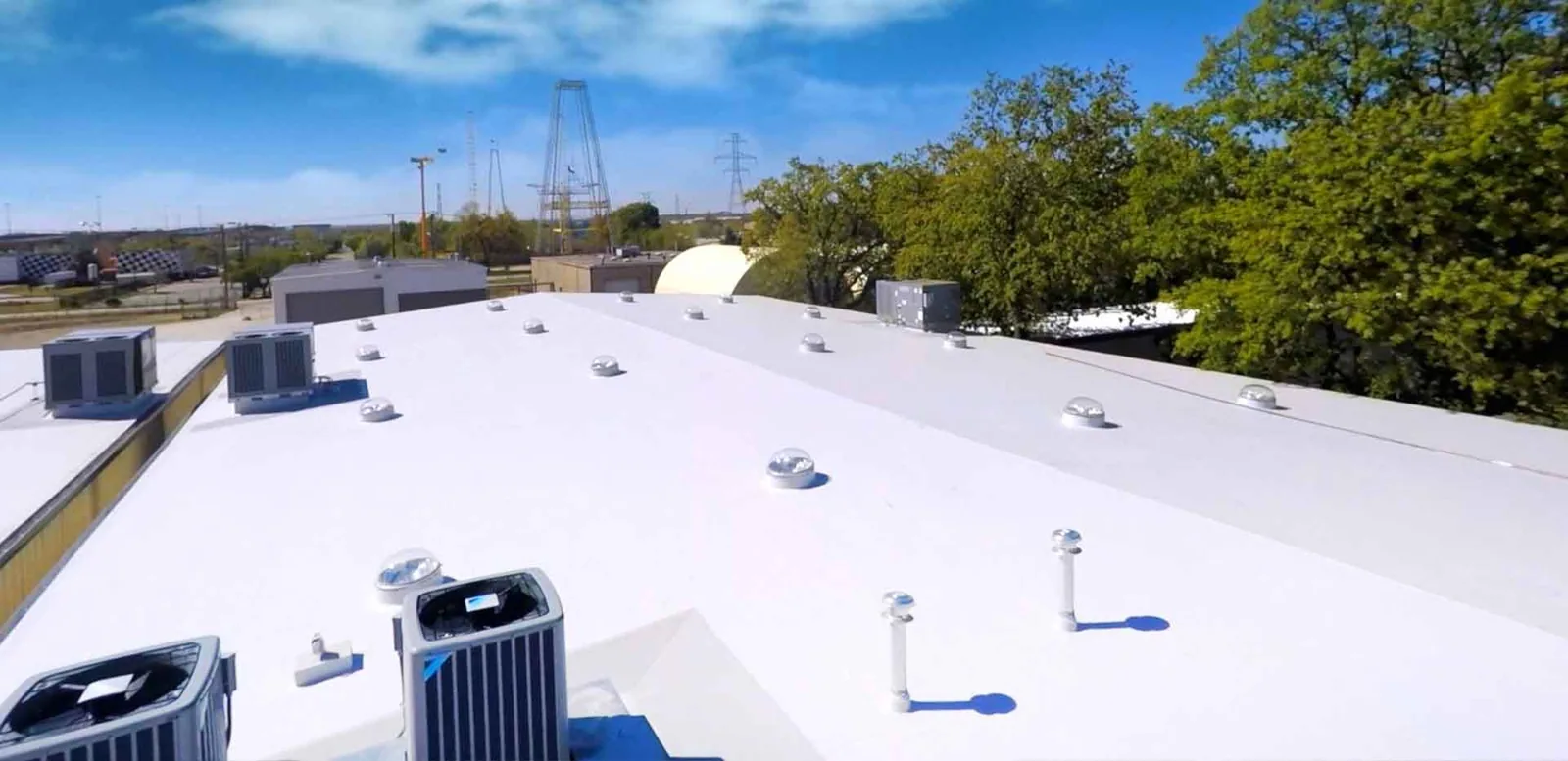
On a TPO roof, the membrane is heat-welded at seams and flashings and can be installed in daily sections that tie together cleanly. An EPDM roof is another common choice for phased work, using adhered rubber sheets and seam tape. Some systems involve adhesives or hot work that create odors or fire concerns in an occupied building, which affects the choice. We discuss those trade-offs with you and match the system to the building, then plan curb and edge changes so each section is finished, not left with temporary details for weeks.
Setup and access often cost as much as the roofing itself on an occupied job. Where can the crane set up without blocking patients, customers or emergency access? Where can the dumpster go? Can materials be lifted during business hours, or only early in the morning? Each of those answers affects the schedule and the price.
A roof inspection before the project covers both the roof and the site around it. We look at parking, entrances, loading areas and street access, and note any restrictions. Short daily work sections mean more setups and cleanups than a vacant building would need. Interior protection, after-hours work and extra coordination also add cost. We list those items separately in the proposal so you can see what is driving the price and where flexibility, such as a weekend shutdown or a temporarily empty room, could bring it down. Weather delays are handled the same way: we tell you early and adjust the sequence.
At the end of every work day, the open section is sealed watertight. Some days that means the new roof is finished in that area, flashings and all. Other days it means a temporary tie-in between the new roof and the old one, or a temporary seal at a curb that cannot be finished until a unit is moved. We photograph each day's endpoint and note which parts are complete and which are temporary. The building manager knows what is permanent, what still needs work and where to look if a storm comes through overnight. A crew member also walks the roof after any heavy rain to check the temporary seals before work resumes.
For buildings across Berkeley, including those in downtown Berkeley with tight streets and busy entrances, an occupied reroof involves many moving pieces. The final record pulls them together so the building has a clear history of what was done.
You get a roof plan showing each phase and completion date, photos of the work in progress and finished details, records of any hidden damage repaired, and the manufacturer warranty documents with their own terms. Equipment that was disconnected and reconnected by other trades is noted, along with anything left outside our scope. If a temporary detail is still waiting for a unit to be moved, it is clearly marked. Keep the record with the building files. It helps the next contractor, the next property manager and anyone handling a warranty question.
Send us the roof records and any operating limits inside the building. We will walk the roof with you and explain how the work could be phased.
Request a Roof Assessment