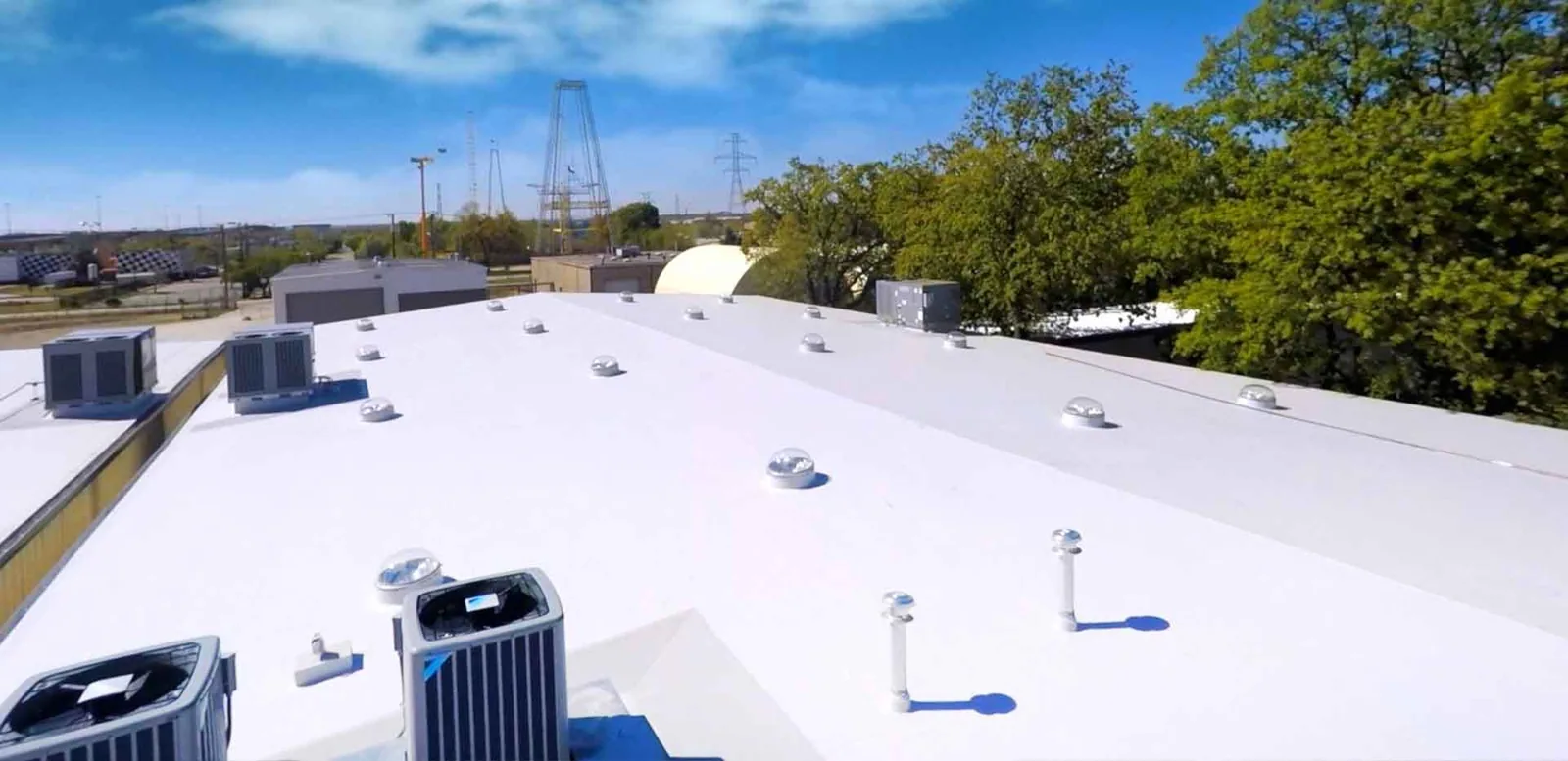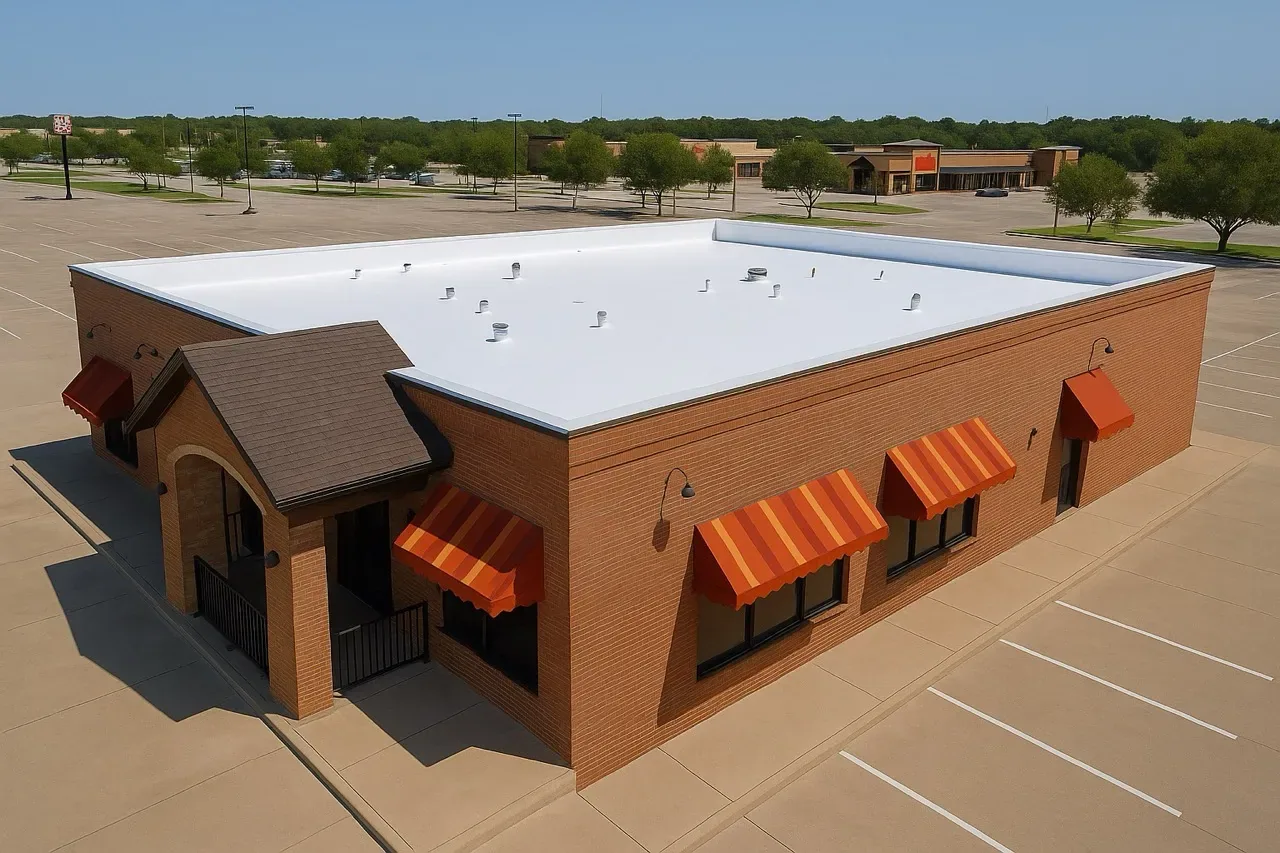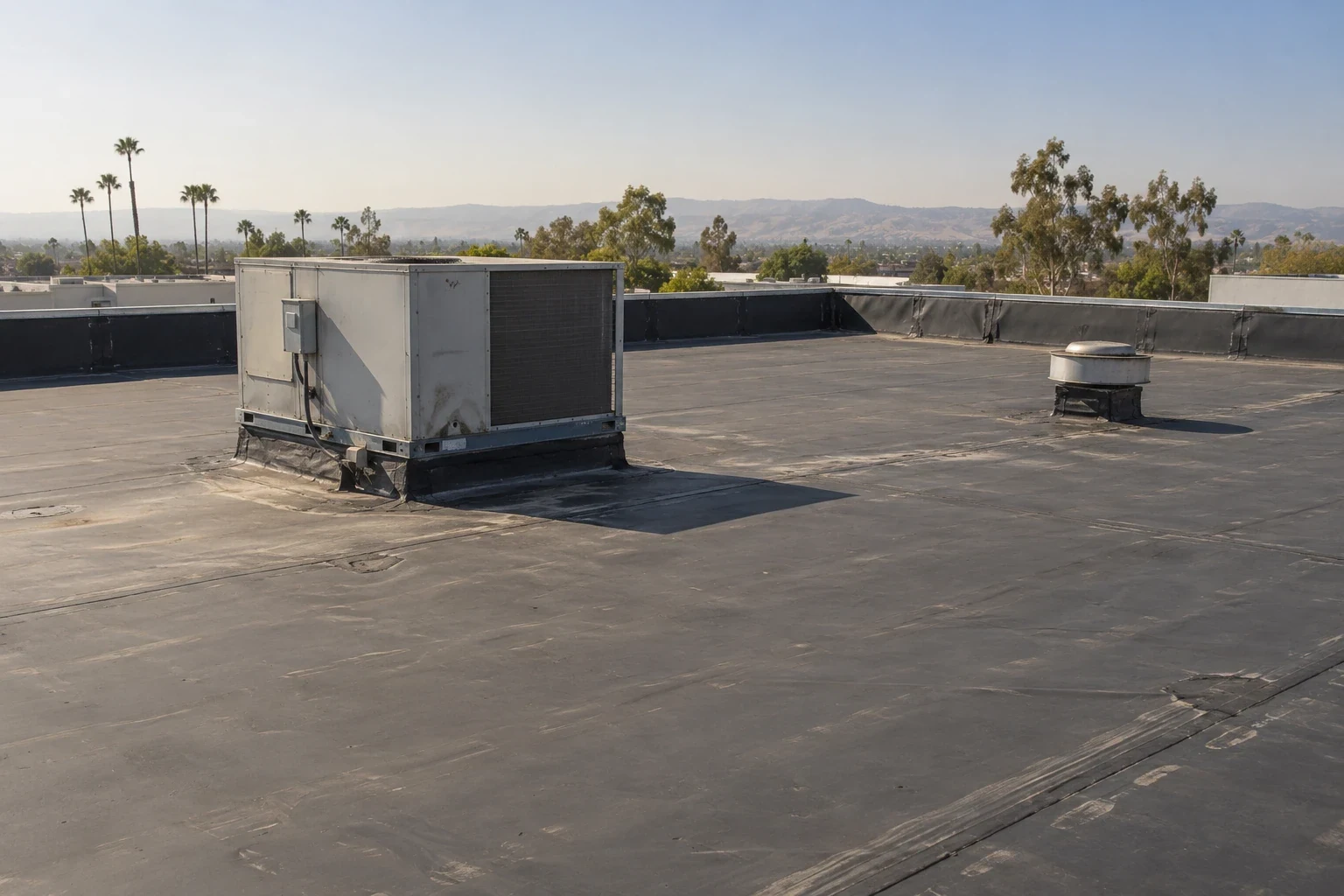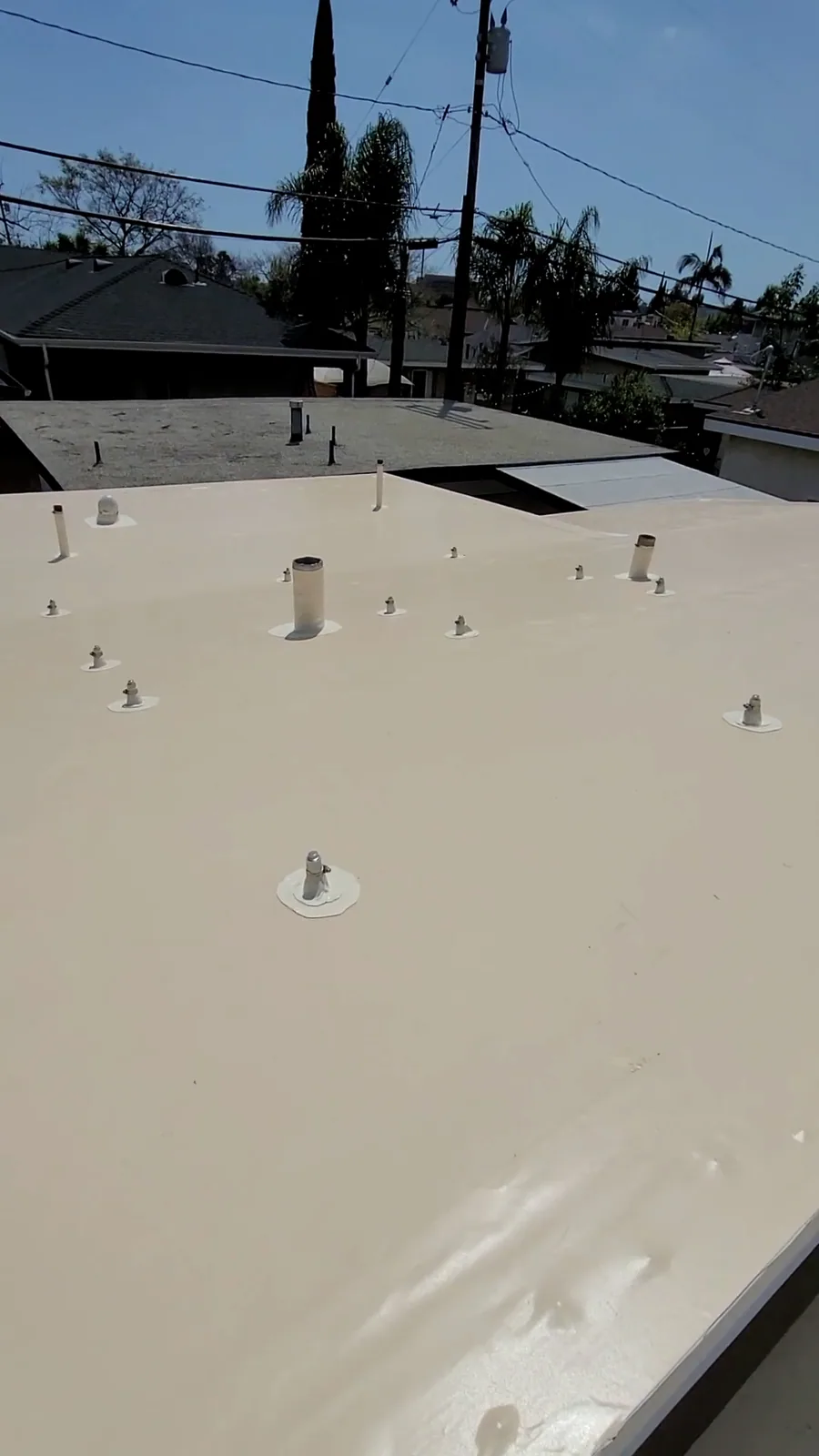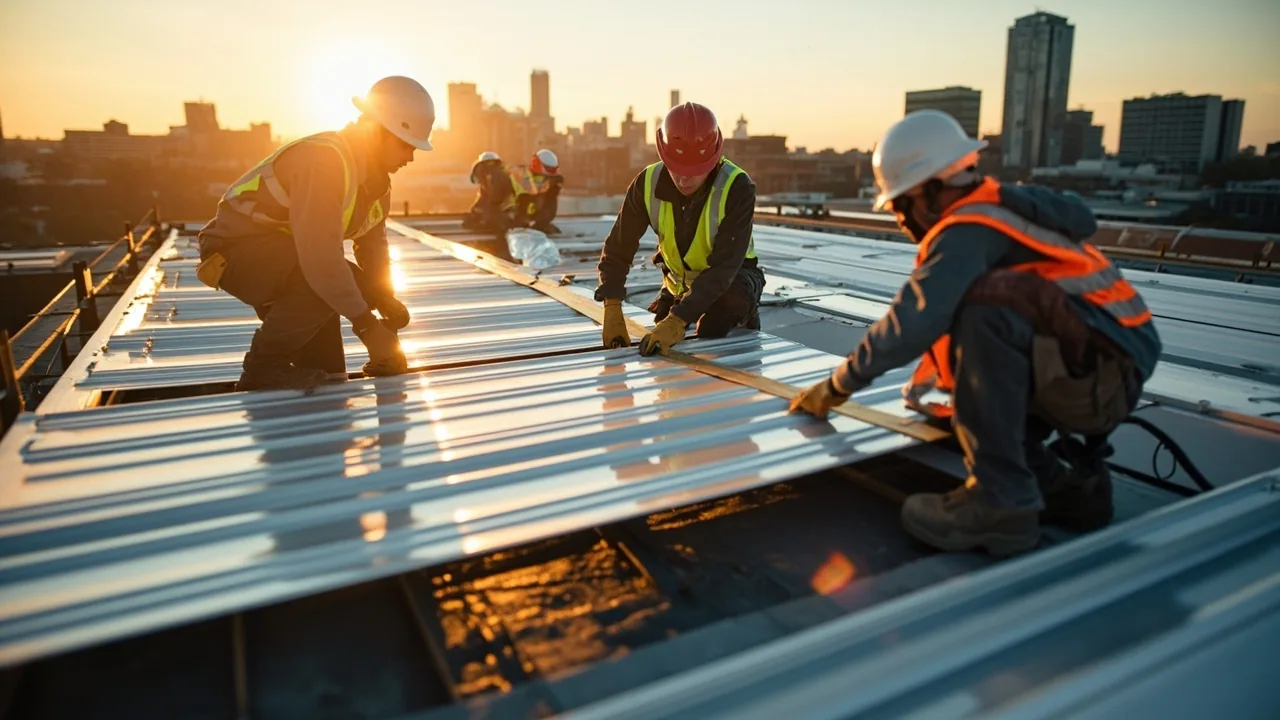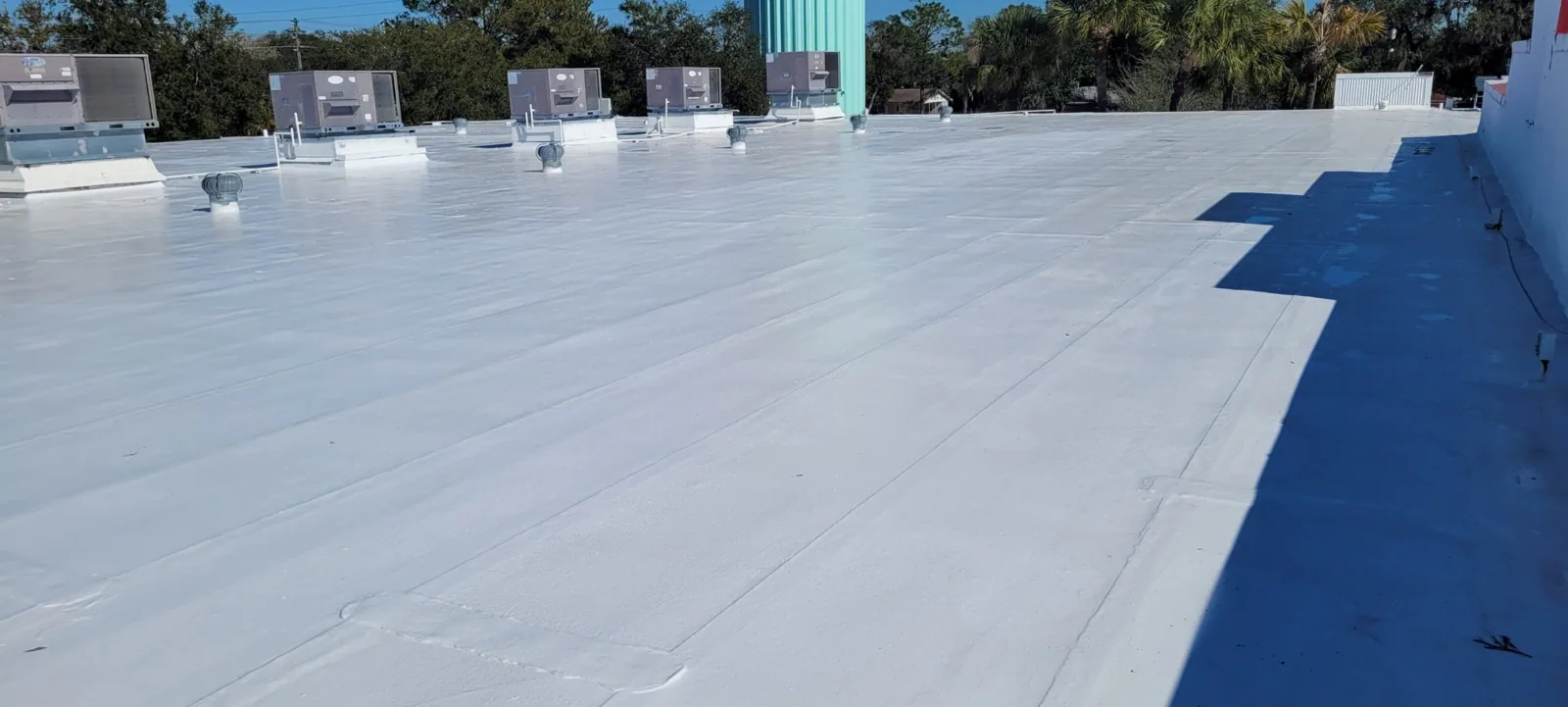
Each roof system seams, flashes and attaches in its own way, so the right choice depends partly on what's already on the building. Before we recommend one, we check the existing membrane, insulation and deck. A roof can be fine across the middle and still have a rotted curb or wall flashing, and no new membrane will fix that by itself. TPO roofing is heat-welded and needs clean, compatible material at every seam and tie-in. EPDM roofing uses tapes and adhesives with its own prep. We recommend the system that fits your roof.
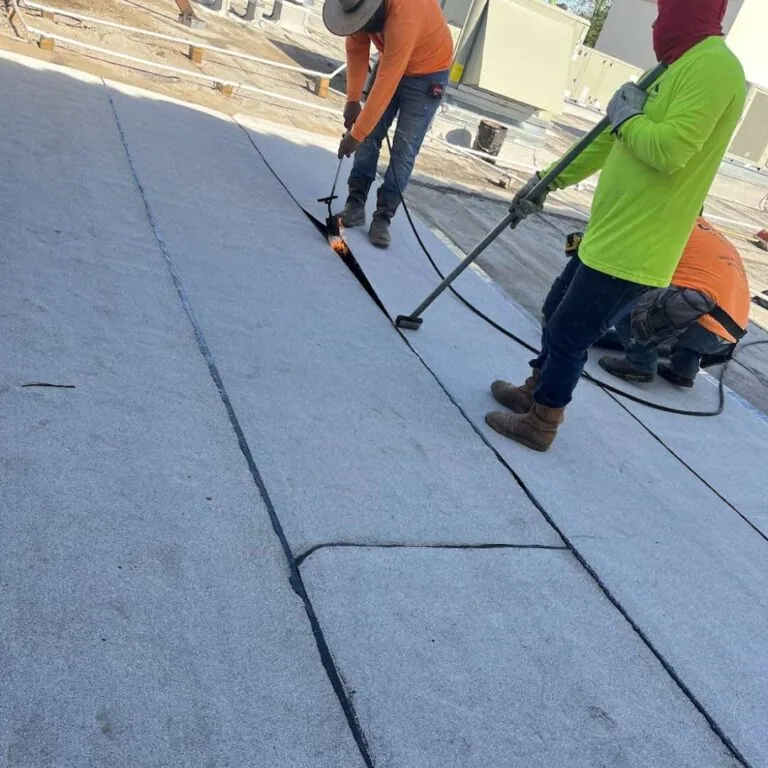
Heat-welded membranes only bond to clean material of the same type. PVC roofing repairs and tie-ins need the existing surface and flashings checked first. Other systems handle the same curb or wall differently. Modified bitumen roofing is torched, mopped or self-adhered, and we check the existing layers before choosing a method. The manufacturer's instructions set the rules. If the insulation is wet, it usually has to come out before any new system goes on. We tell you what can stay and what has to be rebuilt.
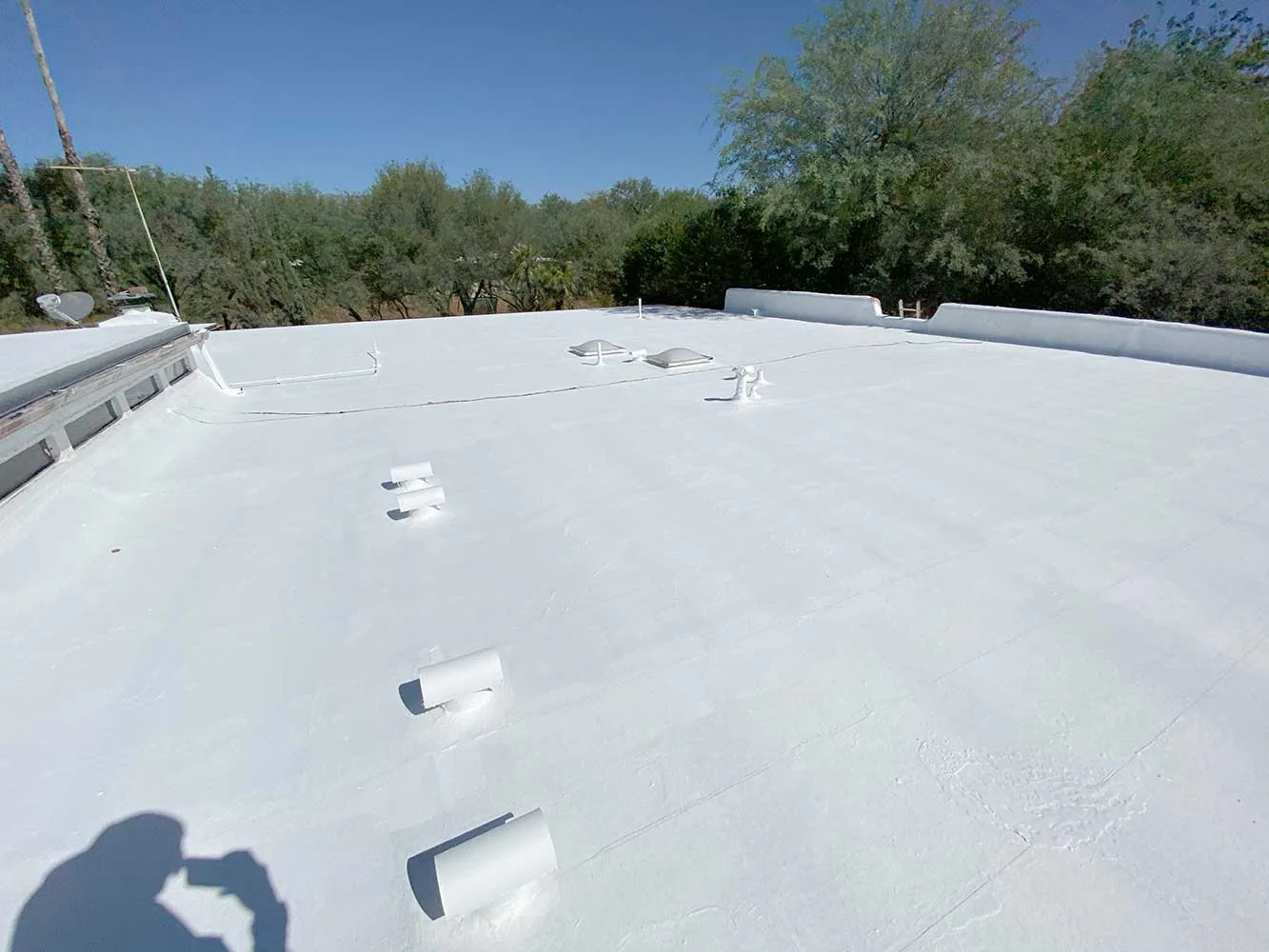
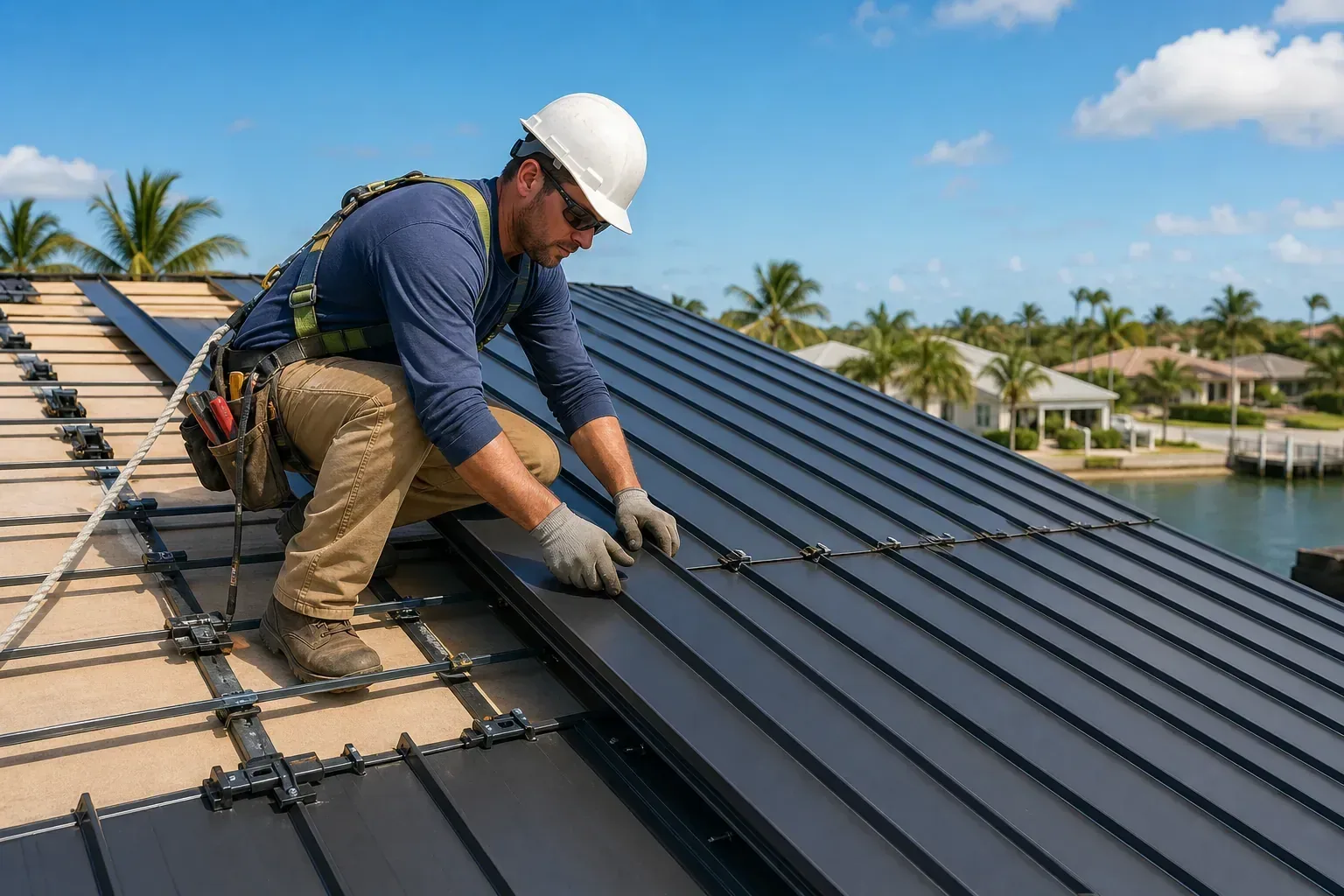
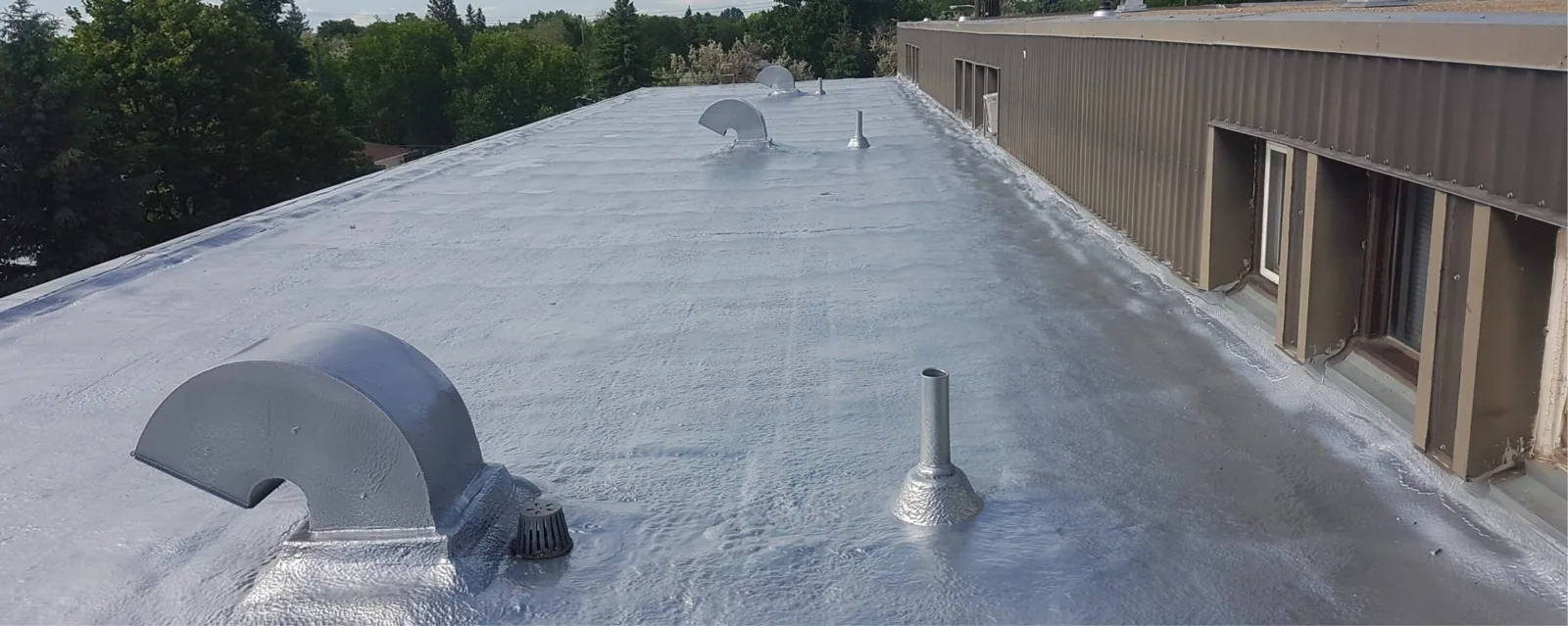
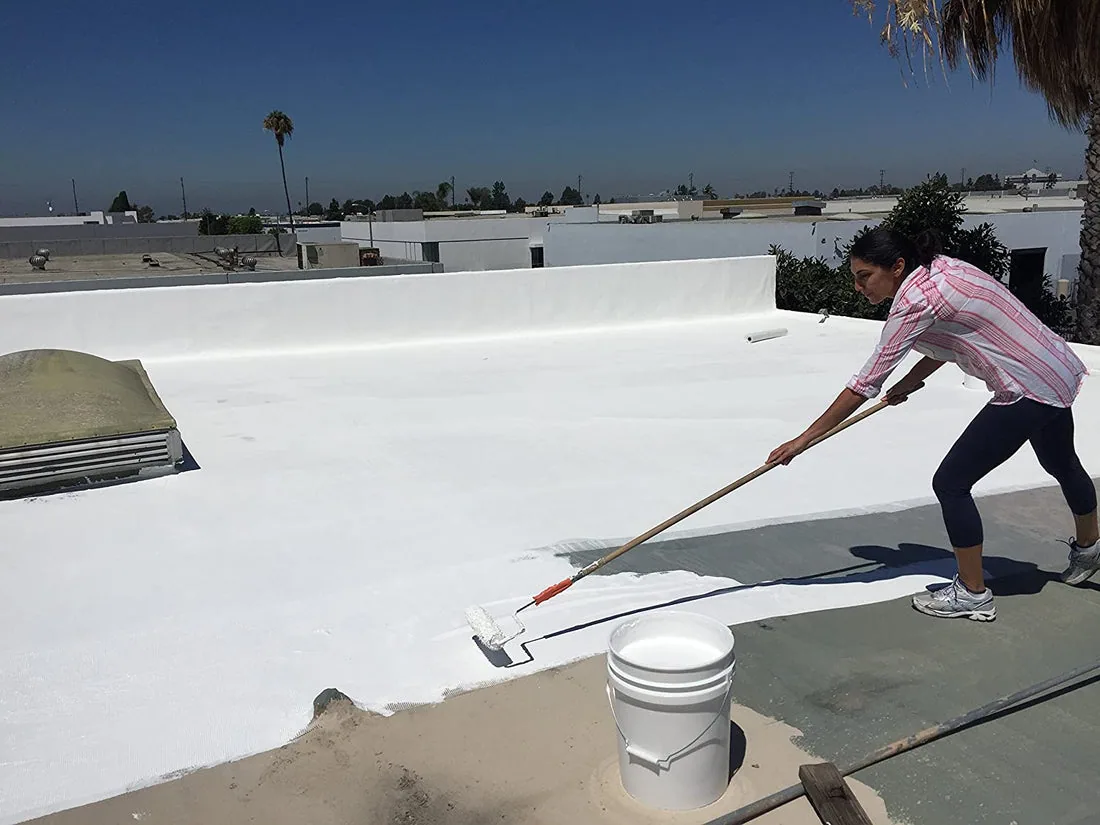
Metal roofs expand and contract, so their seams and flashings have to allow for movement. Standing seam metal roofing repairs look at how each joint is designed to move. Sealing a moving joint rigidly usually leads to a new leak. Silicone roof coatings can extend the life of a sound roof, but only after the surface is cleaned, primed and tested. A coating won't fix loose flashing or wet insulation. Those repairs come first, and the proposal lists them.
Roof-system recommendations around Berkeley and Emeryville depend on the assembly and details actually present at the building. In West Berkeley, many buildings have been re-roofed or added onto over the years, so we start with any records you have and where leaks are showing up. The site contact arranges roof access. We inspect the existing roof before saying a new system is compatible. Another building's roof doesn't tell us what's under yours. The recommendation is for your roof only.
The layers under the membrane matter as much as the membrane itself. Roof insulation and cover board replacement is planned wherever testing shows wet or crushed material. Infrared scans are confirmed with cores before anything is left in place. An engineer reviews structural or load questions. A thicker new assembly can affect drains, curbs and equipment clearances. We work with the building manager to protect the space below. Temporary protection is kept separate from finished work, and we handle urgent calls at night, on weekends and on holidays.
Send us what you know about the existing roof and where the problem areas are. We'll inspect it and explain your options in a plain report with photos.