Spray polyurethane foam roofing in Berkeley, CA: moisture checks, curb and wall flashing prep, foam thickness and UV coating done right on commercial roofs.
Roof Systems | Berkeley, CA
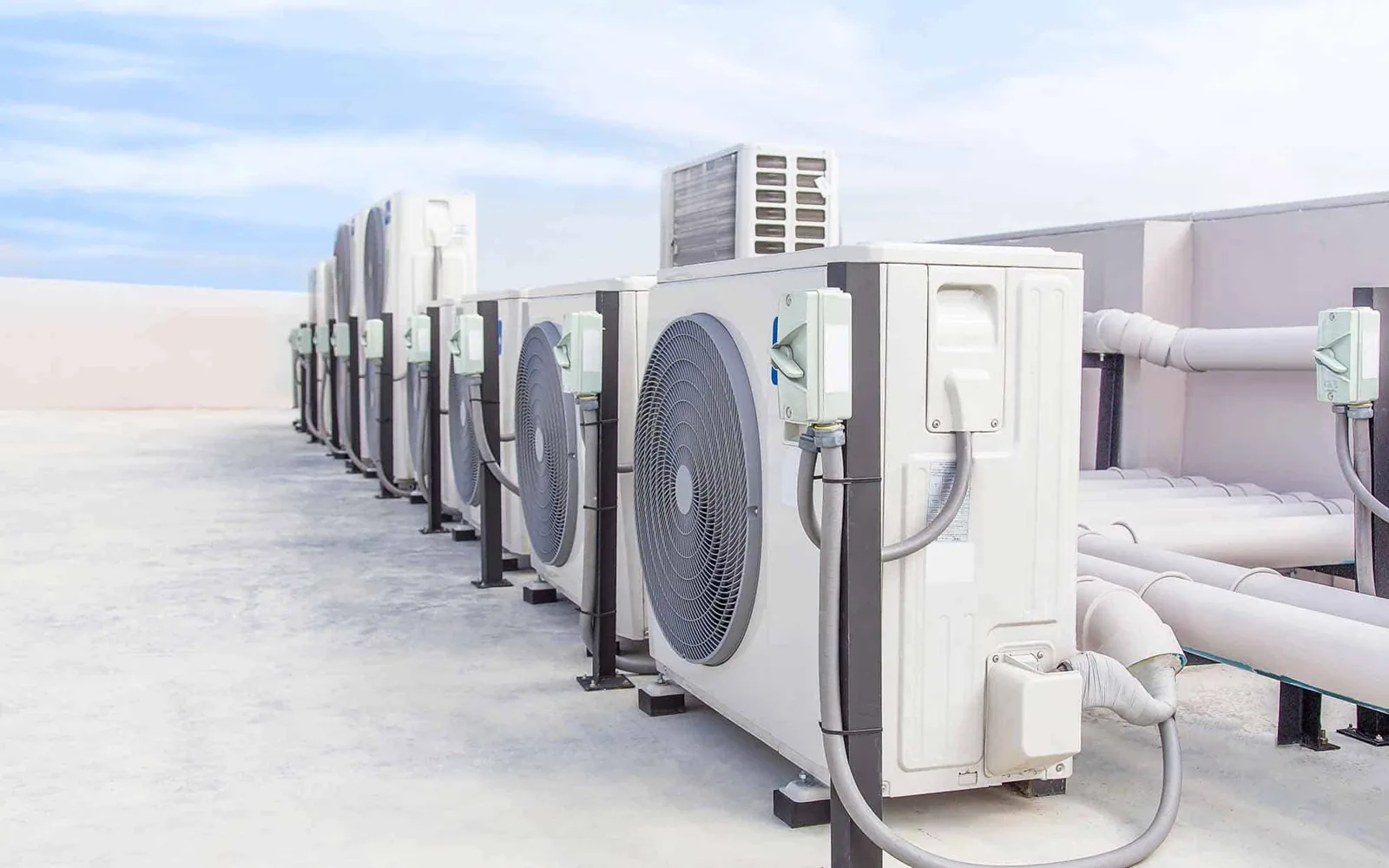
On a retail building, the foam roof’s protective coating has worn through next to a rooftop unit curb, and the foam underneath is starting to weather. Spraying another coat over it may look fine for a while, but if water has already worked into the foam or the substrate below, the problem comes back. Spray polyurethane foam roofing in Berkeley, CA starts with finding out how far the damage goes. On a shopping center roof we also plan around tenant spaces, store hours and the equipment serving them. The estimate covers the foam repair, the curb detail and the coating, not just a square-foot price for spraying.
Spray polyurethane foam can add insulation and create drainage slope, but it depends on a dry, stable substrate. We inspect the existing assembly, locate moisture and review drains, curbs and perimeter conditions before spraying. Berkeley’s winter rain makes drainage and temporary closure important during the work. West Berkeley’s industrial and research buildings can have equipment packed around roof details, so we plan access before setting the spray area and protect adjacent surfaces from overspray.
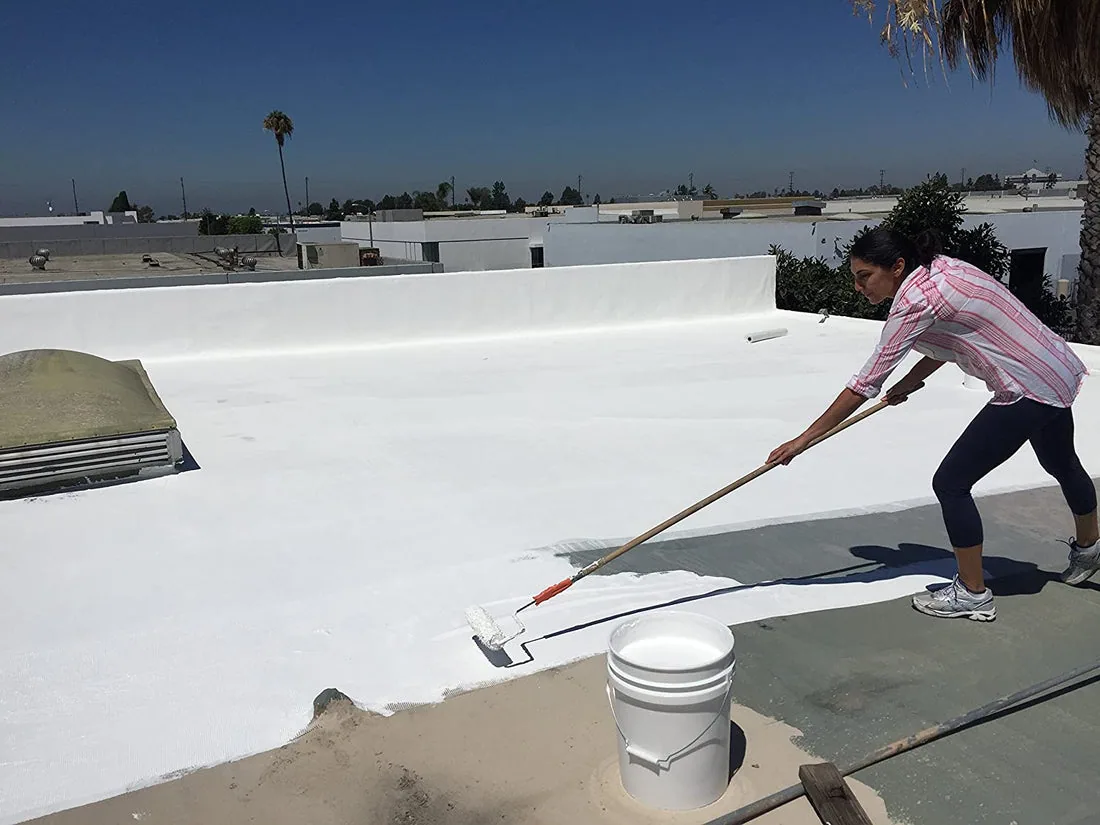
Foam on its own breaks down in sunlight, so every foam roof depends on its top coating. When that coating is cracked, chalked away or peeled back, the foam starts to erode and absorb water. We look at how much of the coating is gone, whether the foam underneath is still firm and closed, and whether water has gotten in. Small areas of damaged foam can be cut out, refilled and recoated. Larger areas may need a fresh layer of foam before the new coating goes on.
Owners often ask whether a silicone coating over the existing foam is enough. On a foam roof that is mostly sound, a silicone recoat is a common and cost-effective choice. The catch is that it only works if the damaged spots are repaired first and the surface is clean and dry. We check that the new coating is compatible with what is already there, and the estimate lists the foam repairs separately from the recoat so you can see where the money goes.
Foam bonds to whatever is underneath it, so the existing roof has to be dry and firmly attached. A smooth surface on top tells us very little about what is below. We run a moisture survey and take cores to check the old membrane, the insulation and the deck. If insulation is wet, it comes out and gets replaced. Spraying foam over wet material seals the moisture in, and that leads to blisters, poor adhesion and rot in the deck over time.
Our roof inspection gives you a clear picture of what we could see and test and what we could not. Sometimes a core shows dry insulation in one spot but the ceiling stain inside suggests water elsewhere. In that case we say so and check further before committing to a price. If we open the roof during the job and find more damage than expected, we measure it, photograph it and get your approval before replacing it. The roof stays sealed at the end of each day while that gets sorted out.
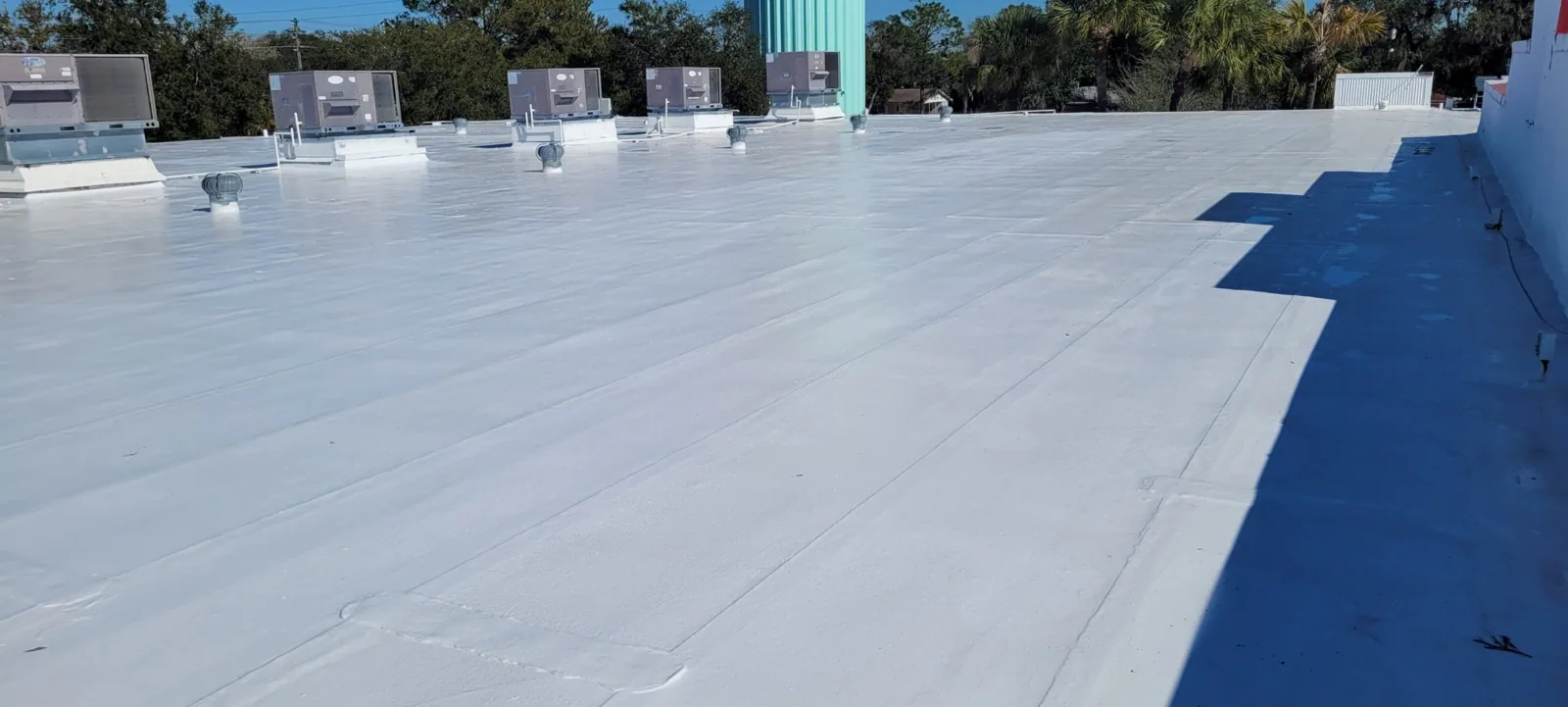
A foam roof is really a system: the foam layer for insulation and slope, and the coating that protects it. Both have to be applied in the right conditions, at the right thickness, with products the manufacturer approves to work together. Foam needs a dry surface and the right temperature and humidity to rise and cure properly. The coating needs its own cure time before rain. We plan the job around those requirements, and we measure foam thickness and coating thickness as we go rather than estimating them afterward.
Some owners compare silicone with acrylic coatings as the top layer. Acrylic usually costs less and is easier to recoat, but it does not tolerate standing water as well. Silicone holds up better where water ponds but is harder to recoat with anything other than silicone later. Either way, the foam repairs and substrate fixes underneath are the same. We price both on the same scope so the comparison is fair, and we recommend the one that suits the roof’s drainage and how long you plan to own the building.
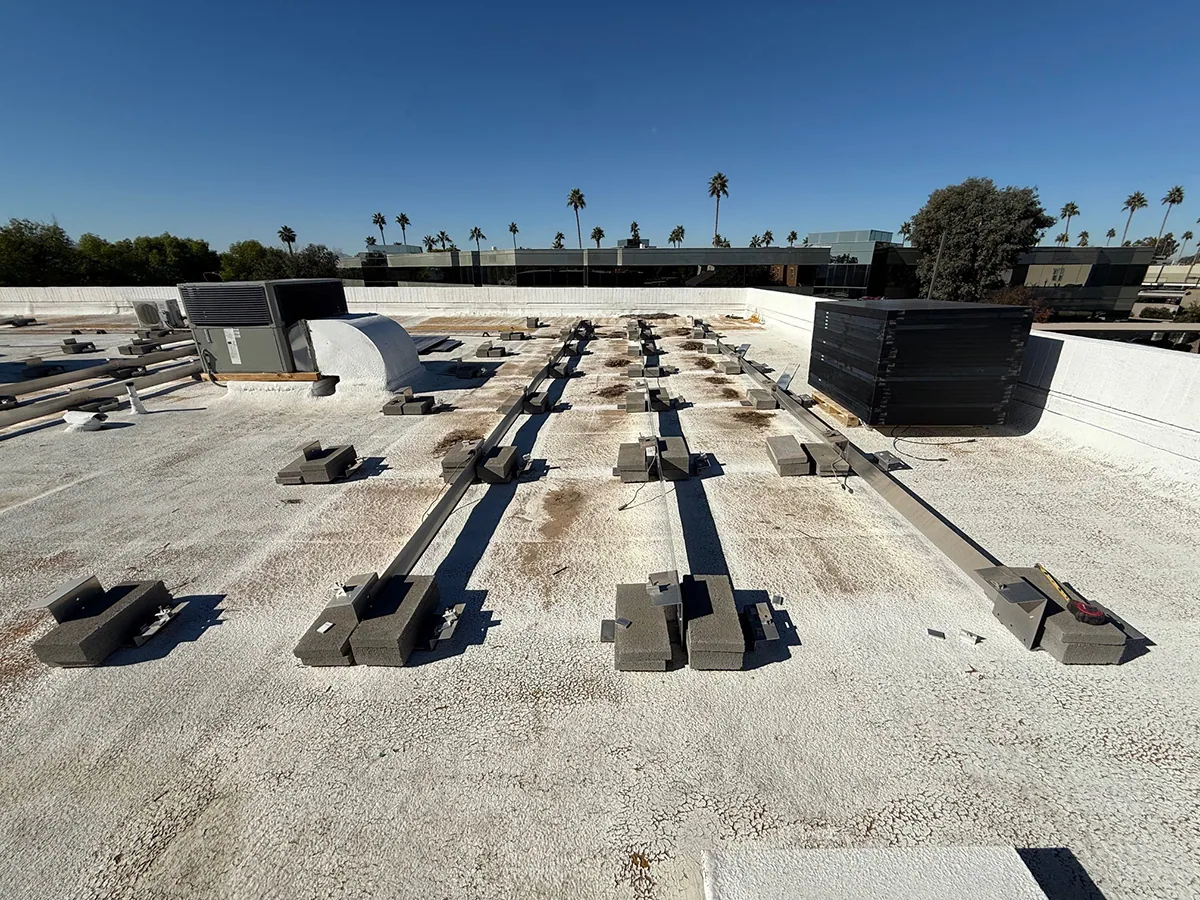
Curbs and walls are where foam roofs most often fail. A damaged curb corner may need new wood blocking or a rebuilt curb before foam can be sprayed up its sides. We measure the curb height against the finished foam thickness, because adding foam raises the roof surface and can leave the flashing too short. If a unit has to be lifted to rebuild the curb, the mechanical contractor handles that, and we coordinate the curb and equipment support work with their schedule. We can foam the rest of the roof and return to that curb once the unit is ready.
On an occupied building, getting material and equipment onto the roof takes planning. Spray rigs need a place to park, hoses need a safe route, and overspray has to be controlled so it does not land on cars, windows or neighboring roofs. Tenants may need certain entrances kept clear. If the roof has to be done in sections, each section is tied in and sealed at the end of the day. We talk through all of that before scheduling so the price and the timeline reflect the building you actually have.
The foam needs a protective coating to shield it from ultraviolet exposure and weather. We check foam density and thickness against the selected assembly, then inspect the finished coating at drains, walls and penetrations. A foam roof in West Berkeley may require coordination with active operations; Emeryville labs have their own service routes. The owner receives a clear record of the prepared substrate, installed foam and protective finish, with any uncorrected detail called out.
Along with photos from each stage, you get a roof plan marking where wet insulation was replaced, where curbs were rebuilt and where foam thickness was measured. Products used are listed by name, so the next contractor knows what is on the roof and what will bond to it. Warranty coverage depends on the manufacturer and the installation, so we go over the actual warranty terms with you rather than promising coverage in advance. A foam roof that gets inspected and recoated on schedule can stay in service for a long time, and that file makes each recoat easier.
Tell us where the coating has worn through or where the leak shows up inside. We will inspect the foam and the roof below it, and give you a plain estimate with photos.
Request a Roof Assessment