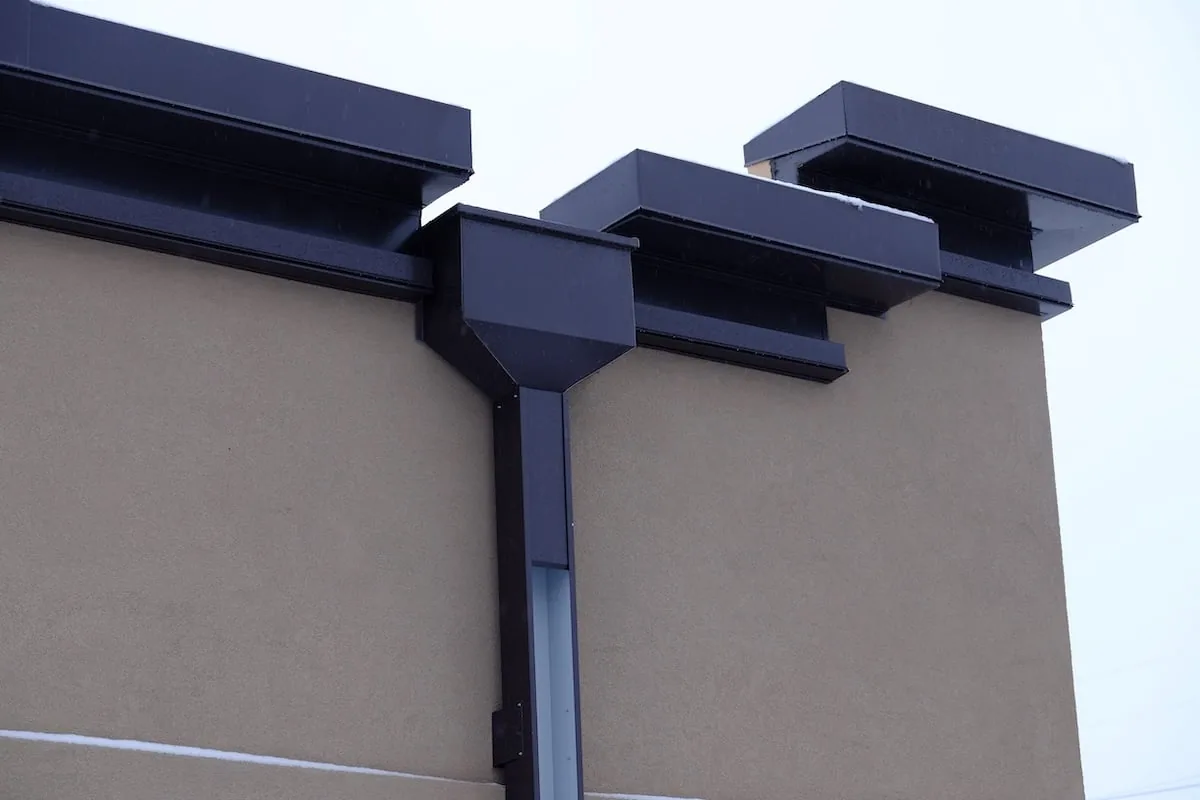
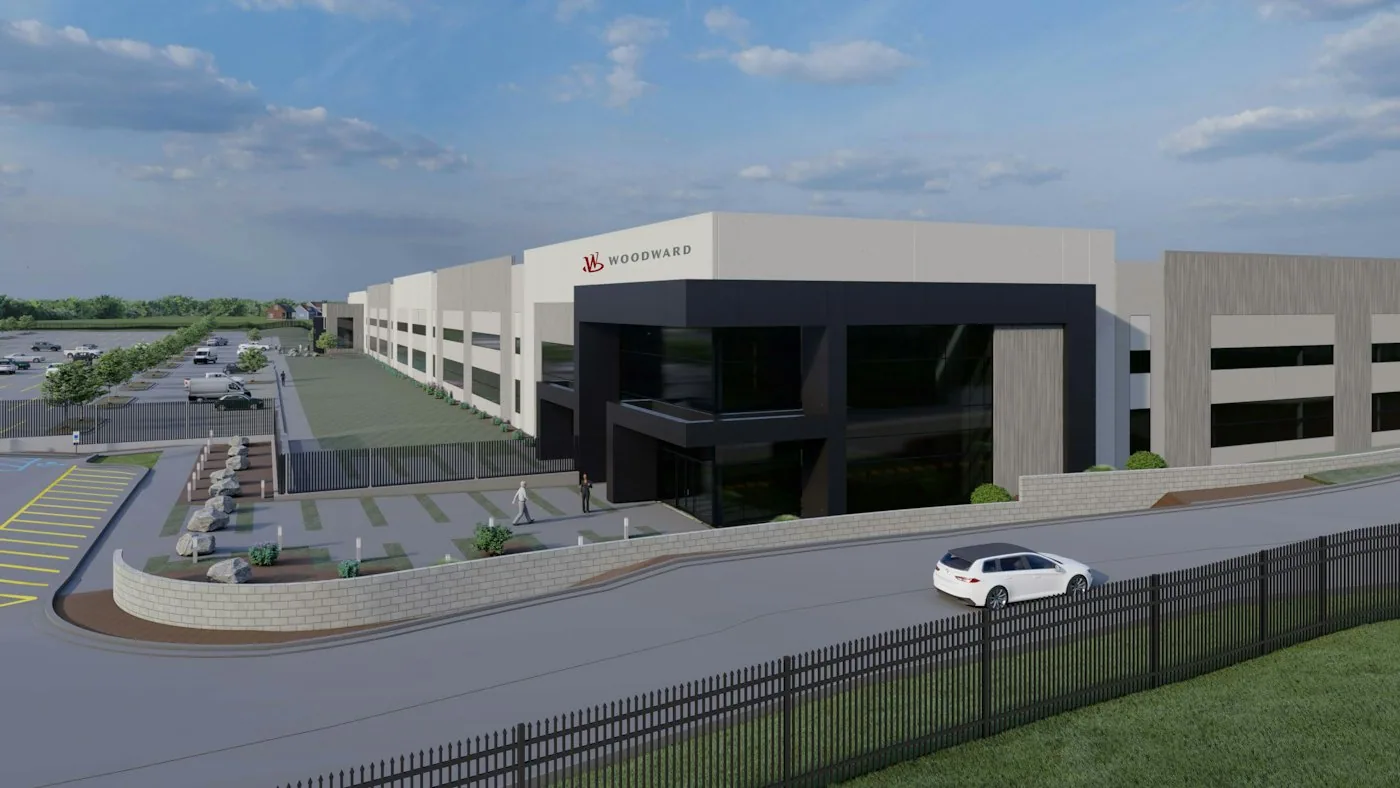
Warehouse roof repair in Berkeley, CA: open seams and laps, wet insulation and drain problems fixed with stored goods and aisles protected.
Property Types We Roof | Berkeley, CA
Warehouse roofs are big, flat and mostly out of sight, so an open seam or lap can leak for a long time before anyone notices. On a warehouse in Berkeley, CA, the first sign is usually a wet pallet, stained cartons or a puddle in an aisle. By then the membrane around the seam may be dirty or damaged, and the insulation under it is often soaked well beyond the opening. A quick patch over a dirty seam usually fails by the next storm.
Before the visit, tell us which aisle is affected and when the water appears. On the roof, we check the seam, the sheets on each side, and nearby curbs, edges and drains, since water can travel along the deck before it drips. If water is coming in now, we can install temporary protection, including nights, weekends and holidays. Your operations manager arranges access and tells us what is stored below. Wet electrical or lighting goes to an electrician.
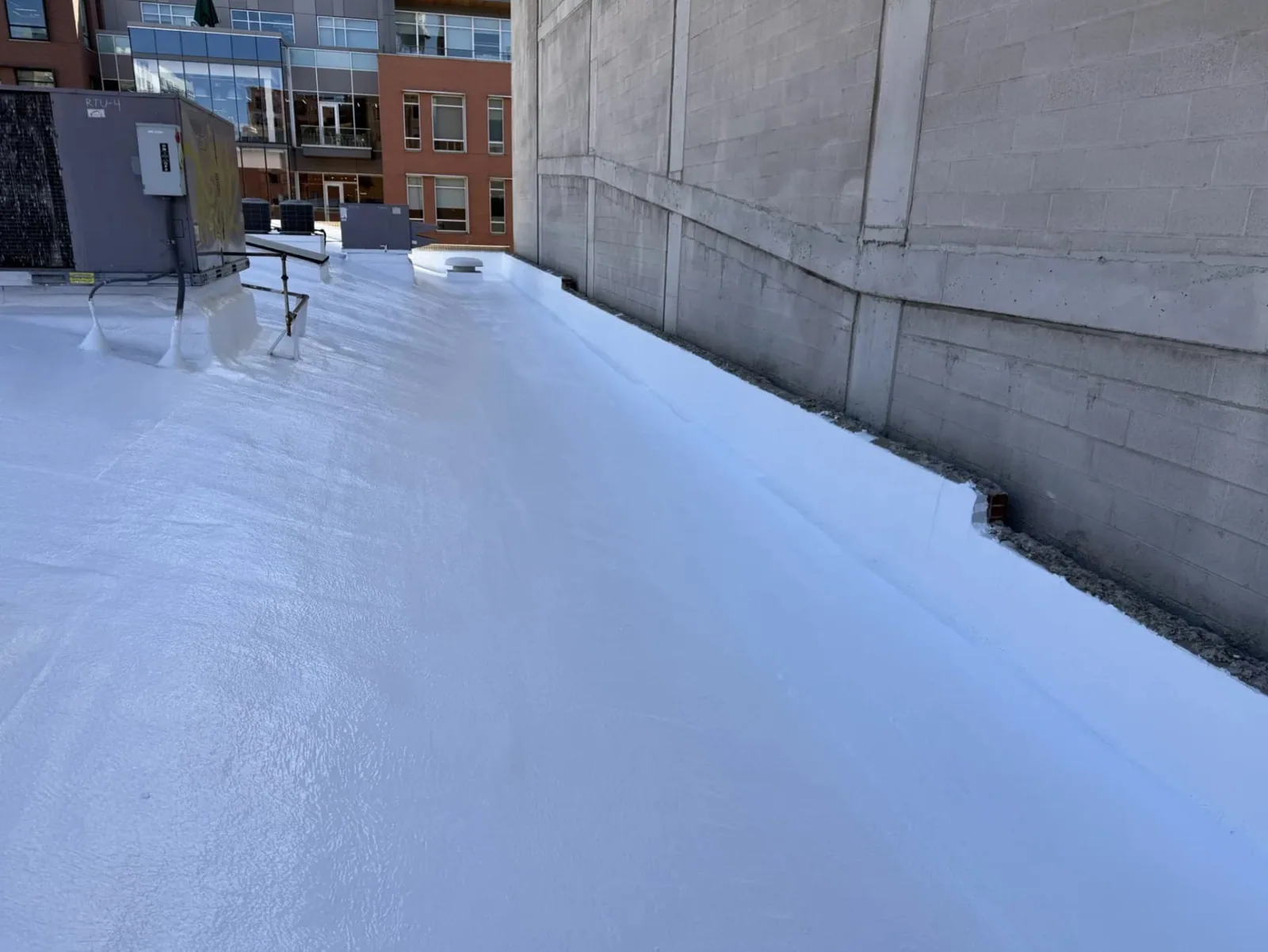
A seam repair only lasts if both sheets are clean and sound. Our seam failure repair cleans the seam and checks the membrane around it. On PVC or TPO, we heat-weld the seam or weld a new strip over it. On EPDM, we use compatible seam tape and primer. On modified bitumen, we use matching bitumen products. Where the membrane is too dirty, brittle or damaged to bond, we cut it out and replace it. The estimate shows that clearly so you are not paying for a patch that will not hold.
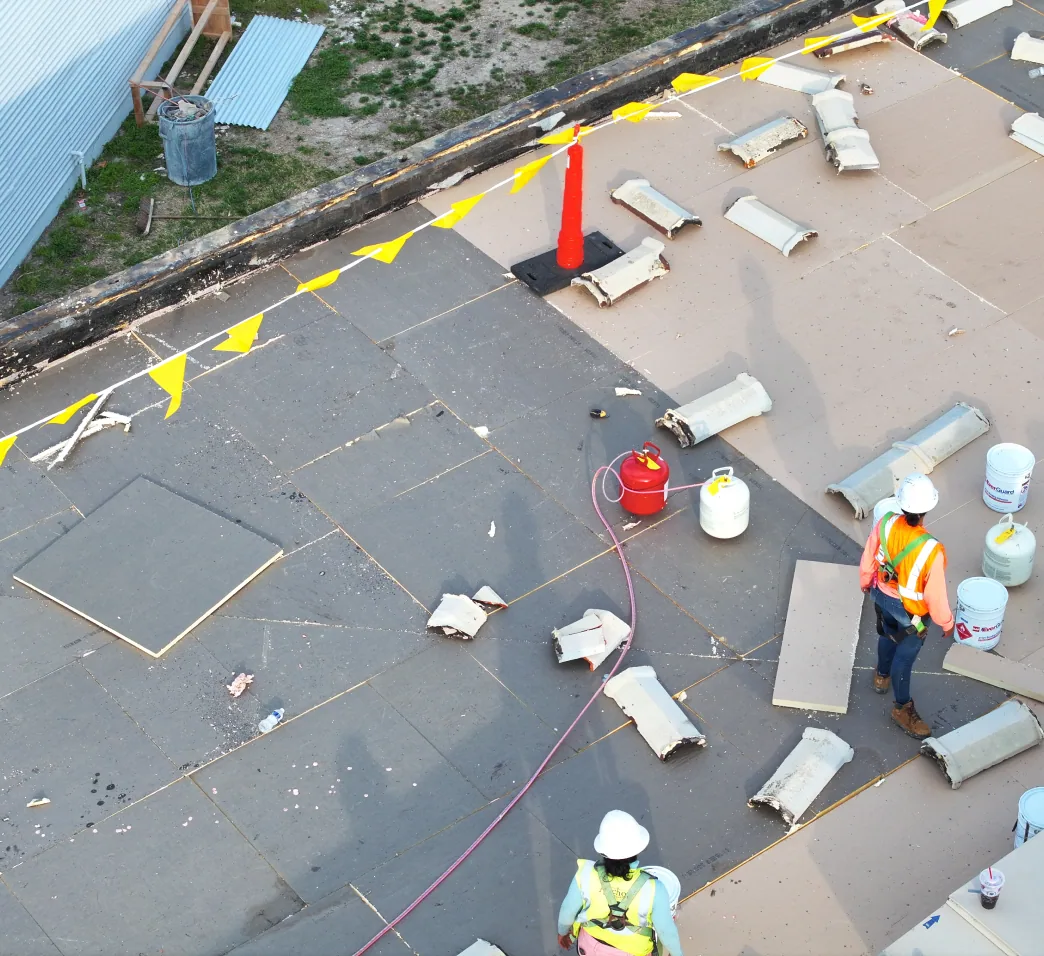
Wet insulation under the seam can turn a small repair into a larger one. A few small core cuts tell us how far it reaches, and each is sealed the same day with stock below protected. Old drawings show how the roof was built, not its condition today. If the wet area is small, the repair stays local; if it is large, a section of insulation and membrane is replaced. Any deck damage goes to an engineer. You see the measured area before approving the work.
Opening a warehouse roof means debris and dust over goods. Our occupied building reroofing plan shows which racks and aisles sit under each day's work, where the lift or crane sets up, and how debris comes down. Your operations team decides which goods get covered or moved, which aisles close and when. Tall racking can make it harder to protect stock, so we plan tarps, netting and access with that in mind.
If the wet insulation turns out to run over another row of racks, we stop, show your manager what we found and agree on protection before going further. That may mean another lift position or a separate day. Every opening is sealed before the crew leaves, and the daily notes say what is permanent, what is temporary and what is still waiting on another trade.
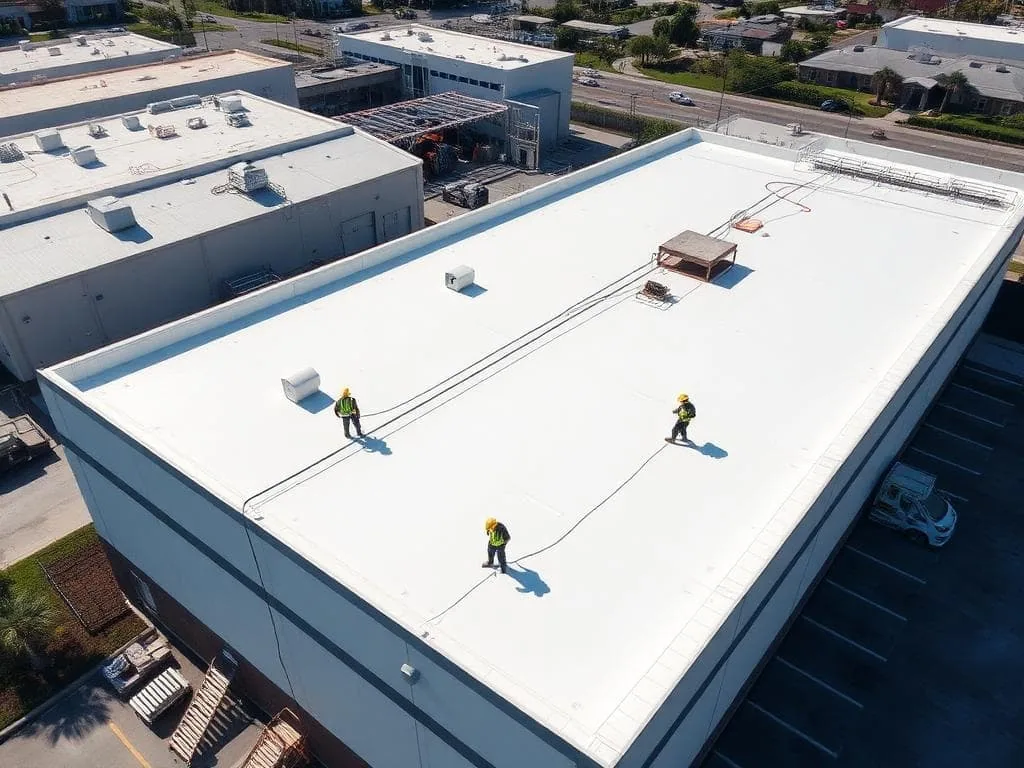
If most of the roof is dry, a roof recover over the existing roof can save money and disruption. Before recommending one, we confirm the wet areas with core cuts so they can be removed, check whether the deck and framing can carry the added weight with an engineer's help, and make sure seams and edges are repaired first. A recover over wet insulation or open seams just traps the problem.
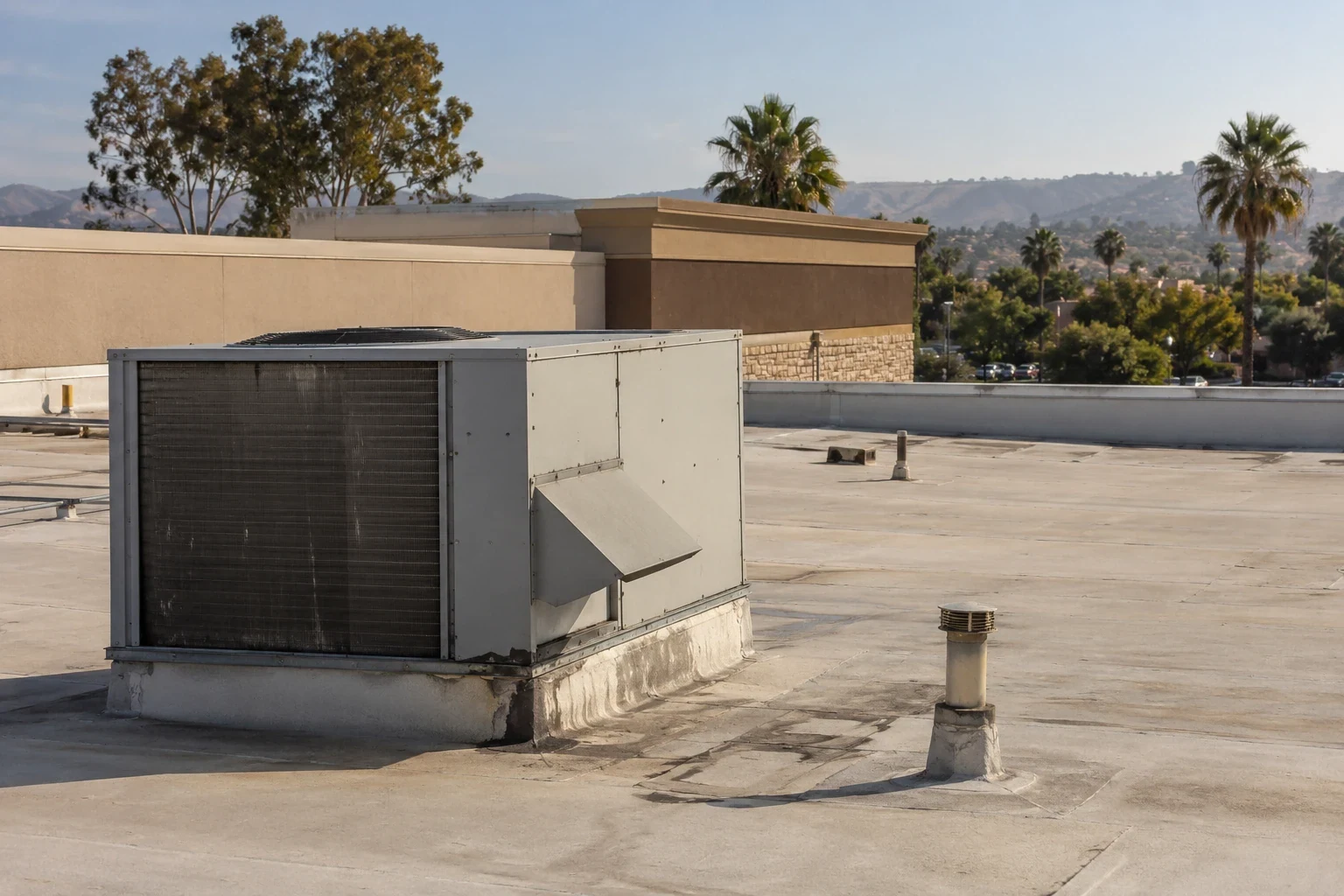
A recover also raises the roof around drains. Our roof drain and scupper repair checks each drain, separates simple cleaning from damaged flashing, and adds drain extensions or tapered sumps where needed. Broken drain bodies or pipes go to a plumber. Rooftop equipment near the drains is coordinated with your mechanical contractor. You get a side-by-side of a targeted repair, a recover and a replacement, each with the drain work included.
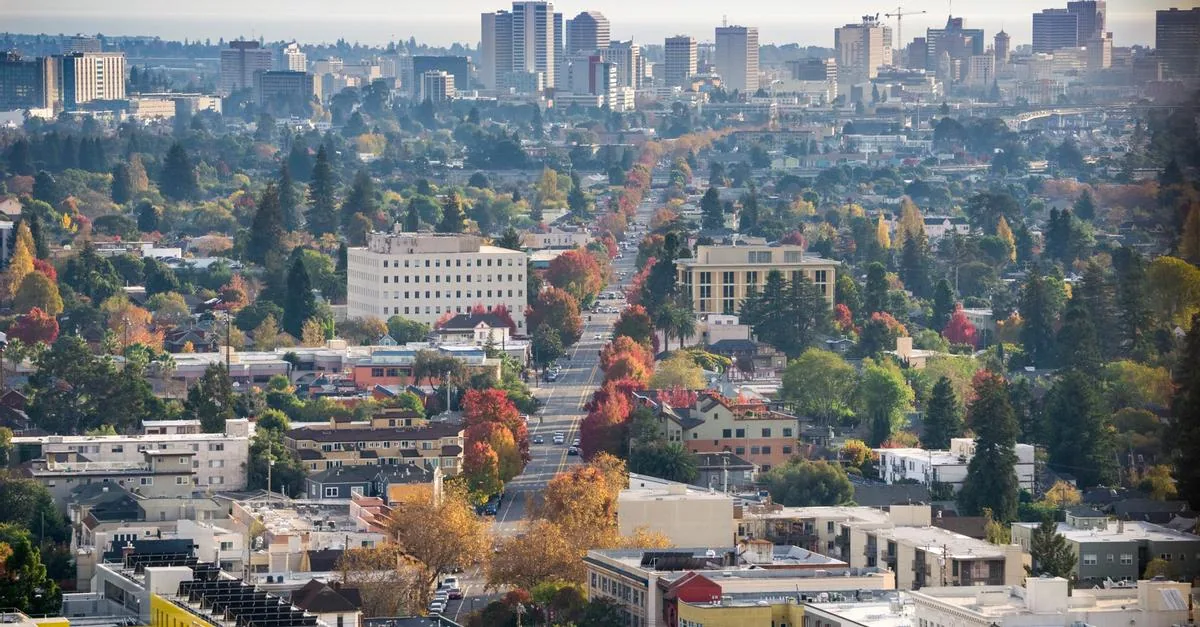
Downtown Berkeley’s commercial buildings sit among shops, offices and public services, but a warehouse roof calls for a different review: we trace drainage, laps, edges and the clear path for removing material above stock. A warehouse roof near downtown Berkeley should be planned around its actual loading arrangement, not the nearest landmark. Before work begins, we agree which aisles need protection and where materials can move without disrupting receiving.
West Berkeley’s former industrial district includes warehouses, production buildings and research uses, with operating areas below many roofs. On a warehouse project, we first map how an opening would expose stock and traffic, then keep the remaining roof dry between shifts. We document the repair boundary, approved protection area and concealed conditions that may change removal. That gives the facility manager a useful record after the temporary cover comes off. A dated roof sketch can show the final repair edge beside the stock aisle.
Manufacturing plant roofs add more equipment and running production below. For a warehouse, the closeout package includes photos of each repaired seam, any replaced insulation and repaired drains, plus a roof plan marking them against your aisles. Temporary repairs are labeled, and anything left for a plumber, electrician or engineer is listed separately.
Distribution center roofs have similar seams and drains but more traffic and tighter schedules. For your warehouse, the roof plan gives maintenance staff a simple reference. If an aisle leaks later, they can check whether it sits under a seam we repaired and send us photos so we can respond quickly. A roof walk each fall catches most open seams before the rains.
Tell us which aisles are affected and send any roof drawings you have. We will walk the roof and send a photo report with a clear repair plan.
Request a Roof Assessment