Silicone roof coatings in Berkeley, CA: adhesion testing, moisture checks and seam and curb repairs before any coating goes down, so the restoration actually lasts.
Roof Systems | Berkeley, CA
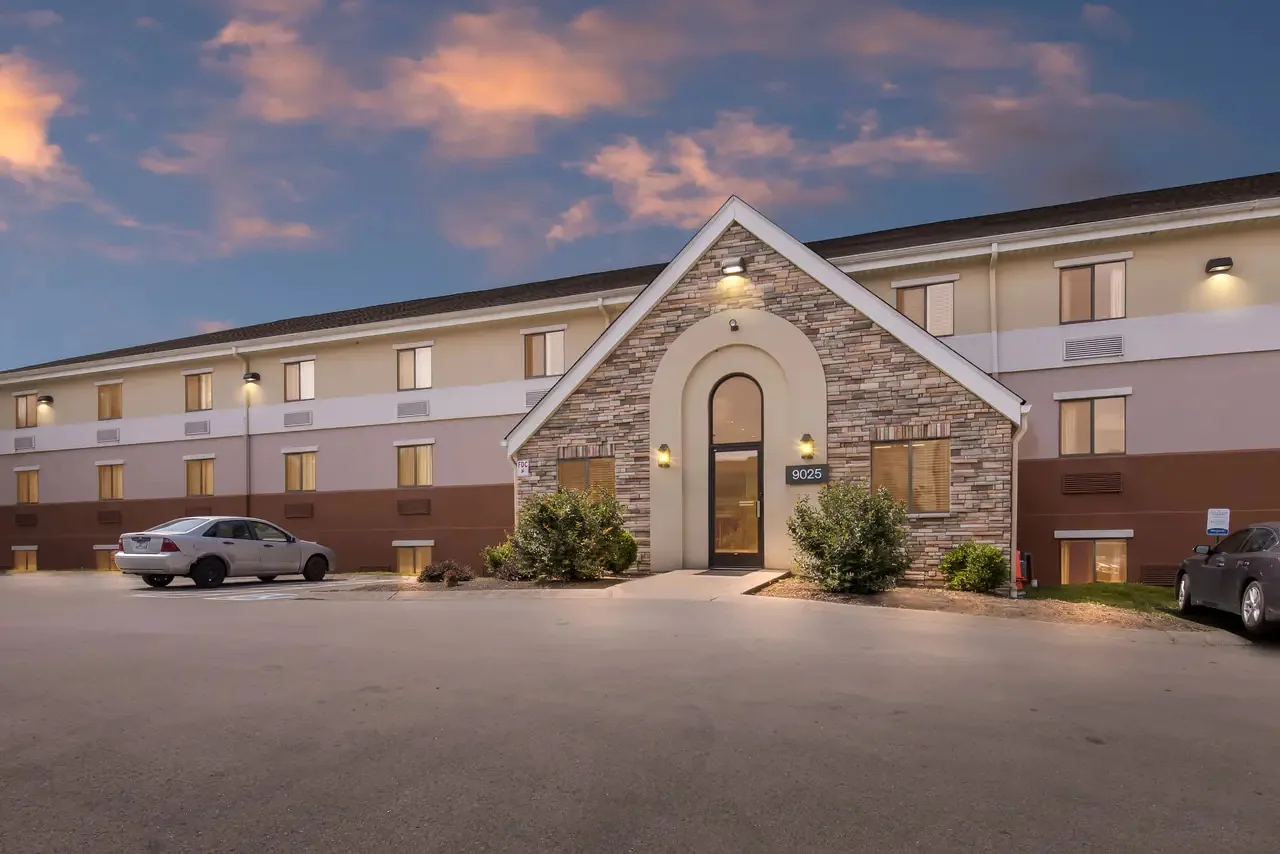
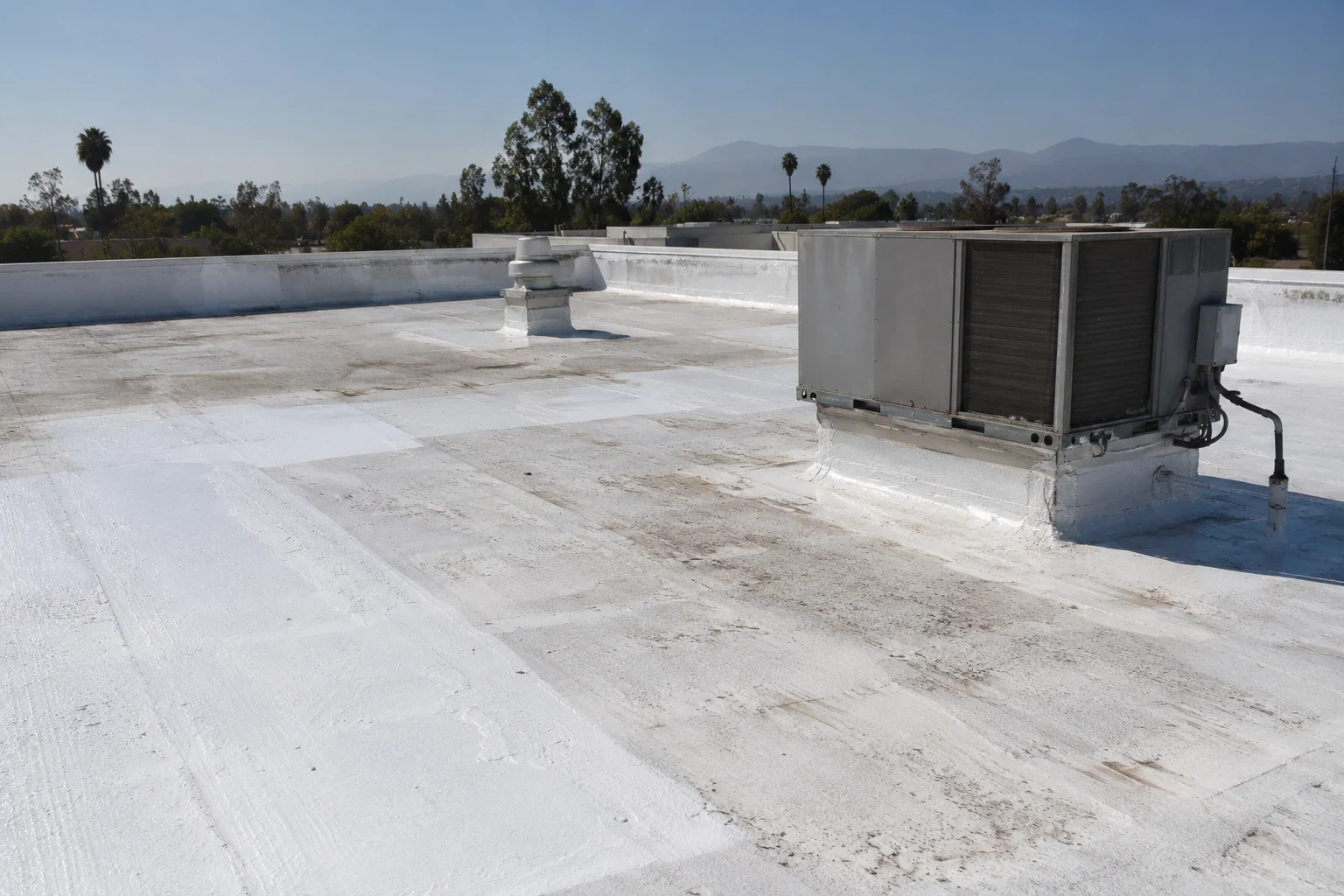
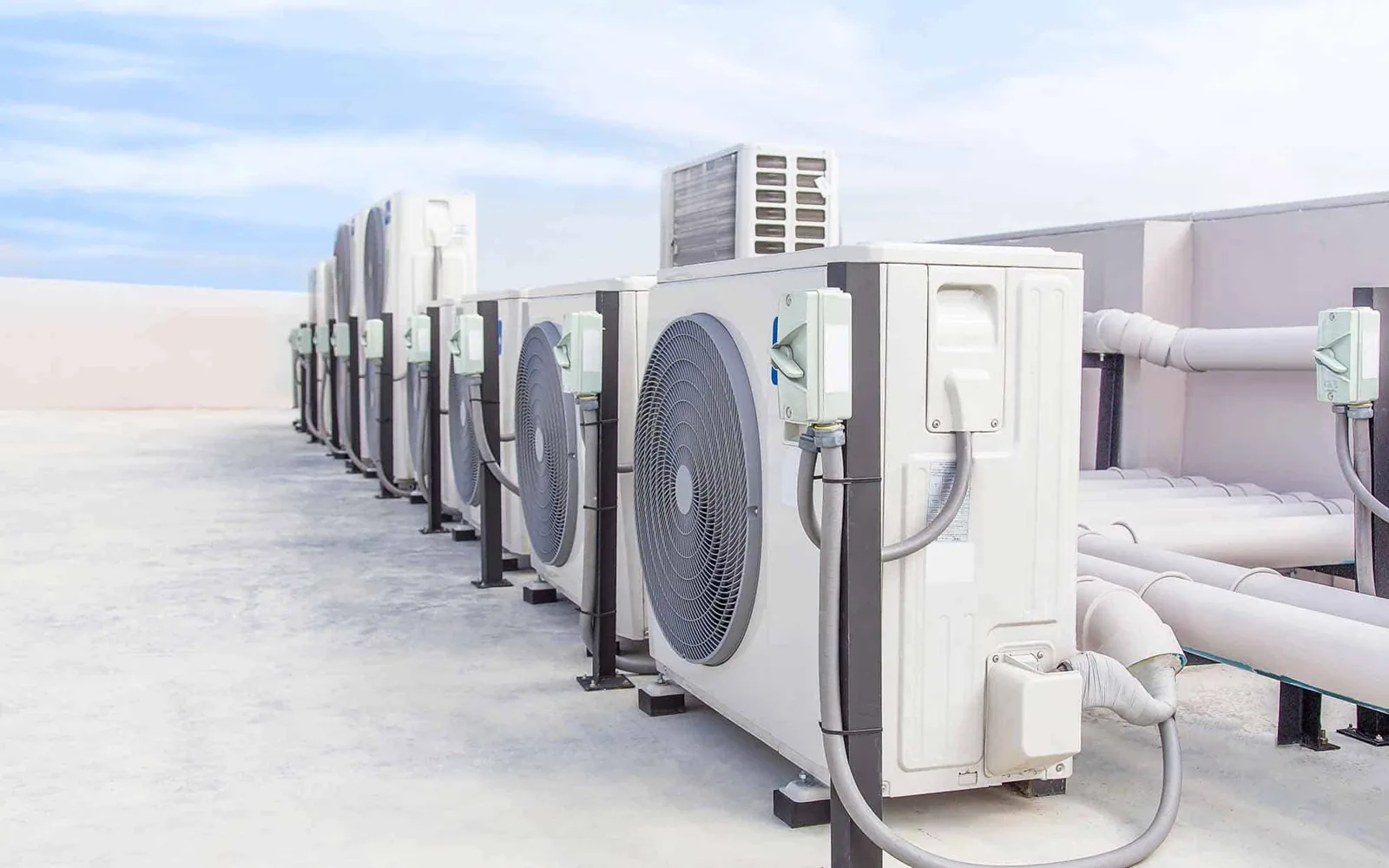
A typical call goes like this: a hotel roof was coated years ago, the coating has worn thin, and it has pulled away around a rooftop unit. Water is getting in at that edge. Before anyone talks about a fresh coat of silicone, the open detail has to be repaired properly, because silicone will not seal a curb that is already failing underneath. We look at the roof surface, the layers below it and every penetration before we price a restoration. On a hotel roof, we also plan around guest rooms and the units that serve them. The estimate spells out which repairs come first, how the surface gets prepared, and how many square feet will actually be coated.
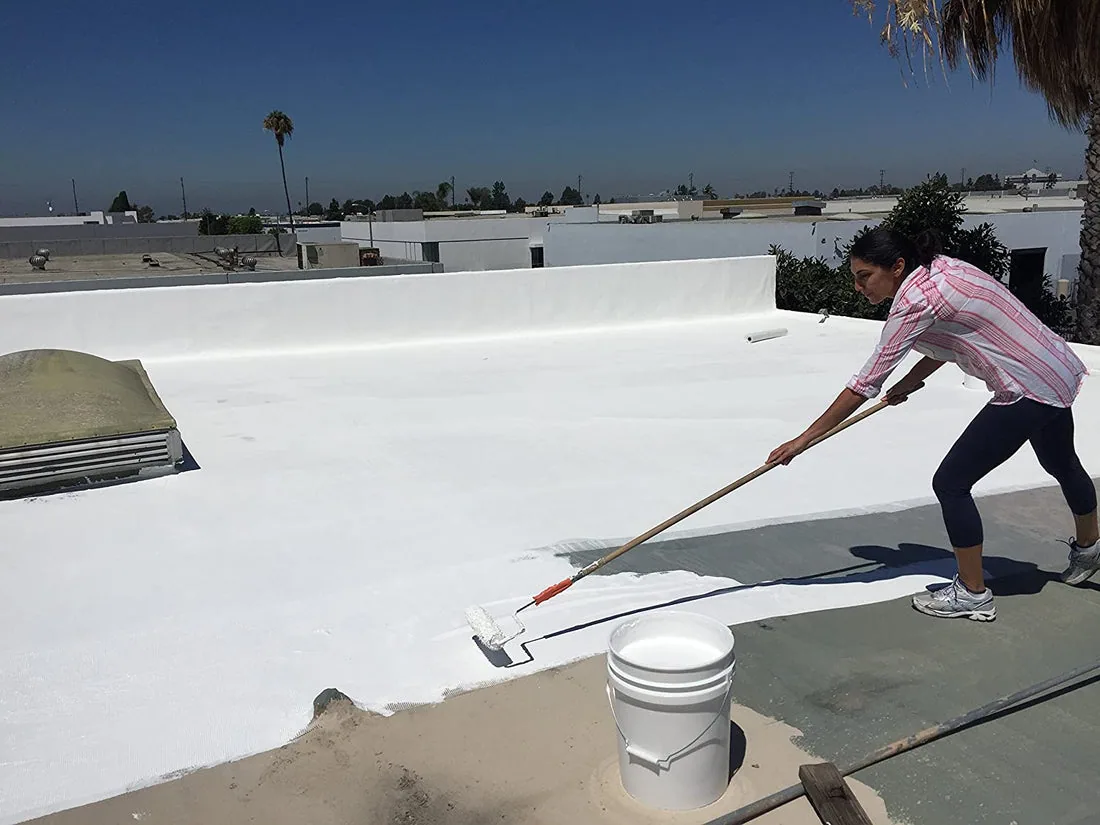
Silicone can renew a roof only when the existing surface is suitable and the coating can bond to it. We examine adhesion, prior coatings, open seams and ponding before choosing broad application or localized repair. Berkeley’s Bay fog and winter rain can expose weak edge details after a dry summer. West Berkeley’s industrial and laboratory roofs have different substrate histories, so we test the material actually present instead of assuming a coating family fits every roof.
The first question is whether the roof is worth coating at all. A coating is a surface treatment. It does not fix wet insulation, a soft deck or seams that have opened up. So we start with a moisture survey and core cuts where the readings are suspicious. If sections of insulation are saturated, they get cut out and replaced before any coating goes on, because silicone over wet material traps the water and the blistering starts within a season or two.
We also check the membrane itself. If it is brittle, split or missing in places, those areas need real restoration repairs first: new membrane patches, re-sealed seams, new flashing where the old flashing has failed. Coating manufacturers publish which substrates they accept and how they must be prepared, and we follow those requirements. When the roof qualifies, the estimate separates the repair work from the coating work so you can see what you are paying for. When it does not qualify, we tell you that, and explain what a re-cover or replacement would involve instead.
Most older roofs have been patched over the years, often with whatever the last contractor had on the truck. That matters because silicone does not stick to everything. Some asphalt-based patching compounds bleed through, and old acrylic coatings may need a primer or have to be removed. We identify what is actually on the roof, run adhesion pull tests on the existing surface, and choose a primer and coating combination the manufacturer approves for that substrate. A product name on a spec sheet is not a guarantee that it will bond to your particular roof.
Owners often ask us to price acrylic coatings next to silicone. That is a fair comparison, but the two behave differently. Silicone handles ponding water better; acrylic is usually less expensive and easier to recoat later. Each needs its own preparation and its own accessory products at seams and flashings. We price both on the same roof area with the same repairs underneath, so the difference you see is the real difference between the products and not a difference in how much work was left out.
The worn edge around the rooftop unit is a good example of where a coating alone falls short. If the curb flashing has split or pulled loose, the fix is to remove the failed flashing, check the wood blocking and deck around the curb, replace anything rotten, and install new flashing before the area is reinforced with fabric and coated. Sometimes the damage runs farther than it looked from the surface. When that happens we stop, measure what we found, show you photos and agree on the added cost before going on. The roof is closed up at the end of each day either way.
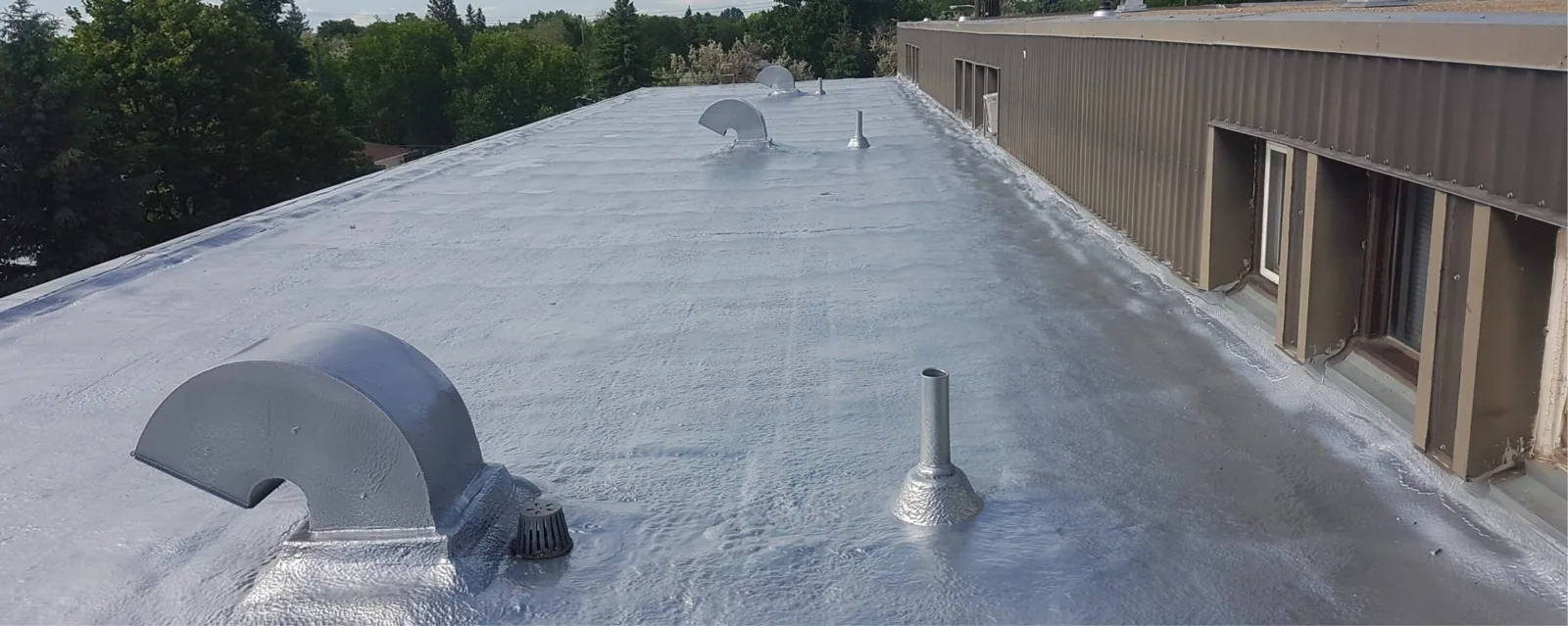
If the roof is badly worn or poorly drained, spray foam roofing may be a better fit than a straight coating, since foam adds insulation and can build slope toward the drains. Foam also needs a protective coating on top, so the comparison is really foam plus coating versus coating alone. Either way, the existing roof has to be dry and sound enough to hold the new material, and the curbs and walls have to be properly flashed. We explain which option suits the roof you have rather than steering toward one product.
Rooftop equipment often controls the schedule. If a unit has to be lifted or disconnected so we can rebuild the curb flashing under it, the mechanical contractor needs to do that, and their timing sets ours. We coordinate with them early and make sure the curb and equipment support work is on the calendar before the coating crew is booked. If that one unit is not ready, we can coat the rest of the roof and come back to finish that detail, but we leave it temporarily sealed and clearly noted rather than pretending it is done.
Coating also needs dry weather and a clean, dry surface, and it needs a way to get material onto the roof. In an occupied building, that can mean limited hours for using the hoist, protected walkways for staff and guests, and smaller work zones each day. We talk through those limits before we schedule, because they affect labor more than the coating itself does. A realistic schedule accounts for weather windows, cure times, equipment moves and building access, not just the number of gallons on the delivery ticket.
Coating preparation includes cleaning, repair of failed connections, reinforcement at details and protection of drains and equipment. We verify the dry, bonded surface and the selected system’s application requirements before covering it. A downtown Berkeley silicone restoration should preserve access to rooftop units and discharge paths; Oakland commercial roofs bring other operating conditions. The completed record identifies prepared areas, repairs beneath the finish and any interface left for separate work.
When the job is finished, you get photos of the roof before, during and after the work, a marked roof plan showing where insulation was replaced and where seams and flashings were repaired, and the coating thickness readings we took. If any detail is still waiting on another trade, it is listed separately. Warranty terms depend on the manufacturer, the product and the preparation they require, so we walk you through the actual warranty document rather than making promises up front. Keep that file. The next time someone works on the roof, it shows exactly what was done and where.
Tell us where the leak or worn area is and send any records you have on the roof. We will inspect it, test the existing surface, and give you a plain estimate with photos.
Request a Roof Assessment