A loose roof edge on a Berkeley building can be hiding more than it shows. The metal may look fine while the wood nailer behind it has rotted, and that changes the repair. Our approach is simple: get on the roof, look at the membrane and what's underneath, and explain what we find in plain language before recommending anything. We tell you what can stay, what needs to be rebuilt and why. If the work will be over occupied space, we plan it with the building manager so tenants, staff and equipment below are protected.
Commercial Roof Repair Berkeley handles commercial roofing work around Berkeley and the nearby East Bay. When you call, tell us where the leaks or damage are and share any roof drawings, warranties or repair history you have. We schedule a visit with whoever can provide roof access. On the roof, we compare the seams, flashings and drains with what's happening inside. If the problem is really with an HVAC unit, a wall or the plumbing, we say so and point you to the right trade. Every finding is tied to the spot on your roof where we found it.
Water showing up in a room doesn't always come from the nearest spot on the roof. A commercial roof inspection checks the seams, flashings, curbs and drains above and around the reported leaks. Drawings help us understand how the roof was built, but they don't show its current condition. If a seam has opened, the membrane around it has to be in good enough shape for a permanent repair, and the insulation underneath may need checking too. We explain what we found, what it means for the repair, and whether anything needs another trade.
A damaged surface doesn't tell you how far water has spread underneath. An infrared moisture survey can map likely wet areas across the roof, but the results depend on the roof type and weather conditions at the time of the scan. Where a decision depends on it, we confirm with test cores. Any core we cut is patched properly afterward. We coordinate with the building manager before cutting above occupied space. The report shows where wet insulation is confirmed and what still needs checking, so the repair budget is based on facts rather than a vague contingency.
A small failure can often be fixed locally once damaged material around it is cut out. Commercial roof repair means tying the new work into sound membrane and solid substrate. TPO and PVC repairs are heat-welded to clean, compatible material. EPDM and modified bitumen have their own methods. Caulk smeared over a curb won't fix rotted wood behind the flashing. If a wall or equipment problem has to be fixed first, we say so and plan around it. You get a price for the complete repair, not just the visible patch.
Bigger jobs bring more to plan. Commercial roof replacement means checking what's underneath once the old roof comes off and planning the edges, drains and curbs along with the new membrane. Structural and load questions go to a design professional. A thicker new roof can change the height at drains and equipment curbs, and drainage changes may need design review before the new layers go down. Sound areas of the existing roof aren't automatically worth keeping. We explain what's being kept or replaced at every edge and opening, and why.
Opening a roof can affect rooms beyond the one with the leak. Occupied building reroofing lays out how much roof will be open, how debris comes down and how materials go up, so the building manager can review it. The manager decides what needs protection below and when we can work. Equipment remains the mechanical contractor's responsibility. If one area depends on other trades finishing first, we schedule around it. The proposal shows how each section of roof work relates to the spaces below, so everyone knows what to expect each day.
If we find more damage once the roof is open, the work area may grow over another room. We show you the extra area before opening it, and the building manager confirms protection for the new space. Tight crane access or long carry routes can add labor beyond the material cost, and we tell you up front. Temporary patches need sound membrane to stick to. If a design or structural question is still open, we keep that area temporarily protected until it's answered. Finished work and temporary protection are always clearly separated.
Berkeley and Oakland roof visits should begin with the actual building and roof area whose conditions need attention. In downtown Berkeley, that usually means an office, retail or mixed-use building with tenants below, and we start with the address, where the leaks are and any roof records. The building contact arranges access and any protection needed inside. We check the existing roof before recommending a permanent fix. A neighboring building's roof tells us nothing about yours. Visits around the area can be grouped, but each building gets its own findings.
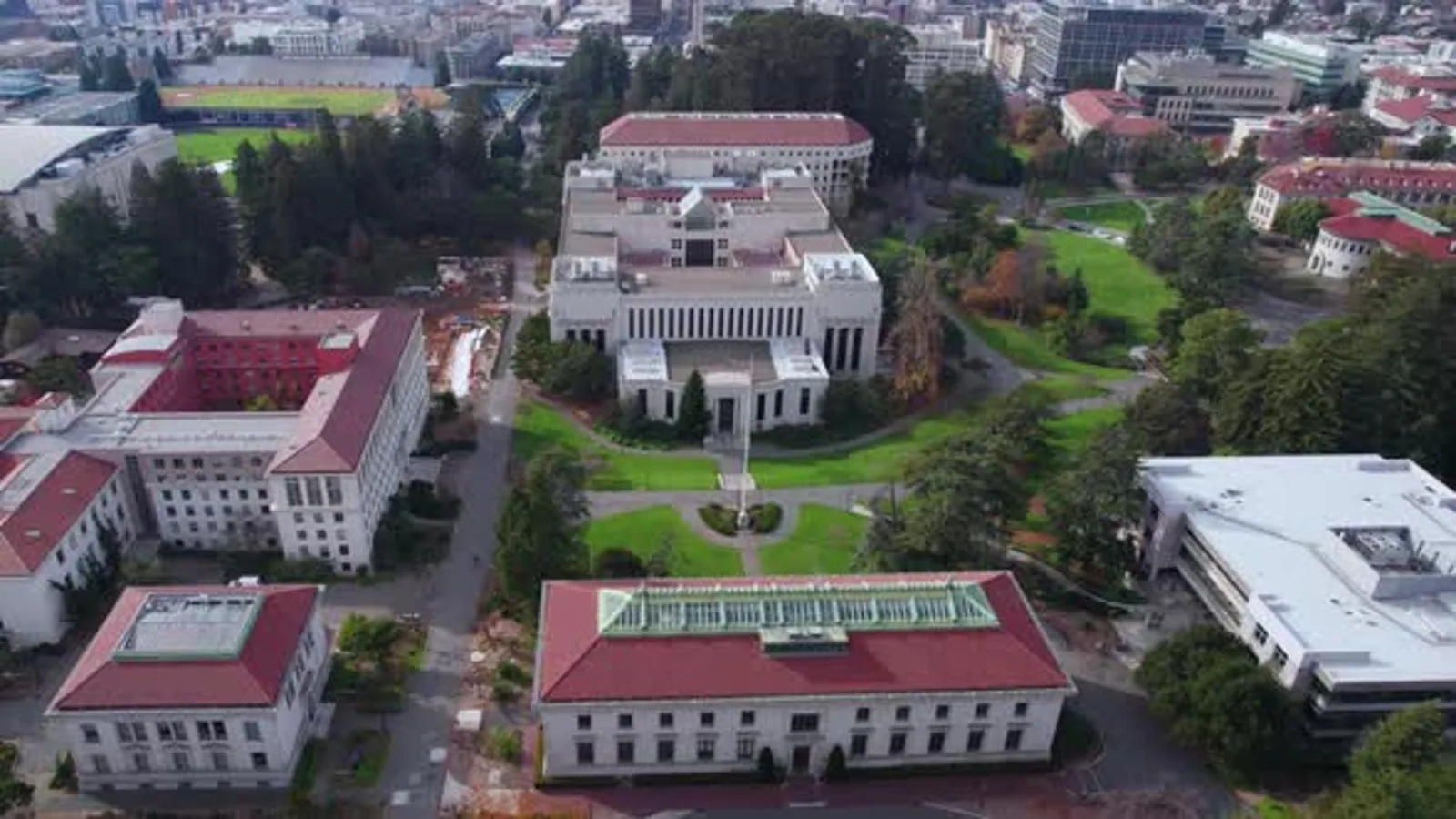
UC Berkeley's campus is divided into Campus Park, Hill Campus and Clark Kerr Campus. Institutional work there still starts with the specific building and the specific roof area that needs attention. We need records showing the problem area and the rooms below. The building's facilities staff arrange access and protection. We check the membrane and substrate before recommending a permanent repair. If equipment work is needed first, that's coordinated with the right trade. A campus name doesn't tell us anything about the condition of a particular roof; the inspection does.
Different buildings need different protection while the roof is open. Warehouse roofing jobs plan around stored inventory and crane lifts. Medical office roofing takes patient areas and rooftop air handlers into account. Each roof has its own access and substrate issues. Final photos show the permanent repairs and where they tie into the existing roof. Equipment performance stays with the mechanical contractor. Open structural or interior questions are listed with the trade responsible. If a leak shows up later, it can be traced back to the photographed detail.
Your file should explain what we did and why. Roof condition reports connect what we found with the work we recommended or completed. Temporary repairs are listed separately from permanent ones. Anything still waiting on other trades is noted alongside the finished roof work. We take urgent calls at night, on weekends and on holidays, and the building contact arranges access for each visit. If electrical equipment is involved, a qualified electrician handles it. The result is a record you can return to for your next maintenance review.