Local weather advisory
The National Weather Service has issued a coastal flood advisory covering Berkeley. Heavy rain and drainage loading can expose roof leaks, blocked drains, and ponding water. This is a weather exposure advisory; it does not establish damage to a specific roof.
Do not access a roof during hazardous weather. Protect people first, avoid water near electrical equipment, and request roofing help when conditions permit.
National Weather Service · Updated Oct 28, 2026, 7:20 AM UTC
Berkeley roof services reach Port of Oakland assignments with support and seam checks. We define equipment coordination, access and permanent repairs.
Service Areas | Berkeley, CA
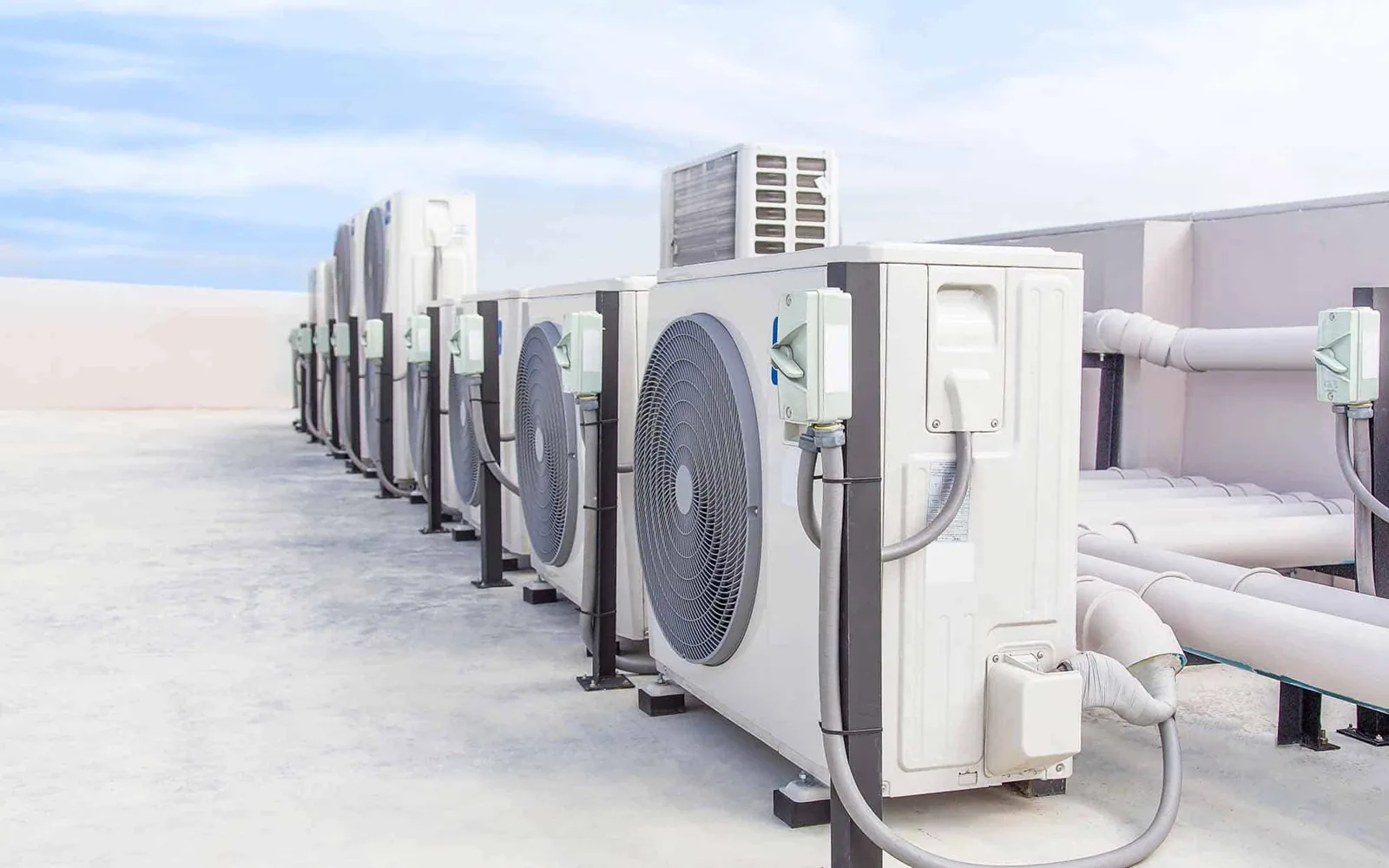
Under a rooftop support, crushed roofing can invite water entry. We inspect and repair assigned commercial roofs near the Port of Oakland from Berkeley, CA. A displaced support may concentrate pressure where the membrane needs protection. The equipment above can also pull against its roof connection. We examine both conditions before recommending a patch. The owner needs a correction that deals with the support as well.
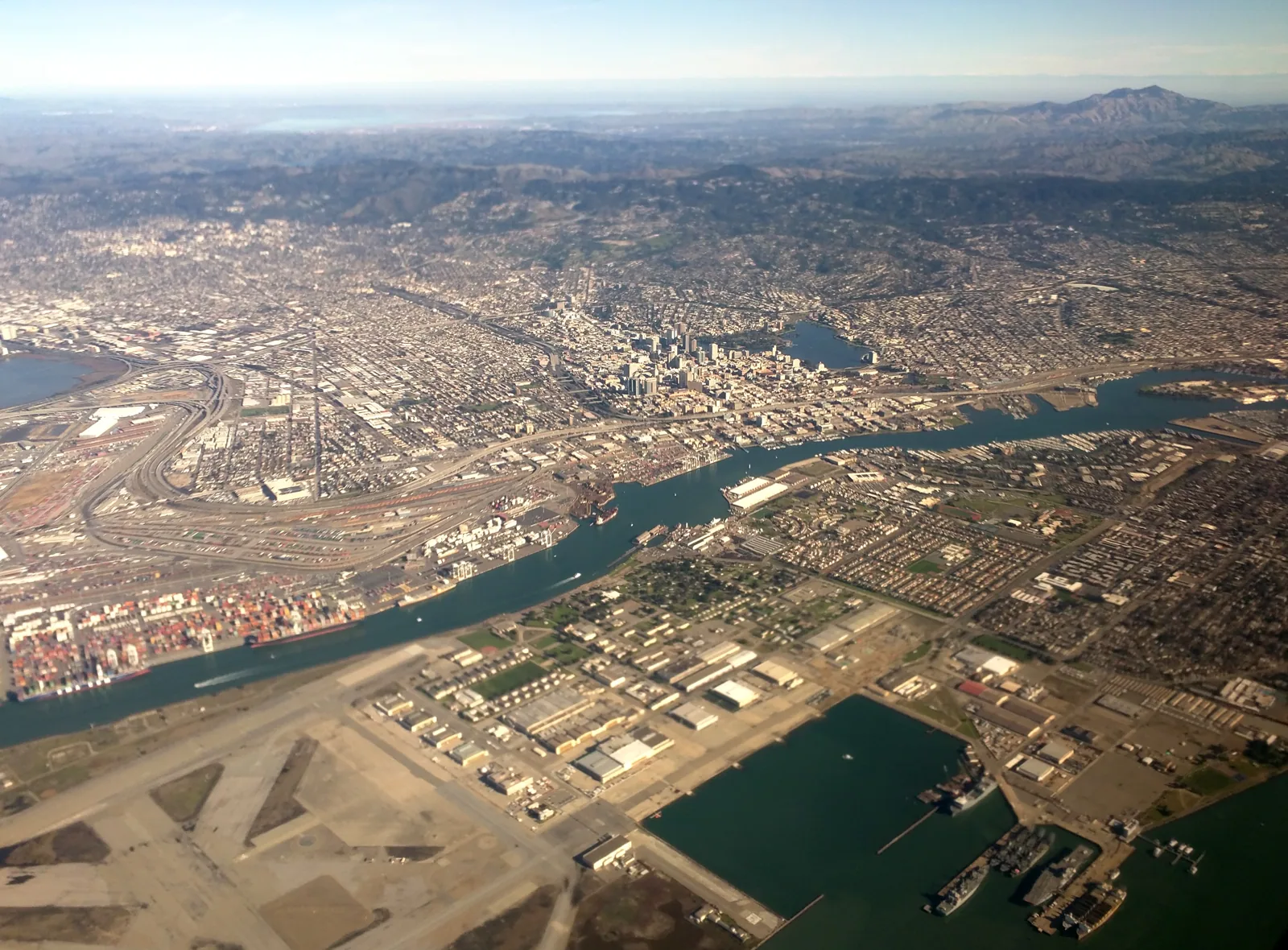
The Port of Oakland operates the seaport, Oakland International Airport, and more than 875 acres of waterfront real estate, including Jack London Square and Airport Business Park. Those places include different commercial properties. A roof project still depends on the assigned building, its facility contact, and permitted access. Before scheduling, we confirm the property and material route for the work. The equipment-support repair connects waterproofing findings with the support condition at that particular roof.
An indentation beside a support can show concentrated bearing pressure. We inspect whether its base sits level and remains properly supported. A narrow bearing point may damage the membrane or cover board. Displaced protection pads can also expose the sheet to abrasion. We photograph the base and the material beneath its edge. The equipment specialist may need to confirm its support requirements.
A roofing patch should not become the main support for heavy equipment. We identify what must be corrected before new material goes down. That could involve resetting protection or repairing the supporting roof layers. Structural concerns need the appropriate evaluation outside a surface patch. Our roof work for warehouse buildings includes those distinctions where such a building is assigned. The repair follows the actual support configuration found there. A building label cannot settle what the roof carries.
A scuffed sheet may remain different from a puncture through the membrane. We clean and examine the affected area before describing its depth. A soft spot underneath can point to compressed or damp layers. An approved opening can establish the insulation and deck condition. We record that opening against the specific support being examined. The findings then determine whether surface repair is enough.
Water beneath a damaged support may extend beyond the pressure mark. We investigate nearby layers when moisture or deterioration is found. Our repairs to damaged insulation and cover board remove unsuitable material within confirmed limits. New layers need adequate support and a suitable drainage transition. A raised repair should not create a pocket that holds water. We describe those changes before the owner approves the scope. The price then reflects the repair beneath the support, not merely its visible footprint.
A support repair may require lifting the component it carries. That task needs a defined equipment contact and agreed responsibility. We check whether roofing access is possible with the equipment secured in place. Restricted clearance can make a small repair more involved than its area suggests. We explain that constraint beside the material findings. The facility manager can then coordinate the necessary specialist before scheduling.
The Port of Oakland contains multiple terminals along a working waterfront. Each building in this multi-property area needs a roof-access plan suited to its own operation and equipment. Separate properties in Jack London Square and West Oakland have their own access routes and operating needs. The facility contact identifies the building included in the work; material handling and opening size then follow the permitted access.
The old sheet may carry coatings or previous patches near the support. Those treatments can affect the available area for a new connection. We identify the installed membrane and check a prepared receiving surface. The joining method must suit that material and its actual condition. A trial connection can reveal whether removal should extend beyond the damaged spot. We explain that change before installing the final detail.
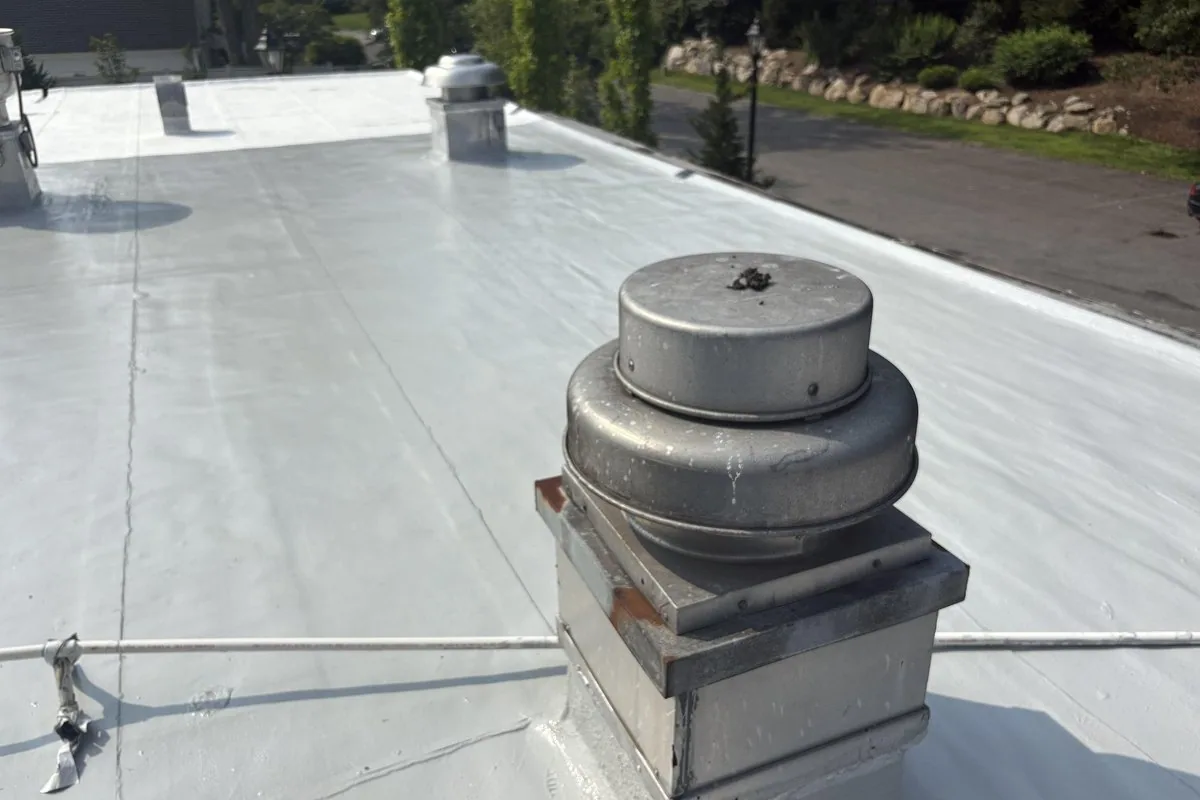
Where PVC roofing is confirmed, the welded repair requires a suitable receiving surface. Rubber and asphaltic assemblies call for other compatible repair methods. The new detail also needs protection against renewed bearing or rubbing. We separate that protection from the waterproof membrane underneath it. A rebuilt connection without corrected support could suffer the same damage again. The written scope identifies both parts so the owner can compare options. Each task follows an observed condition at the assigned roof.
A repaired support area needs clear completion photographs and a location key. We record the bearing surface, membrane transition and installed protection separately. That lets a later equipment visit recognize the intended arrangement. A moved pad or altered base can change how pressure reaches the roof. The manager can compare that change with the completed condition. New damage then receives attention at the affected location.
Our plain roof condition records identify corrected defects and unresolved support concerns. They also state which equipment work belongs to a separate specialist. Later inspections can check for abrasion, displaced protection and renewed soft spots. A dry, stable detail can remain within the normal inspection route. Fresh movement or leakage calls for a closer examination of the connection. The owner gets a specific reason for further work.
A daily opening should be small enough to close after support coordination. We agree on the closure point before any layers are removed. The equipment contact and facility manager know when their decisions are needed. Concealed damage receives photos before additional correction is authorized. That sequence keeps a compact repair from turning into an uncontrolled roof opening.
The Port of Oakland’s waterfront includes terminals, warehouses, and other commercial properties with different operating needs. Roof work should be coordinated with the tenant or facility contact responsible for the assigned building. Loading activity, vehicle movement, and security access can shape when materials arrive and how an opening is protected. A clear completion record identifies the roof area repaired and any nearby condition that remains outside the work.
Have us look beneath the troubled support on the assigned roof. We will send plain photos showing the roof damage and the coordination needed for its correction.
Request a Roof Assessment