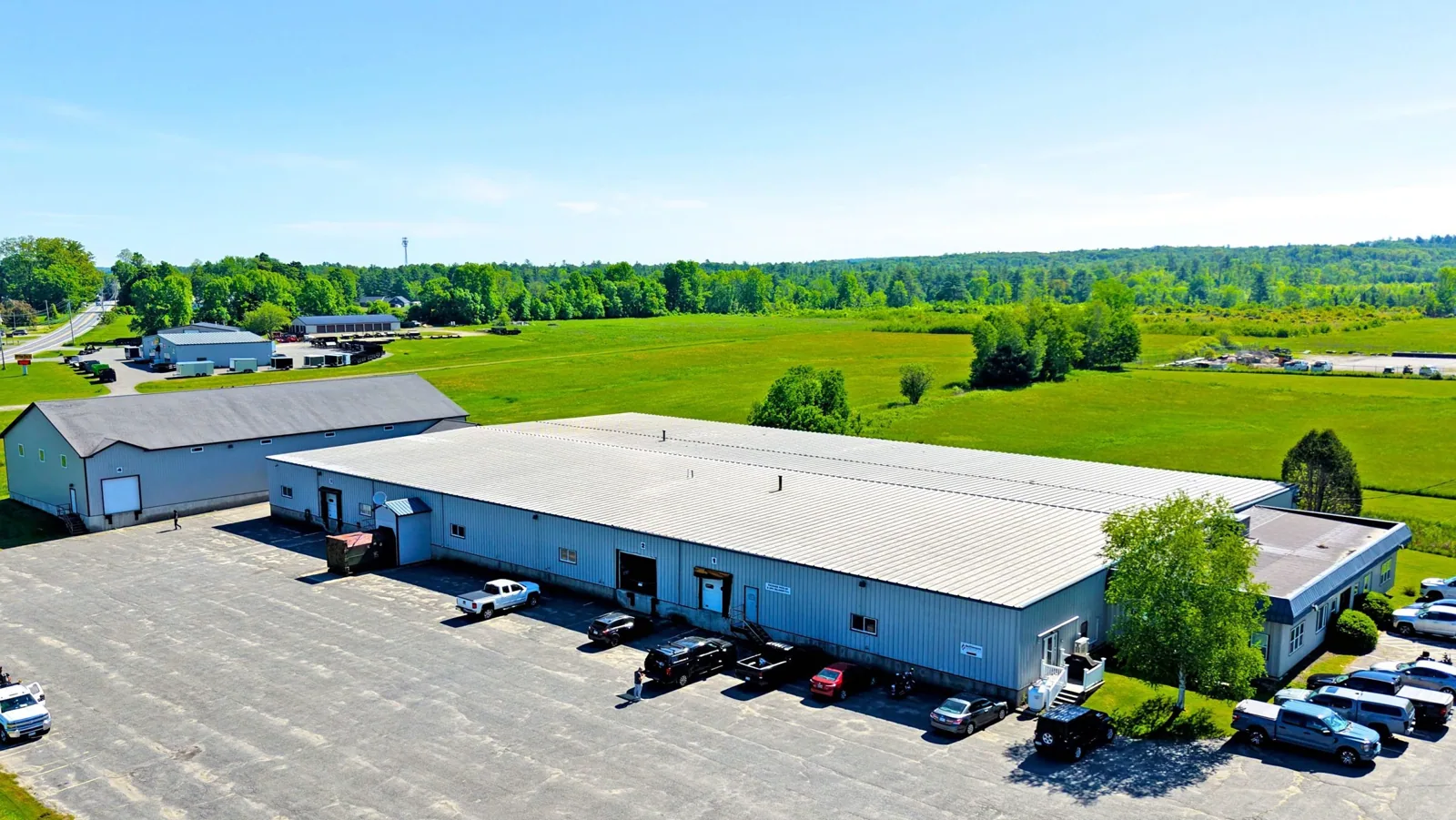
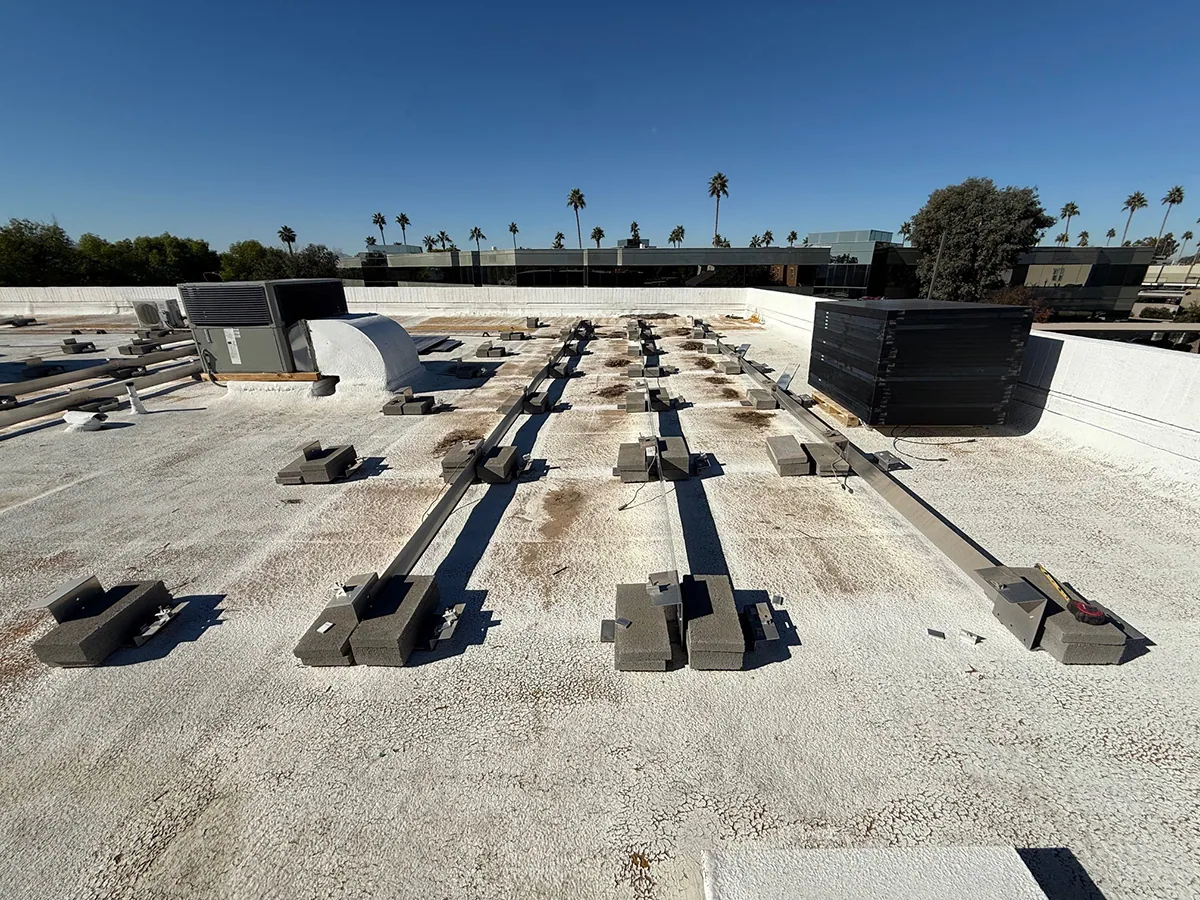
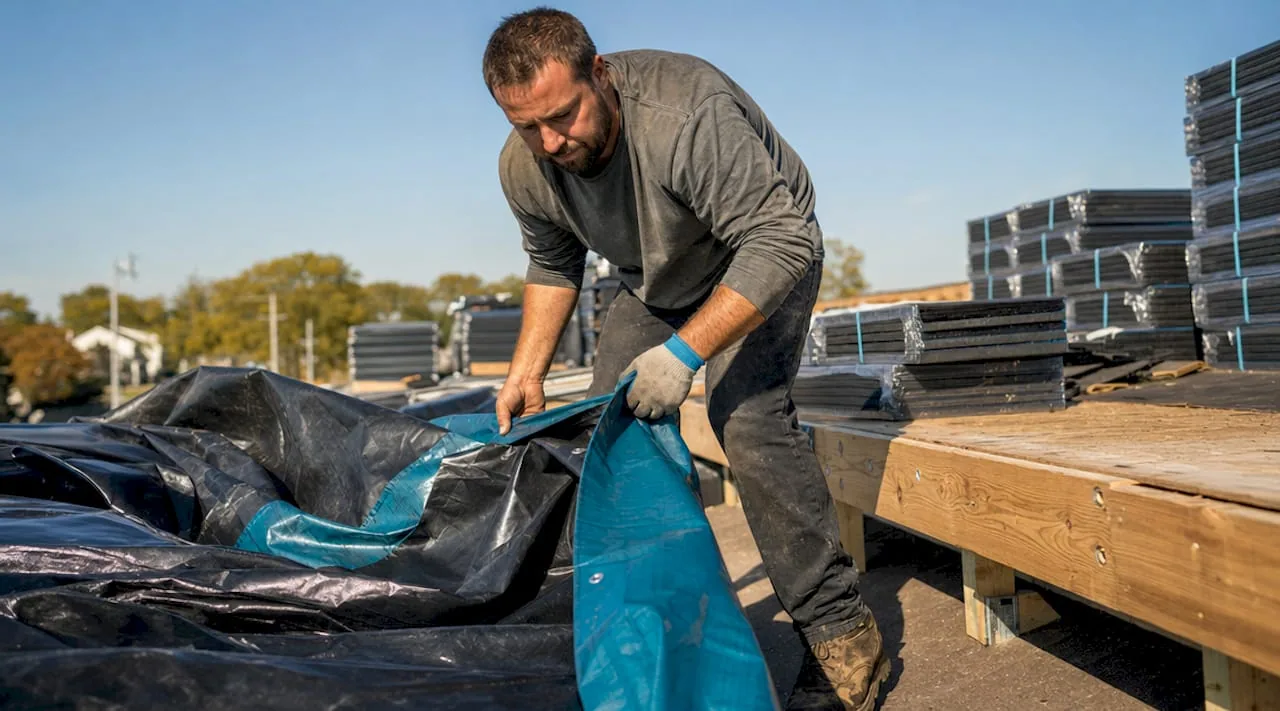
Berkeley roof condition reports with mapped photos, plain descriptions of each defect, what we could and couldn't see, and a clear recommended next step.
Roofing Capabilities | Berkeley, CA
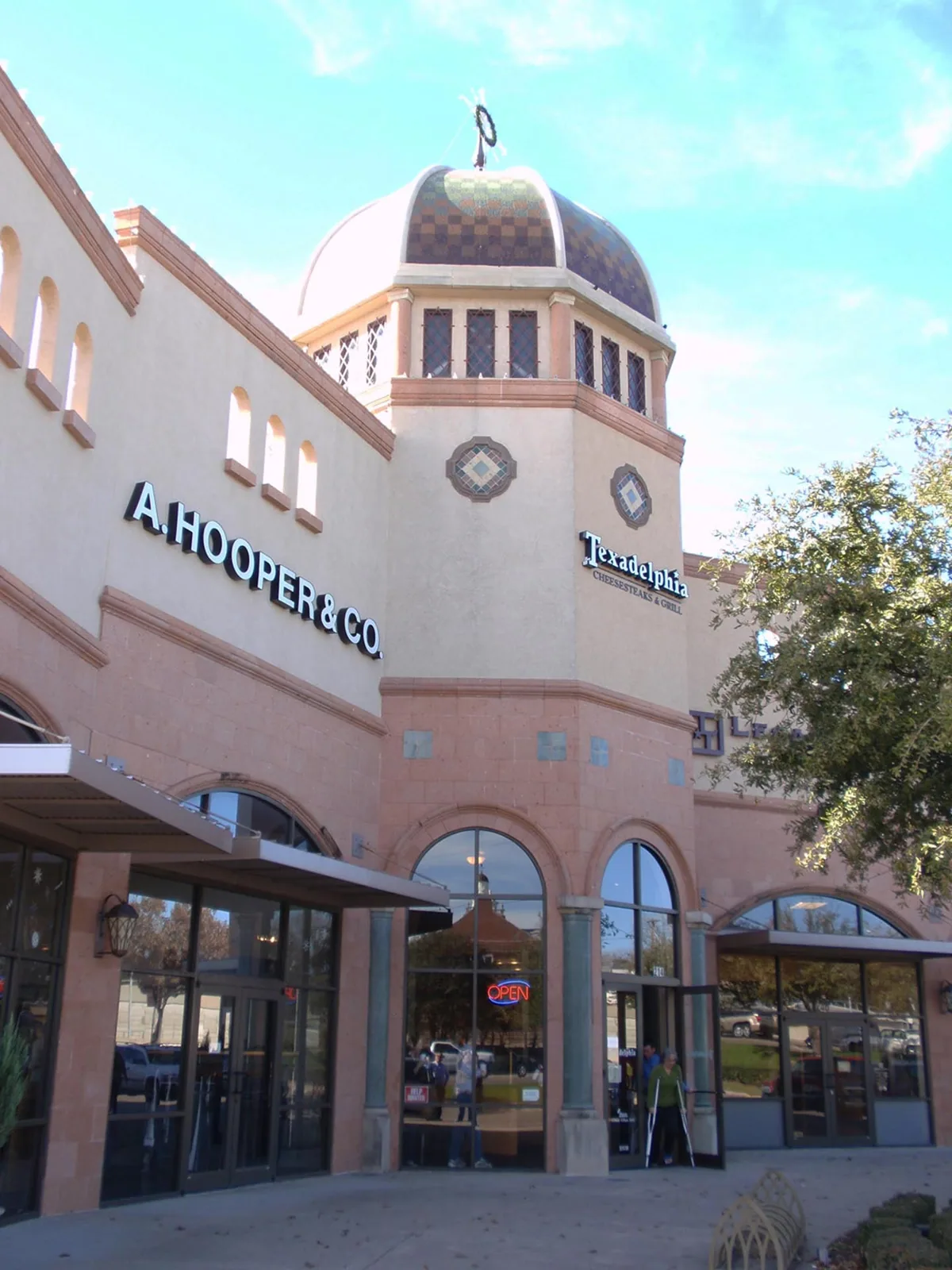
Loose edge metal on a shopping center roof is easy to spot from the parking lot. Knowing exactly where it is, what it has damaged and what it will take to fix is another matter. A score of "fair" on a roof report doesn't help anyone approve a repair. Our roof condition reports in Berkeley, CA describe each problem, mark it on a roof plan and show it in photos. When we can't see a layer without cutting into the roof, we say so. You get a report you can act on, plus a note on what further testing could change the recommendation.
A useful condition report separates observation from interpretation. We locate each leak, open seam, worn coating or drain issue on the roof, photograph it and describe the material visible at that point. Berkeley’s winter rain and West Berkeley’s mix of research and former industrial buildings make a building-specific record more useful than a general rating. For a shopping-center roof assessment, we also identify areas that were inaccessible and what further check could change the recommendation.
Each finding names the detail and what's wrong with it. For example: edge metal pulled loose along the south wall, membrane lifted behind it, wood nailer soft to the touch for about eight feet. Those facts are recorded together because they lead to one repair. If the nailer looks sound but we couldn't confirm it, the report says that too. A line like "roof needs attention" tells a manager nothing. The goal is that anyone reading the report knows what to fix and roughly how big the job is, without assuming the rest of the roof is fine or failing.
Every report starts with a commercial roof inspection. Before we go up, we ask what decision you're trying to make: repair, budget, sale, or insurance. Drawings and old repair records help explain how the roof was built, but we check them against what is there now. A photo can show an open seam without showing why it opened. We separate the condition we saw from the cause, and if the cause needs more investigation, we say what would confirm it. That keeps the recommended repair matched to the evidence.
A membrane can look fine on top while the insulation underneath is wet. A ceiling stain can show up a long way from where water actually gets in. We say where those limits apply instead of claiming a full diagnosis. If a question matters, the report recommends a way to answer it: a test cut, an infrared or capacitance scan, or a water test. Each method suits different roofs and different questions, and one result sometimes needs a second check. We tie each recommended test to the decision it would affect, so it isn't just another report.
A due diligence roof survey is often how that question gets settled before a purchase or a major budget. A test cut tells you about the roof at that spot, not across the whole building, so we don't stretch one wet core into a full tear-off without more evidence. The report separates confirmed deck or insulation damage from areas that are only suspect. If something looks like a structural concern, such as sagging deck or rusted joists, we flag it for an engineer. You then decide whether more testing is worth the cost.
Not always. Water can get in at a wall or parapet cap and run along the deck before it drips into a room. The report explains that possibility without claiming it as fact. We compare what we found on the roof with where the leak shows up inside. If the wall, window or a piece of equipment looks like the real source, we recommend the right trade to look at it, since a roof inspection can't clear those systems. The manager sees which part of the leak path is confirmed and which is still a theory.
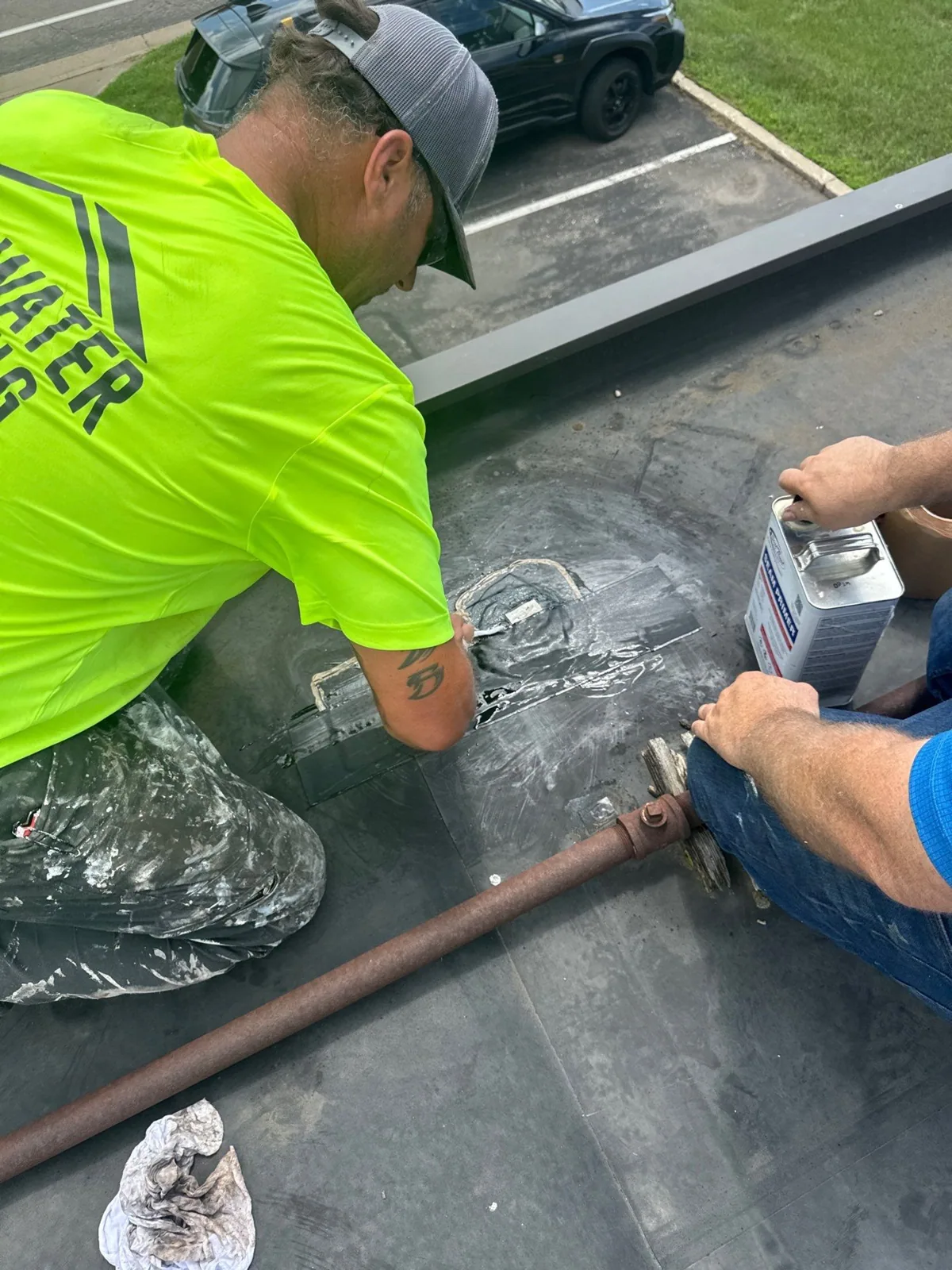
Commercial roof leak repair follows the actual openings we find at seams, flashings, drains and penetrations. Sometimes the fix is bigger than the visible hole. If the wood edge or wall substrate behind the flashing is damaged, it has to be replaced before new flashing will hold. If a mason or wall contractor needs to work first, the report says so and notes the order. That way the recommendation describes the real repair, not just the size of a patch.
Owners use the report to decide whether to maintain, repair, investigate or plan larger work. We connect each finding to its likely water path and explain what the proposed correction would include. Downtown Berkeley storefronts and Oakland’s larger commercial properties do not share identical layouts, so photos and location marks matter. A downtown Berkeley condition review should leave the manager with completed work, unresolved conditions and the next useful inspection step clearly separated.
For roof capital planning, the report lays out the options in plain terms. It describes the repair that today's findings support and, if replacement is on the table, what extra work that would include. Sections being left alone and questions still open are listed under either option. If the permanent fix has to wait, the report can recommend a temporary measure to keep water out in the meantime, clearly labeled as temporary. The aim is to make approval easier, not to pretend every part of the roof is known.
Someone picking up the report a year later should be able to walk to each problem area. Photos carry location marks, and the text notes any areas we couldn't reach and how that affected the conclusions. Findings are kept separate from repairs that were only recommended. When a repair is made, it gets its own record tied to the same spot. If new equipment goes in or nearby work changes the roof, that change is noted too, because it can create a new leak path that the original report didn't cover.
Keeping the report as part of your roof asset management file makes the next inspection faster and more useful. We compare new observations with the last report. If a leak comes back, we look at the roof as it is now before blaming the earlier repair. Warranty documents stay with the section of roof they cover, and their terms get checked before any alterations. You end up with a readable record of what each inspection found and what it couldn't answer.
Send us the building address and any roof records you have. We'll inspect the roof and give you a clear report of what we found and what is still unknown.
Request a Roof Assessment