Berkeley due diligence roof surveys examine retention, backing and repair questions before commitment. Receive findings with clear access and condition limits.
Roofing Capabilities | Berkeley, CA
A flex building with patched curb flashing can leave a purchase question unanswered. The asset manager needs to know whether the proposed roof allowance is supported. Due diligence roof surveys in Berkeley, CA, examine that question before the commitment. We describe accessible construction and the findings relevant to the decision. Earlier patches can obscure the original interface beneath them. A tidy upper surface cannot establish every supporting layer suitable for retention. We identify further confirmation that could change the proposed task. The owner receives a useful account of the roof question still open.
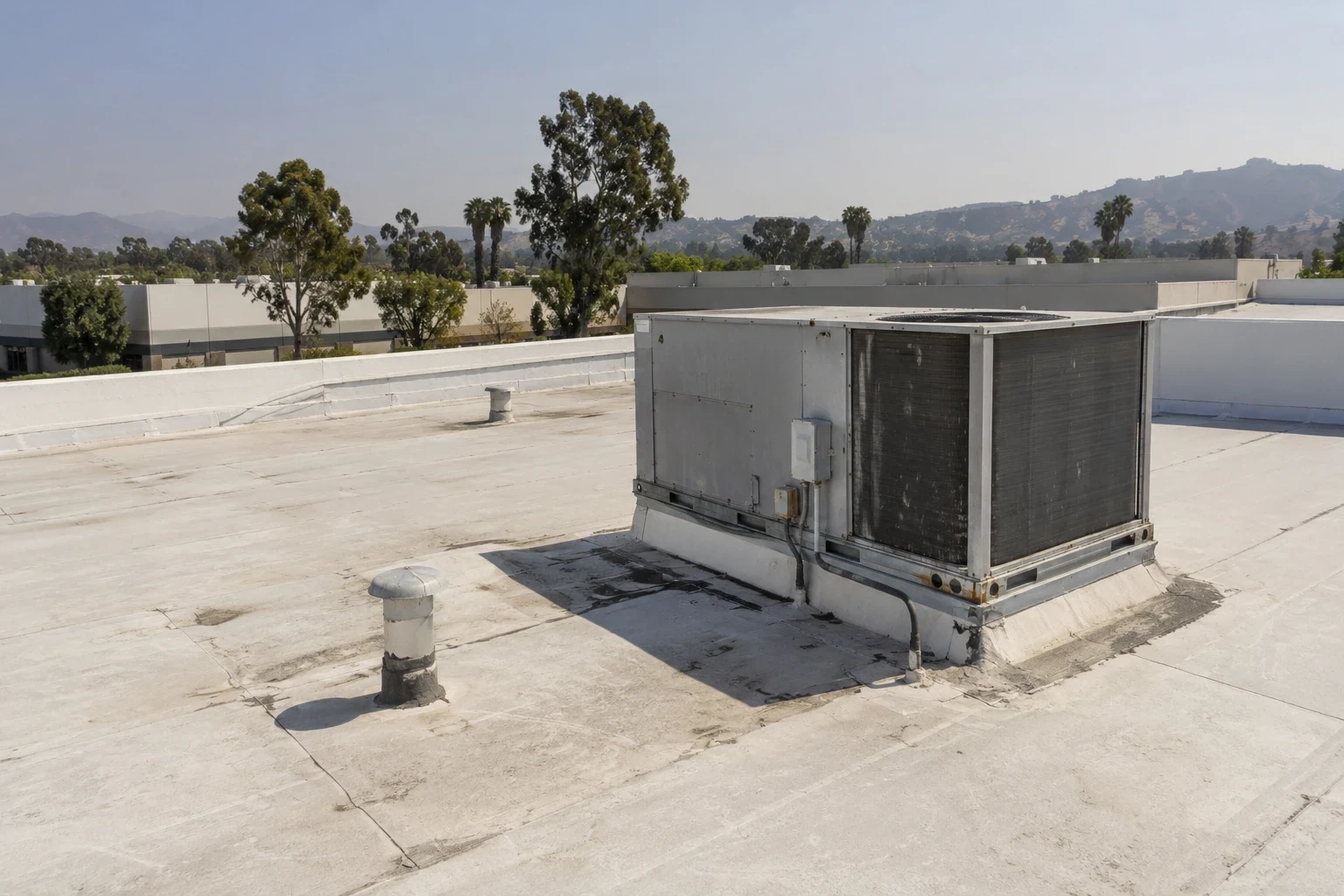
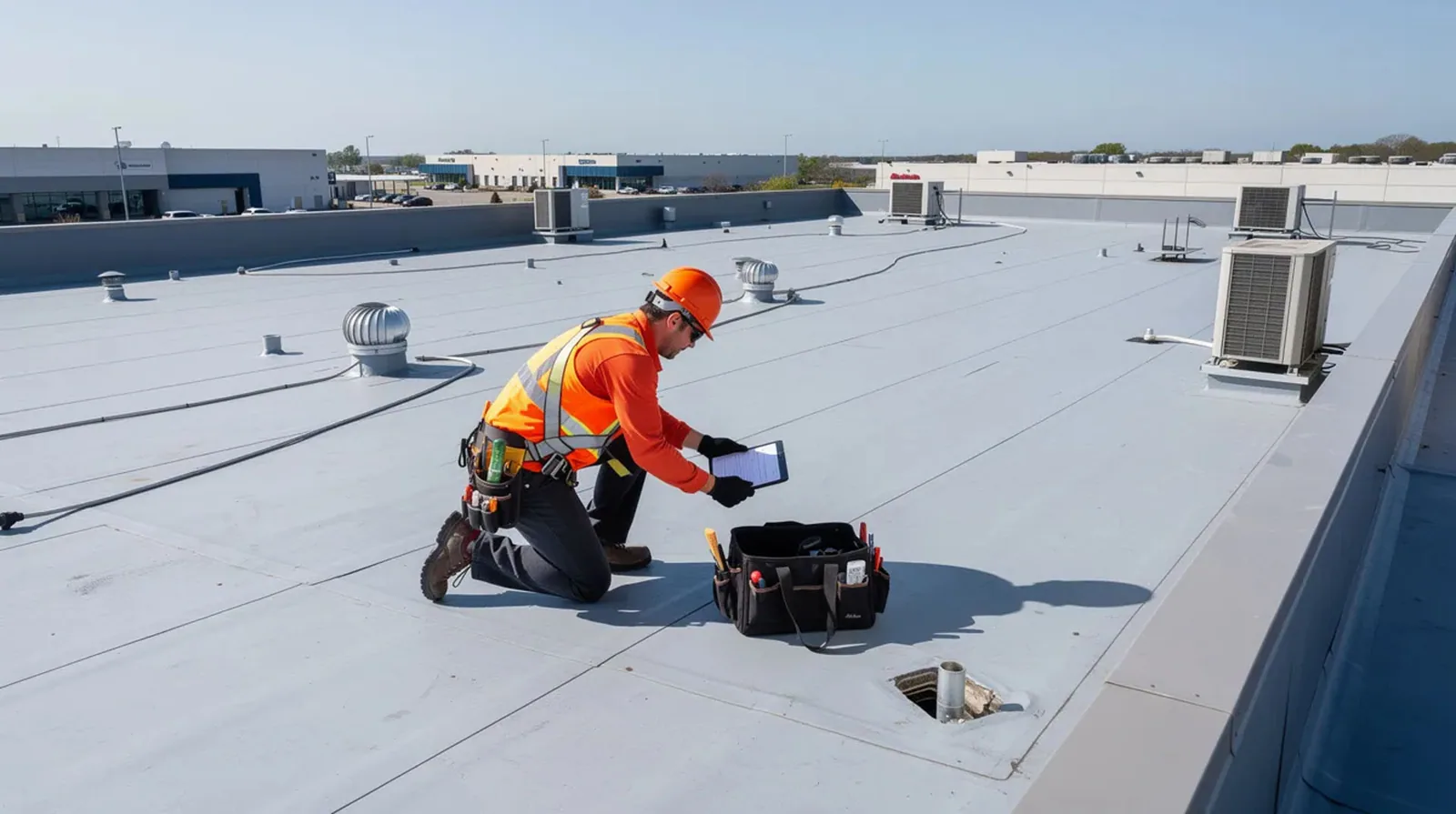
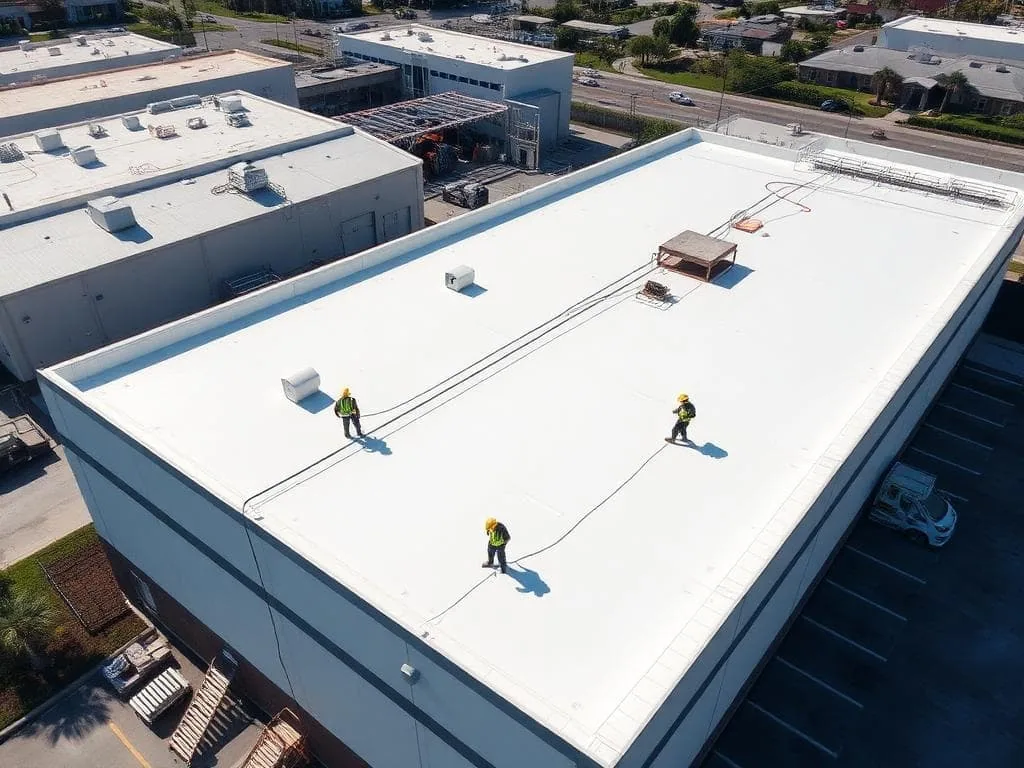
A roof survey for a purchase or refinance should state what was inspected and what remained concealed. We walk accessible areas, identify the system, trace drainage and photograph visible defects, prior patches and equipment details. West Berkeley’s industrial conversions and Emeryville’s research buildings can have complex roof penetrations and older layers. A flex-industrial roof survey may recommend a targeted opening or moisture check when the available view cannot establish whether material is suitable to remain.
A useful survey starts with the decision the owner needs to make. The question may concern retained backing beneath a proposed replacement. It may instead concern an unresolved entry near altered equipment. We identify that purpose before describing the accessible examination. The resulting scope should fit the assembly and finding under consideration. A general request to inspect everything can leave the important uncertainty untouched. The asset manager needs the consequence of that uncertainty plainly explained. Further checking then has a reason tied to construction or authorization.
Assessing the basis for a proposed roof allowance requires the finished section defined. We compare the priced work with the layers intended to remain. A survey can identify where accessible observations support that assumption. Concealed extensions may still need an appropriate confirmation method. The owner should retain those limits beside the suggested quantity. A broad removal estimate needs more than a visible damaged corner. We state the finding that could change the allowance. That helps the owner decide what to resolve before the commitment becomes fixed.
Accessible seams and transitions can reveal construction relevant to the survey. We identify observed material and the detail around the assigned concern. Earlier treatments may leave the original joining method unclear. Available drawings and completion records can assist where they match present conditions. We check their applicability before using them to explain the assembly. A description from a different building cannot settle this roof's backing. The survey records what examination establishes and what remains unresolved. The owner should see that distinction before choosing a retained-layer option.
A roof examination focused on the pending decision needs permitted access defined. We discuss areas available to inspect and relevant restrictions. The report locates the observations within that actual examined boundary. An inaccessible equipment corner remains different from an examined sound connection. Where records disagree with visible construction, the discrepancy needs explanation. Appropriate further checks can clarify material or supporting condition. The asset manager can then assess the recommendation's reach. It should not quietly include a roof area that the visit never examined.
The value of further examination depends on the decision it could change. Suspected moisture may affect a proposed retention or removal boundary. Attachment concerns can involve a different supporting question and method. We describe the relevant uncertainty rather than prescribe one universal investigation. An indication should remain distinct from condition confirmed at a particular location. Extending that finding requires an assessed basis for the assigned assembly. The owner receives the practical consequence beside the next useful check. That keeps the survey focused on resolving the roof decision.
A written condition account supporting due diligence carries those limits clearly. We identify established defects and their accessible supporting relationships. Relevant structural questions need appropriately qualified review where observations require it. The roof survey cannot settle independent wall or equipment performance automatically. Their interfaces remain explicit when they affect the proposed roof task. The owner should know which specialist question still needs an answer. The recommendation then follows findings obtained for the assigned construction. An unanswered concern remains a condition of the decision rather than a promised result.
The buyer can use the findings to compare near-term repair with larger capital work, provided both options describe the same roof boundary. We separate observed deficiencies from age assumptions and identify where access, records or testing limit confidence. Oakland port-side warehouses and Berkeley commercial properties bring different operations and roof layouts. A West Berkeley due-diligence survey records the inspected area, open questions, cost drivers and the next check that would materially change the decision.
Assessing construction above occupied building areas requires actual operator coordination. We discuss the spaces and routes affected by proposed investigation. Opening work needs suitable protection and an assigned closure task. A pause may be necessary while changed concealed conditions receive review. Further examination should not expand simply because an early opening found damage. Its quantity and responsibility need a clear authorization route. The owner can arrange useful confirmation within the building's permissions. That keeps the pending decision connected to examination realistically available.
The final account should describe the construction question and findings together. We locate observed defects and identify the areas actually examined. Supporting assumptions remain visible beside the option proposed. Further checks should state the decision their results could change. A repair recommendation needs its permanent endpoint explained. Broader replacement should identify additional removal and connection rebuilding included. The owner can then compare options with the remaining uncertainty understood. A general condition grade cannot provide that construction basis on its own.
Keeping the survey with the building's roof record preserves the assessed basis. We separate the survey finding from work completed later. New equipment or changed interfaces may require fresh examination. Their condition cannot be inferred from the earlier visit automatically. Relevant agreement questions also need their own applicable document review. The asset manager retains a readable account of what was established. That record supports a practical commitment without predicting every concealed outcome. The next task stays tied to the roof question the survey addressed.
Share the building, available records and the decision pending. We will explain the accessible findings and the confirmation that could change the proposed work.
Request a Roof Assessment