Roof asset management for Berkeley commercial buildings: mapped inspections, photo records, repair history and clear priorities so owners know what to fix now and what can wait.
Roofing Capabilities | Berkeley, CA
Most building owners know their roofs from invoices: a leak call here, a patch there, a replacement quote that shows up every few years. That makes it hard to tell whether a roof is wearing out or just needs better maintenance. Roof asset management in Berkeley, CA gives each roof a working file. We inspect the membrane, flashing, drains and rooftop equipment, map what we find, and rank the problems by how soon they need attention. A stain on an office ceiling tells you water got in somewhere. It does not tell you where the wet insulation stops or how much of the roof needs work, so we say plainly what is confirmed and what still needs checking.
The file is built around a roof plan. Drains, edges, curbs, past repairs and open questions are marked on it, and every photo is tied to a spot a property manager can find again. A downtown Berkeley office roof and a West Berkeley lab or industrial roof wear differently and need different upkeep. For office building roofs, the record shows what has been repaired, what is still suspect and where the next inspection should look first.
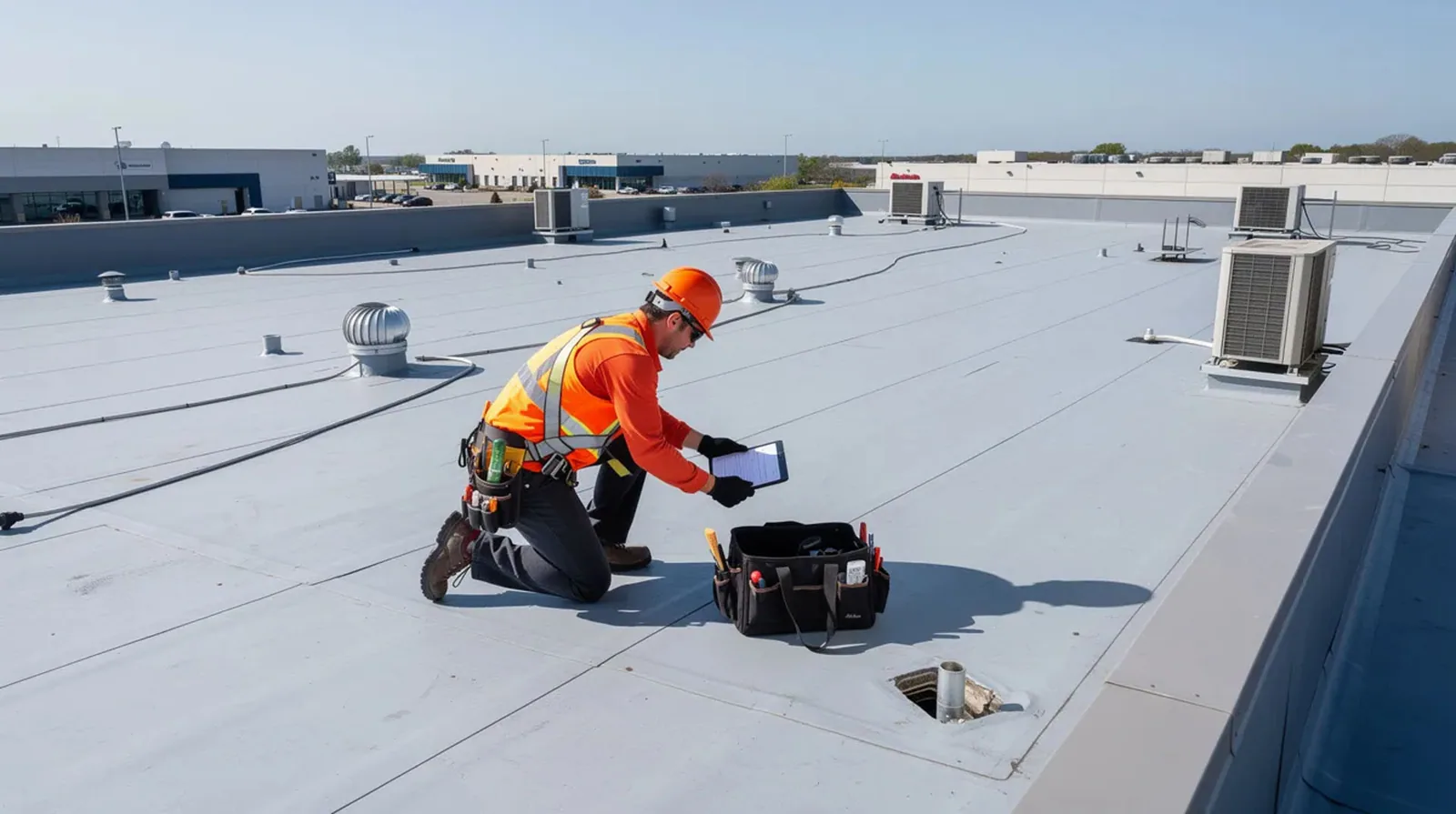
On the roof, we pin every problem to something you can point at: the third drain from the north parapet, the curb under the second rooftop unit, the seam along the east edge. A photo of a lifted seam is only useful if someone can walk back to it. We note whether the seam is still open, whether the substrate under it is soft or rotted, and whether that changes how big the repair has to be. One bad corner does not mean the whole roof is failing, and the recommendation reflects.
Our roof condition reports put the findings and the limits of the inspection side by side. If a leak is coming from a wall, a drain or a piece of equipment rather than the membrane, the report says so. We separate what we saw from what we suspect. Old drawings and repair invoices help identify how the roof was built, but they may be out of date, and missing paperwork is treated as a gap to fill, not as proof of the worst case. If more testing is needed, we explain what question it would answer.
An open seam above an occupied office usually needs a temporary fix right away. The permanent repair may have to wait if the deck or nailer underneath is damaged, because new membrane will not hold on rotten wood or wet insulation. We tell you what the temporary work covers and what is still left to do, so nobody assumes the problem is solved. A worn but watertight section across the roof is a different matter. It belongs on the maintenance list, not the emergency list, and we keep those two categories apart so the budget goes to the leaks first.
When the conversation turns to capital planning for a larger roof project, the inspection data decides how much of the existing roof can stay. We compare a targeted repair against a recover or full replacement and spell out what each option includes at the edges, curbs and drains. A replacement quote that tears off sound areas without a reason deserves a question. Extra testing such as cores or a moisture scan is worth paying for when it could change which option makes sense.
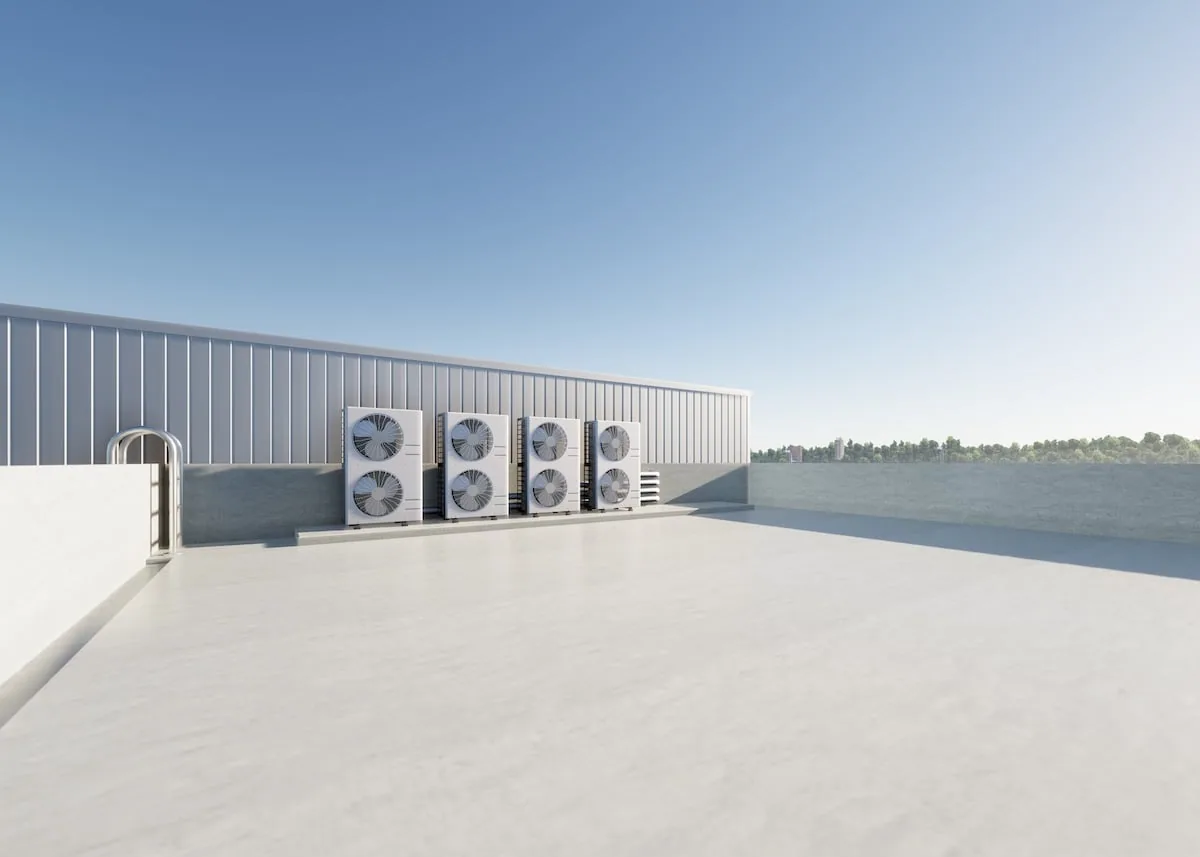
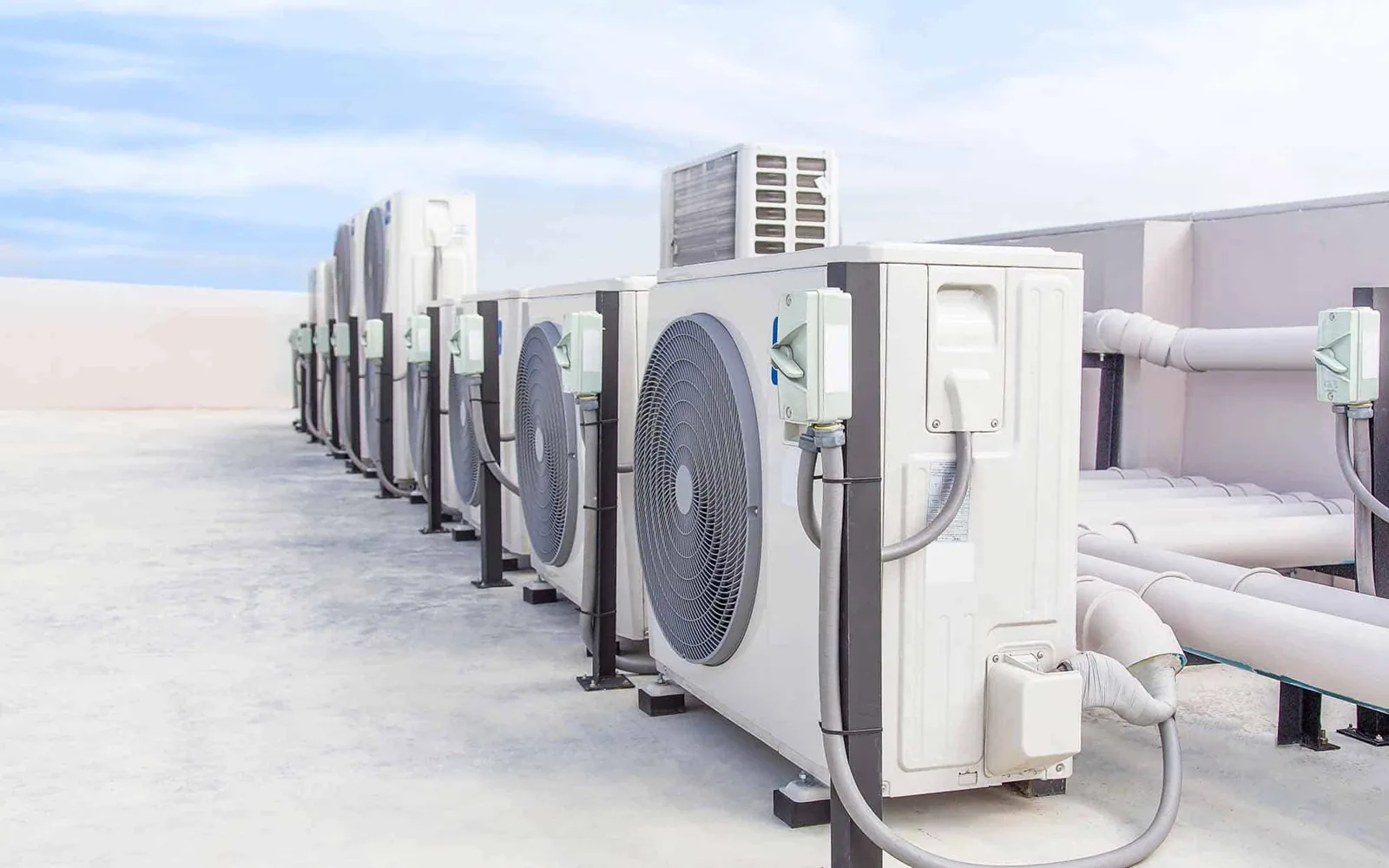
Every time a mechanical contractor sets a new unit or cuts a new penetration, the roof changes. If the flashing around that opening is rushed or left for later, it often becomes the next leak. The asset file records where the change was made and who did what. The HVAC contractor is responsible for the equipment; the roof flashing around it needs to be finished and checked too. An install date on a mechanical invoice does not prove the roof was sealed properly.
When a rooftop equipment curb or support has been altered, we start by looking at what is actually there: curb height, base flashing, the condition of the membrane around it and how water drains past it. Sometimes the curb itself needs to be rebuilt or raised before roofing work can continue, and that may fall to another trade. We can finish the roofing that is ready and flag the curb that is not. Photos show whether each detail is permanently closed or only temporarily protected, so the file matches the roof as it stands today.
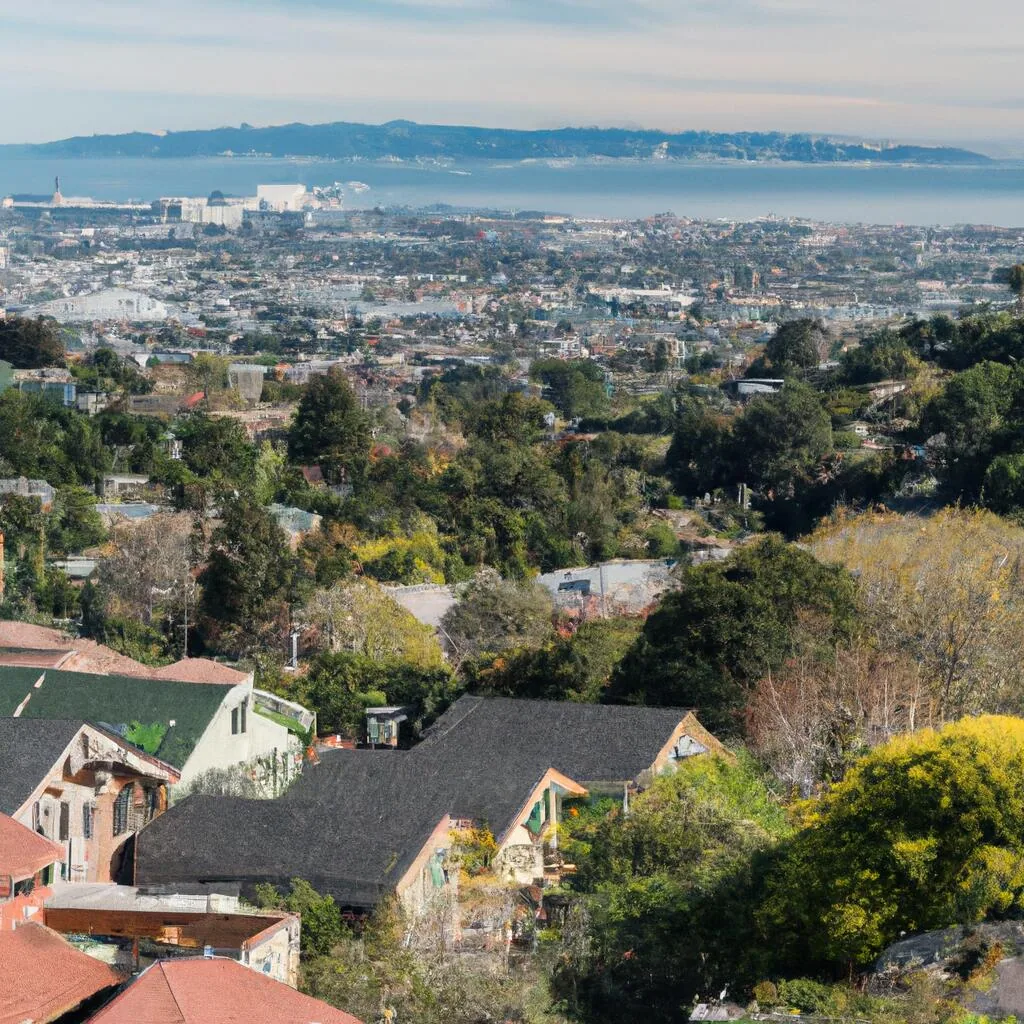
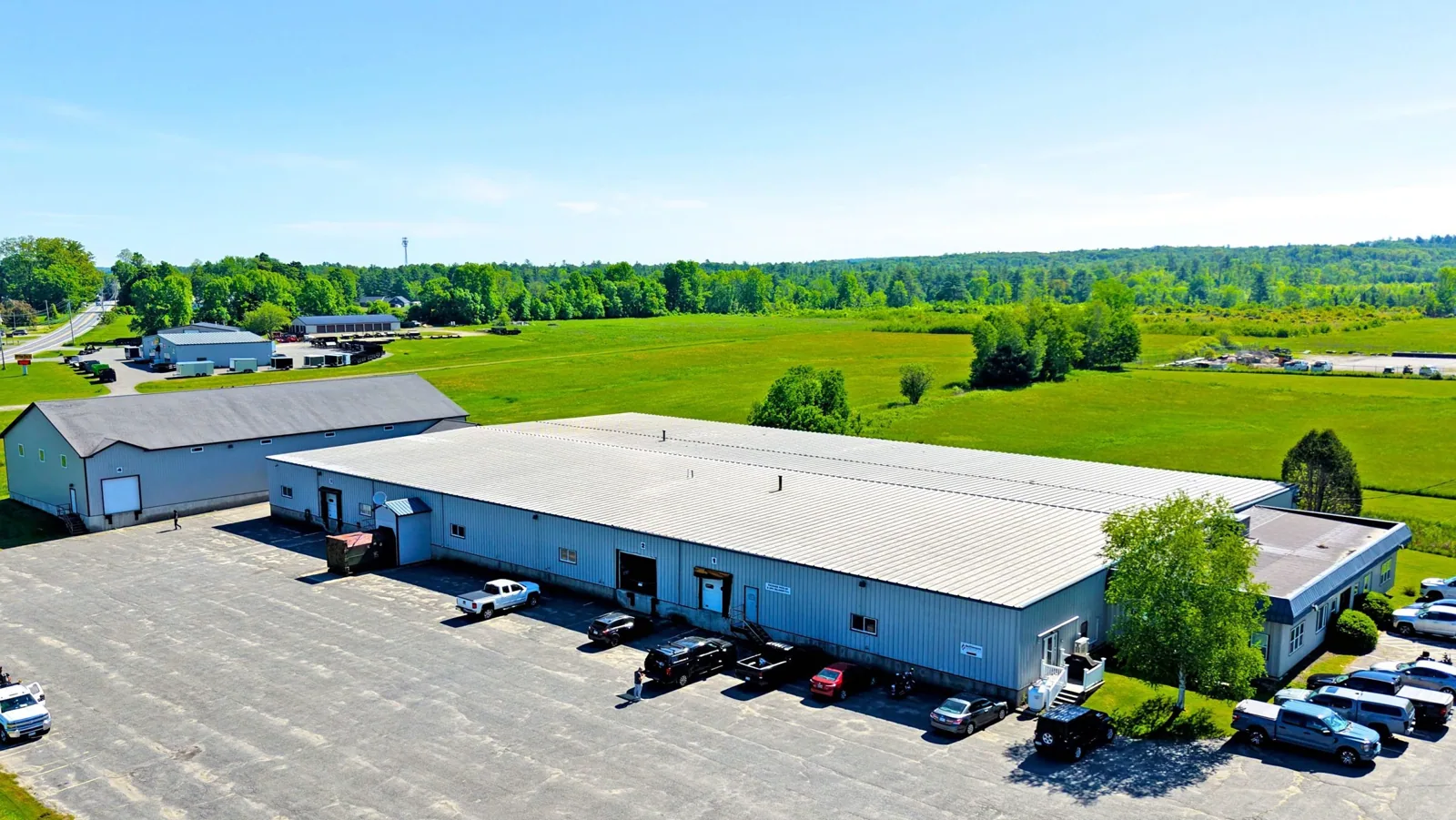
Owners with several properties want to compare them, but two roofs of the same age can be in very different shape. We record each building's roof type, known age where there is paperwork for it, repair history and access limits. A West Berkeley flex building and a downtown Oakland office have different uses and different risks, yet the same format lets you see at a glance which roofs have active leaks, which have chronic drainage problems and which are heading toward replacement. A West Berkeley roof inspection describes that building only; we don't copy findings onto the property next door.
For multi-site roof programs, consistency matters. Every report uses the same terms, so an open seam means the same thing at every address and an unconfirmed wet area is labeled as unconfirmed. Repairs that depend on substrate work, equipment moves or restricted access are noted with the roof they belong to. Once that is clear, similar jobs can be bundled to save mobilization costs.
Each inspection starts with the last one. We check the repairs that were made, look at the flashing and seams around them, and see whether anything has changed. A new leak is not automatically the fault of the last repair; it may come from a new penetration or a clogged drain somewhere else, so we trace it before assigning blame. The file keeps a dated history of what was observed and what work was done. Open items stay on the list until someone fixes them.
Preventive roof maintenance visits pick up where the inspection file leaves off. We clear drains, check flashing, look for new openings around equipment and note anything that has moved since the last visit. You get a plain summary, and replacement timing is based on the roof's condition rather than a generic age estimate.
Send us the building address and the problem you're dealing with. We'll inspect the roof, explain what we found in plain language and tell you what to do next.
Request a Roof Assessment