Coordinate Berkeley roof work with individual building findings. Compare repair priorities, compatible materials and access while retaining each roof decision.
Roofing Capabilities | Berkeley, CA
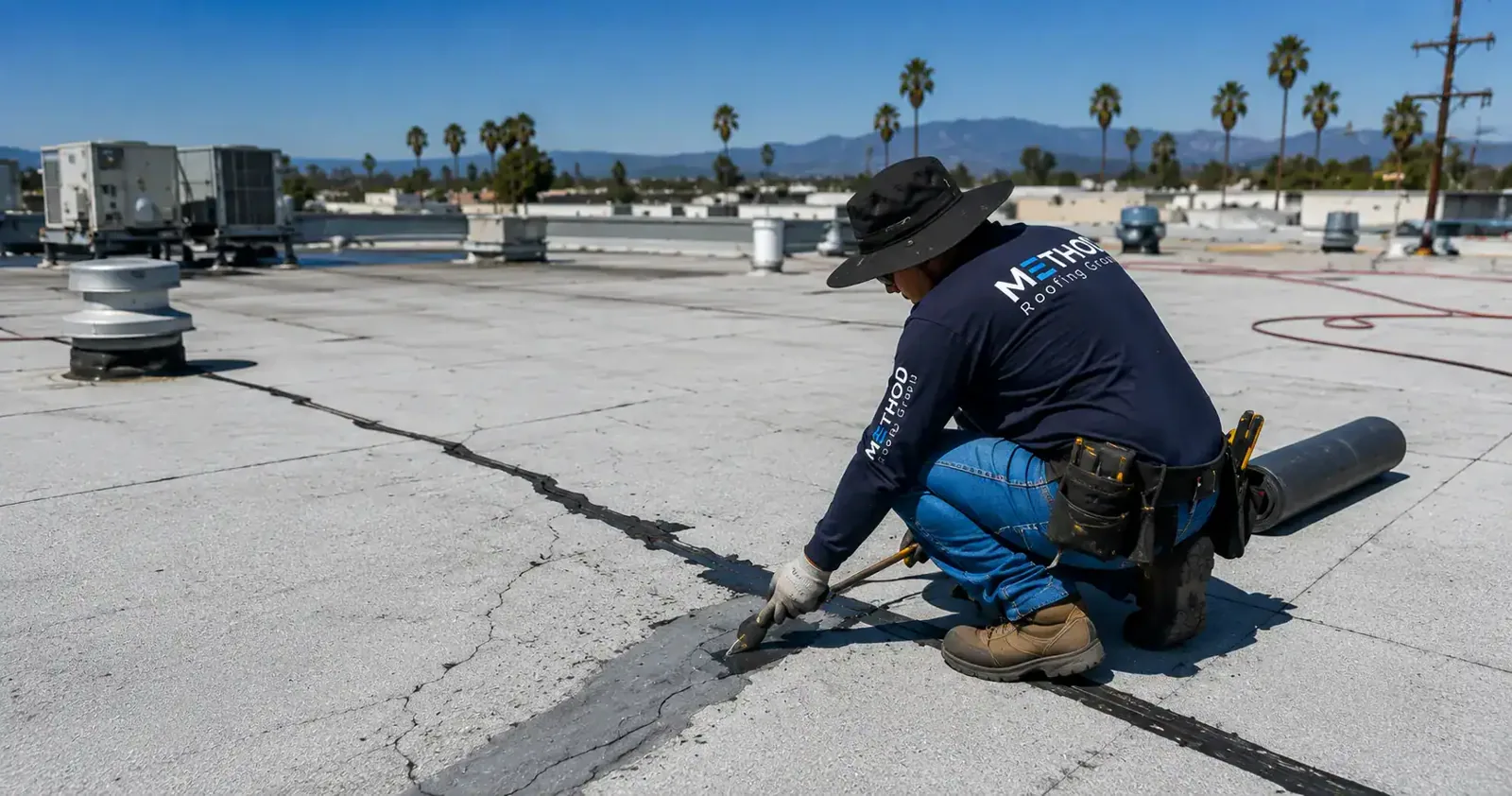
An apartment roof with an open curb connection needs its own repair decision. A similar-looking office roof elsewhere may need a different task. Multi-site roof programs in Berkeley, CA, preserve those building-specific findings while coordinating work. We examine each assigned roof and explain the construction it actually shows. The asset manager receives comparable records with individual limits still visible. Shared scheduling can help organize visits without prescribing identical roof corrections. The useful result is a program connected to the buildings' present needs. Each authorization follows its own assessed roof and permanent endpoint.
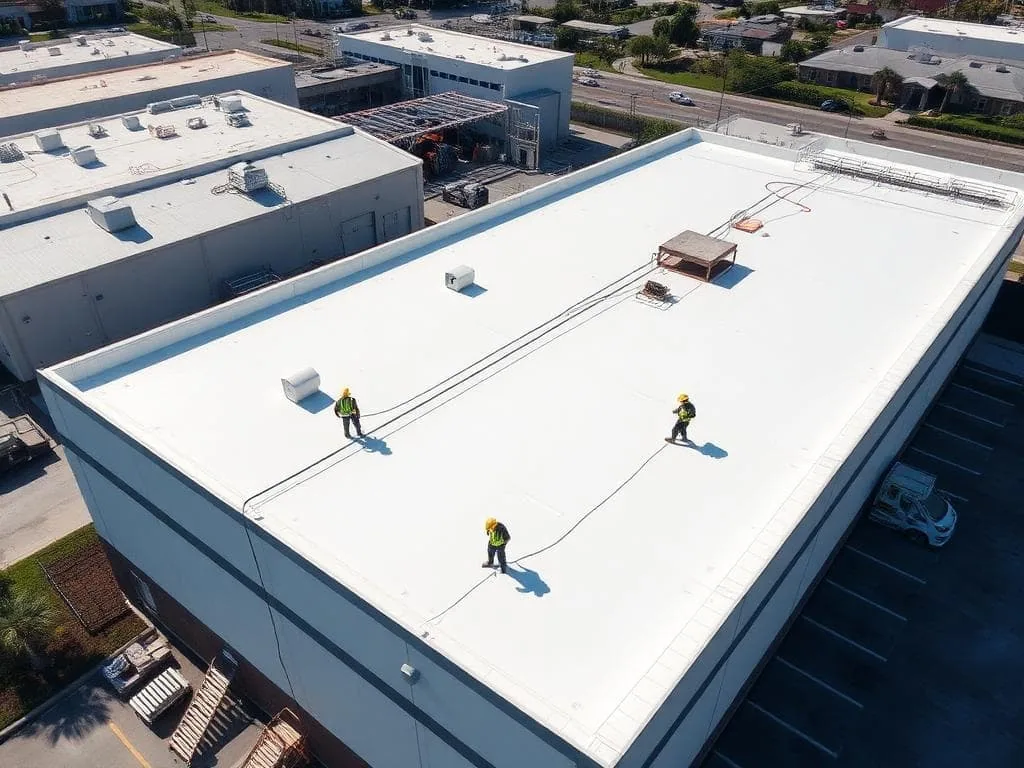
A multi-building program needs comparable records without assuming every roof can receive the same repair. We map systems, drainage, penetrations and condition by property, then sort urgent water entry from planned maintenance and capital work. Berkeley’s downtown blocks differ from West Berkeley’s research and industrial stock, and Oakland adds another operating context. For an apartment-building roof, the schedule should reflect that property’s access, tenant protection and confirmed assembly rather than a neighboring site’s result.
A useful record locates the defect within its assigned building. We describe accessible construction and the connection involved in the opening. Photos should help a later reader find that particular detail. Supporting questions remain attached to the observation that raised them. A general condition grade can hide the work needed to finish an interface. The asset manager should see the practical next task at each address. Comparable wording helps explain the difference without erasing it. The physical roof remains the basis for the recommendation recorded there.
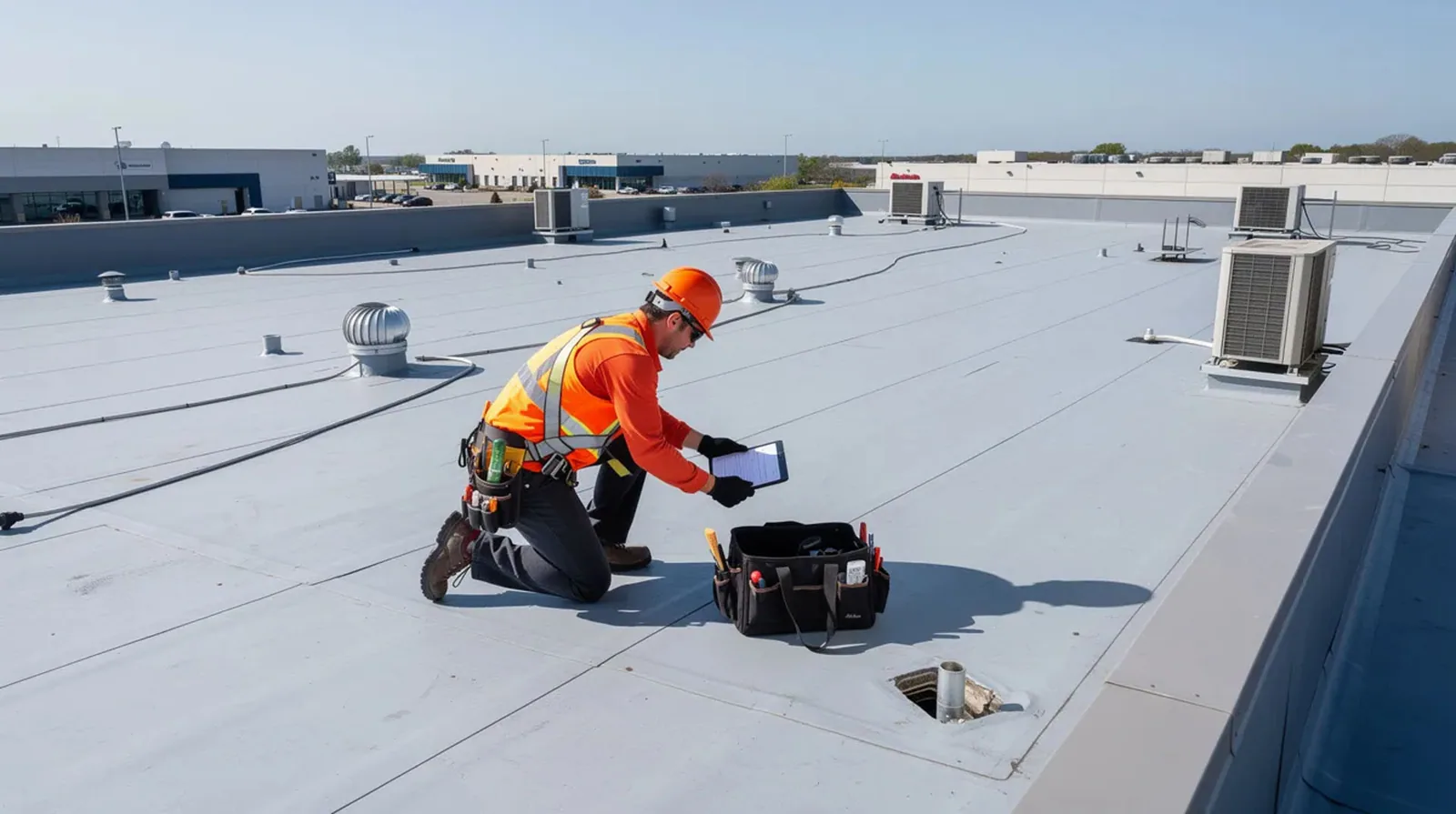
Individual condition accounts for the coordinated roofs keep inspected boundaries understandable. We identify areas examined and access limits that affected each conclusion. A completed visit at one address cannot settle another building's material condition. Missing records may require further confirmation before procurement depends on them. The program should locate that question beside the particular proposed construction. Another roof's drawing cannot establish the missing backing detail automatically. The owner can compare ready tasks with those still requiring an answer. That comparison helps arrange useful work without making unsupported assumptions.
A current opening above an occupied space can require useful protection. The permanent repair still needs suitable receiving material and compatible joining. We explain those obligations beside the assessed defect at that building. Another site may have a changed equipment connection awaiting its responsible trade. The program should distinguish that dependency from a ready weather correction elsewhere. The manager can then authorize useful tasks on their actual condition basis. A shared budget cannot make unlike roof problems equally urgent. The program's order follows what each building needs to resolve.
Comparing the larger construction allowances requires equal clarity about endpoints. We identify backing removal and permanent detail rebuilding within each option. An apparently similar membrane quantity can involve different supporting work. The owner needs those differences visible before grouping a purchase. Further examination may be useful where retained condition remains unconfirmed. Its purpose should be the specific decision that it can change. The manager receives that question with the particular location. A common allowance should not conceal an individual roof's unresolved construction.
Grouping materials needs actual assemblies compatible with the proposed components. We identify accessible membrane and the permanent connections intended at each building. Shared appearance cannot establish interchangeable accessories or joining methods. Supporting section differences can also change curb and wall detail dimensions. The asset manager should retain those geometry questions before procurement. An available component cannot supply a suitable receiving surface by itself. The program can group work once the construction basis supports it. Each roof still needs its actual permanent details finished.
Repair tasks grouped from compatible assessed details should retain individual quantities. We describe the receiving boundary and correction required at every assigned location. Additional concealed findings need their own measurement and authorization route. A revised quantity at one roof cannot automatically extend another site's work. Suitable closure remains assigned while the changed preparation is reviewed. The program records the difference beside the construction affected by it. The manager can preserve purchasing consistency without losing the physical task. Compatibility determines the useful grouping rather than a shared page heading.
Grouped inspections can reduce duplicated travel, but they do not combine the buildings’ repair scopes. We keep each roof’s photographs, material findings, permissions and completion record tied to its address while identifying shared themes for the owner. Emeryville research buildings and Richmond’s port district have different equipment and access needs. A West Berkeley multi-building review can still support coordinated planning, with each opening, temporary closure and permanent detail approved at the property where work occurs.
Staging coordinated roof work above active spaces requires individual protection plans. We discuss the practical opening and closure available under each operator's restrictions. Another trade can control readiness around particular units or supports. The program keeps its responsibility beside the roof-side connection. Ready work at a second building remains independently authorized. A broad crew date cannot complete both sites' release questions. The manager receives the remaining dependency in plain language. That makes the sequence understandable across different roofs and operating contacts.
The next manager needs each completed correction located accurately. We retain installed material and supporting work with relevant photographs. Deferred conditions stay separate from the construction delivered at that address. A later equipment alteration can create a different water path. Its location should be compared with the existing roof record. Relevant document requirements also follow the actual agreement for that building. Another roof's accepted term cannot establish coverage here. The program retains individual construction and document questions despite a shared reporting date.
Continuing management of each roof's current findings starts with that individual account. We compare later observations with the detail previously assessed. New entry needs examination against the construction now present. An earlier completion label cannot settle every later roof concern. The program should state the next useful task and responsible contact. A planned visit remains different from one actually completed. The asset manager receives records that can be followed building by building. Coordination stays useful when each roof's physical condition remains visible.
Share the assigned addresses and available condition records. We will walk the roofs and explain the next practical work at each location.
Request a Roof Assessment