Coordinate logistics roof work in Berkeley, CA with receiving routes, confirmed repair boundaries and daily closures that fit your distribution building.
Industries We Serve | Berkeley, CA
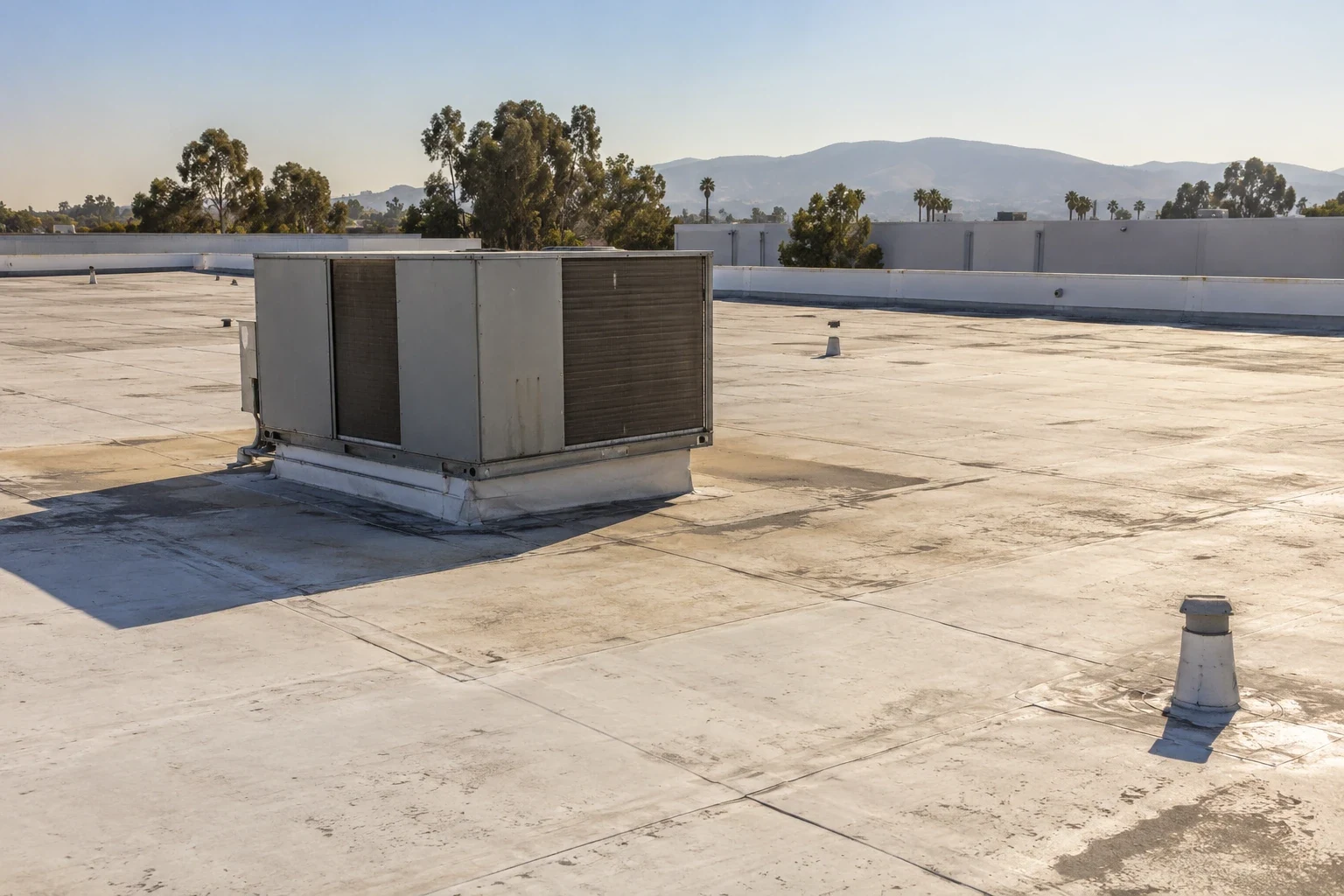
A distribution roof opening can interrupt more than one shipment. Can the receiving route stay usable while that detail is rebuilt? We inspect logistics and warehouse roofs in Berkeley, CA and plan the work around the affected bay. A drip above stored goods needs immediate protection. Its permanent correction still depends on finding the actual opening and checking the layers around it.
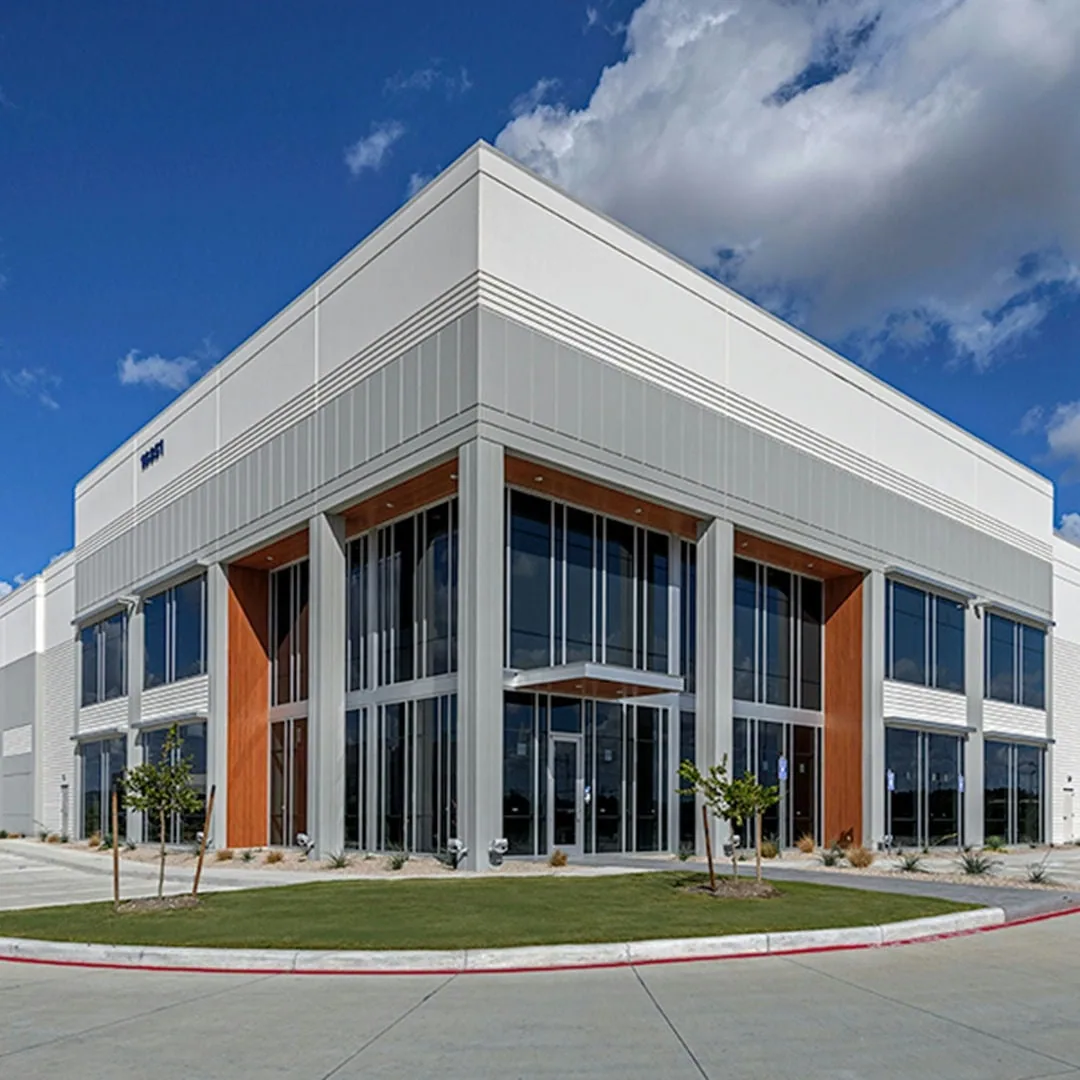
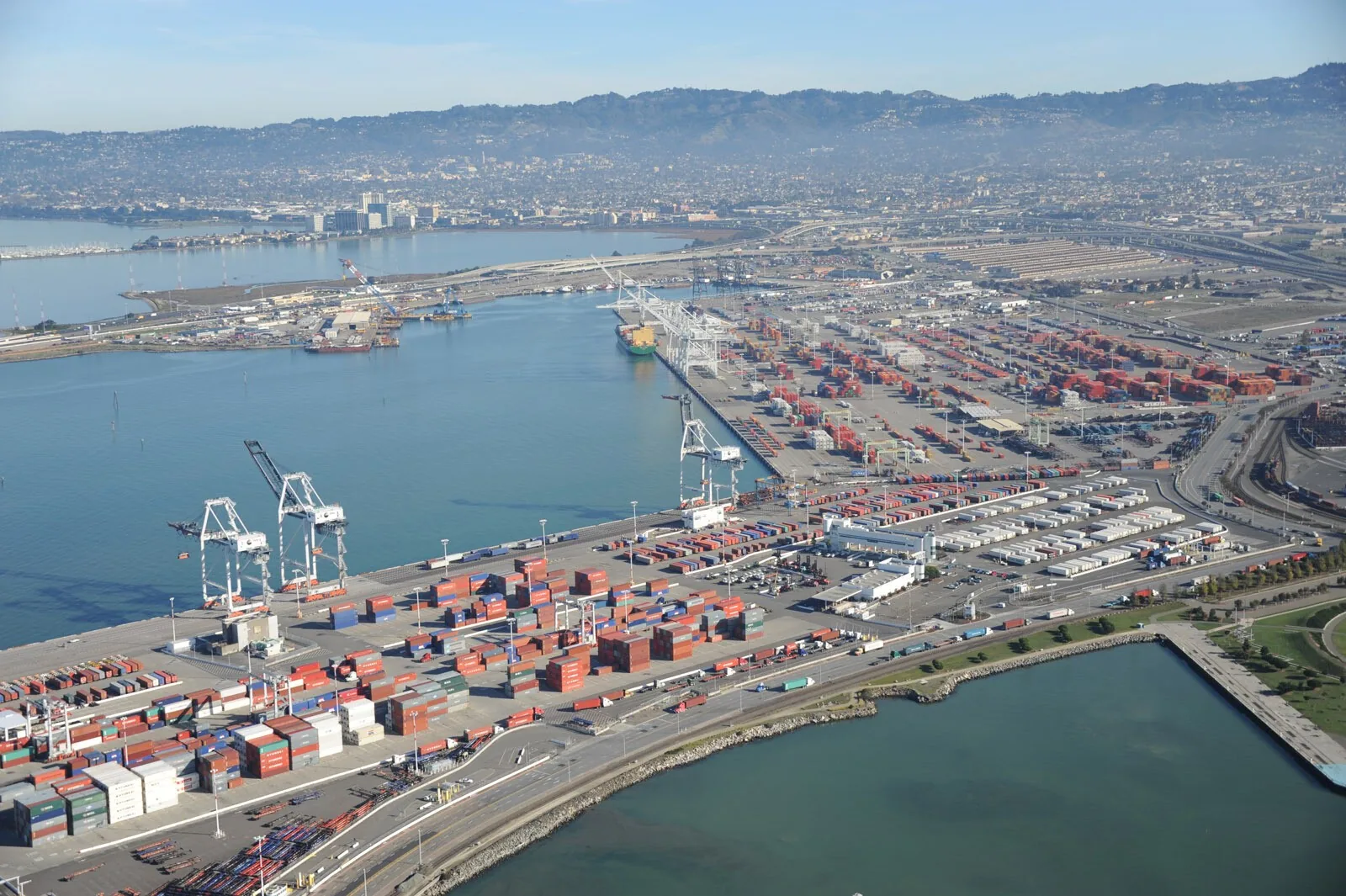
From the Port of Oakland to warehouses in Berkeley and Richmond, roof work must account for each site’s loading routes and delivery activity. Every warehouse has its own dock layout, roof access and busy hours. The site team tells us the goods and traffic that need protection. Manufacturing roof work involves production coordination, and healthcare roof work involves different occupied areas. Logistics needs a plan that accounts for deliveries arriving during the roof operation.
We begin with the interior location and the current movement of goods. The warehouse team identifies what sits beneath the symptom. We then match that position to the roof above. A drain bowl, seam or curb may provide a possible entry path. Water traveling on the deck can complicate that match. The inspection should explain the connection rather than assume it.
Interior protection must suit the affected goods and room use. The owner decides whether stock can move or a bay can close. We describe the roof exposure that the repair would create. That gives the receiving manager a practical reason for the proposed boundary. A broad promise to keep everything running does not identify where falling debris or water must be controlled.
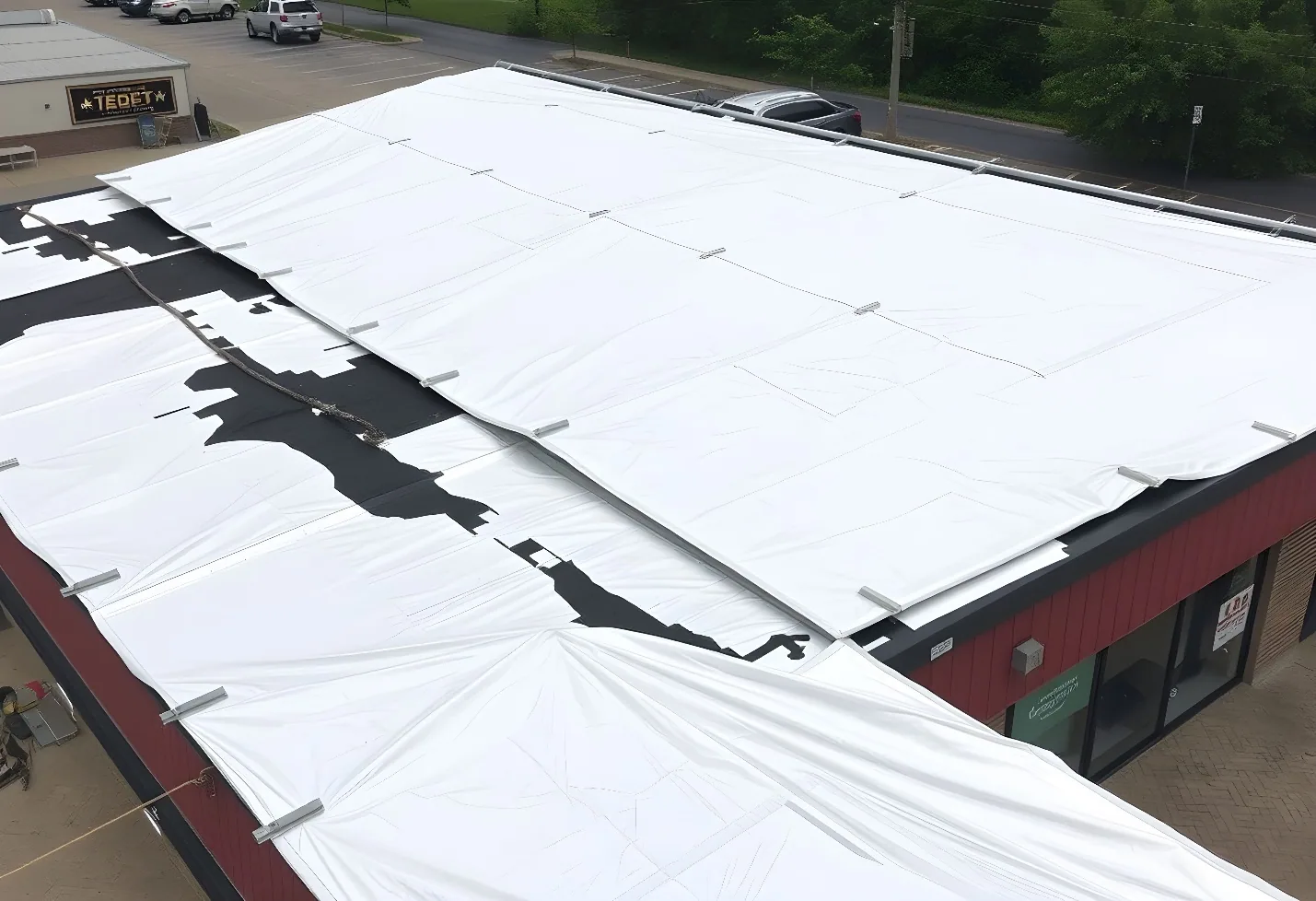
Photographs and a marked roof location help the team agree on the first action. Temporary weather protection can limit a known opening while permanent work is prepared. It cannot establish the condition of hidden layers. Emergency roof repair addresses an immediate exposure. The follow-up scope should state what remains to be opened, confirmed and rebuilt.
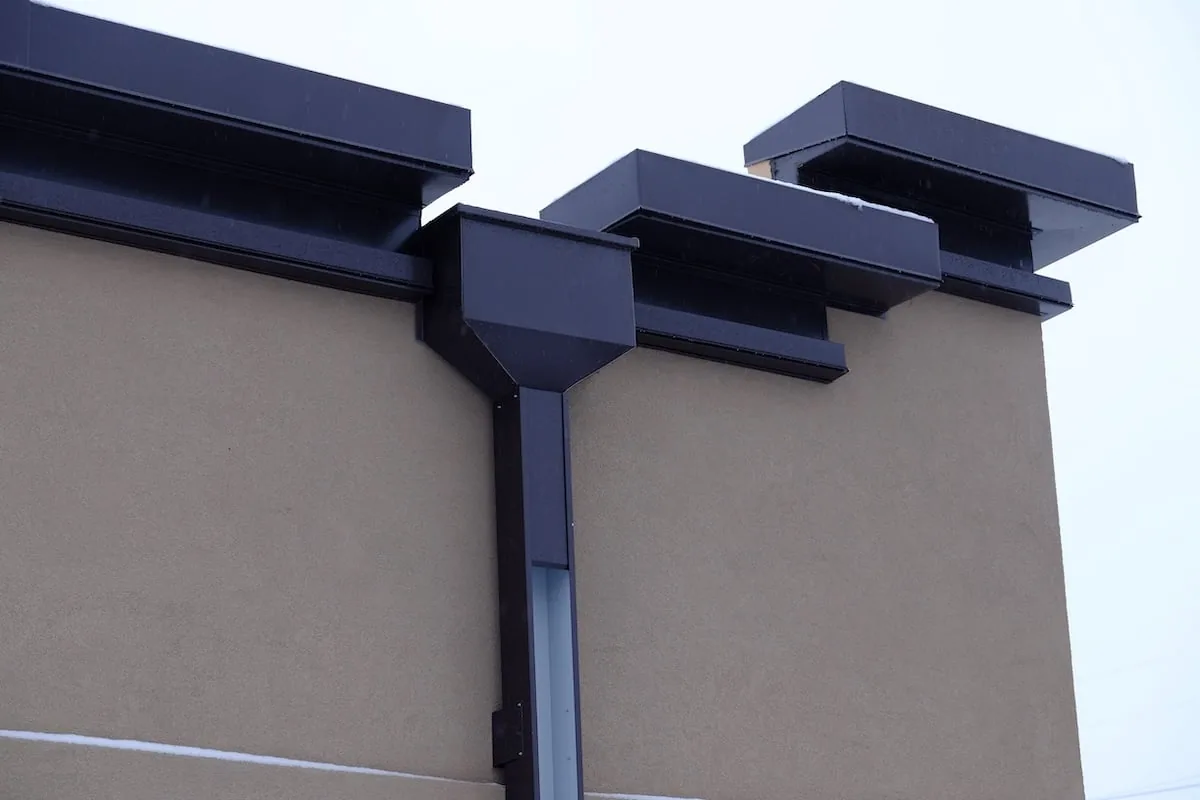
A wet receiving bay may sit beneath a roof outlet. The leak can come from the membrane connection, the bowl or piping below. Debris can also restrict the outlet and raise water around nearby details. Those possibilities call for different corrections. We examine the roof connection and coordinate investigation of the piping when needed. Clearing the top alone may leave another failure untouched.
A low area around the drain needs its own review. New insulation, a cover board or an added layer can change the local geometry. Raising the surrounding roof without resolving the outlet height can worsen the problem. We check the proposed finish against the discharge route. Drainage work should account for where water goes after it leaves the visible roof surface.
If the outlet needs rebuilding, the detail must suit the assembly. The receiving schedule should allow the opening to be completed and inspected. Roof drain and scupper work can address that connection. Structural slope or downstream piping concerns may require additional design or trade involvement before the roof scope is final.
The roof route and the freight route should be planned together. A delivery vehicle, lift or material landing can occupy space needed by warehouse traffic. We identify that conflict before setting the work sequence. The operator can then choose a staging period or alternate route. A plan drawn only from the roof view may miss the busiest activity below.
Stored roofing materials also need a loading review. The deck cannot be assumed suitable for a concentrated stack. Handling equipment may introduce loads beyond ordinary foot traffic. We describe the proposed placement to the owner. Questions beyond the confirmed roof condition go to the appropriate design professional. That decision belongs before delivery, when the route can still change easily.
The practical sequence brings materials close to each work section without obstructing the building. It should also protect finished roofing from repeated cart movement. A temporary route needs suitable support and a clear removal responsibility. Distribution center roofing connects these handling choices with the roof repair boundary and the daily receiving plan.
Daily removal should match the crew's closure capacity. A long warehouse bay may invite a large work section. That section can be too large if hidden wet layers slow removal. We plan an initial boundary and a response to changed conditions. The owner should know which finding would reduce the day's opening or require a different receiving arrangement.
A repair edge must meet material capable of supporting the permanent connection. Weak surrounding membrane may force the boundary outward. Damp insulation may require removal below that edge. We record those findings rather than covering them to preserve an early quantity. An agreed unit or allowance can handle unresolved extent without hiding the risk in a vague description.
Before leaving the section, we examine its closure and exposed transitions. Any temporary condition needs a location, method and inspection responsibility. If weather or a delivery restriction changes the next day's plan, the receiving team needs that update. The closure record gives the operator a clear basis for releasing the protected bay back to normal use.
The final record should be useful to the next facilities person. We show the roof finding, the confirmed work boundary and the completed detail. Where layers were opened, photographs explain what remained and what was removed. This record separates the repaired defect from other areas that still need attention. It also gives purchasing a practical way to compare later proposals.
A recurring water mark needs review against that record. The same room can receive water from a new source. A repaired drain connection does not prevent an unrelated pipe leak. We recommend observation suited to the original finding and any remaining concerns. The owner should know what symptom would trigger another roof visit and what might need a different trade.
For a broader project, repeated defects become part of the capital decision. Their location and frequency matter more than an unconfirmed roof-age assumption. A focused repair may be reasonable where the surrounding assembly is sound. Widespread weak connections may support a larger scope. We inspect warehouses and distribution buildings around the Port of Oakland and help operators make exactly that call.
Arrange a logistics roof walk in Berkeley. Send the affected bay location and receiving constraints. We will review the opening, show the repair boundary and explain how material handling and daily closure affect the work sequence.
Request a Roof Assessment