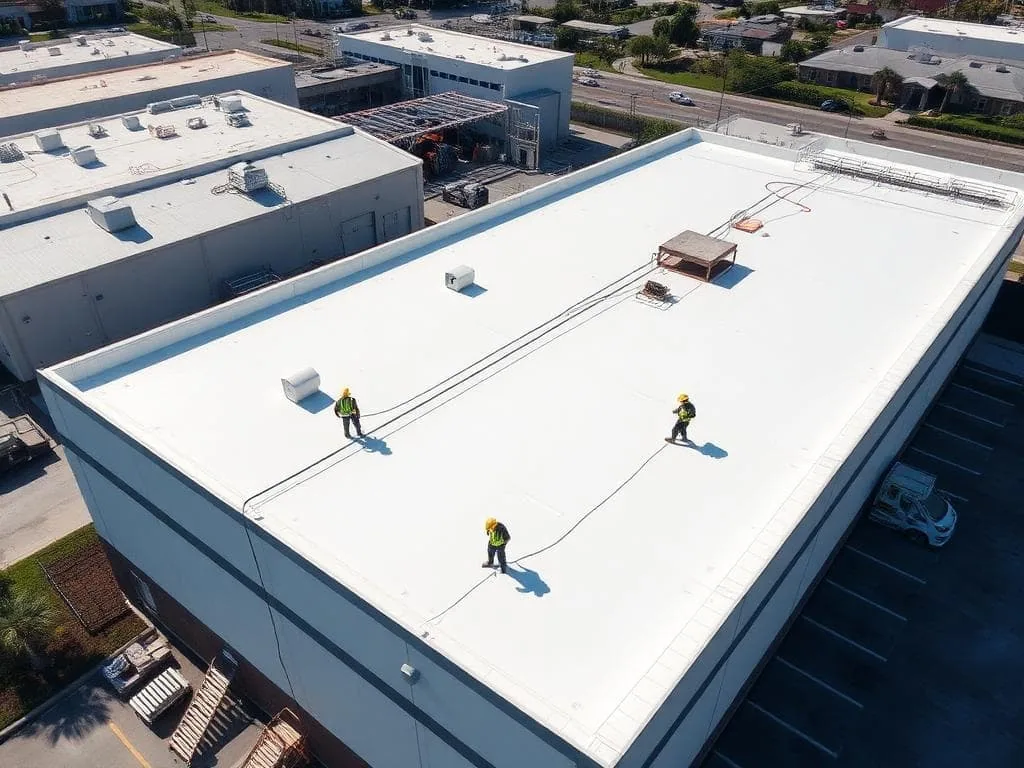
Roofing for public agencies in Berkeley, CA: clear inspection reports, defined repair scopes, and work planned around public access, staff and building operations.
Industries We Serve | Berkeley, CA
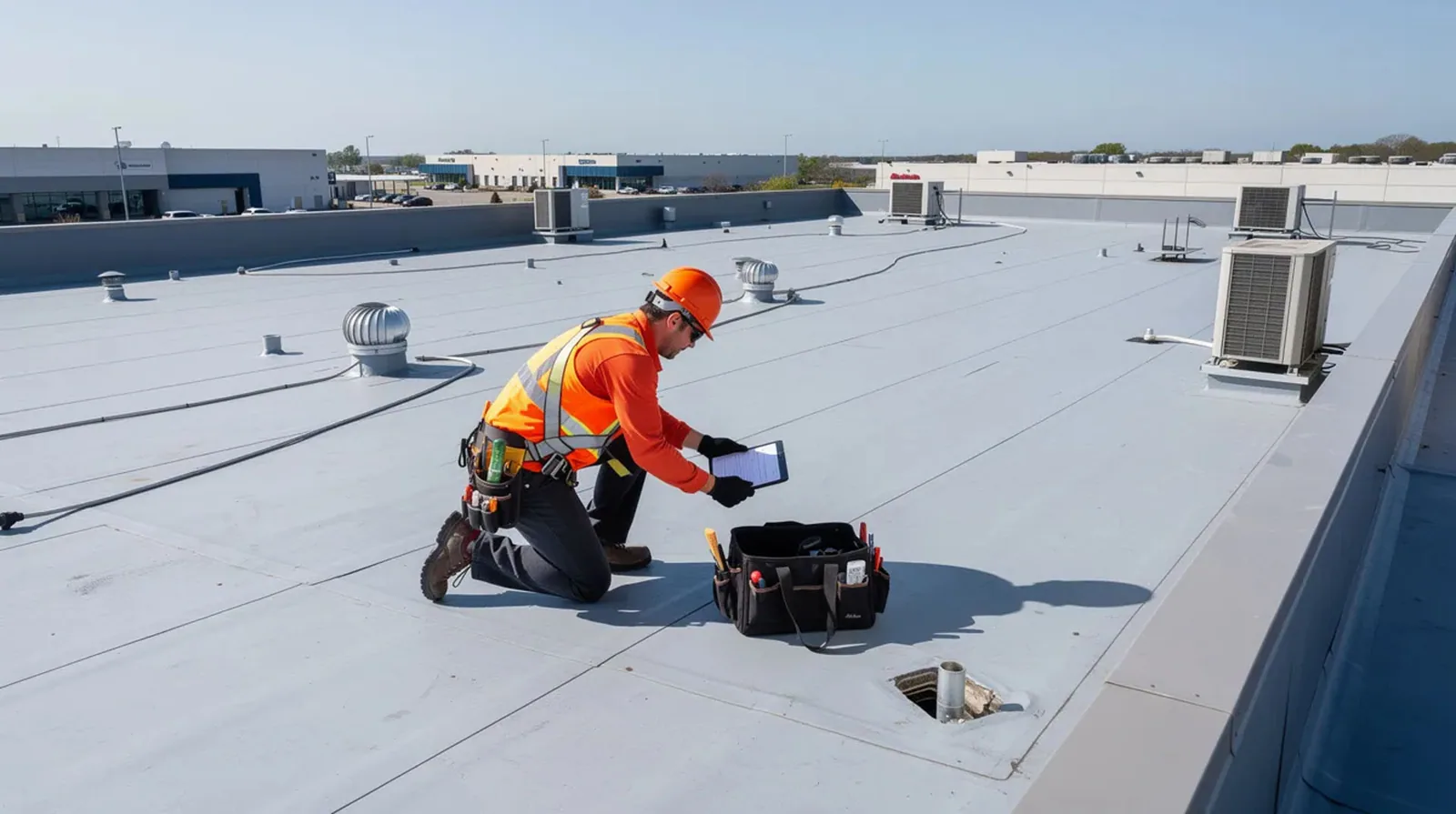
When the parapet flashing opens up on a public office building, the agency needs a repair it can describe, approve and budget. Roofing for public agencies in Berkeley, CA starts with tying each finding to a specific repair. We inspect the wall flashing and the substrate behind it, and we note anything we couldn't confirm. A general "poor condition" rating hides the details that actually need fixing. The agency gets photos and a plain explanation of what we found. If a mason or mechanical contractor is needed too, that's listed alongside the roof work.
Public-building roof work has to preserve access and protect the people using the facility. We inspect the parapet, flashing and drainage details tied to the reported issue, then set a repair boundary based on material condition. Downtown Berkeley civic buildings, West Berkeley’s industrial and research properties, and Oakland public facilities have different uses beneath their roofs. The public-building parapet assessment should identify the actual wall connection and any supporting question before removal proceeds.
Each finding names the problem and where it is, such as a split in the base flashing at the northeast parapet corner. We record the membrane, the flashing termination and the substrate around it. Photos show enough of the surroundings that someone else can walk to the spot. A tight close-up alone isn't enough. If we couldn't see something without cutting into the roof, the report says so. A neighboring area that looks fine isn't assumed to be fine underneath. The agency sees exactly what repair addresses each confirmed problem.
A roof condition report lists what we saw and what we couldn't confirm. We separate the visible damage from any cause that still needs investigation. Past repair records can show what materials were used before, but we check them against what's on the roof now. A report from another building doesn't apply here. If an open question affects the repair, we explain what it would take to answer it and whether that's worth doing.
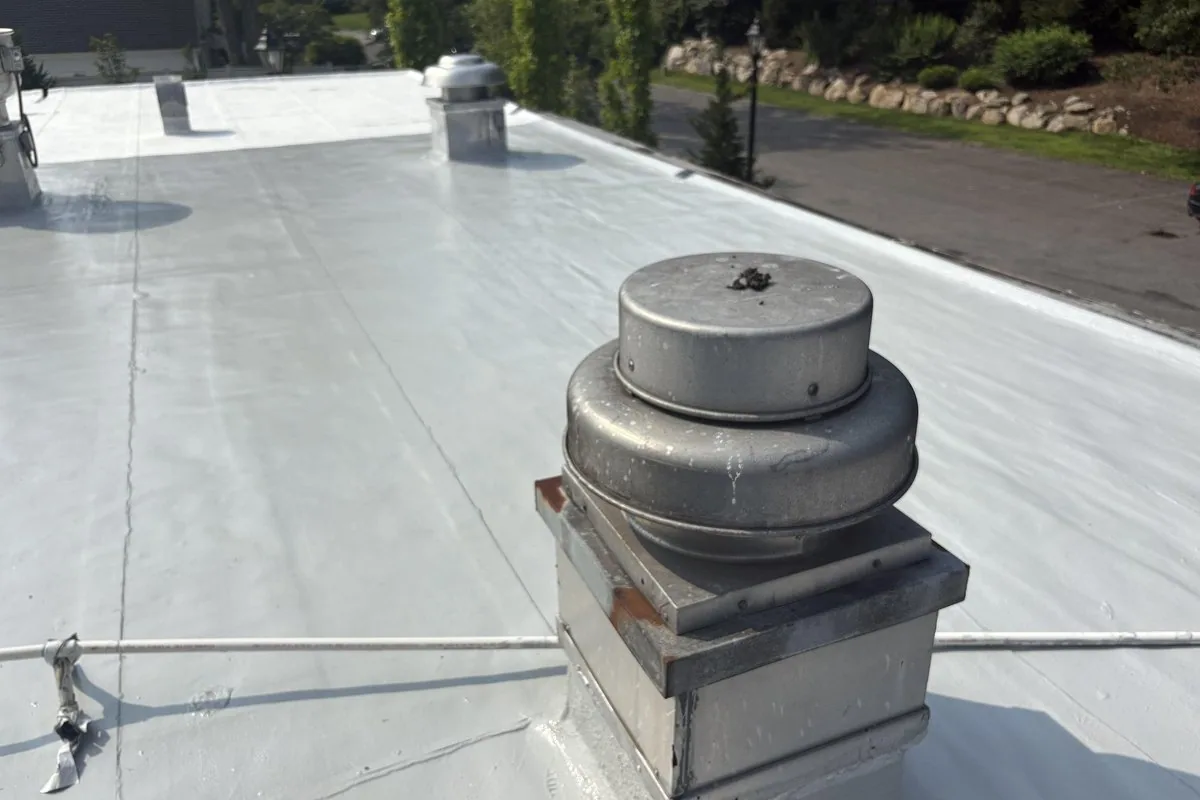
New parapet flashing needs solid wood or board behind it to fasten to. We check that substrate before deciding what stays and what goes. Suspected rot is noted as suspected until we confirm it. Confirmed damage is replaced as part of the repair. If the new layers are thicker, the flashing has to fit the new height where it meets the existing roof. A bigger patch on top won't fix a rotted nailer. The repair should end at sound material around the damaged area.
Replacing insulation and cover board under the repair follows what testing shows. The proposal lists what will be removed and replaced. If more damage turns up, it's measured and approved through the agency's change process. The roof stays temporarily sealed while that happens. Structural concerns go to an engineer. The agency knows which decisions are still open, and work on other sections can continue.
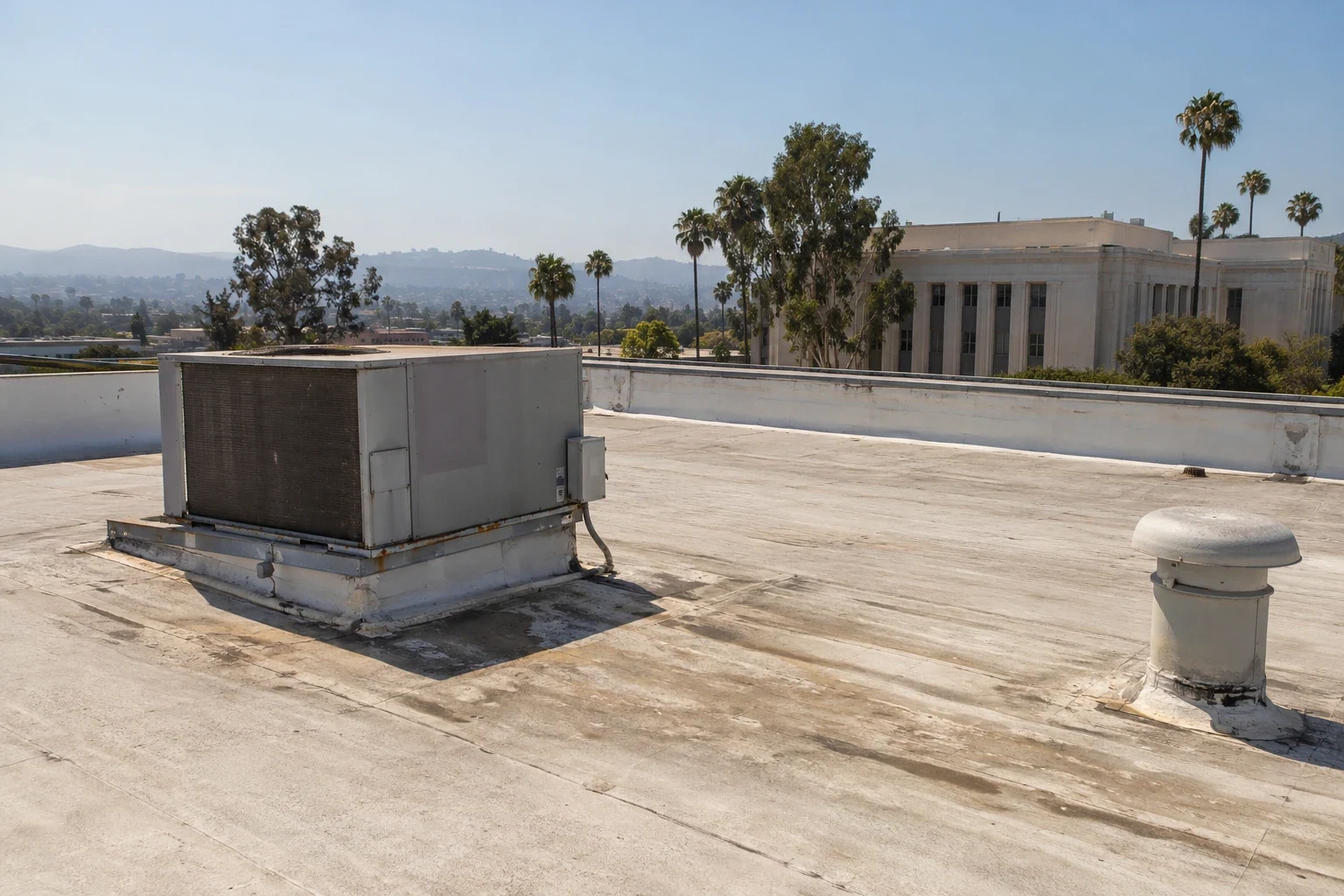
A cracked parapet cap or bad mortar joint can let water in above a perfectly good roof flashing. We point out what we see, but the wall itself needs a mason or wall contractor to evaluate it. Rooftop units can also hold up a curb repair until the mechanical contractor is done. We list those dependencies so the agency knows before any shared detail is opened. A roof-only budget won't cover another trade's work. Each contractor's job and the order of work should be clear.
When a general contractor is handling nearby work, we mark where the roof work begins and what prep it needs. The GC finishing their part doesn't mean the roof flashing is done. If equipment sizes change, the flashing parts may change too, so we confirm dimensions before ordering. Product choices go through the agency's normal review. Each trade finishes its own part and signs off on it.
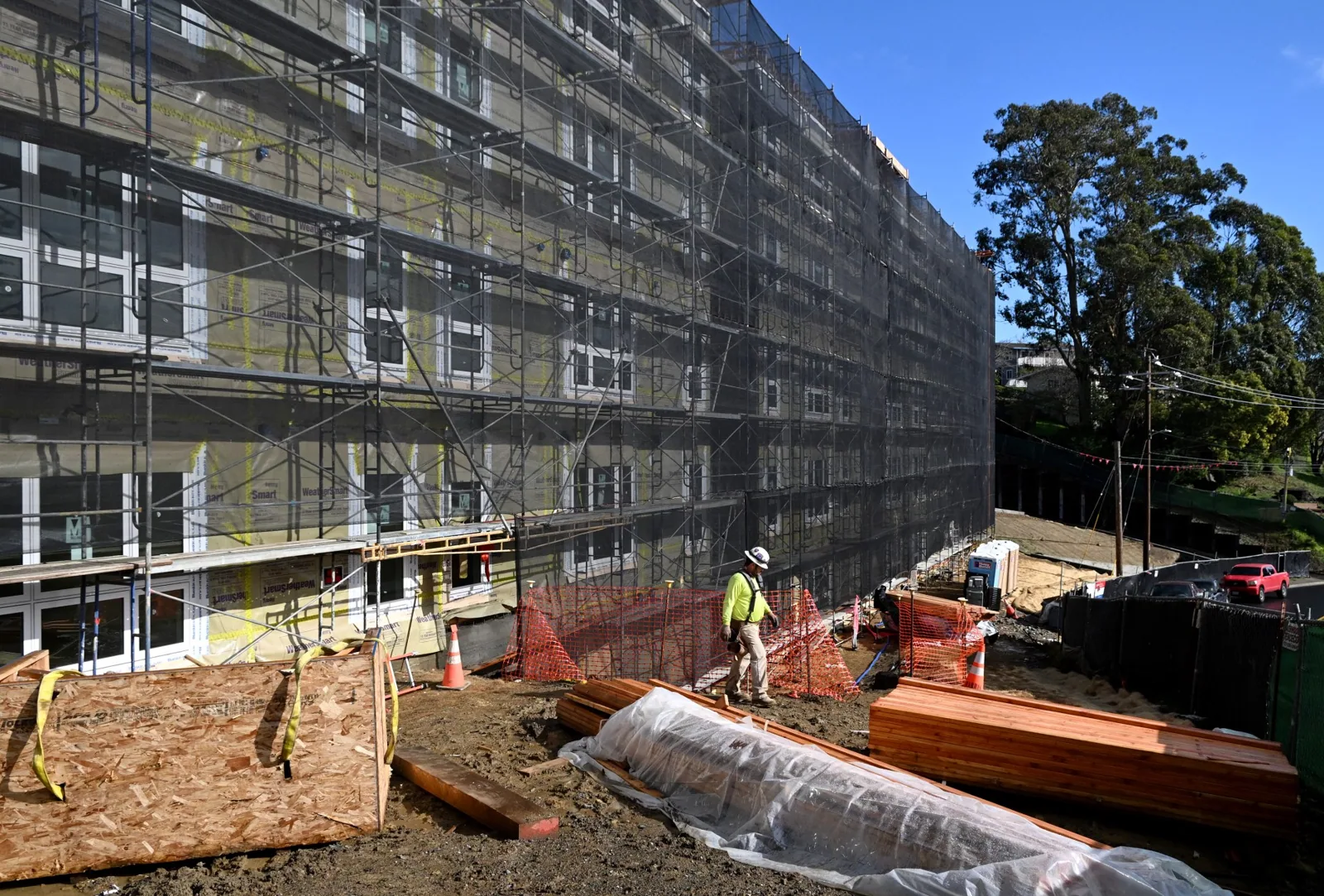
An agency roof schedule depends on what the building can safely release. We coordinate the opening and daily closure around public access, room use and equipment clearance, while the agency identifies required operating controls. Berkeley’s hills and Bay-side buildings can see different exposure, and Richmond’s port-side properties have another local setting. A Downtown Berkeley public roof project still receives its own material findings, access limits and record of completed exterior work.
Reroofing an occupied public building means protecting staff and visitors below. We plan each day's opening and how it gets sealed within the agency's rules. If we find more damage than expected, we stop and report it before opening more. Temporary seals are labeled, along with what permanent work remains. Ceiling and interior damage is evaluated by the interior trades. A finished roof doesn't mean the interior is cleared. The agency gets a status that keeps those things separate.
The closeout record shows exactly what was installed and where, with photos of substrate repairs and finished flashing. Any agreed inspections or tests are included. Work still pending with other trades is listed separately. Warranty questions get checked against the actual warranty document; the membrane brand doesn't tell you what's covered or what alterations are allowed. If the manufacturer has to confirm something, keep their written response. The roof record shows what was built, not what the warranty covers.
Agencies that also manage school district buildings should still keep separate findings for each building. Similar use doesn't mean similar roof condition. Future equipment changes should be logged against each building's roof record. If a new leak appears, we inspect the roof as it is then. The earlier record shows what was fixed, but it doesn't mean a new leak has the same cause. Open items stay on the list with a specific next step.
Send us the building and the problem area. We'll inspect it and explain what the repair involves in terms you can take to your approval process.
Request a Roof Assessment