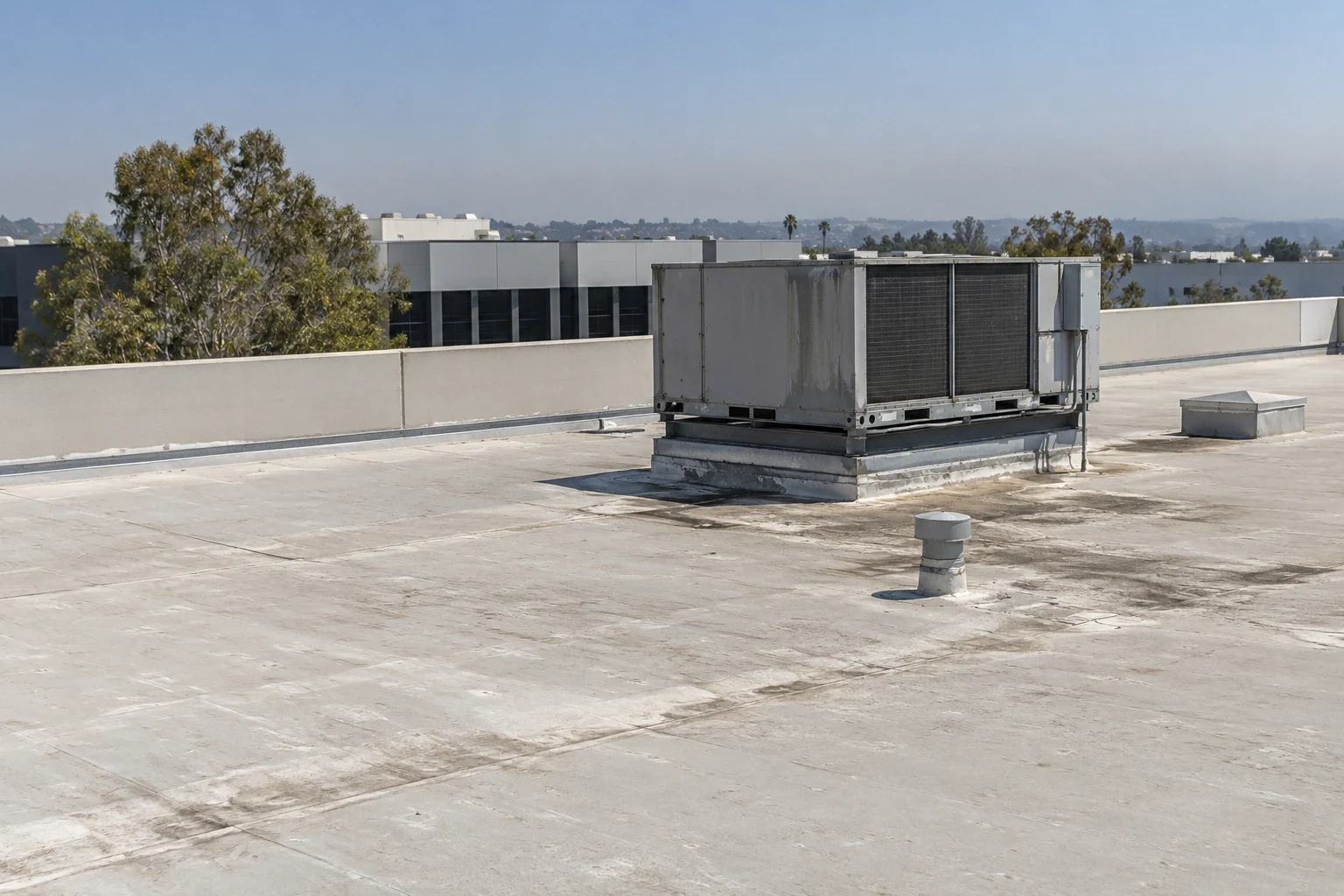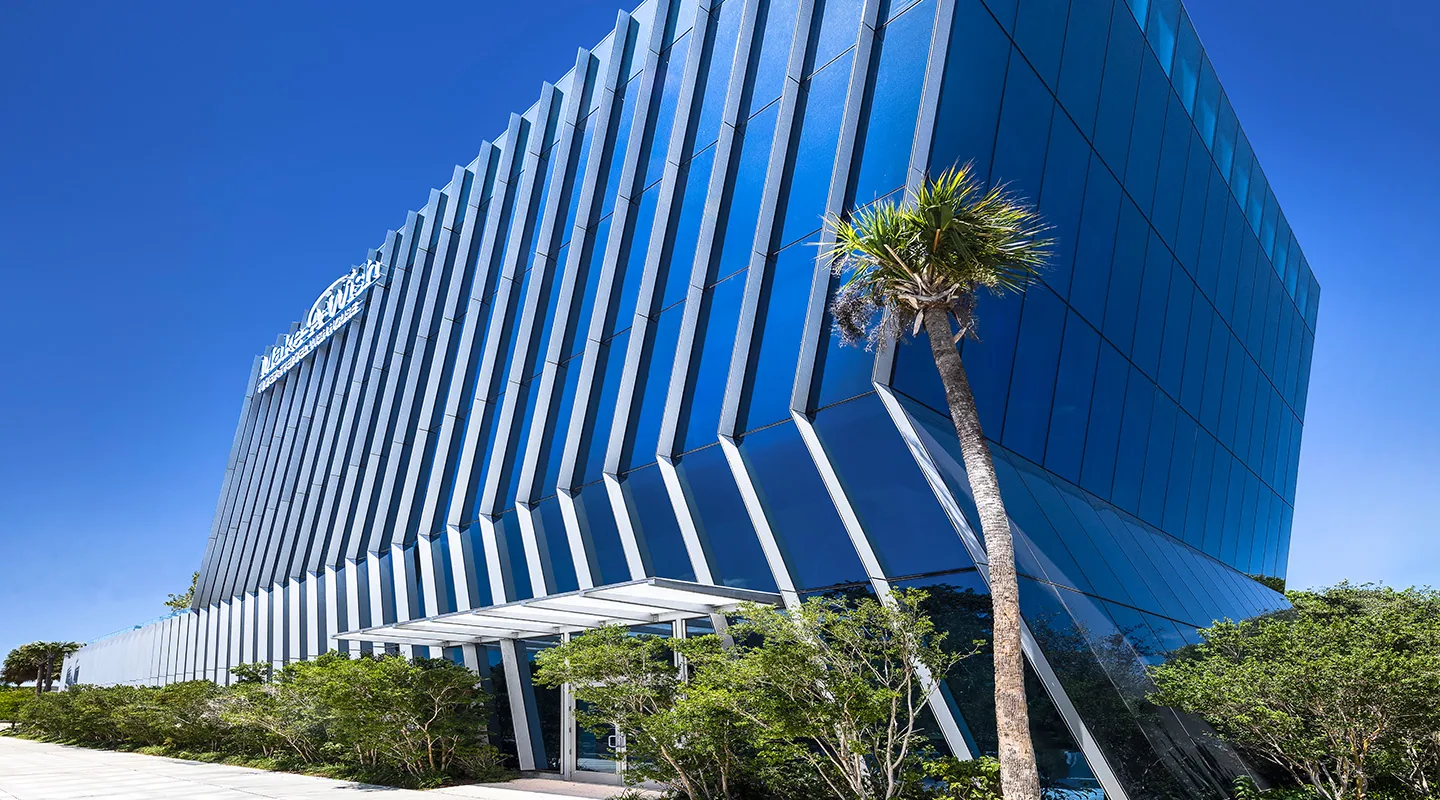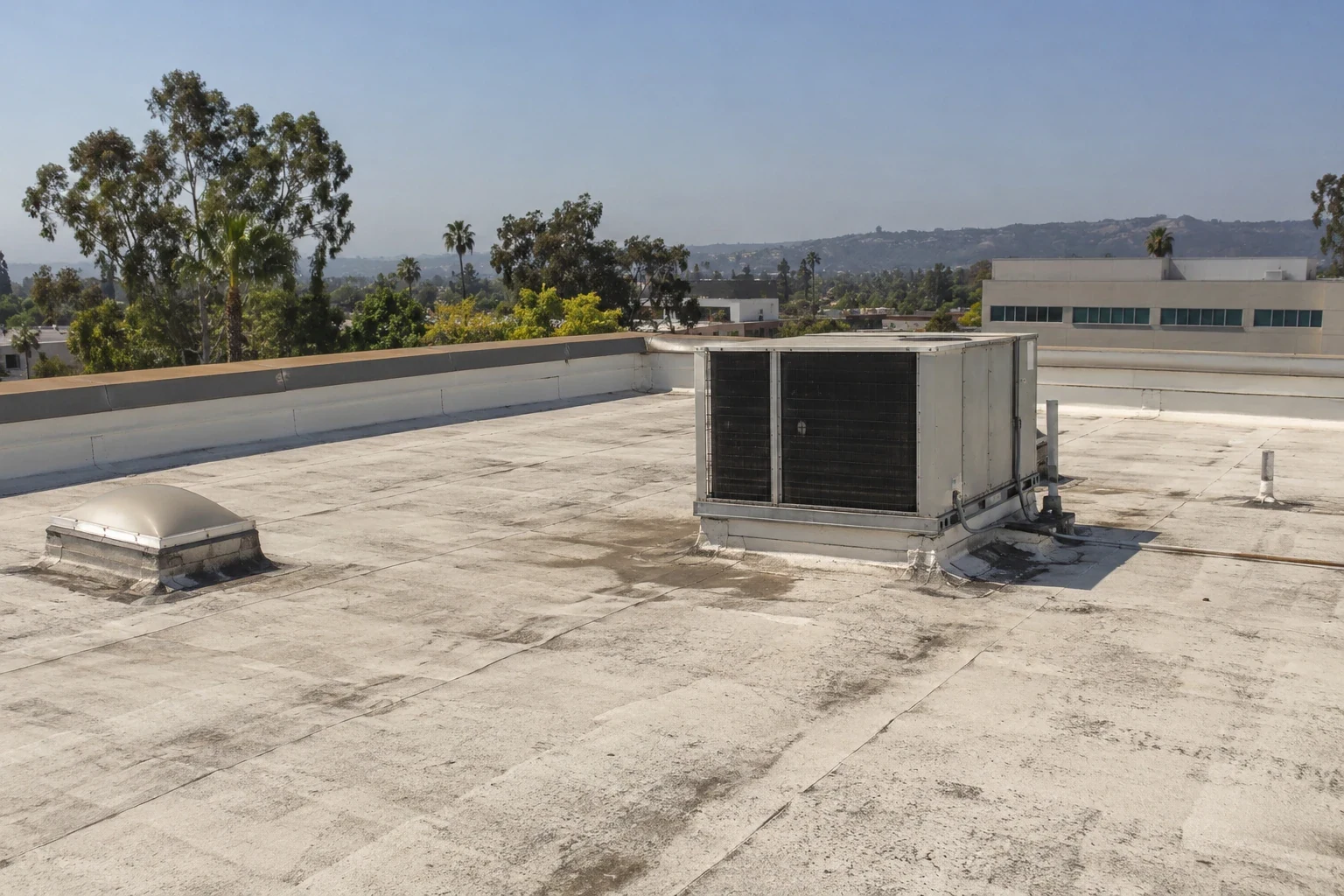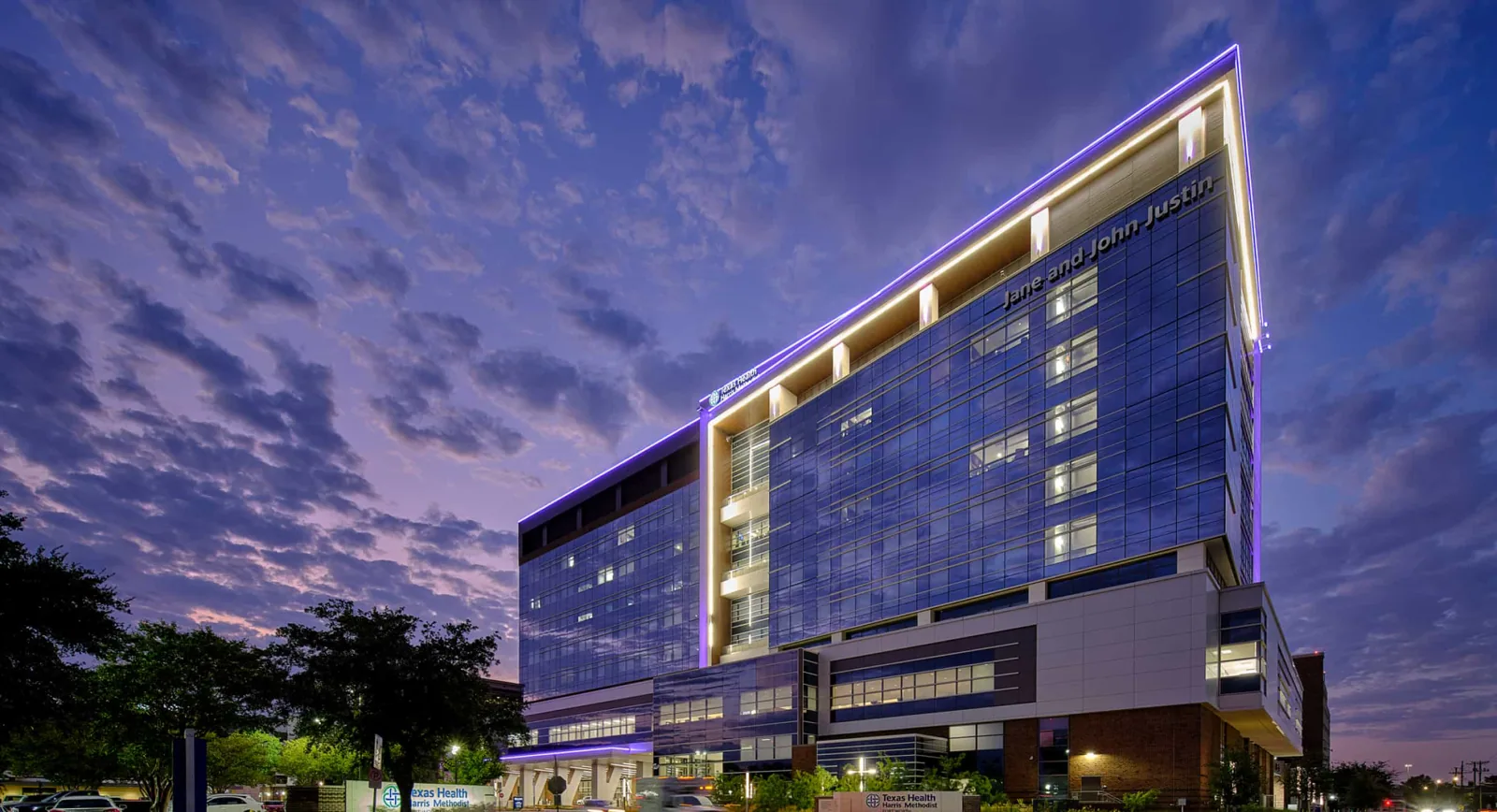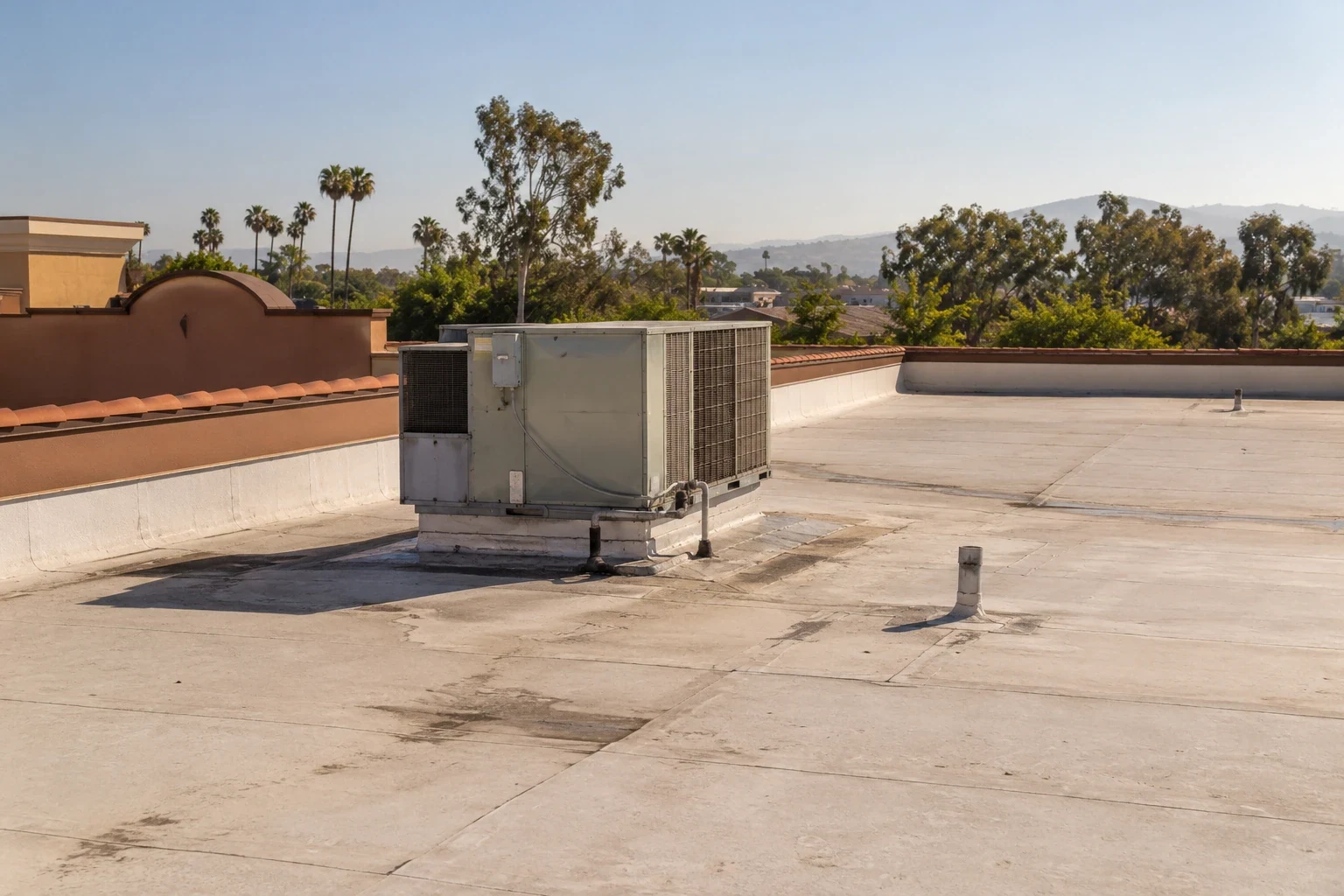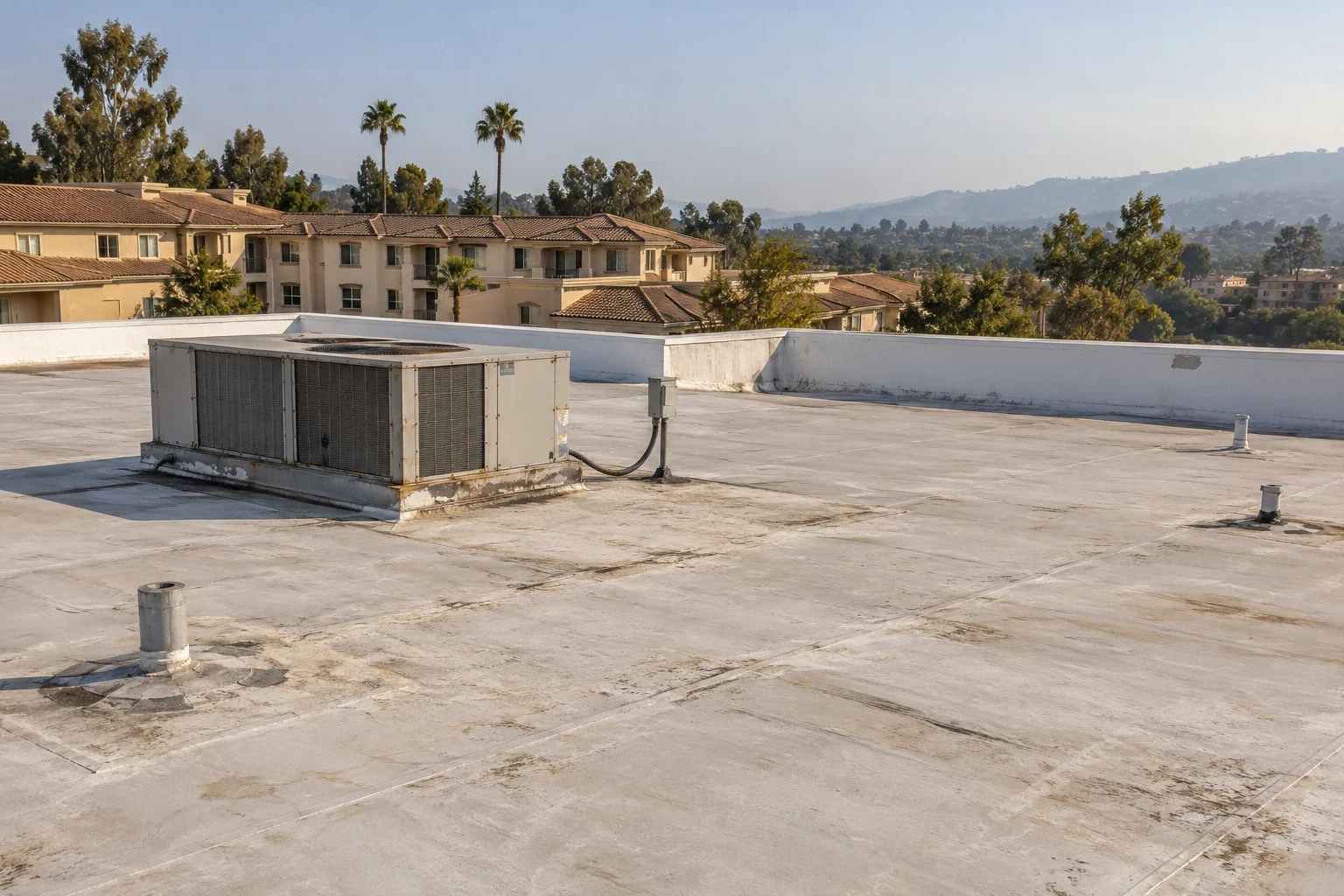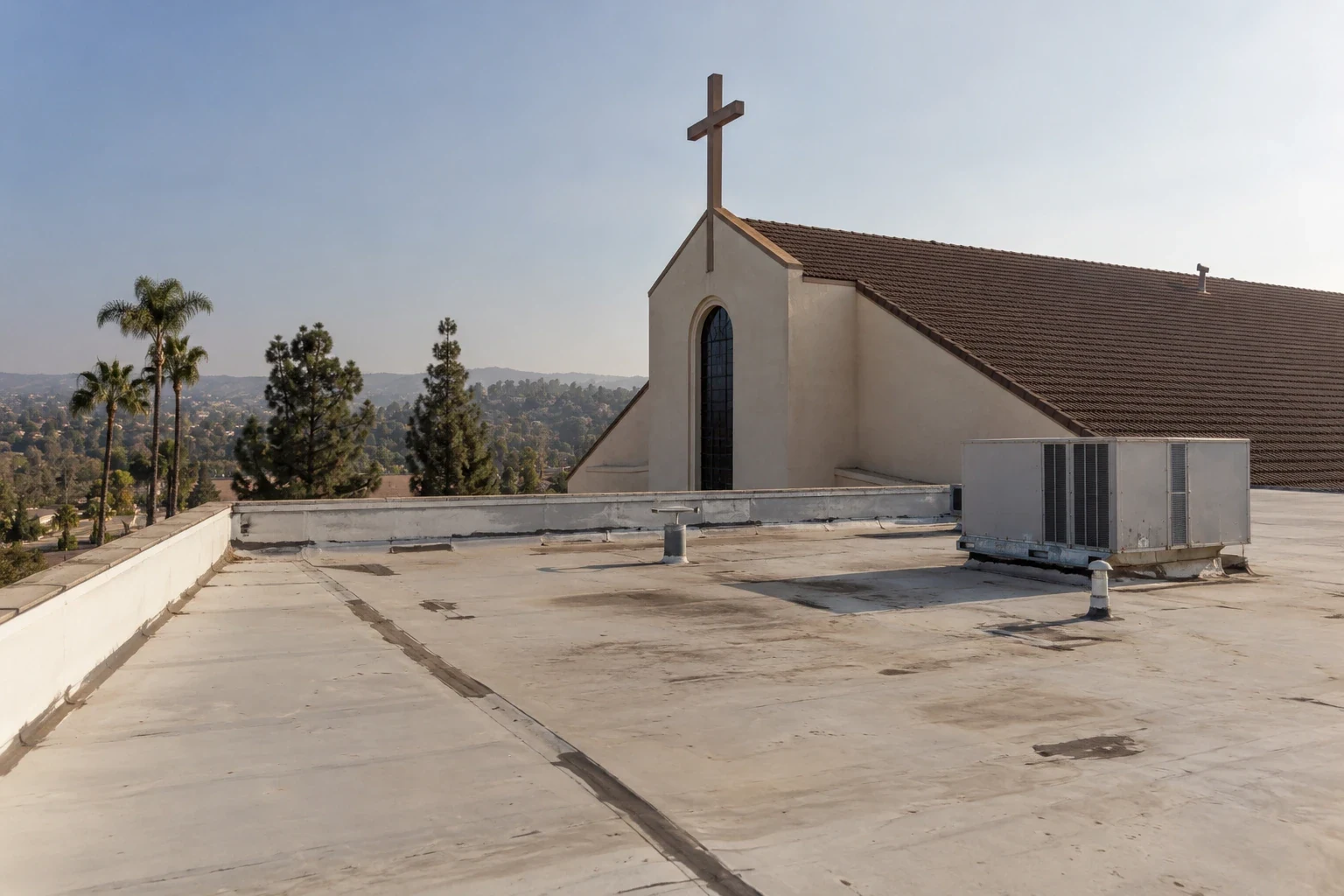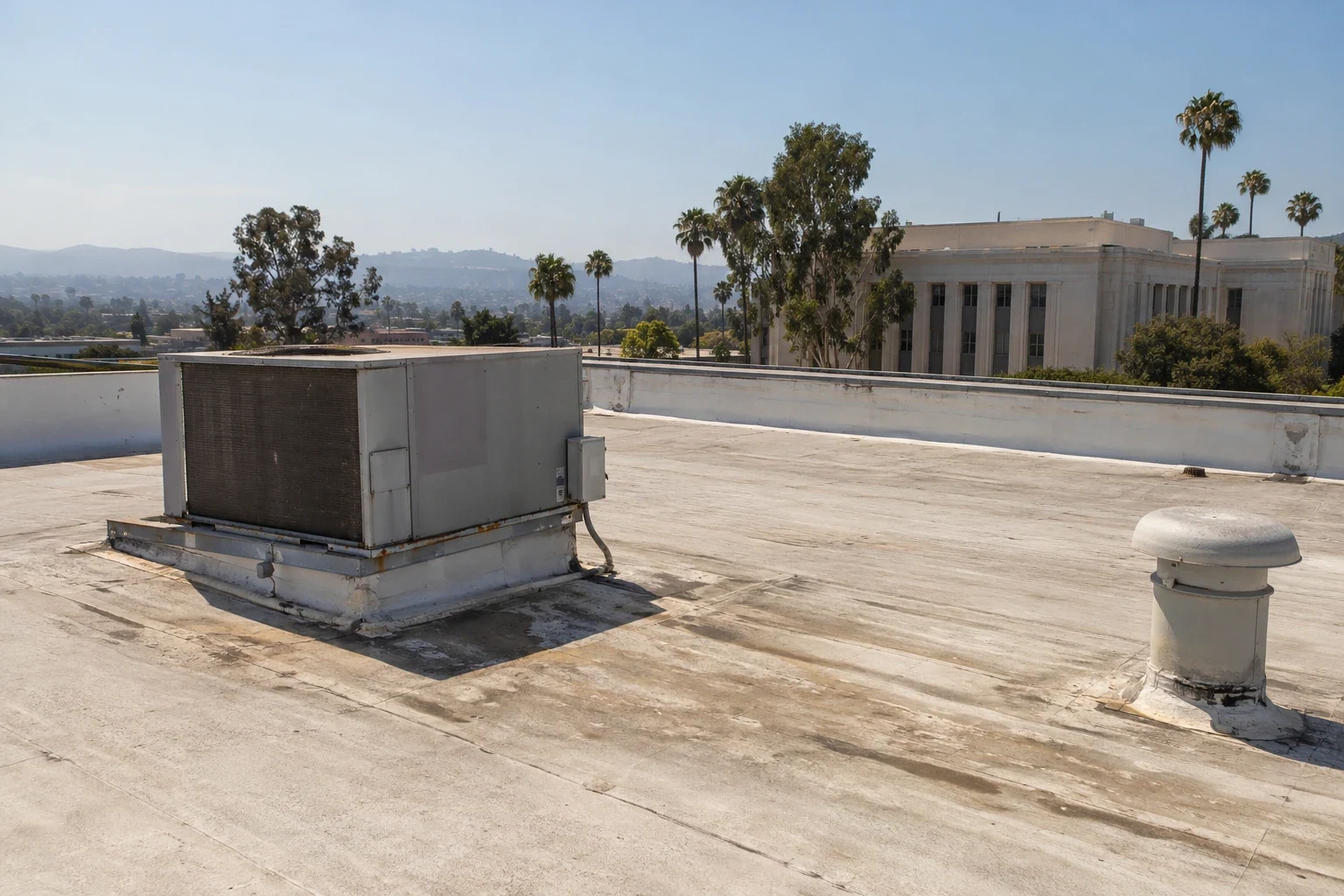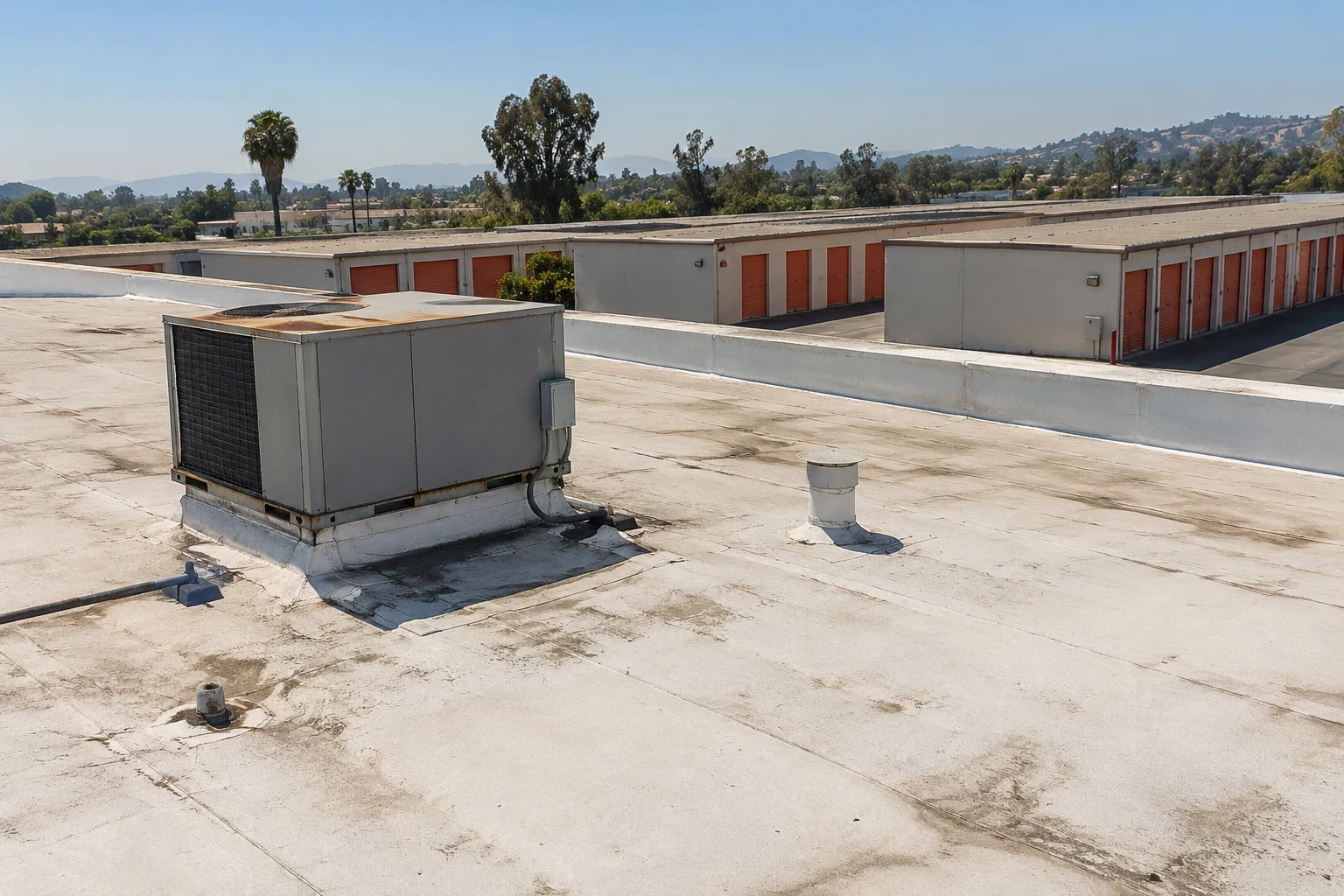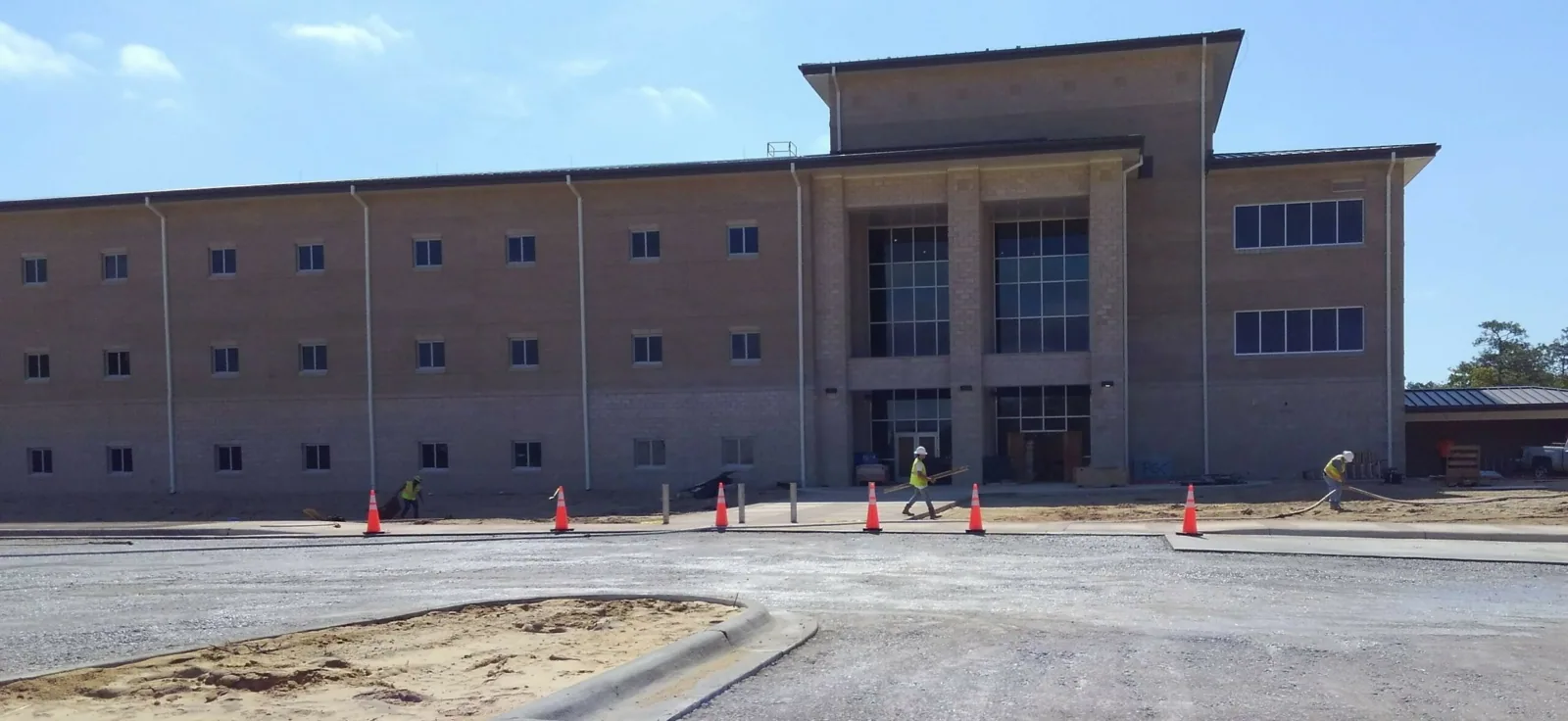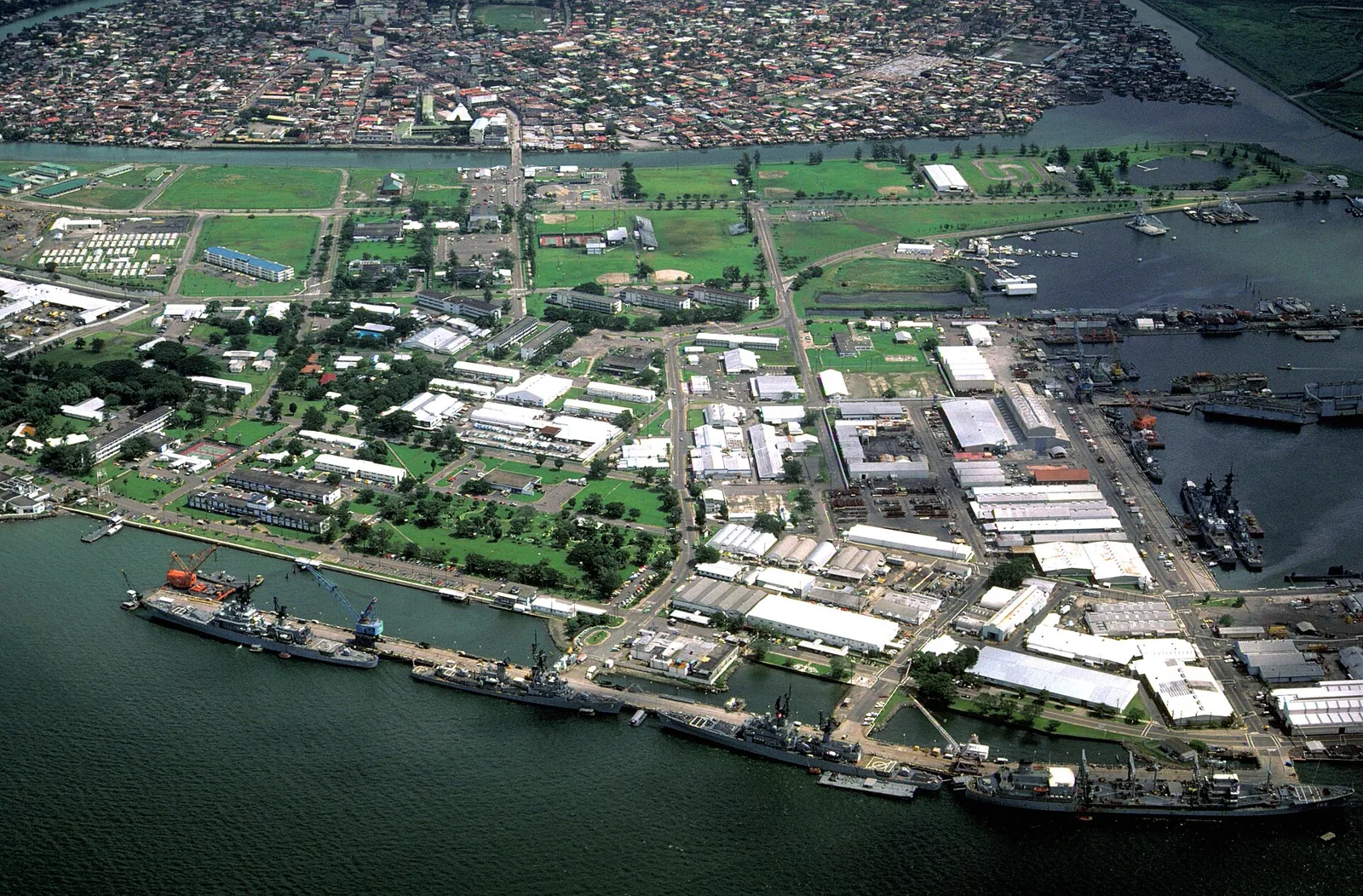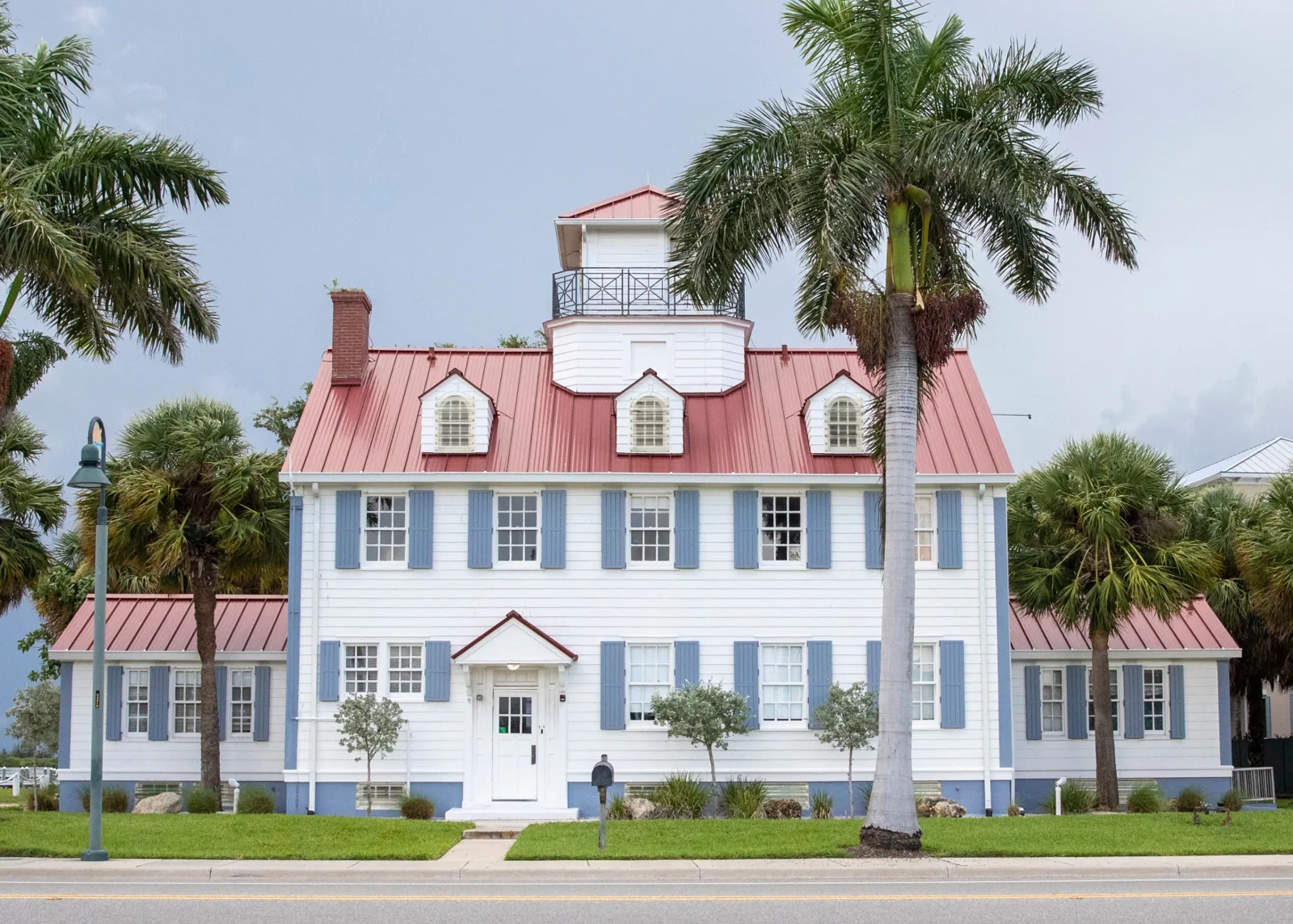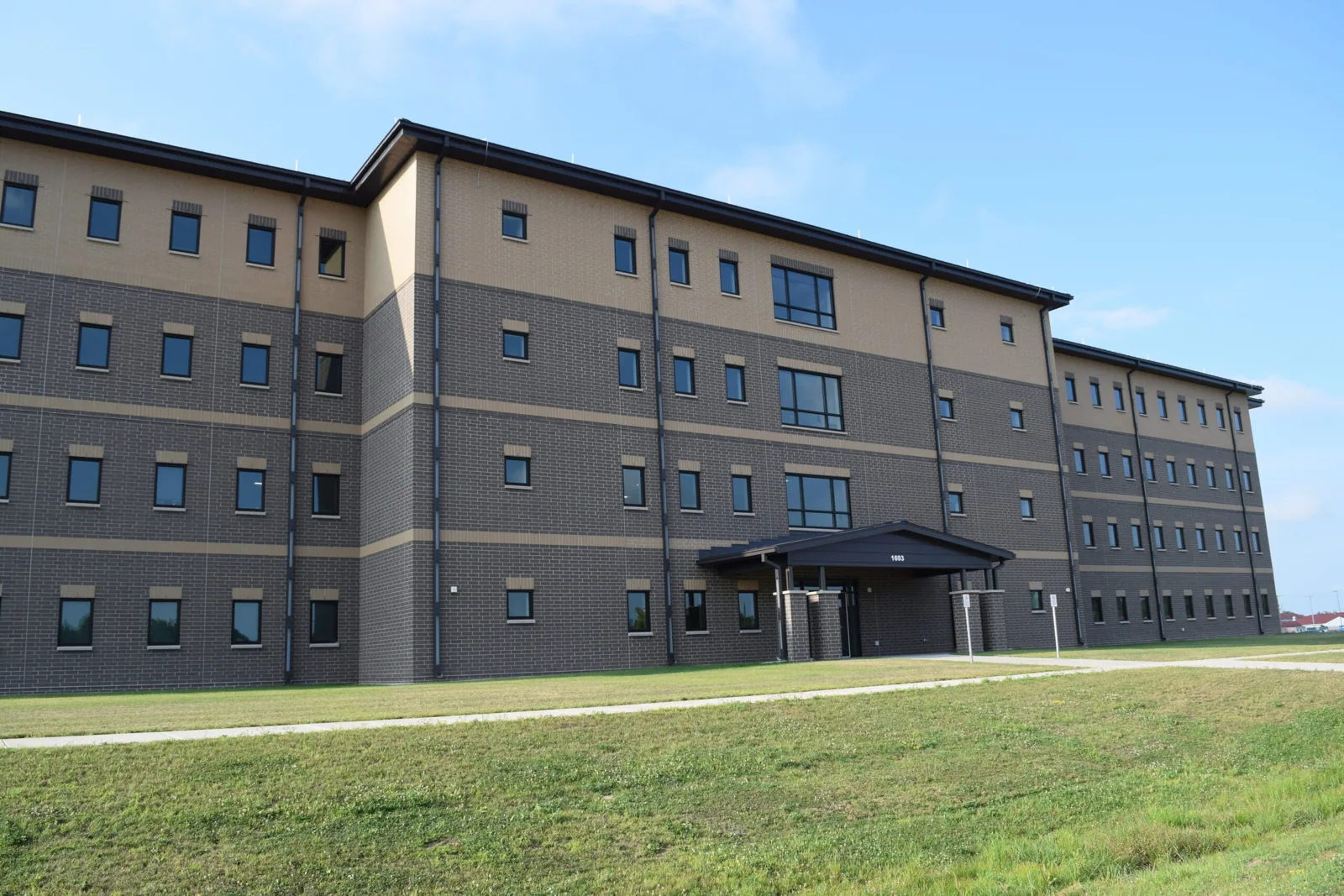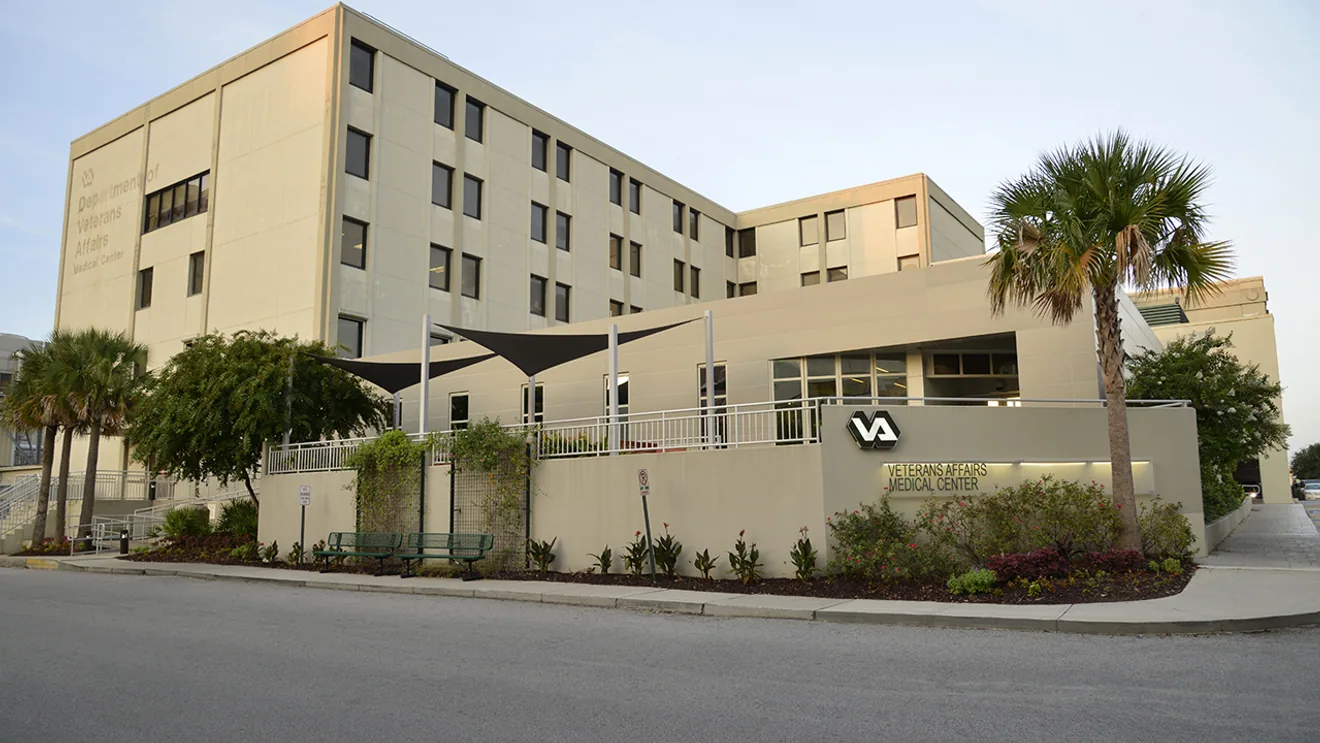
What's under the roof changes how we plan the work. A warehouse full of stored goods, a medical office seeing patients and an apartment building with residents each need different protection while the roof is open. We still inspect the roof itself before choosing a repair. Warehouse roofing plans cover stored inventory, forklift aisles and crane lifts. Medical office roofing takes clinical spaces and rooftop air handlers into account. Similar-looking roofs can have very different problems underneath, so each building gets its own inspection.
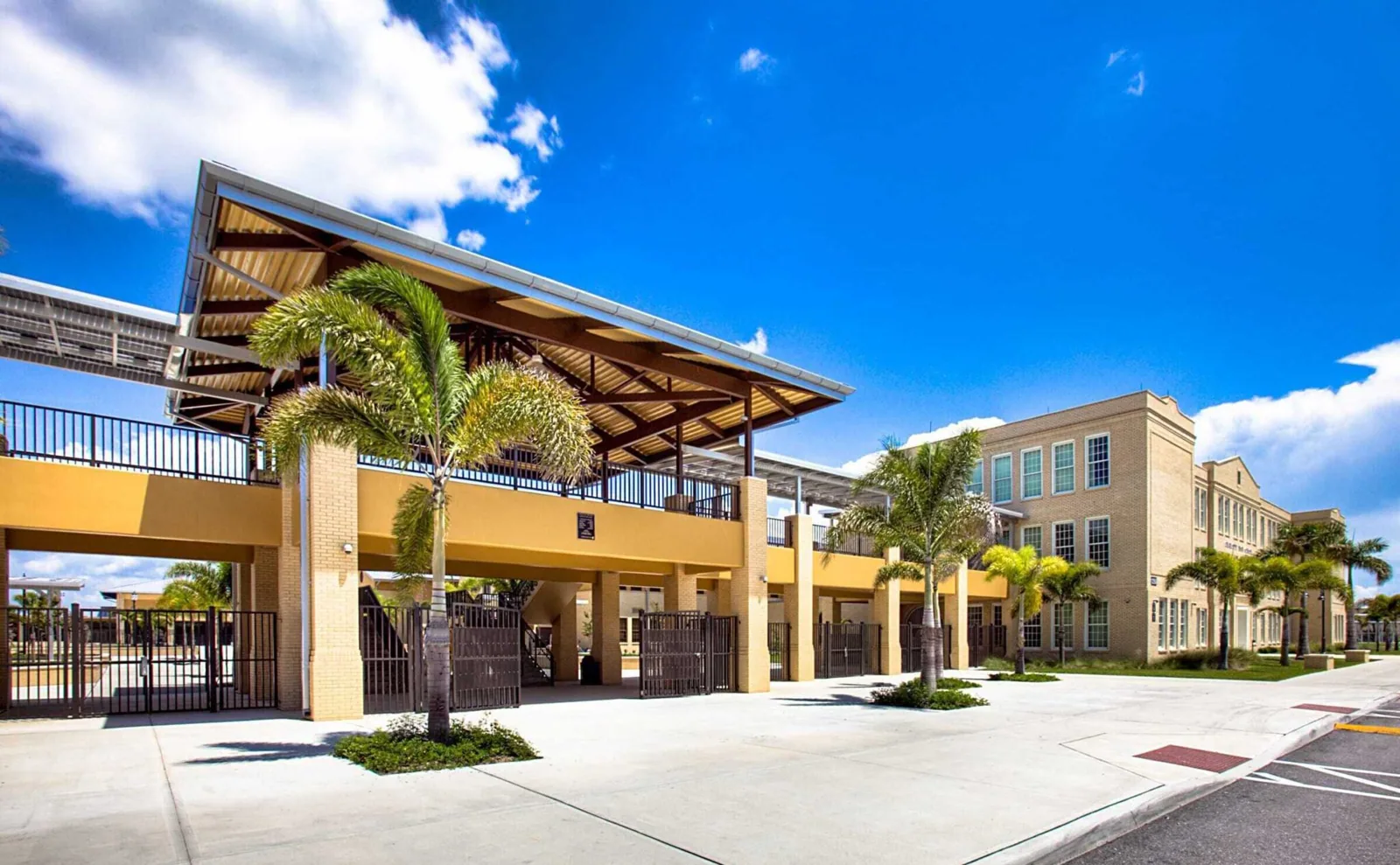
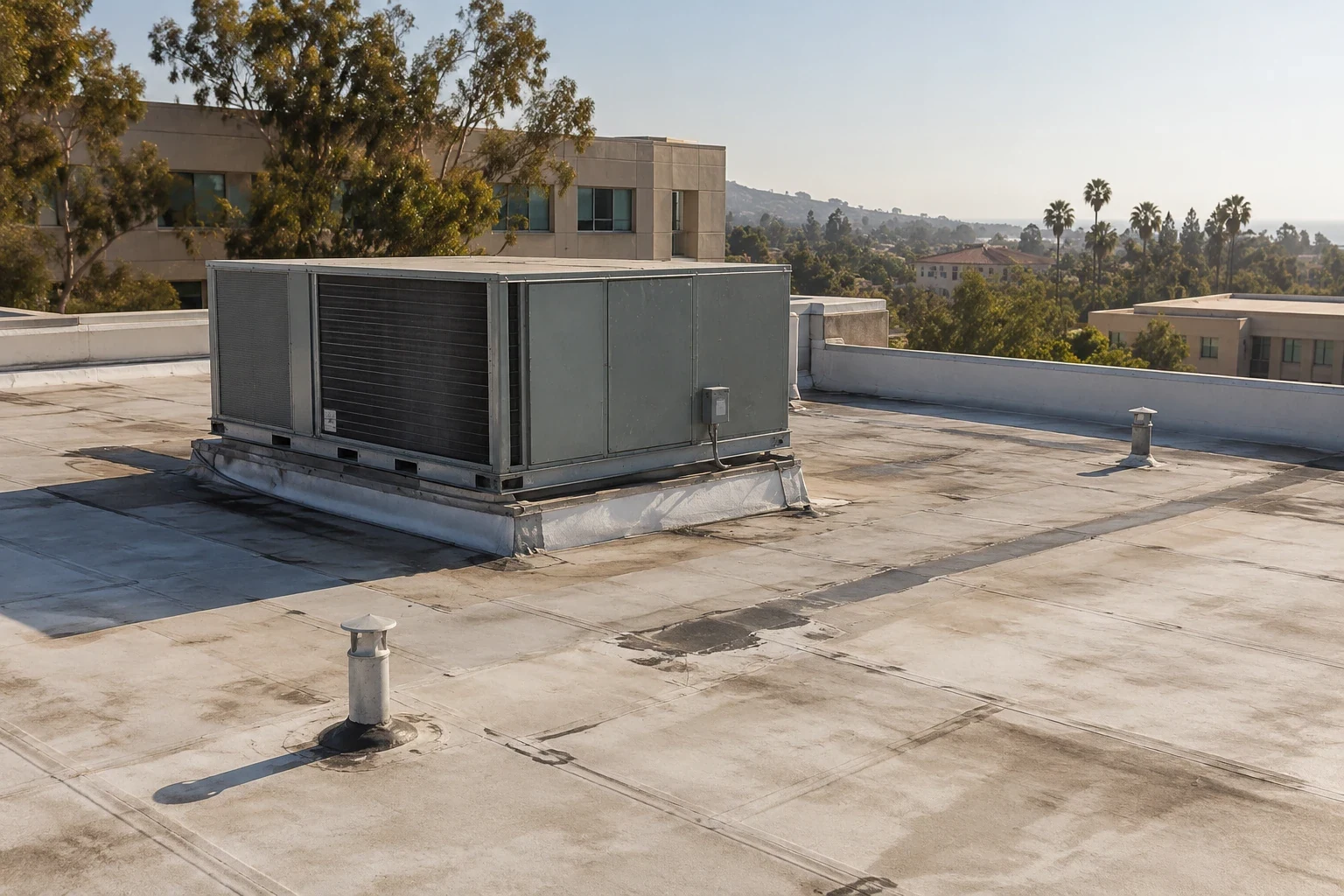
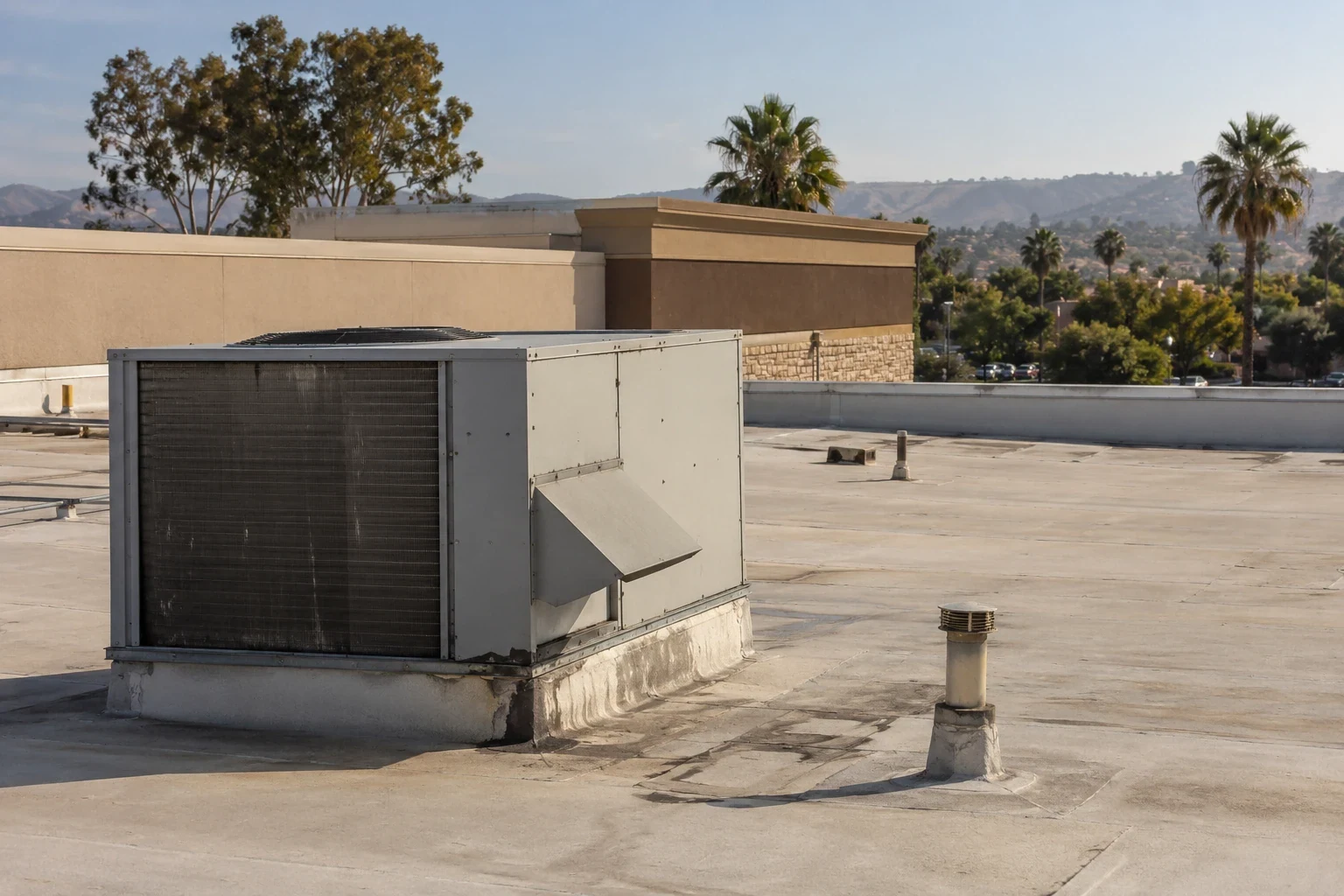
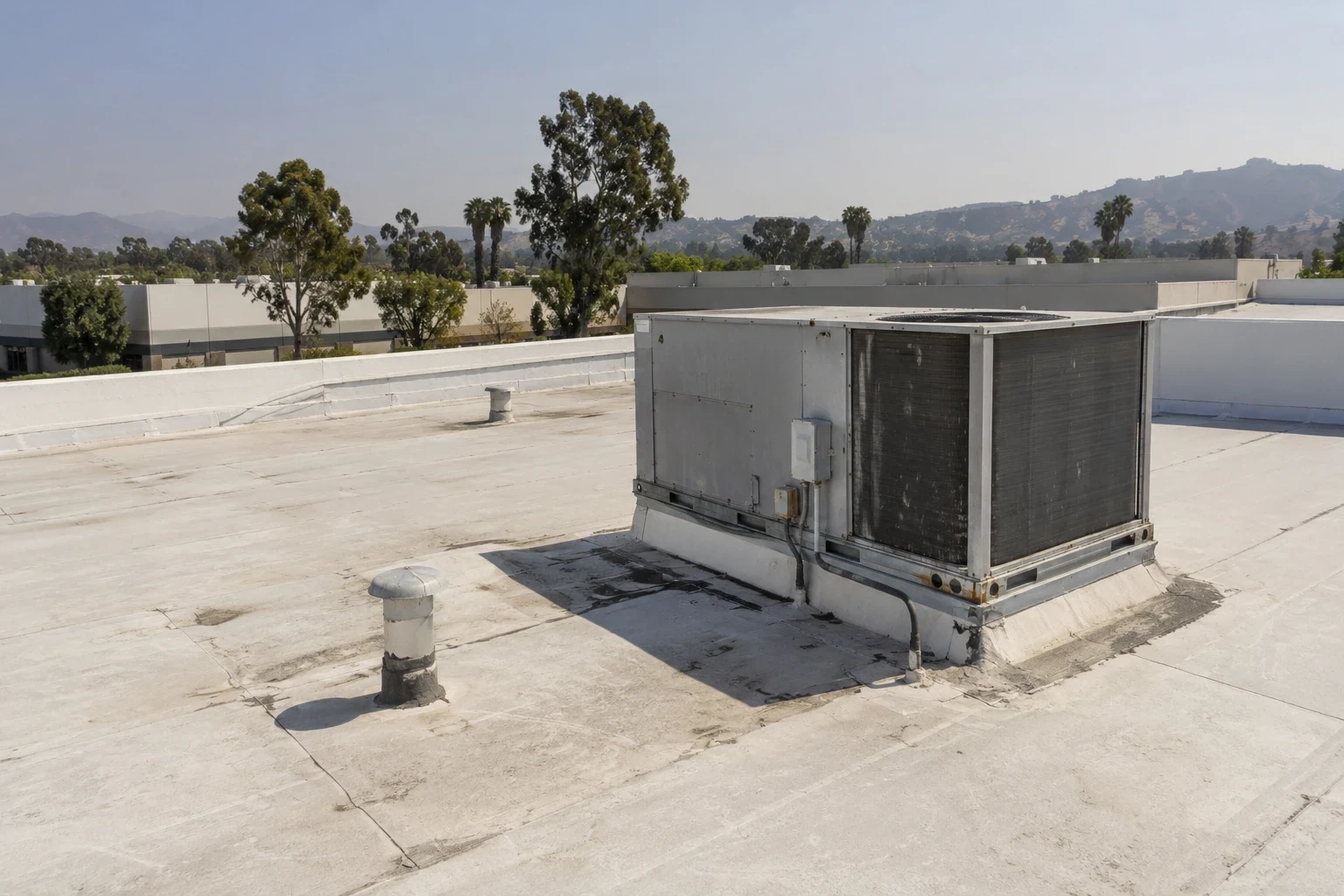
On industrial roofs, equipment often sits right where repairs are needed. Manufacturing plant roofing means coordinating with plant staff and mechanical contractors around exhaust fans, ducts and process equipment. Campus buildings often have expansion joints that have to move as the building moves. College and university roofing checks those joints and the materials around them. Patching the field won't fix a failed joint or a rotted curb. Each recommendation explains what the problem is and what the repair involves.
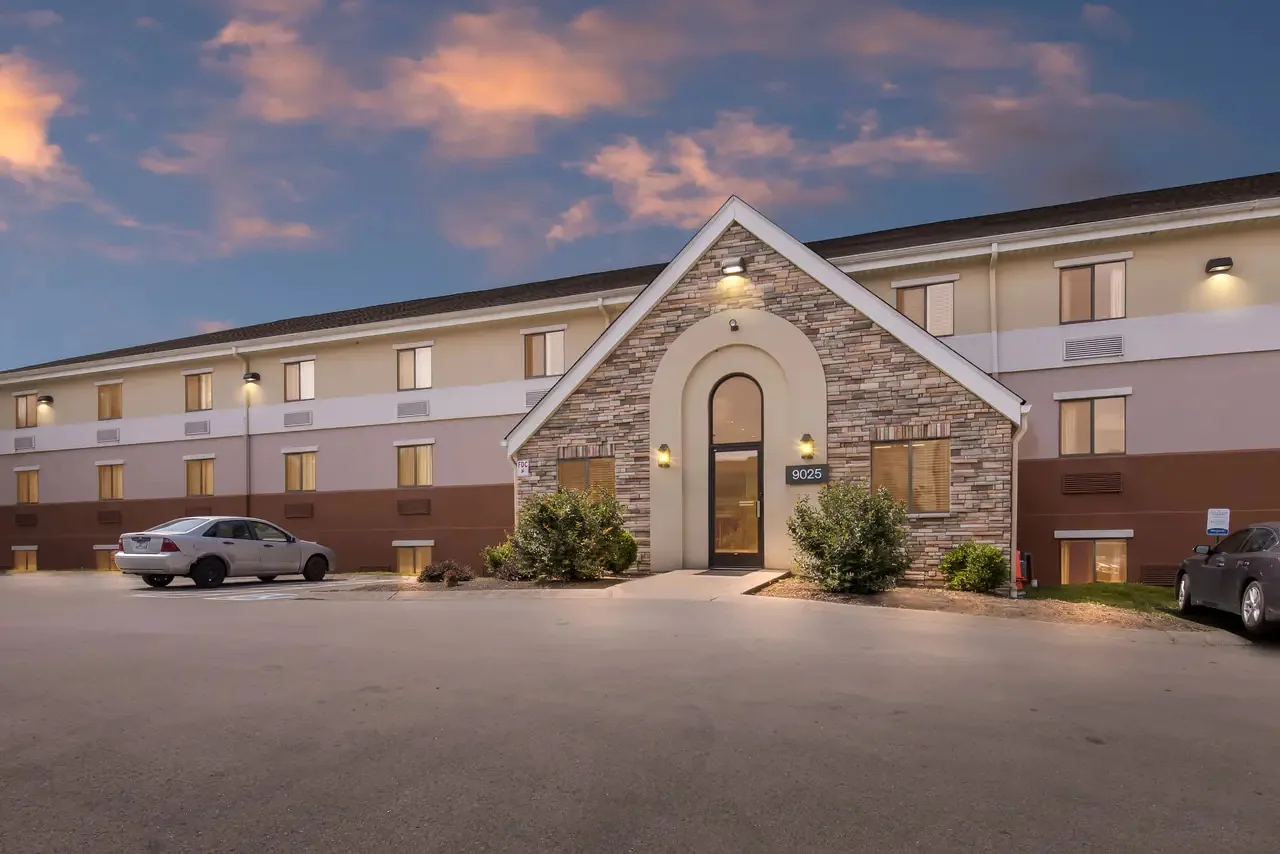
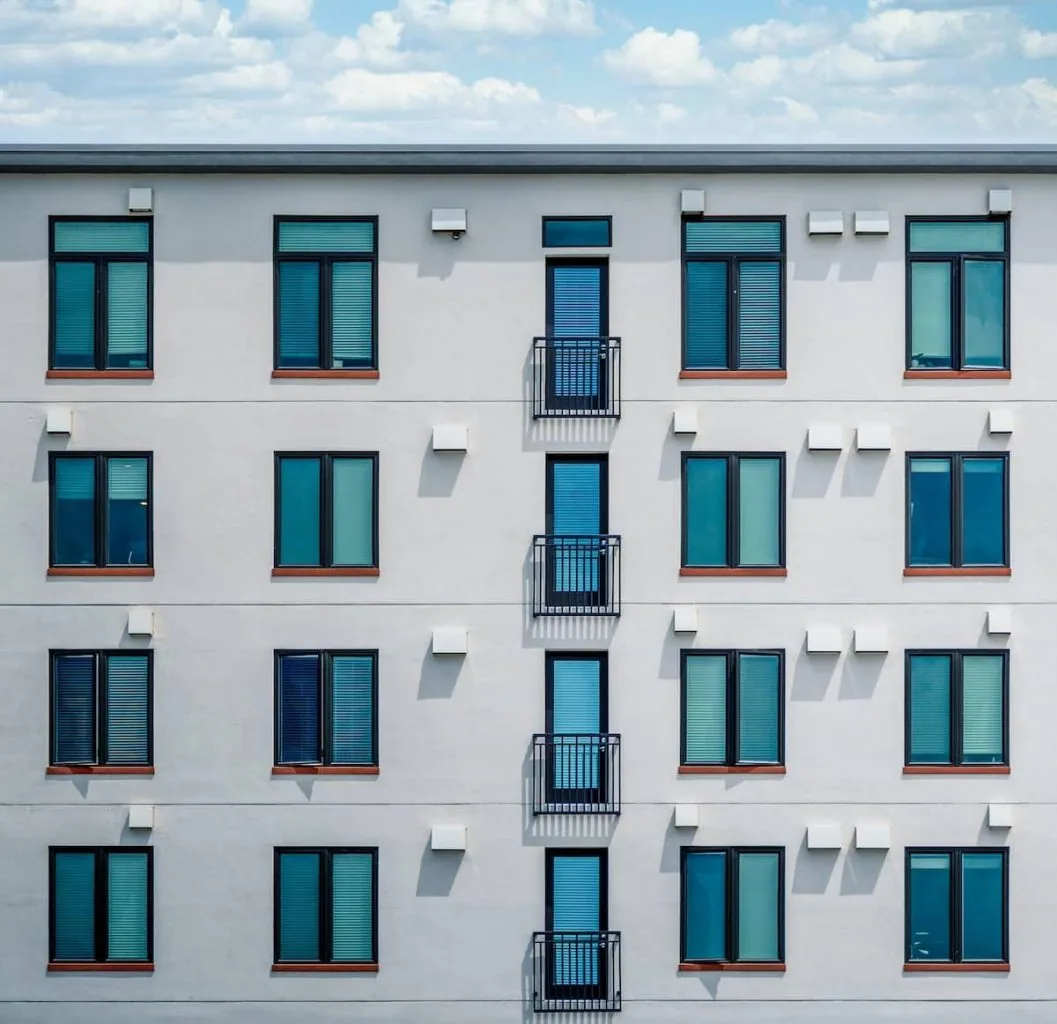
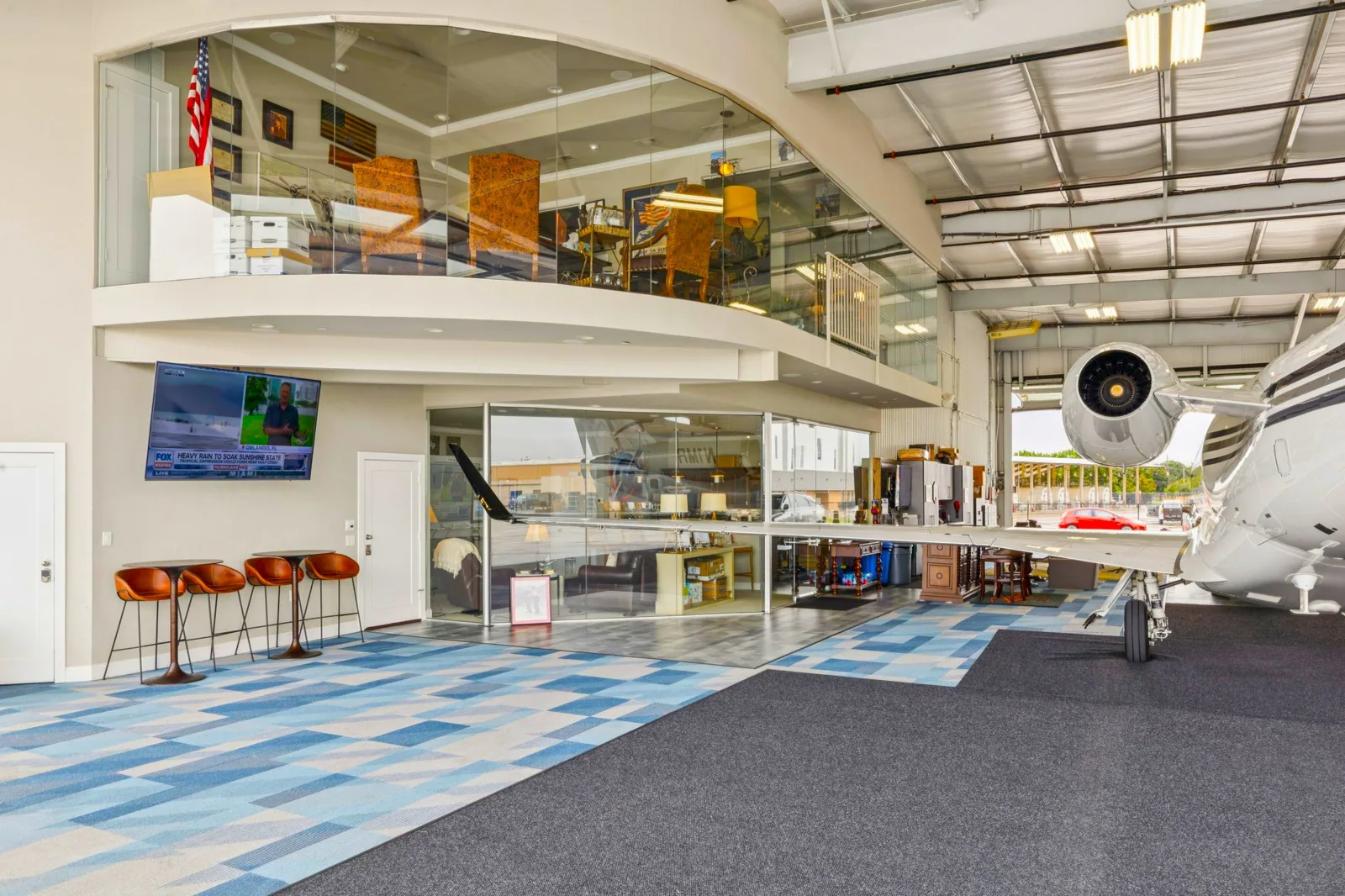
Opening a roof can affect more than the room with the leak. Apartment roofing plans account for resident access, noise and the rooms under each day's work. Aircraft hangar roofing means protecting aircraft below and planning edge and door details carefully. The building's operators decide what needs moving or covering. We lay out crane positions, material routes and debris chutes. If the repair grows, we check with them again. Temporary protection stays in place until the permanent repair is done.
Berkeley has everything from UC Berkeley's Campus Park, Hill Campus and Clark Kerr Campus to downtown offices and West Berkeley warehouses. Each roof is inspected for that specific building. We also work across the bay in San Francisco. We start with the rooms where leaks are showing up and any roof records you have. The building contact arranges access. A neighboring roof's condition doesn't tell us anything about yours, so findings always stay tied to the building we actually inspected.
Every building needs a repair that ties into solid material. A commercial roof inspection checks the seams, flashings and drains above the areas where leaks have been reported. If a moisture scan flags wet insulation, we confirm it with cores before deciding whether it can stay. Structural and equipment questions go to the right trade. Photos show what's permanent and what's temporary, and open items are listed. We handle urgent calls at night, on weekends and on holidays.
Tell us how the building is used, where leaks are showing up and what roof records you have. We'll inspect it and explain the repair in a plain report with photos.