Preventive roof maintenance in Berkeley, CA: scheduled roof walks, drain cleaning, sealant and flashing touch-ups, and a photo report of what needs attention next.
Commercial Roofing Services | Berkeley, CA
On a retail roof, leaves pile up against a drain basket, water backs up around it, and the membrane next to the drain sits wet for days after every storm. Nothing is leaking yet. That is exactly when maintenance pays off. Preventive roof maintenance in Berkeley, CA, means walking the roof on a regular schedule, clearing what needs clearing, fixing small problems before they turn into leaks and keeping a record of how the roof is aging.
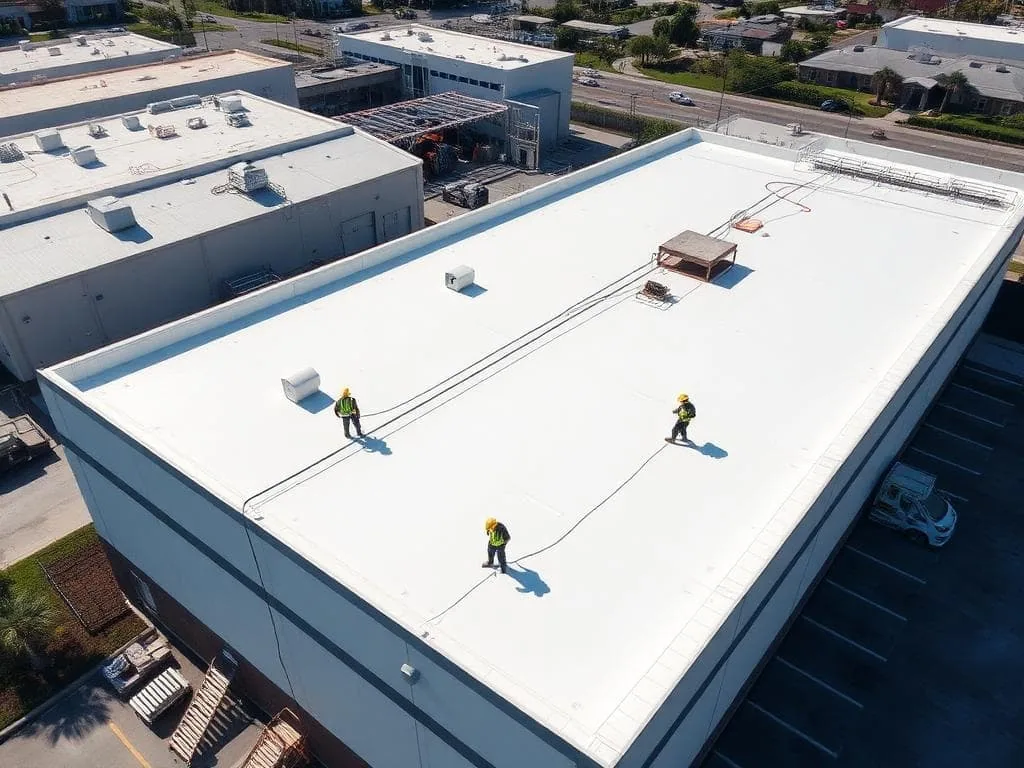
Most low-slope roofs do best with at least two visits a year, often one before the rainy season and one after, plus a check after major storms. For shopping centers and retail buildings, we also look at what tenants and their contractors have done since the last visit: new equipment, satellite dishes, sign mounts, grease from restaurant exhaust and foot traffic damage. Each visit covers the drains, seams, flashings, edges and equipment areas. Small items are fixed on the spot when we can. Bigger ones are photographed and priced so you can decide when to handle them.
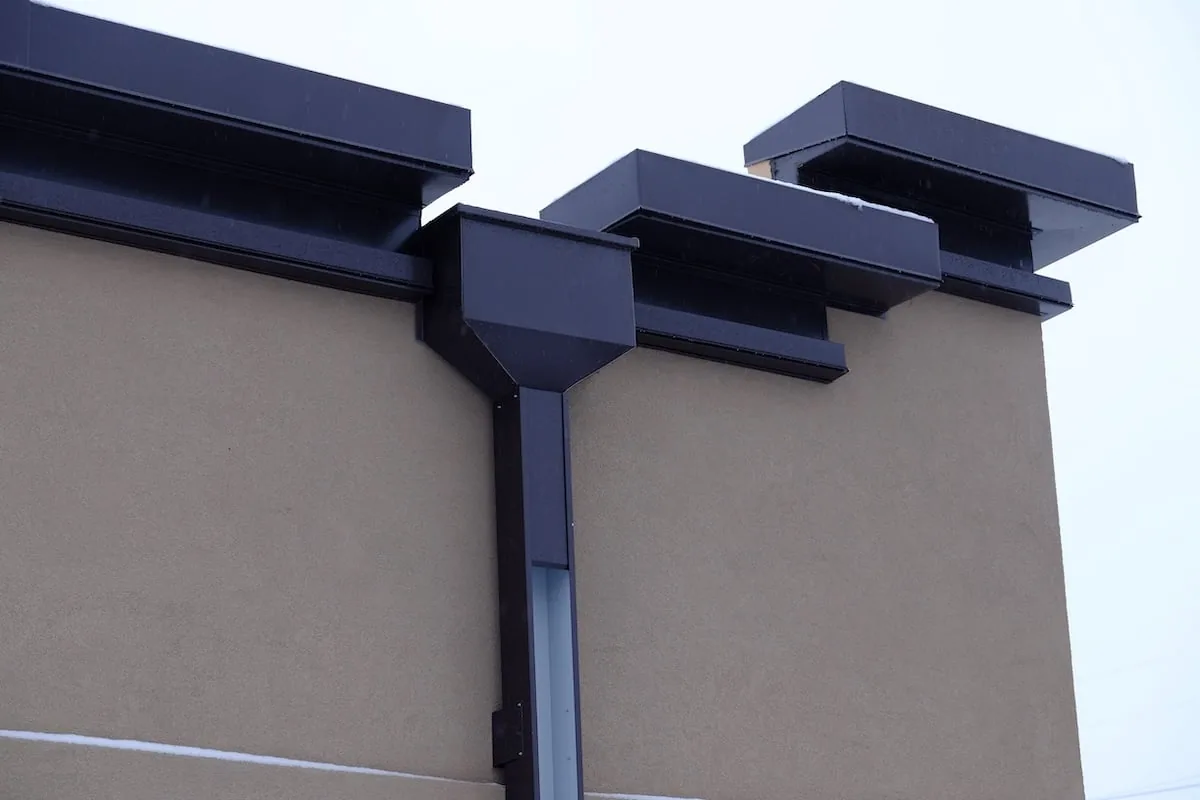
Drains, scuppers and gutters get the most attention on a maintenance visit, because blocked drainage is behind many roof problems. We clear leaves, trash and debris, check that strainers and baskets are in place and secure, and look for standing water that suggests a drain is partly blocked or sitting too high.
Clearing a drain is routine. Fixing a drain is not. If the clamping ring is loose, the bolts are missing, the membrane around the drain is split or the drain body is cracked, that becomes a drain and scupper repair with its own estimate. We separate the two in the report so you know what was handled during the visit and what still needs attention. If water is backing up below the roof, in the drain pipe itself, we note it for a plumber, since a clear basket on the roof does not mean the line below is open. Overflow drains and scuppers get checked too, since they only matter when the main drain fails.
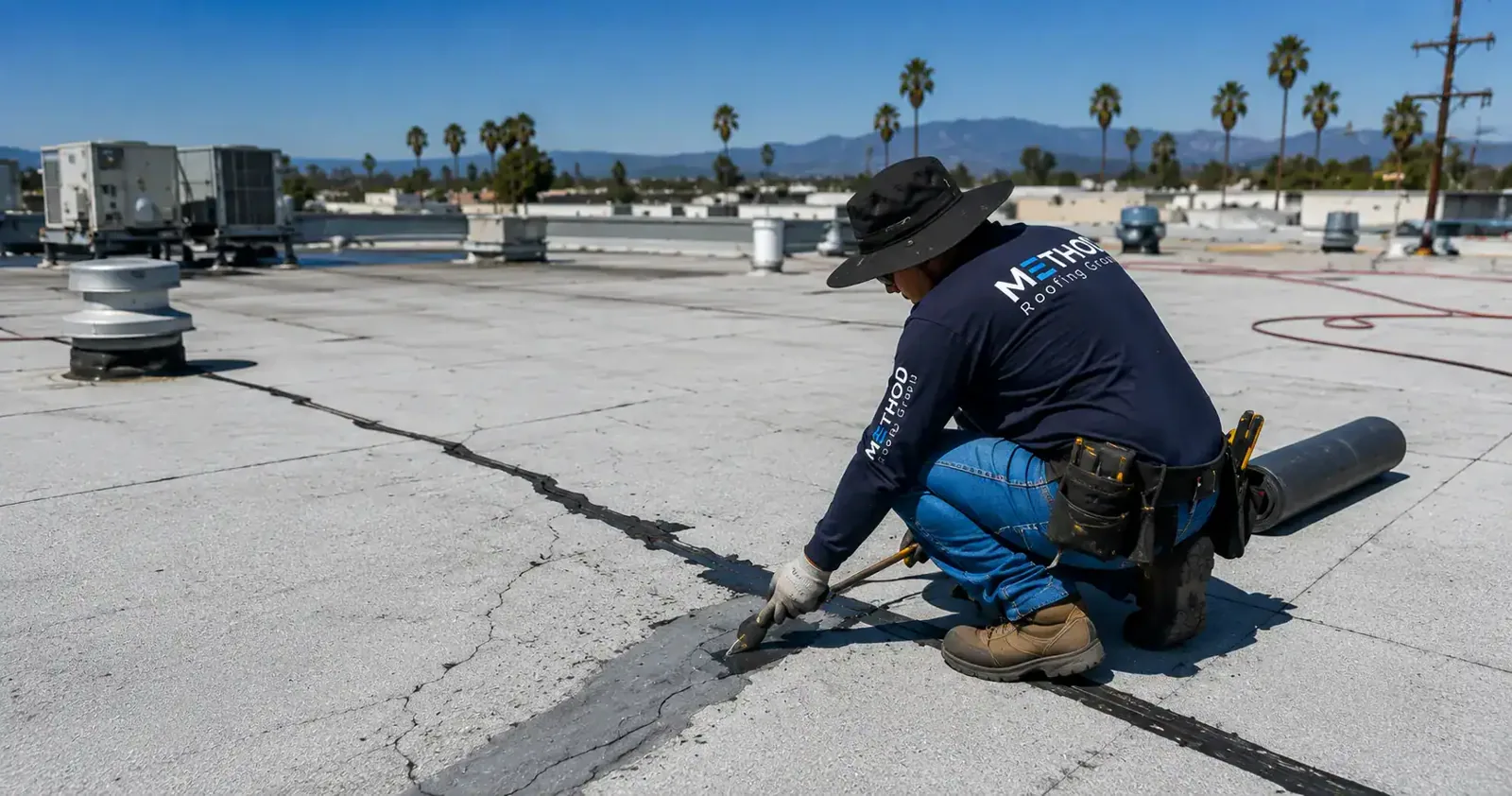
Every roof walk turns up small things: a few inches of open seam, cracked sealant at a pitch pan, a loose piece of counterflashing, a pipe boot that has split. Many of these can be fixed during the visit with compatible materials. Catching them early is the main point of maintenance, since a two-inch seam opening now is much cheaper to fix than the wet insulation it would cause next winter.
Some findings are too big for a maintenance visit. A long section of seam failing, flashing pulled away from a wall, membrane shrinking at the edges or a soft area underfoot all point to a roof repair that needs its own scope. We photograph those, mark them on the roof plan and give you an estimate. We do not smear sealant over a problem that needs a real repair and call it fixed. The report makes clear which items were repaired and which were only noted, so nothing gets lost between visits.
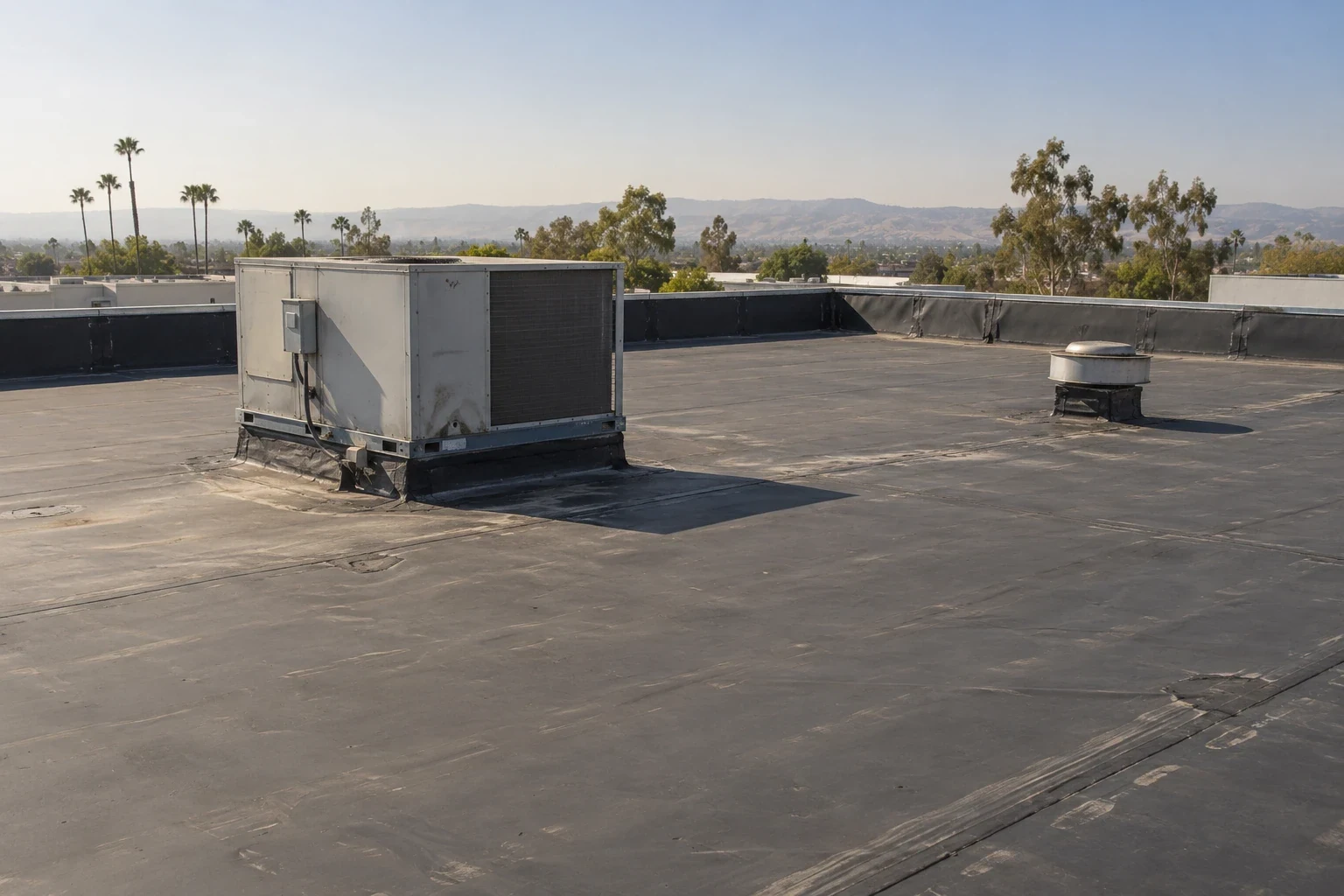
Rooftop equipment changes all the time. Units get replaced, new conduit runs across the roof, a tenant adds an exhaust fan, a technician leaves screws and panels on the membrane. Each change can damage the roof or create a new leak point. On a maintenance walk, we compare the roof to the last visit and look for anything new.
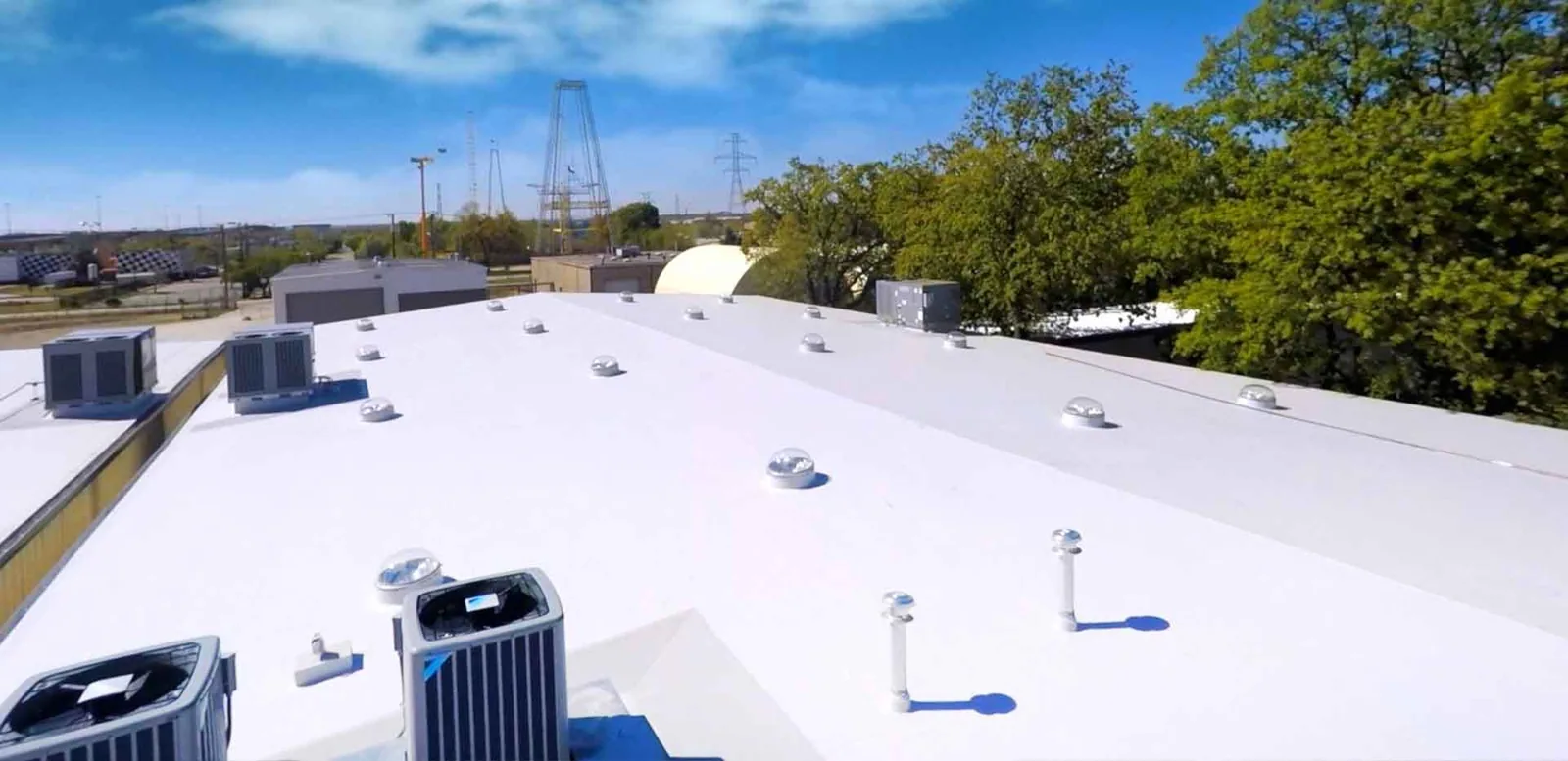
On a TPO roof, we check new penetrations for proper flashing, look for punctures from dropped tools and check that new pipe supports are sitting on protective pads, not directly on the membrane. Unflashed penetrations and equipment set directly on the roof are some of the most common problems we find after other trades have been up. When we find damage from other work, we photograph it so you can follow up with the contractor responsible. We also suggest walkway pads where foot traffic is wearing a path to equipment, which costs little and protects the membrane.
Timing matters. A visit before the rainy season lets us clear drains and fix small openings before the heavy rain arrives. A visit after the season shows what the winter did and gives time to schedule repairs during dry weather. Visits after big storms catch wind damage and blockages early.
Access also matters. We need to know how to reach the roof, whether a key or escort is required and whether any areas are off-limits during certain hours. For buildings with sensitive operations, we coordinate visits around them. Weather can push a visit back, since we do not walk wet or windy roofs if it is unsafe. On an EPDM roof, small repairs need a dry surface for primer and seam tape to bond, so some repair items are scheduled for the next dry day rather than forced in the rain. We plan each visit so the time on the roof is used well and the findings are ready the same week.
Across West Berkeley and Emeryville, a maintenance record is most useful when every observation is tied to a location on the roof and a clear next step. Many buildings here have changed tenants and equipment several times, and a good record shows how the roof has changed with them. Maintenance visits in West Berkeley follow the same routine: inspect, clean, fix the small items and report.
After each visit, you get a short report with photos, each item marked on a roof plan. It lists what we cleaned, what we repaired and what still needs attention, ranked by urgency. Items that need a larger repair come with a separate estimate. Over time, those reports show how the roof is aging, which helps with budgeting for future repairs or replacement. Keep them together. When a leak does happen, they show whether the area was already on the watch list and what was done before.
Tell us how to reach the roof and what equipment has changed recently. We will walk it, handle the small items and send a photo report.
Request a Roof Assessment