Local weather advisory
The National Weather Service has issued a coastal flood advisory covering Berkeley. Heavy rain and drainage loading can expose roof leaks, blocked drains, and ponding water. This is a weather exposure advisory; it does not establish damage to a specific roof.
Do not access a roof during hazardous weather. Protect people first, avoid water near electrical equipment, and request roofing help when conditions permit.
National Weather Service · Updated Oct 28, 2026, 7:20 AM UTC
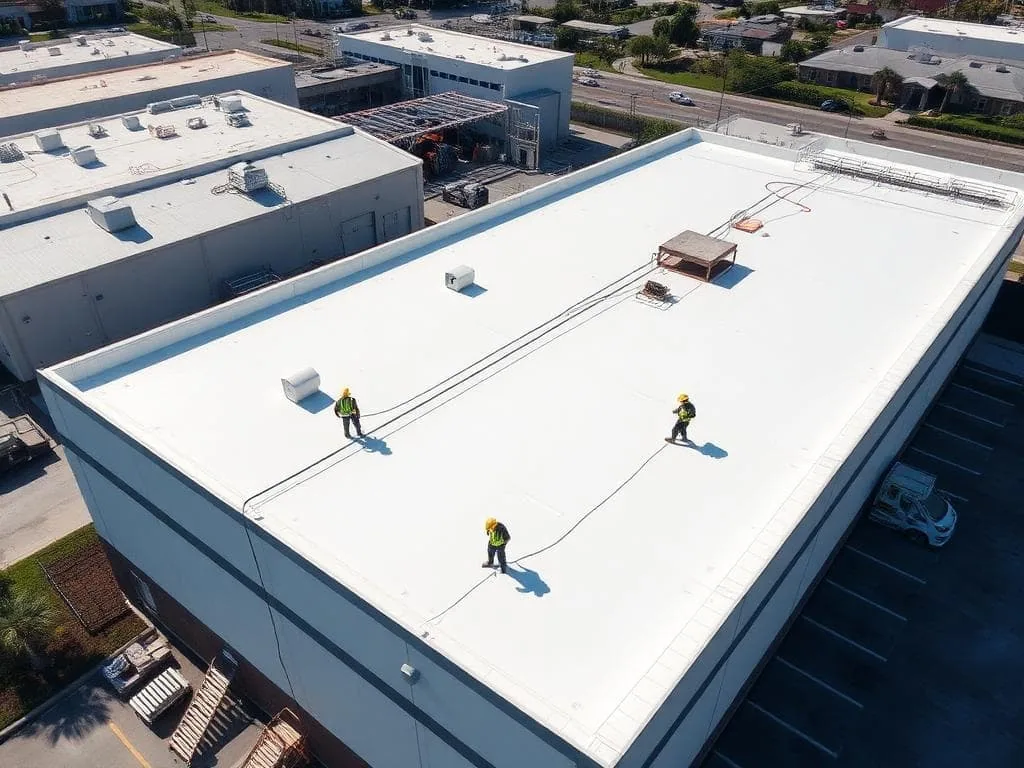
Commercial roof repair in downtown Berkeley: lifted wall flashing, wet insulation and leaks over occupied offices and storefronts, fixed with clear photos and pricing.
Service Areas | Berkeley, CA
A lot of downtown leak calls trace back to the same spot: the flashing where the roof meets a wall or parapet has started to peel away. Even a narrow gap there lets wind-driven rain get behind a membrane that otherwise looks fine. We repair commercial roofs in downtown Berkeley, CA, and we start at that joint and work outward, checking the wall, how the membrane is attached and whether the insulation underneath got wet. That tells you whether a small repair will do the job.
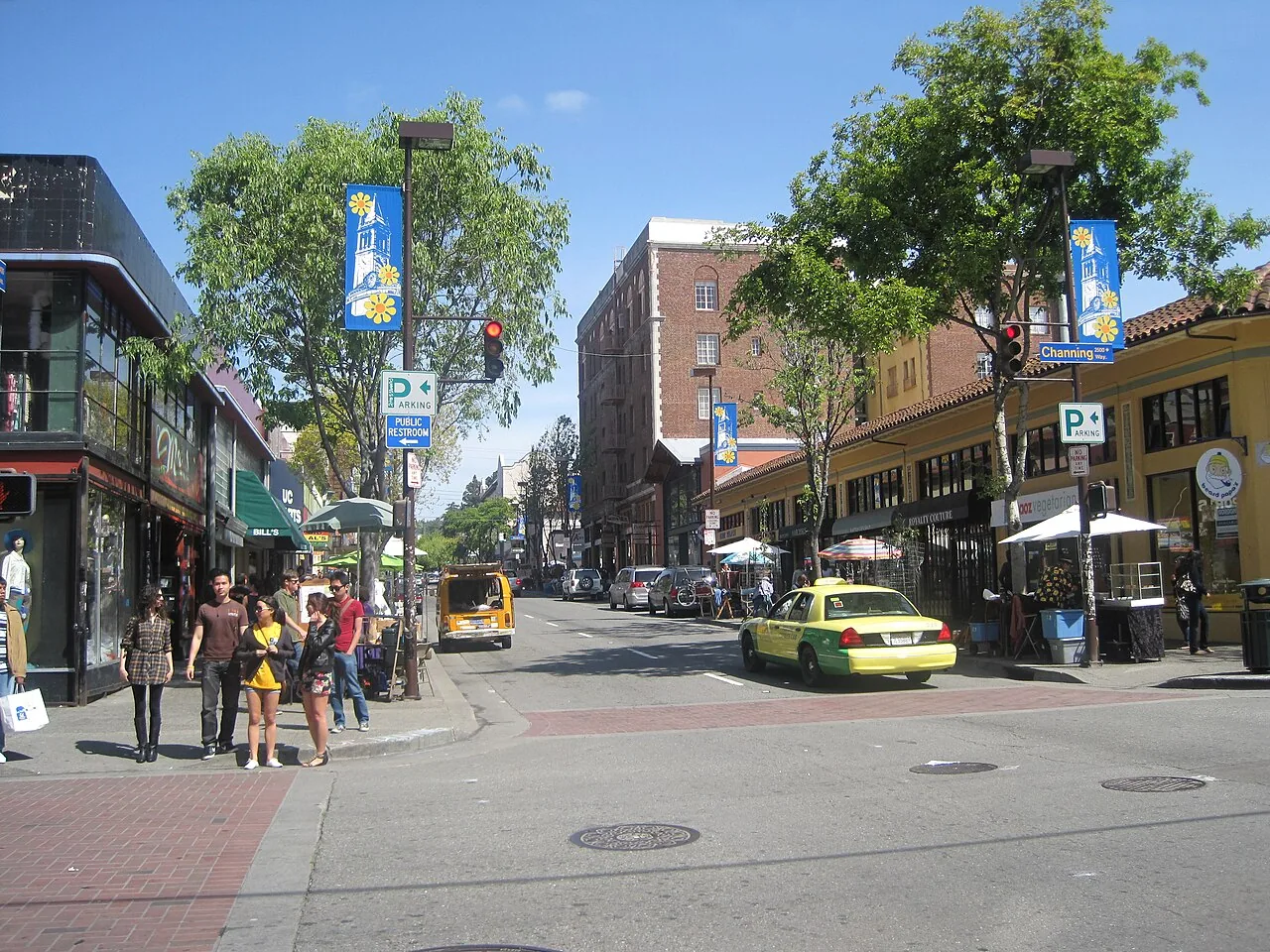
Downtown buildings, from offices and shops to public buildings like the Central Library at Kittredge and Shattuck, sit on busy streets with little room to stage. Materials need a safe route from the curb to the roof, and entrances below need to stay open. Our commercial roof inspection covers those ground-level issues along with what we find on the roof.
A curled flashing edge can hide several different problems beneath it. The bond may have released from a dusty wall surface. The termination may have loosened where its attachment needs support. Water may also enter through the cap above the flashing. We examine the full vertical connection before choosing a repair. Replacing the visible strip alone could leave an upper opening untouched.
The surrounding roof provides the next part of that finding. We look for soft areas, wrinkles and past patch boundaries. A suspicious area may need a small, authorized exploratory opening. We restore that opening after recording the layers and their condition. An infrared moisture survey can help target further investigation under suitable conditions. Its temperature patterns need confirmation before we label insulation as wet. That distinction keeps the repair boundary tied to actual material condition.
Dry, firmly attached insulation may remain useful beside damaged flashing. Saturated or unstable materials need a different treatment at that location. We separate those findings instead of treating the entire roof equally. The repair must reach sound backing capable of supporting its attachment. That can mean removing more than the visible surface defect. It can also leave a broader sound field undisturbed.
A written scope identifies the retained layers and the removal limits. It also states how the new flashing joins the existing membrane. TPO, PVC and EPDM require different joining methods and preparation. We identify the installed material rather than choosing by color alone. For a TPO membrane repair, a trial weld helps check the prepared surface. A failed trial changes the detail before production work begins. The owner then receives a price for a workable repair.
A roof edge above a doorway brings the repair down to street level. Loose material, falling debris and overhead handling need physical separation. We walk the delivery route and the building entrance together. The agreed plan identifies protected passage and any temporary closure. A narrow work zone can still require careful ground supervision. Roof access alone does not establish safe access for everyone below.
Every downtown building has its own delivery problem. We look for a spot where materials can sit without blocking the sidewalk, and the facility manager tells us which entrances and occupied rooms cannot be disrupted. Our reroofing over occupied buildings work builds those arrangements into the daily plan. A roof over in Telegraph and South Berkeley gets its own site walk, because the entrance and lift position there will be different.
An exploratory opening may reveal deteriorated backing behind the wall flashing. That finding adds removal, replacement and attachment work to the repair. Access can also affect cost without changing the damaged area. A difficult lift, protected walkway or short available work period adds coordination. We describe those drivers beside the roof findings. The owner can then see what changes the price and why.
The estimate separates work we can price now from conditions we cannot see yet. If a hidden-damage allowance is included, it spells out what triggers it and how you approve it, so it is never a blank check. Photos show whether the added removal follows real damage. If you also have a roof in West Berkeley, we can inspect both on one trip, but each building gets its own repair scope and price.
Before we open the wall flashing, we agree on who gets the photos if we find rotted backing and who can approve the extra repair. Having that settled ahead of time means we are not sitting with an open wall waiting for a callback. It keeps the opening small and the job on schedule.
A finished wall flashing should show sound attachment and closed transitions. We check its upper termination, corners and connection to the roof field. New material must not leave an exposed path behind the repair. Where the chosen assembly permits testing, we examine its joints directly. We photograph the repaired detail before access equipment leaves. Those images let the manager compare the original finding with completed work.
The next inspection needs a useful location rather than a vague description. We tie the photo to a roof drawing or fixed feature. A maintenance entry records the repair material and installation date. Drainage and nearby caps stay in the inspection route afterward. Our written findings with roof photographs separate corrected defects from items still needing attention. An owner can use that distinction for the next budget decision. A small repair then leaves a clear, usable record.
The downtown core has heavy foot traffic, transit stops, public events and very little staging room. We plan inspections around building access, roof hatch rules and keeping pedestrians safe before anything is unloaded. When a leak shows up in an office, classroom or public room, we note exactly where inside and compare it to the drains, penetrations and wall edges above. Older and newer buildings often stand wall to wall here, so we keep notes separate for each building and never assume one roof’s history applies to the next.
Have us look behind the lifted flashing on your downtown roof. You get plain findings and photos, with the repair area clearly marked.
Request a Roof Assessment