Local weather advisory
The National Weather Service has issued a coastal flood advisory covering Berkeley. Heavy rain and drainage loading can expose roof leaks, blocked drains, and ponding water. This is a weather exposure advisory; it does not establish damage to a specific roof.
Do not access a roof during hazardous weather. Protect people first, avoid water near electrical equipment, and request roofing help when conditions permit.
National Weather Service · Updated Oct 28, 2026, 7:20 AM UTC
Commercial roofing in Telegraph and South Berkeley: cracked patches around pipes and vents removed and rebuilt properly, with wet insulation found and replaced.
Service Areas | Berkeley, CA
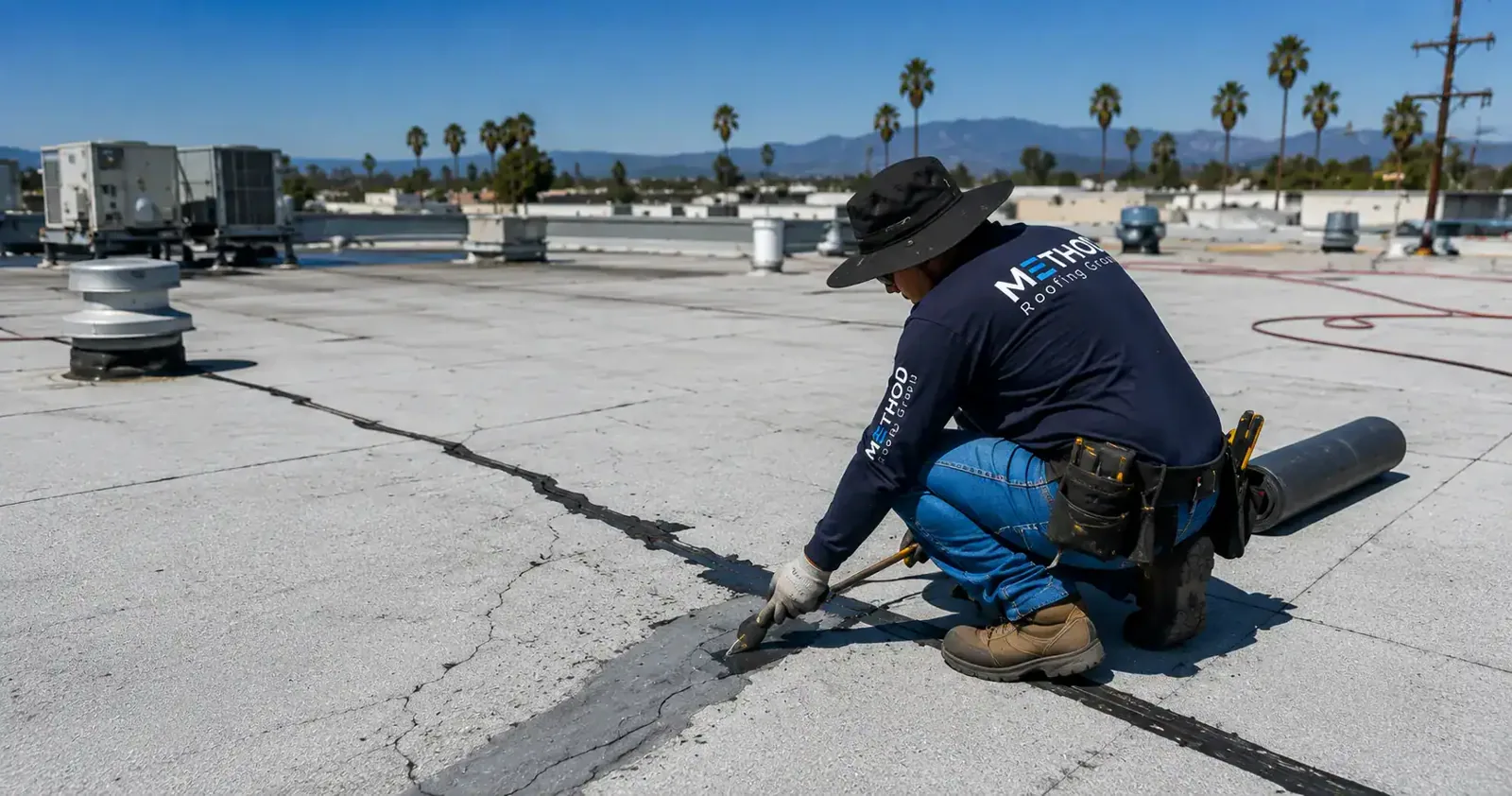
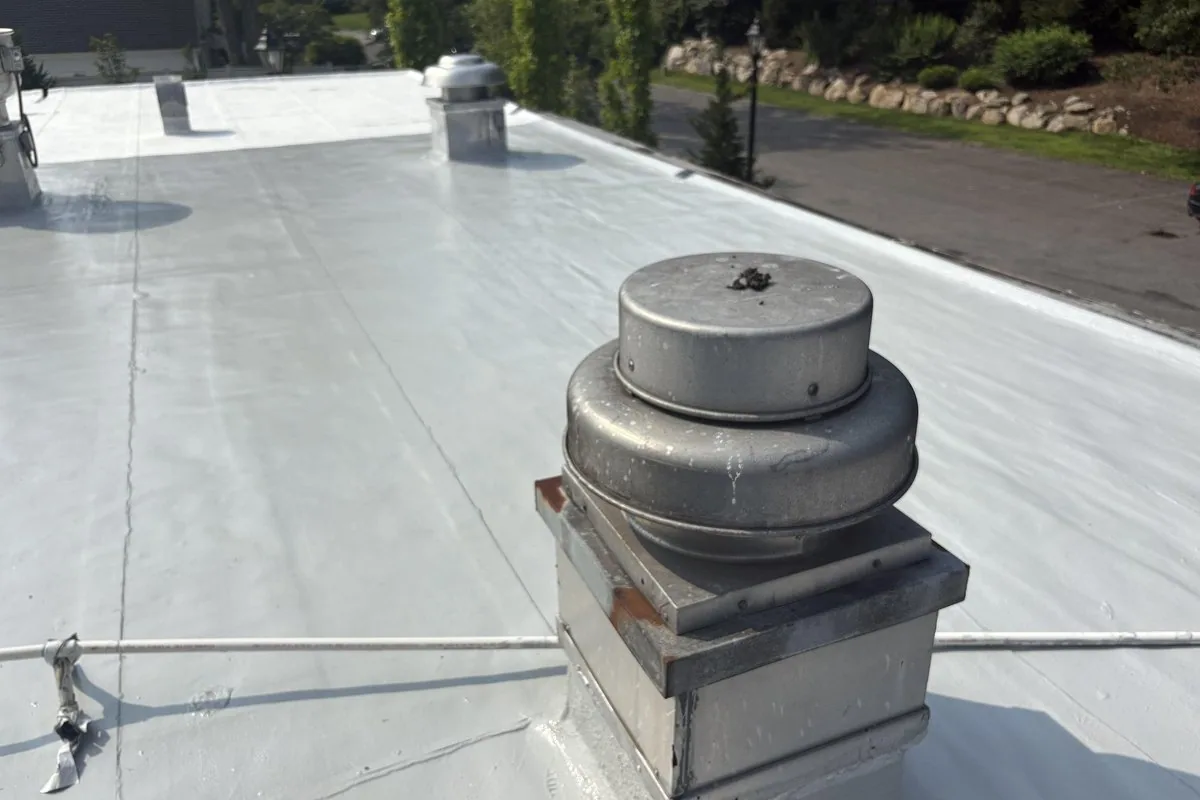
Penetrations on older commercial roofs, like pipes, vents and exhaust stacks, often have patch on top of patch. When the top patch cracks, it is tempting to add another. But the failure is usually underneath, where the old flashing has pulled away from the original membrane, and another coat of mastic will not reach it. We do commercial roofing in Telegraph and South Berkeley, CA, and we look under the patch before deciding on the repair.
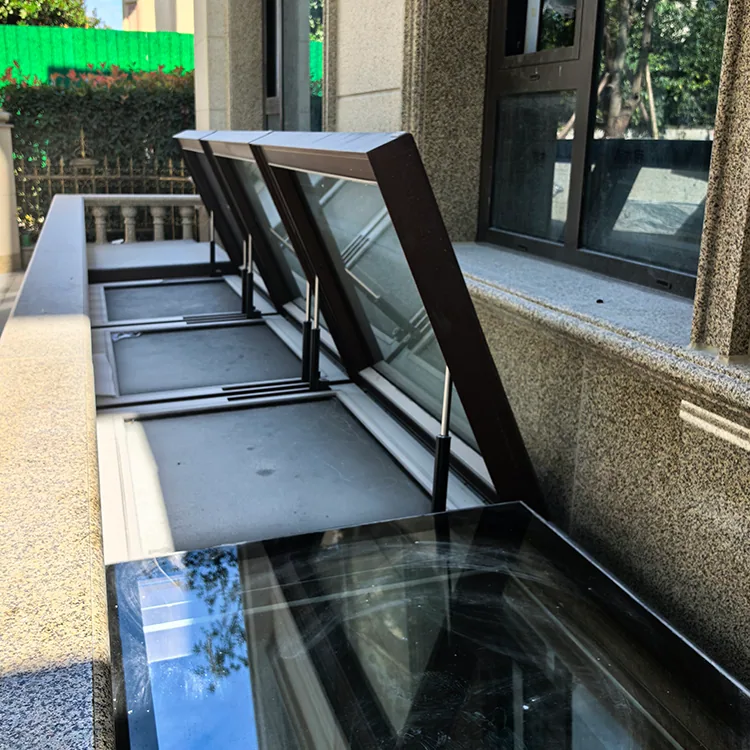
This part of Berkeley mixes shops, restaurants and mixed-use buildings along Telegraph Avenue with civic buildings like the Tarea Hall Pittman South Branch library near Russell Street. Access starts at the building’s actual entrance, and carrying materials over busy sidewalks needs real protection. Our penetration and skylight flashing work plans that access along with the repair itself.
A cracked patch can hide several older repairs. We find out what is under it before adding anything new. The original membrane around the pipe may still be sound, or it may be coated with residue that keeps new material from sticking. We clean and check a small area rather than judging by how it looks. That tells us where the repair needs to start and stop.
The repair material must suit the confirmed roof assembly and penetration. A coating, adhesive and welded sheet address different types of connection. Layering an incompatible product over old material can make future correction harder. Our repair of an existing commercial roof starts with identifying that connection. We describe which past material needs removal and what can remain. A compatible detail then joins sound surfaces with appropriate preparation. The price reflects the needed preparation rather than only the visible crack.
A soft spot beside an old patch can point to damaged layers. We check the area for changed support and signs of moisture. An approved small opening may establish the condition beneath the sheet. Its location should be tied to the penetration being repaired. We photograph the layers before restoring the inspection opening. That record helps the owner understand the proposed removal boundary.
Confirmed wet insulation needs removal, not another layer over it. We investigate enough surrounding material to locate a sound transition. The deck condition may require a separate correction where layers are removed. Our replacement of damaged roof layers follows those observed limits. New insulation and cover board need suitable support at the opening. The repaired surface should also drain without creating another pocket. Those details distinguish a permanent correction from a larger-looking surface patch.
A pipe or curb can strain flashing when its support changes. We inspect the penetration connection for displacement and poor clearance. A stiff patch may split again if the underlying movement remains. The correction can require coordination with a mechanical or equipment specialist. We identify that need before installing new waterproofing material. The roof repair should follow the support condition that is actually established.
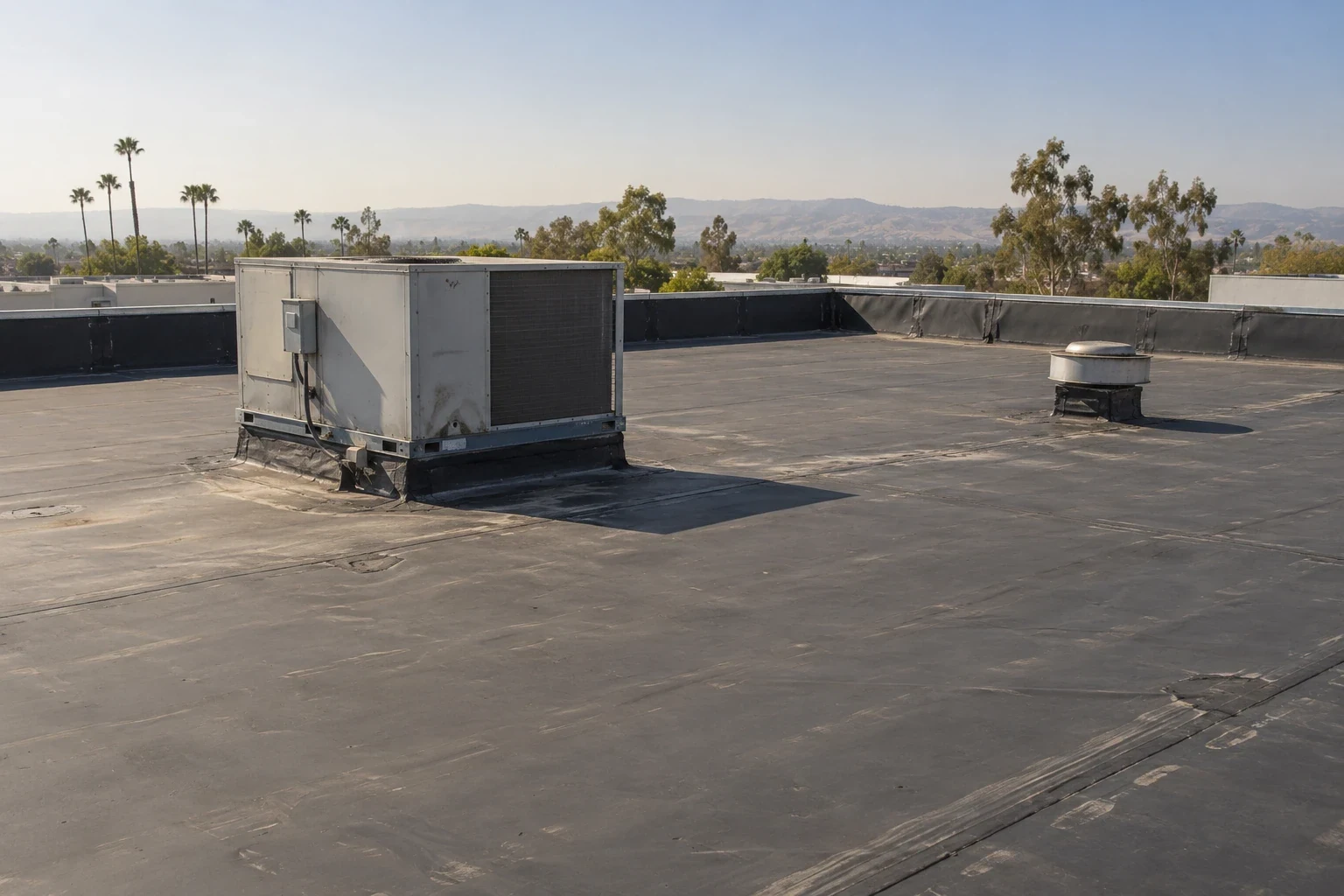
A crowded penetration can limit access for cleaning and joining material. We examine whether a sound detail can reach each side properly. Where EPDM rubber roofing is confirmed, its flashing needs a suitable compatible connection. Other installed materials require their own repair procedure. A trial preparation area can reveal whether nearby sheet remains serviceable. We explain those findings alongside the support concern. The owner can then approve a repair that deals with both causes of renewed failure.
Carrying materials through an occupied entrance takes planning. We walk the route before agreeing on deliveries. Debris should never come through an unprotected doorway people are using. The manager tells us which doors and rooms must stay open, and we size each day’s work to the protection we can provide. That can affect the order and timing of the job.
A building near Russell Street may need a different setup than one on Telegraph Avenue, so each gets its own entrance check. If you also have roofs in downtown Berkeley or San Francisco, we can arrange those visits around the first inspection, but every building gets its own access plan. We confirm the roof route, delivery spot and how the roof will be closed up each day, so the schedule matches the access you really have.
A new detail needs a sound connection around the entire penetration. We inspect its corners, upper termination and transition to the field sheet. The completed surface must leave the nearby drainage path usable. Where the assembly permits a suitable joint check, we perform it. Completion photos show both the repair and its location among fixed features. That gives the manager something clear to compare during later visits.
Our maintenance checks at repaired penetrations watch for renewed cracking or changed support. Equipment work nearby can disturb protection or apply new strain. A changed detail needs closer examination before another patch or coating is chosen. A stable, dry repair can remain within the regular inspection route. We label other worn patches separately from the completed correction. That keeps the next budget tied to remaining findings.
An owner should also retain the material identity with the repair record. Its joining method and removed layers can matter during later work. We record those details alongside the completion photographs. Another repair at the same penetration can then begin with the earlier findings. That helps explain whether the condition has changed or the previous detail was disturbed.
Telegraph Avenue’s shops and restaurants depend on open sidewalks and steady customer traffic. We schedule roof work so ladders, debris and deliveries stay away from the busiest hours. For buildings near the campus edge, we confirm that the owner and tenant both agree on roof access and interior protection. Kitchen exhaust fans and other penetrations get a close look for flashing problems and grease buildup. The report covers your building only, since roofs along the avenue are far from identical.
Ask us to check the cracked patch and the flashing beneath it. You get a plain account of what can stay and what needs rebuilding.
Request a Roof Assessment