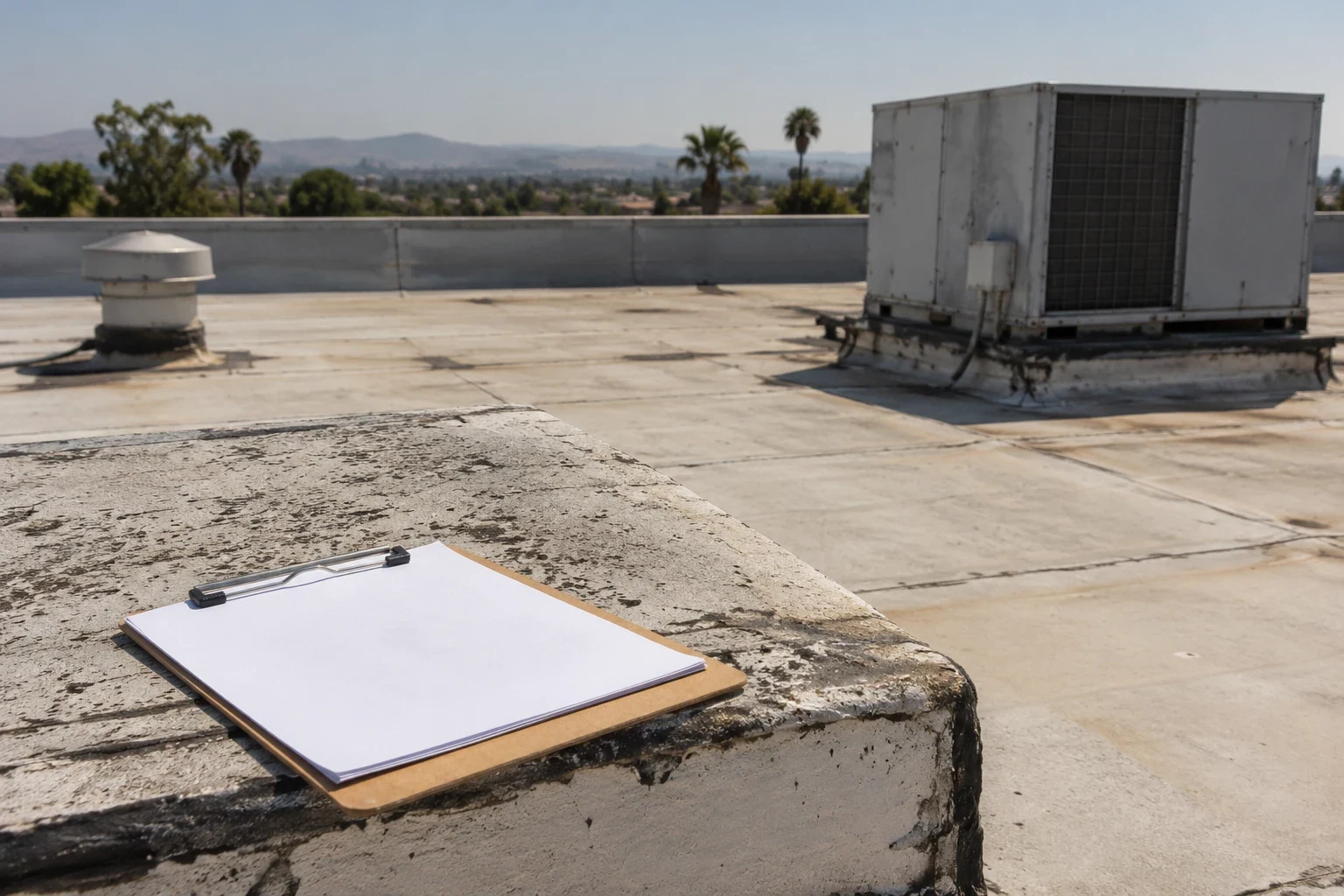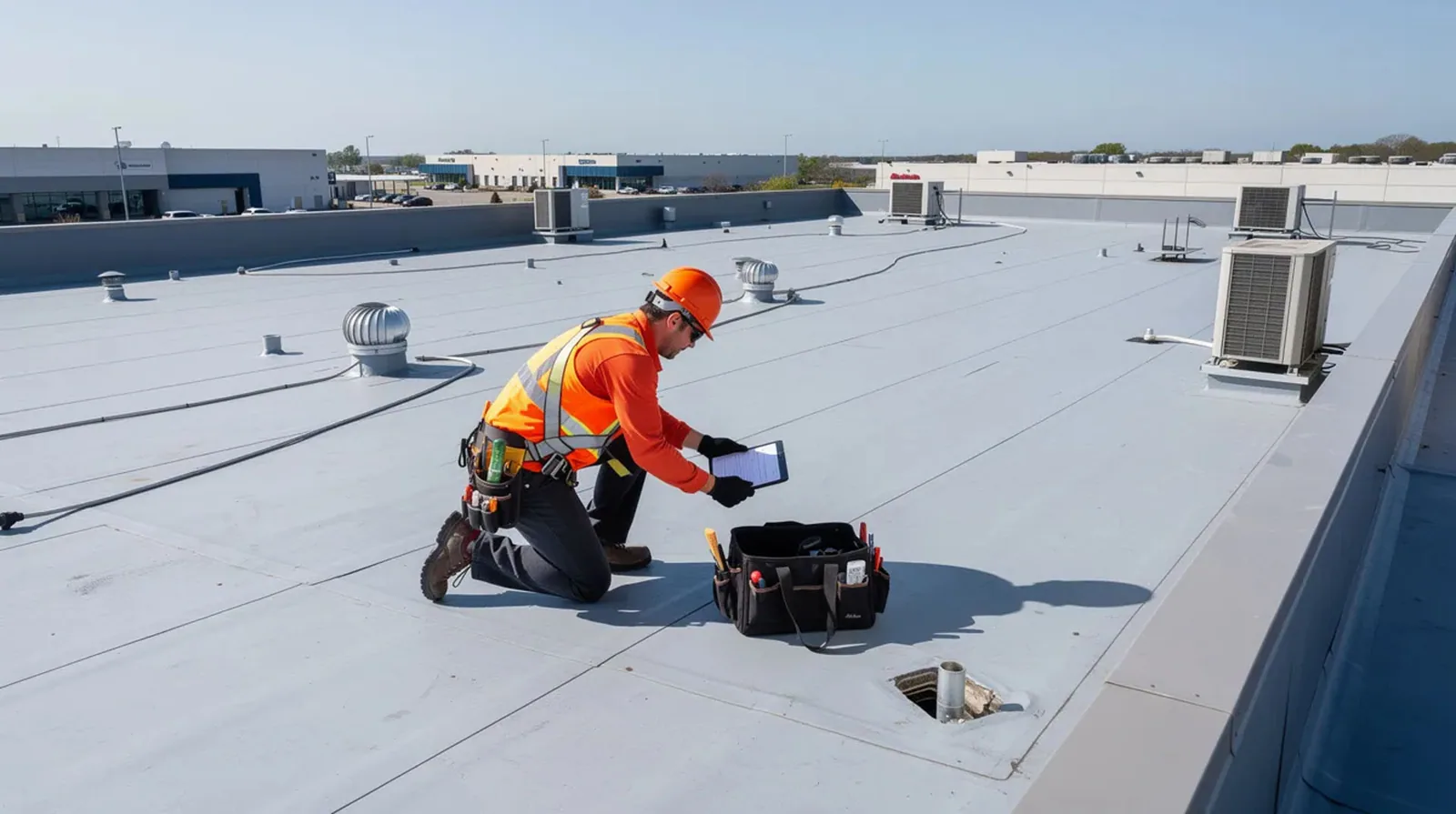
Good roof decisions start with knowing what's actually wrong and what's still sound. We inspect the membrane and what's underneath, then tie each finding to a spot on the roof plan. Roof asset management keeps a running file of inspections, repairs and open items for each building. Roof condition reports document each problem with photos and note anything we couldn't confirm before options are compared. Another building's report can't tell you what's under your roof, so every recommendation is tied to a specific spot on yours.
Wet insulation or a rotted deck can make a replacement much bigger than it first looks. Roof capital planning compares repair, recover and replacement with the full scope of each, including what's underneath. Where a hidden condition could swing the decision, we recommend testing. Structural questions go to an engineer. A due diligence roof survey answers the roof questions that matter for a purchase or refinance. Records help, but they don't prove current condition. We tell you what's confirmed and what still needs checking.
Some roof work needs a warranty check before it starts. Roof warranty management matches your warranty documents to the work being planned. Only the manufacturer or warranty holder decides coverage; our inspection documents the condition. For owners with several buildings, multi-site roof programs keep each roof's findings and needs separate, even when visits are scheduled together. A shared schedule doesn't mean shared problems. Each building gets its own repair plan and its own list of open items.
Roof-planning work across Berkeley and Emeryville starts with the specific building, assembly records, and decision the owner needs to make. For downtown Berkeley buildings, we review where leaks are showing up and any roof records you have. The site contact arranges roof access and any protection needed inside. We inspect the roof before recommending what can stay. Each finding stays tied to the spot we checked. Nearby buildings can share a schedule, but each gets its own plan.
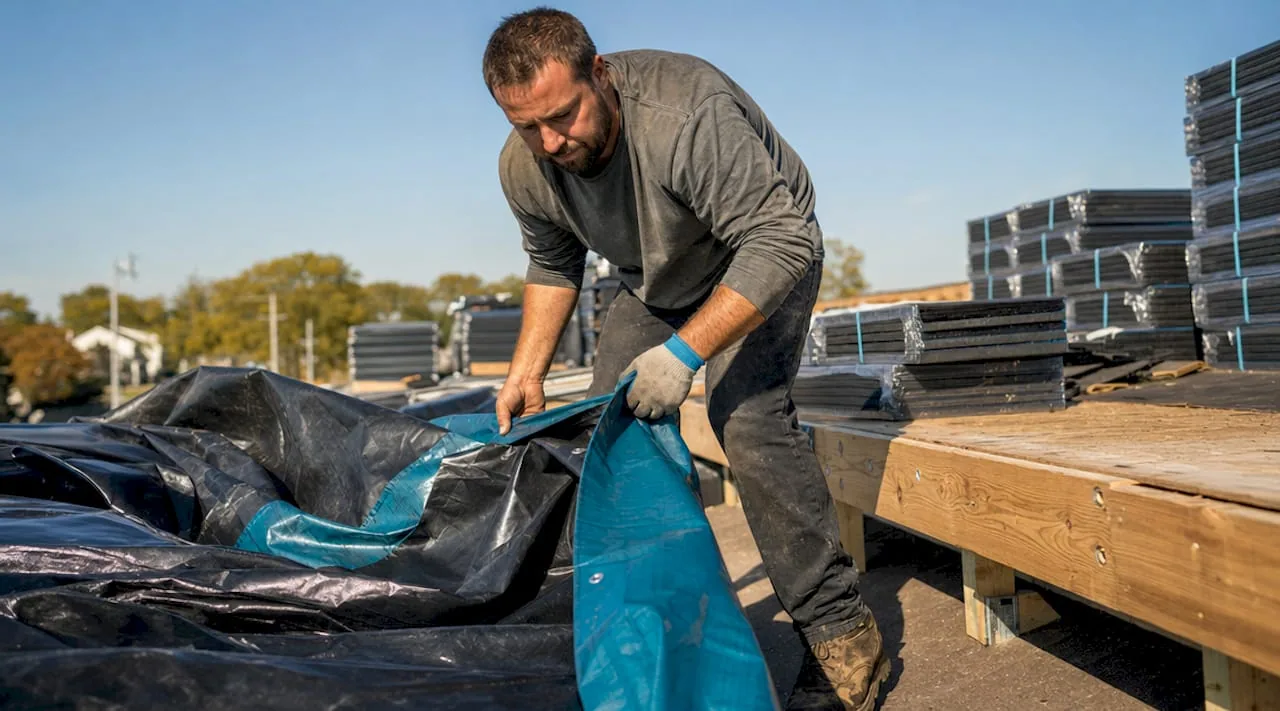
A plan also has to work on site, especially in an occupied building. Occupied building reroofing lays out how much roof is open at once, where cranes and debris go, and how the spaces below are protected. The building manager decides what needs protection and when work can happen. Equipment work may need to happen before some curbs can be flashed. Temporary protection is kept separate from finished work. We handle urgent calls on weekends, nights and holidays, and the building contact arranges access.
Send us the building address and any roof records you have. We'll inspect the roof and send a plain report with photos covering the questions behind your decision.