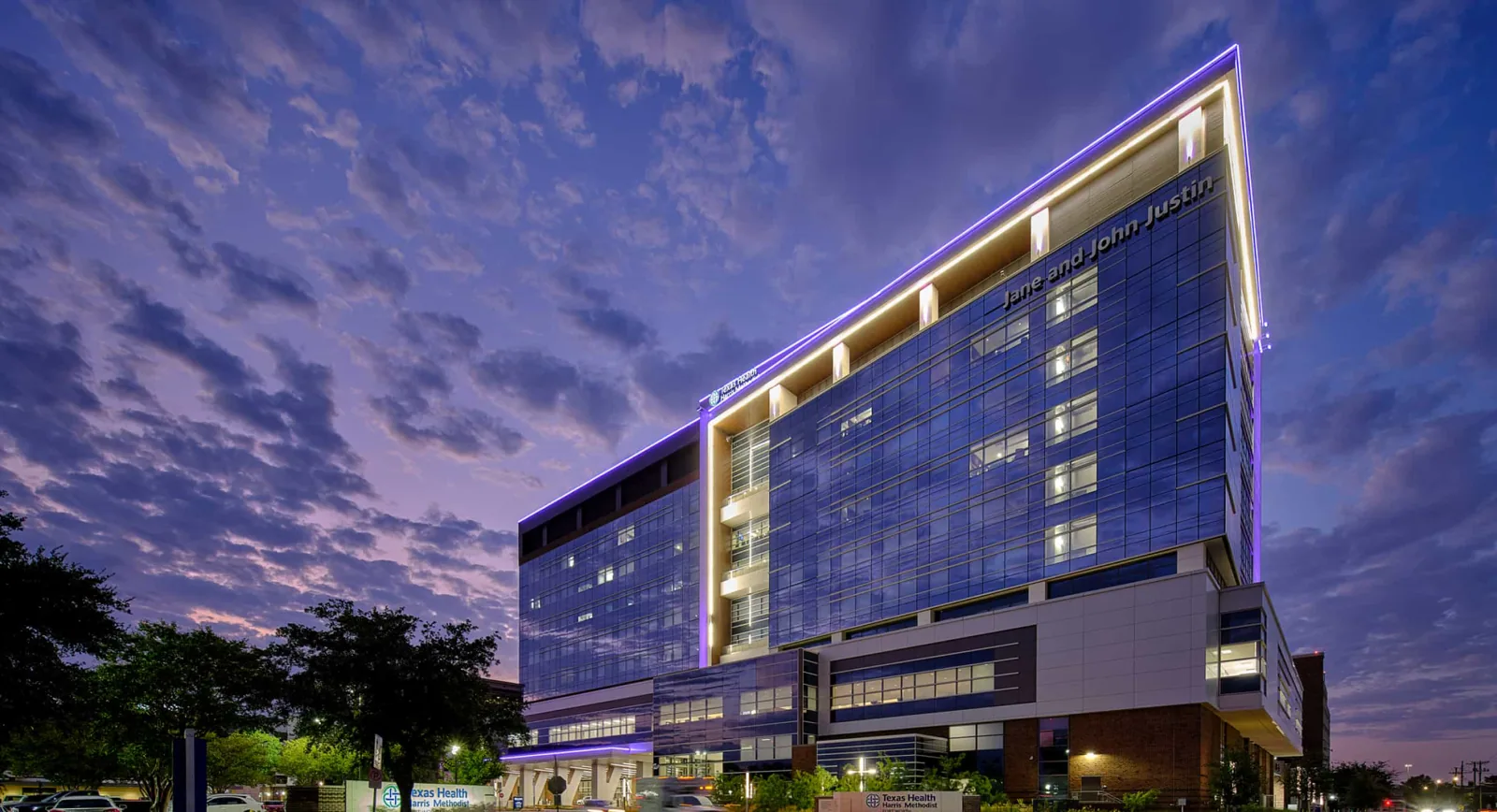
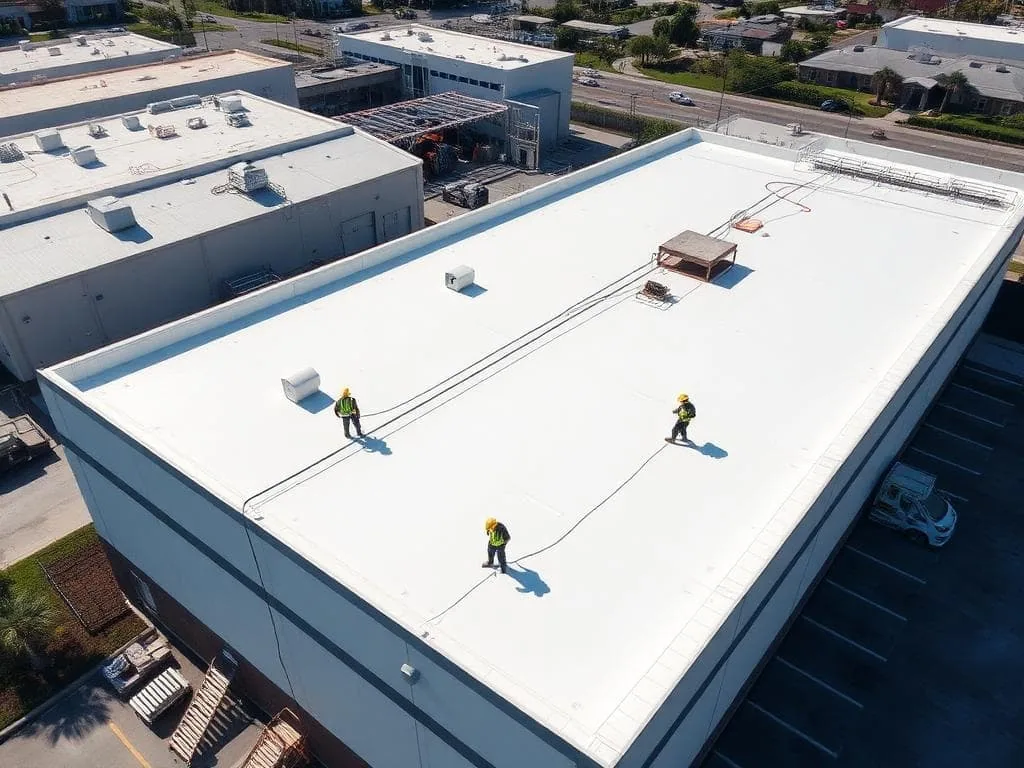
Data center roof repair in Berkeley, CA: leaking equipment curbs, wet insulation and flashing fixed with server rooms protected and dried in every shift.
Property Types We Roof | Berkeley, CA
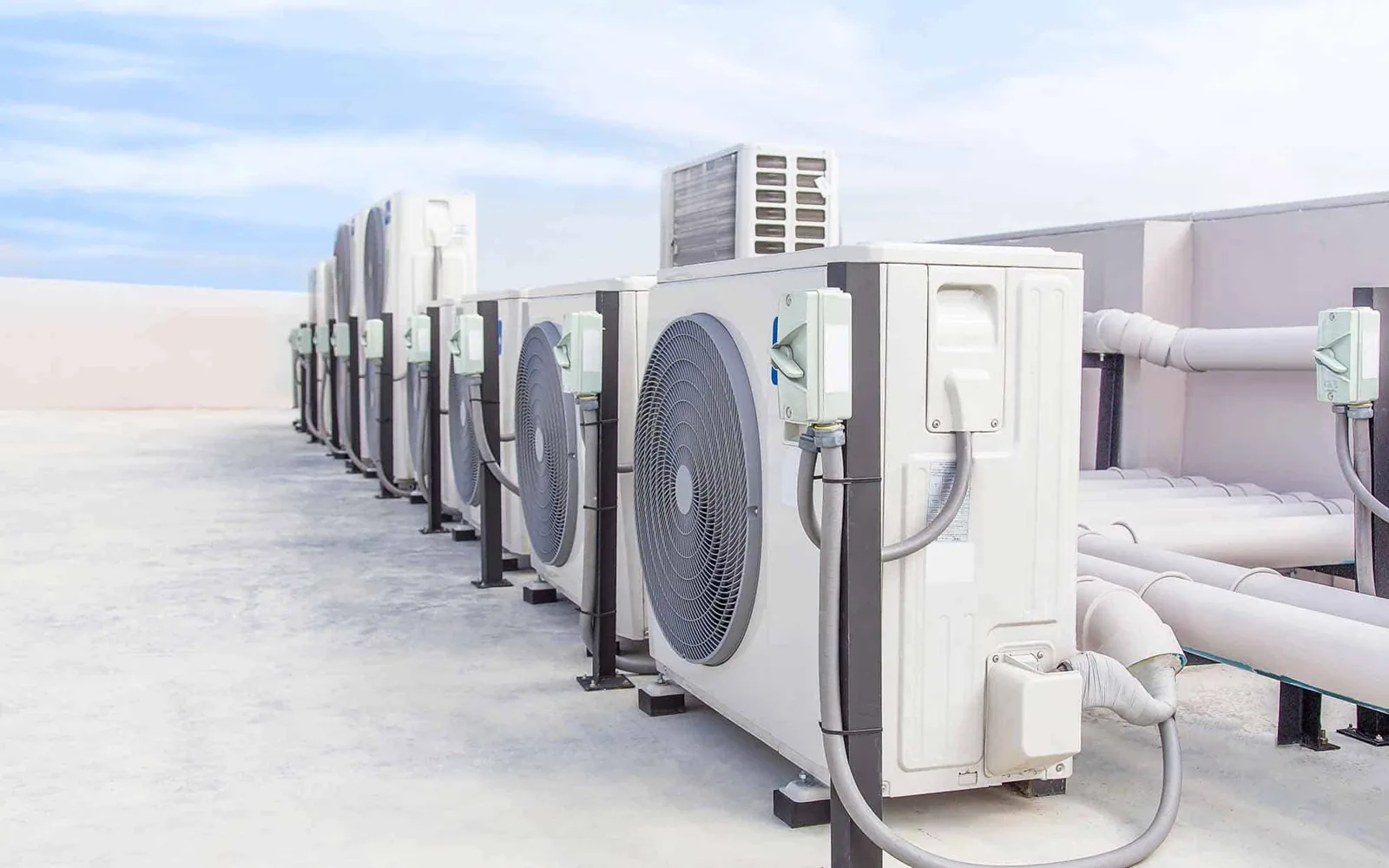
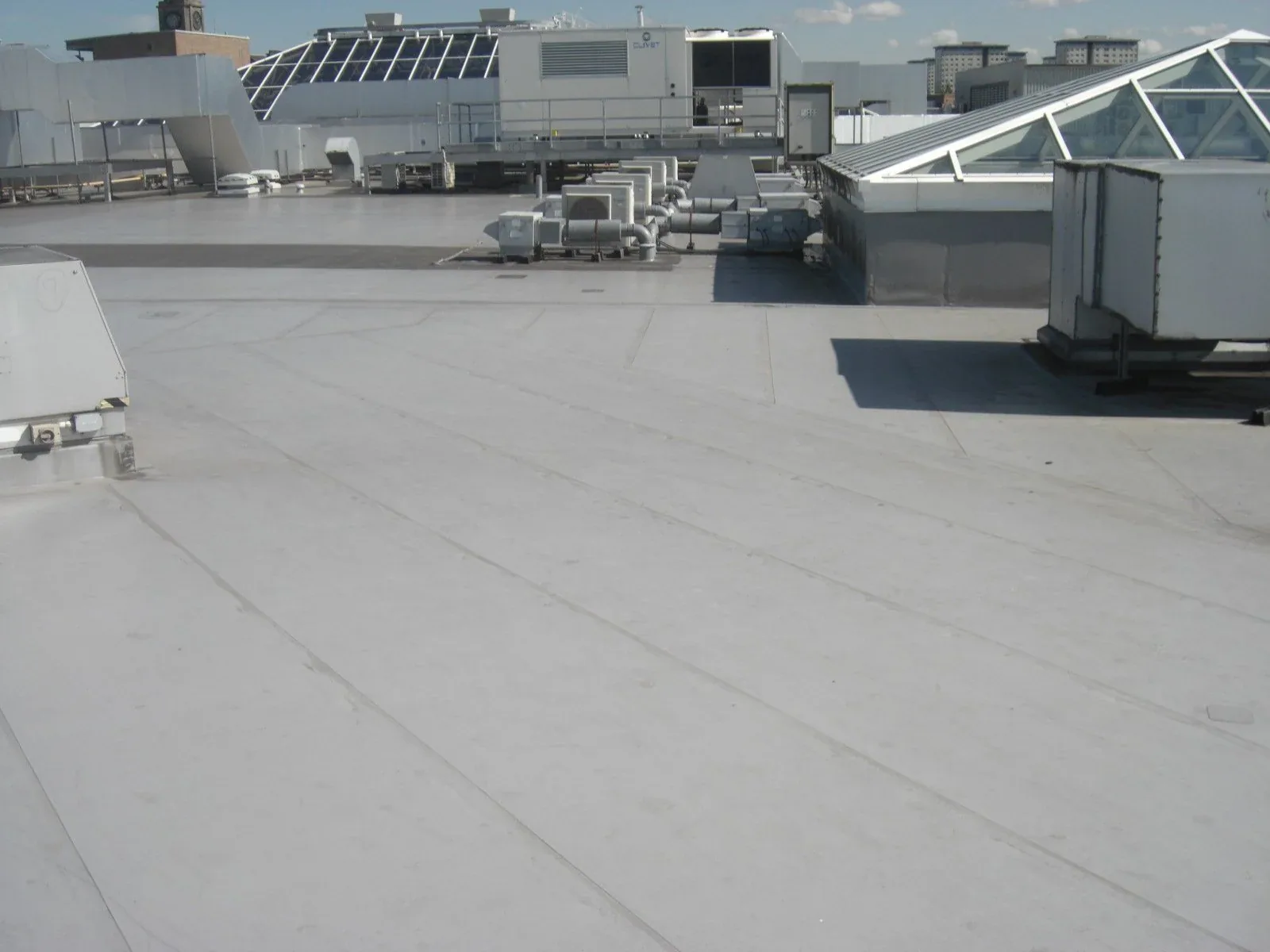
A data center roof is crowded with equipment: condensers, chillers, generators' exhaust, cable trays and the curbs and supports that hold them. Every one of those curbs is flashed into the roof, and when the flashing pulls loose or the wood curb behind it rots, water runs along the deck toward the rooms that can least afford it. On a data center in Berkeley, CA, the fix has to be permanent, and the work has to happen without putting a single rack at risk.
We start on the roof at the curb nearest the reported leak and check the flashing, the curb framing, nearby seams and drains. It is common to find a second source, such as a cable entry or pipe boot nearby. If water is coming in now, we can install temporary protection the same day, including nights, weekends and holidays. Your facilities contact arranges access and room protection. Equipment and power stay with your technicians and electricians; we handle the roof.
Curb flashing can look fine from a few feet away while the wood behind it has gone soft. Our rooftop curb and equipment support repair opens the flashing to check the framing. If a unit needs to be shut down, lifted or shifted to reach the curb, your mechanical contractor handles it, on your schedule. Rotted wood gets replaced, short curbs get raised, and any support that looks overloaded goes to an engineer. We also keep service panels clear so technicians can still reach them after the roof work is done.
A curb that has leaked for a while usually leaves wet insulation around it. An infrared moisture survey shows where the wet areas likely are, and a few small core cuts confirm the edges. We seal each core the same day and protect the room below while we cut. If the wet area runs farther than expected, we show you on a roof plan before any extra work is approved.
The flashing at a curb cannot be done right with equipment in the way. Our penetration and curb flashing work is scheduled around your mechanical contractor, who disconnects or lifts the unit and reconnects it afterward. If new insulation raises the roof surface, we check that curbs stay tall enough and water still drains away from them. Any structural question about the curb or support goes to an engineer before we close it up.
The flashing method depends on the roof. PVC and TPO roofs get heat-welded flashing; modified bitumen and built-up roofs get compatible bitumen flashing. If the membrane around the curb is too brittle to tie into, we replace a larger section. A coating can extend the life of a sound roof, but it will not fix rotted curb framing or wet insulation, so those come first. We lay out the cost and disruption of a spot repair against a larger replacement so you can decide.
Opening any part of the roof over a data hall means planning for the worst case. Our occupied building reroofing plan shows which rooms sit under each day's work, where the crane sets up and how debris comes down. Your facilities and technical staff decide what equipment needs extra protection, what can stay running and when we can work. We keep openings small and seal them before every break and at the end of each shift.
If the wet area runs over another room once the roof is open, we stop, show your team what we found and agree on protection for that room before cutting further. If another trade needs a separate visit before we can finish a curb, we leave a secure temporary seal and note it clearly. The daily notes tell you what is permanent, what is temporary and what is still waiting on someone else.
A data center roof has to protect equipment rooms from water while keeping rooftop service routes usable. We trace the leak or weak flashing back to its connection, then confirm how the opening affects cable paths and interior operations. Downtown Berkeley’s commercial blocks differ from West Berkeley’s lab and industrial buildings, yet each roof requires its own assembly review. Before we remove material, we agree on room protection, access and a secure daily closure.
Rooftop condensers, electrical connections and penetrations should remain accessible after the repair. We check curbs, counterflashing, membrane attachment and drainage together so a new patch does not leave the next service visit blocked. Research and data operations in Berkeley and nearby Emeryville depend on rooms staying dry, but their equipment obligations remain separate from roofing. We record what material was replaced, where the permanent tie-in ends and which component or structural questions need their own specialist.
Manufacturing plant roofs have similar curbs and equipment, though the rooms below usually tolerate a little more disruption. At closeout on a data center, you get photos of each rebuilt curb, the new flashing and any replaced insulation, plus a roof plan marking them. Temporary repairs are labeled, and anything left for your mechanical contractor, electrician or an engineer is listed separately.
Office building roofs often hold small server rooms of their own, and the same care applies there. For your data center, the roof plan gives facilities staff a clear reference for routine roof checks, which are worth doing after any equipment installation or service visit. If a leak shows up later, they can see whether it is near a curb we rebuilt and send us photos so we can respond quickly.
Tell us which room is affected and where the rooftop equipment sits. We will inspect the curbs and send a photo report with a clear repair plan.
Request a Roof Assessment