Cold storage roof repair in Berkeley, CA: leaking penetrations, wet insulation and condensation problems sorted out without putting product at risk.
Property Types We Roof | Berkeley, CA
Cold storage buildings are hard on roofs. The rooms below are kept cold, the air outside is warmer and wetter, and any gap in the roof or the vapor barrier lets moisture move toward the cold side. On a cold storage building in Berkeley, CA, a leak at a pipe penetration or refrigeration line can soak the insulation around it, and that wet insulation then freezes, compresses and stops doing its job. Sometimes the water inside is not a roof leak at all but condensation, and the fix is different.
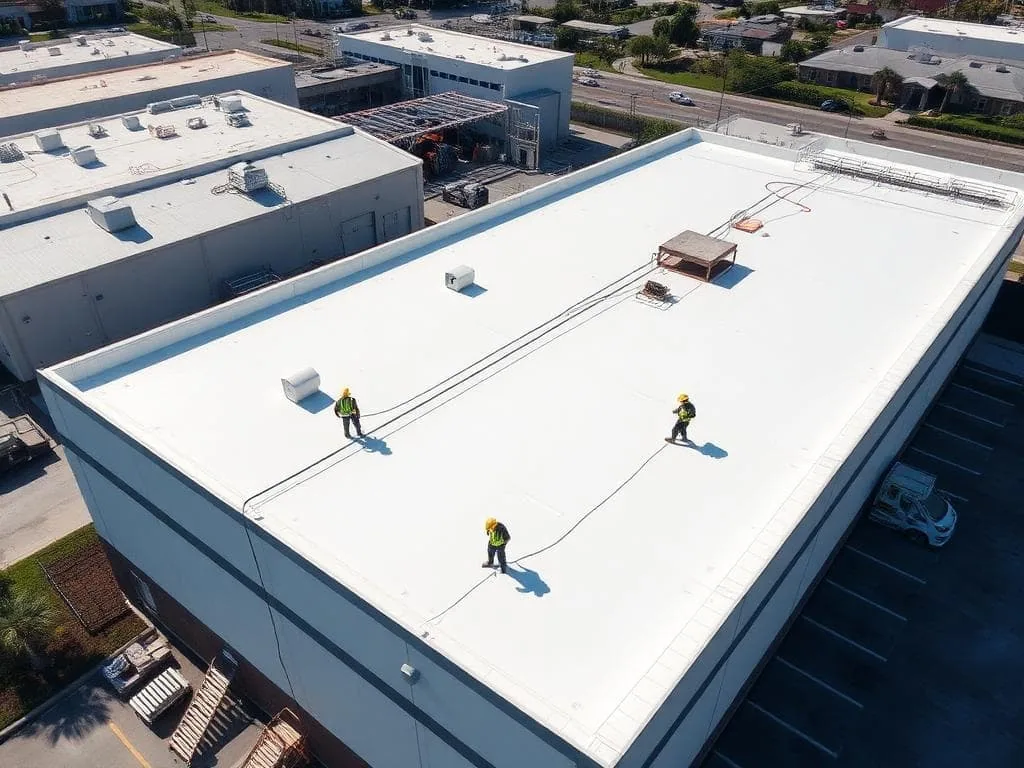
We start by talking with your facility team about when and where the water shows up, then go up and check the penetrations, curbs, seams and drains above those rooms. If the roof is leaking now, we can install temporary protection the same day, including nights, weekends and holidays. Your team arranges access and tells us what product sits below. Refrigeration lines and controls stay with your refrigeration contractor, and any wet electrical goes to an electrician.
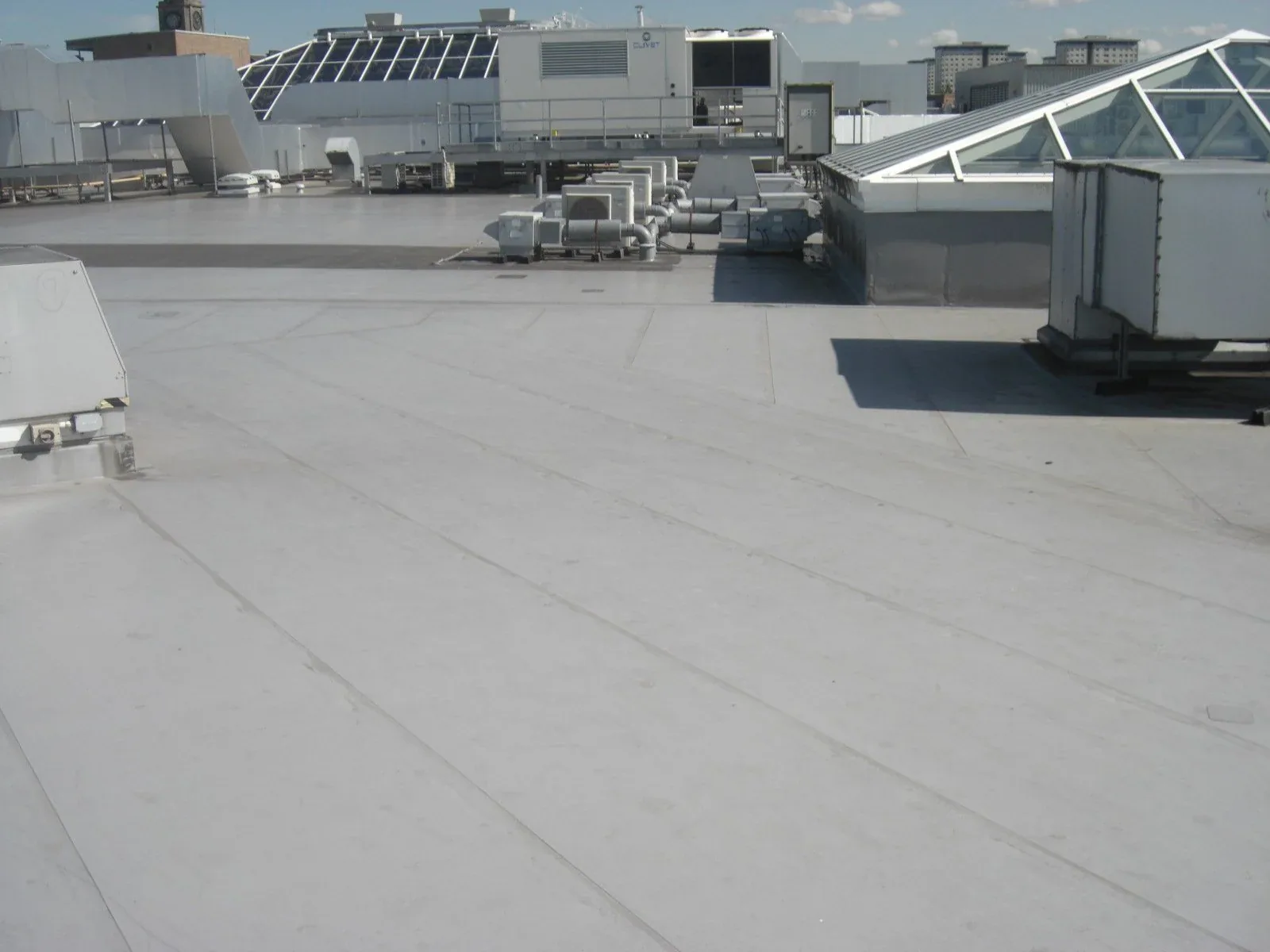
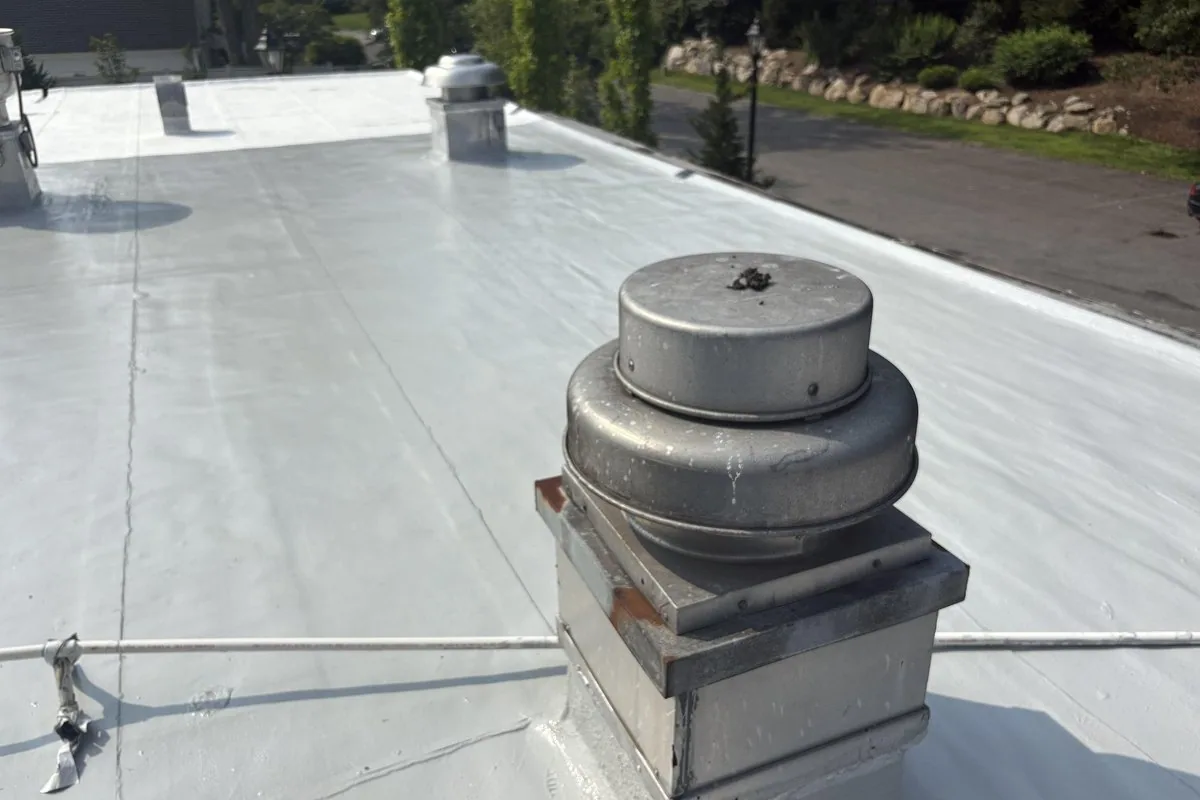
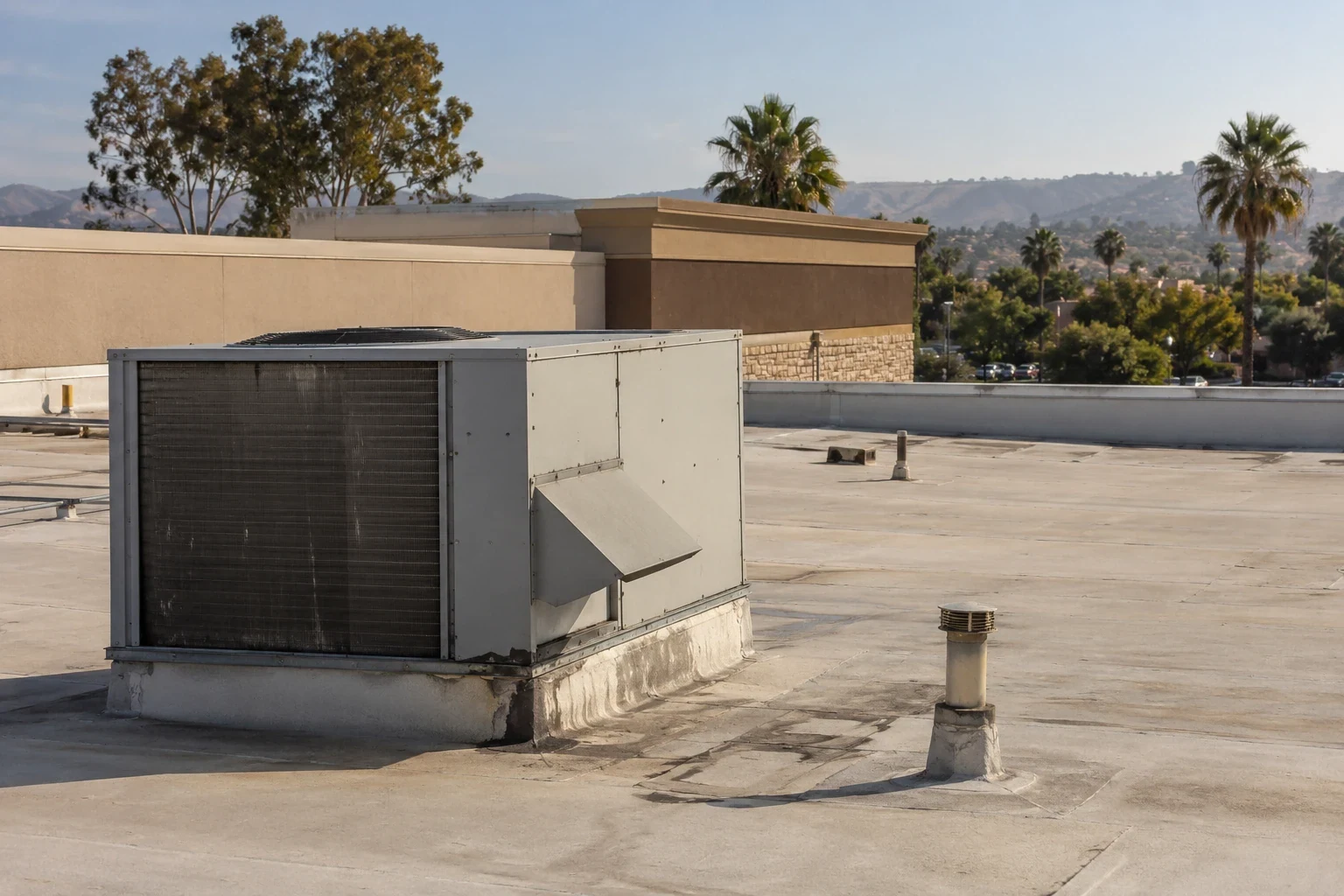
A gap around a penetration lets rain into the roof, and our penetration flashing repair looks at each pipe boot, line set and curb to see whether the flashing has split, shrunk or pulled away. We compare that with what your staff see inside and when they see it. Water that appears only during rain usually points to the roof. Water that appears in dry weather, or ice building up on the ceiling, often points to warm air getting into the insulation from inside, which is a vapor barrier or refrigeration question. We tell you plainly which one we think it is.
A wet spot on the ceiling does not tell you how far the wet insulation reaches. An infrared moisture survey helps map it, but cold rooms can confuse the readings, so we confirm with a few small core cuts. Each core is sealed the same day, and your team decides how the product below is protected while we cut. If the cores show a vapor barrier problem, we bring that to your building envelope or refrigeration specialist before we put anything back.
Wet insulation over a cold room has to come out, because it will not dry on its own and it keeps pulling more moisture in. Our insulation and cover board replacement removes the wet boards back to dry material and replaces them, along with the vapor barrier where it has been damaged. Getting that layer continuous again is what stops the problem from coming back. If the deck shows rust or damage, an engineer reviews it before we close it up. A bigger tear-off also means a bigger area of product to protect, and the estimate shows both.
Replacing insulation can raise the roof surface around curbs and drains. We check those heights before the job is priced so curbs can be raised and drains extended if needed. If refrigeration lines or units have to be moved to reach the flashing, your refrigeration contractor does that first and reconnects them afterward. We leave service access clear. Anything we cannot confirm until the roof is open, such as damage under a unit, is listed in the estimate as an open item, not hidden in a lump sum.
Product in a cold room cannot sit in warm air or under falling debris. Our occupied building reroofing plan shows your team which rooms sit under each day's work, when crane lifts happen, and how debris comes off the roof. Your operations and refrigeration staff decide what gets moved, covered or kept running, and when we can work. We keep the openings as small as practical and close them quickly so the rooms below hold temperature.
Sometimes the repair is small but hard to reach, like a penetration tucked behind a large condenser, and that affects how long the job takes. If another trade needs a separate visit before we can finish, we leave a secure temporary seal and say so in writing. If the wet area turns out to extend over another room, we stop, show your team, and agree on protection for that room before going further. You always know which repairs are permanent and which are temporary.
A refrigerated building roof needs more than an exterior inspection. We check seams, penetrations and curb details where warm interior air or service work can affect the roof assembly. In downtown Berkeley, the nearby commercial setting differs from West Berkeley’s warehouse and research stock, but the roof question stays specific to the building. We review enclosure details and protection needs before opening material above temperature-controlled rooms. The recommendation distinguishes a roof repair from refrigeration or interior-system work.
Cold storage work must keep the building’s temperature control and product protection in view. We map the planned opening, identify what lies below it and set the temporary closure before removal begins. The roof scope covers exterior flashing, compatible insulation and membrane transitions; refrigeration controls stay with the qualified service provider. West Berkeley’s industrial district and Oakland’s food and distribution corridors add different operating contexts around the Bay. We document the repaired boundary and any remaining equipment task separately.
Grocery store roofs have many of the same issues, with refrigeration equipment on the roof and cold cases inside. On a cold storage building, the closeout package includes photos of each repaired penetration, the area of replaced insulation and vapor barrier, and the finished flashing, plus a roof plan marking them. We keep roofing work clearly separate from refrigeration work, so each contractor knows what they own.
A warehouse roof covers goods too, but without the cold rooms and the condensation risk. For your building, the closeout list names anything still open for the refrigeration contractor, an engineer or an envelope specialist. If staff see water or frost again, they can check the roof plan to see whether it is under an area we repaired, note whether it was raining at the time, and send us photos. That detail helps us tell a roof leak from a condensation problem quickly.
Tell us which rooms are affected and when the water shows up. We will inspect the roof above them and send a photo report that separates roof problems from refrigeration or condensation issues.
Request a Roof Assessment