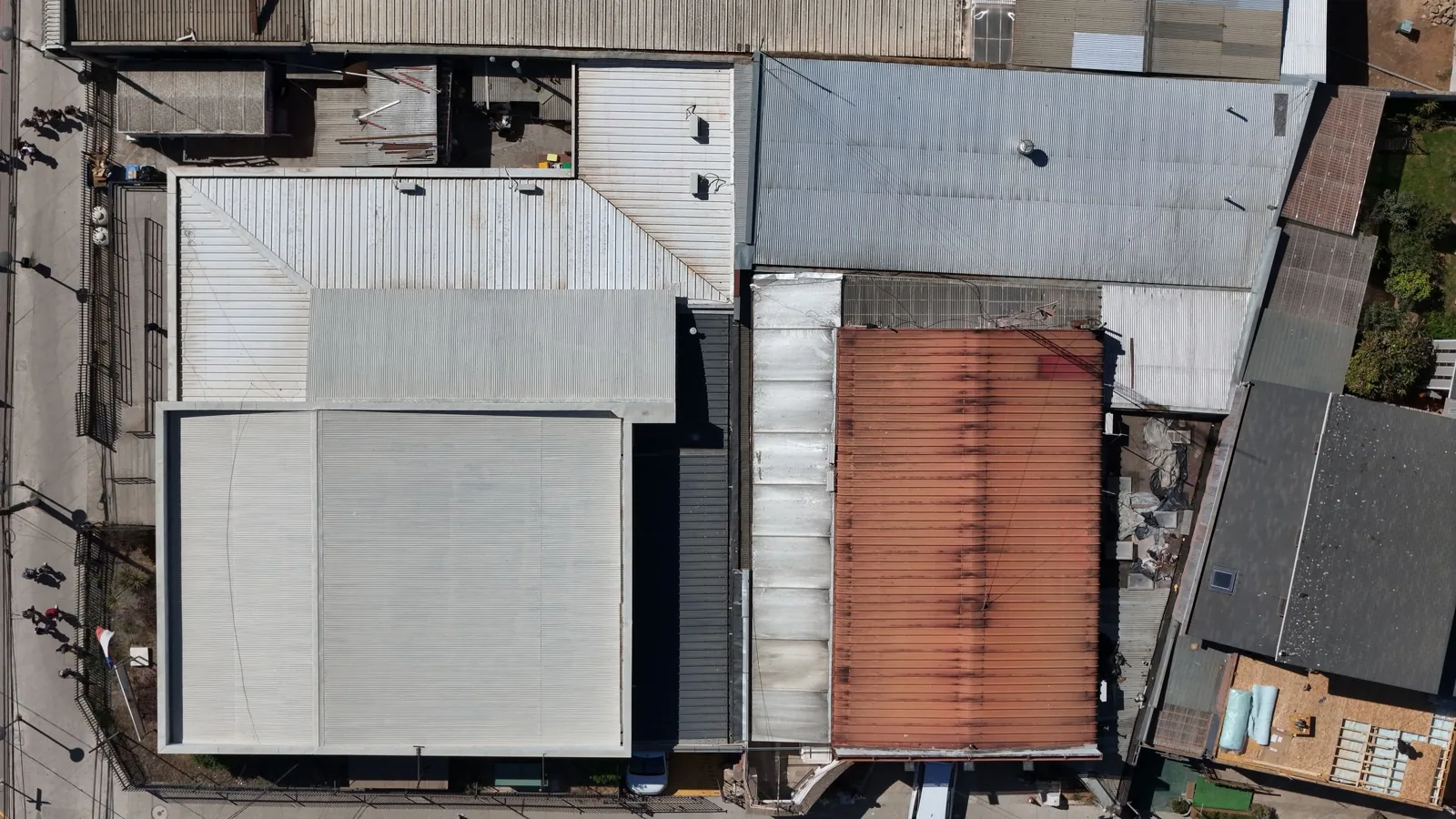
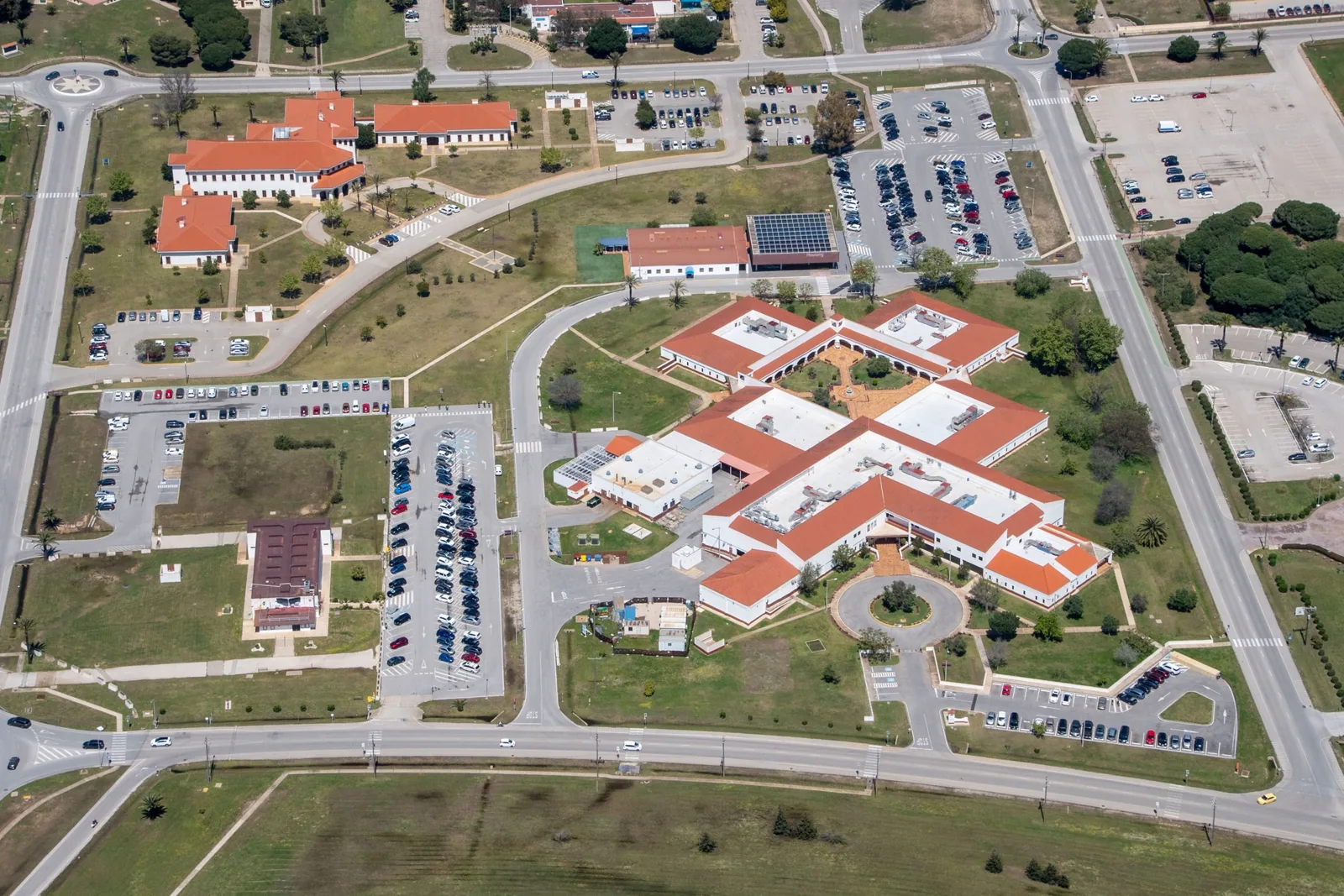
Naval facility roof repair near Berkeley, CA: loose edge metal, rotted nailers and wet insulation fixed on waterfront buildings exposed to bay wind.
Property Types We Roof | Berkeley, CA
Naval buildings around the bay sit right in the wind, and the roof edge takes the worst of it. Over time the edge metal loosens, the membrane behind it pulls back, and the wood nailer that holds it all down rots or splits. On a naval property near Berkeley, CA, a leak at the edge rarely drips right at the wall. Water runs along the deck under the roof and shows up over an office, a shop or stored equipment well inside the building. Salt air also corrodes fasteners and older galvanized edge metal, so the edge can loosen even when the wood is still sound.
Before we visit, it helps to know where the leaks show up and to have any drawings of the roof edge. On the roof, we start at the edge nearest the leak and check the metal, the nailer, the membrane termination, and nearby walls, joints and drains. If water is coming in now, we can install temporary protection, including nights, weekends and holidays, once access is approved. Equipment and electrical problems go to the right trades.
Before anything is priced, you get photos of each soft or loose section we found.Edge metal can look fine while the nailer behind it is soft. Our edge metal and coping repair opens a short section so we can see the wood and the membrane. Rotted nailers are replaced before any new metal goes on, because fasteners will not hold in rot. If the wall below the edge is damaged, that trade goes first, and an engineer reviews any structural question. Sealant along the edge of old metal does not fix the wood behind it. It also traps moisture against the nailer, which speeds up the rot.
Water that gets in at the edge usually soaks the insulation several feet inward. An infrared moisture survey shows the likely wet areas, and a few small core cuts confirm the edges. We seal each core the same day and protect whatever is stored below. If the wet area stays near the edge, the repair stays narrow. If it runs well into the roof, we mark it on a roof plan before any extra work goes ahead. That keeps the estimate tied to measured damage instead of an allowance for surprises.
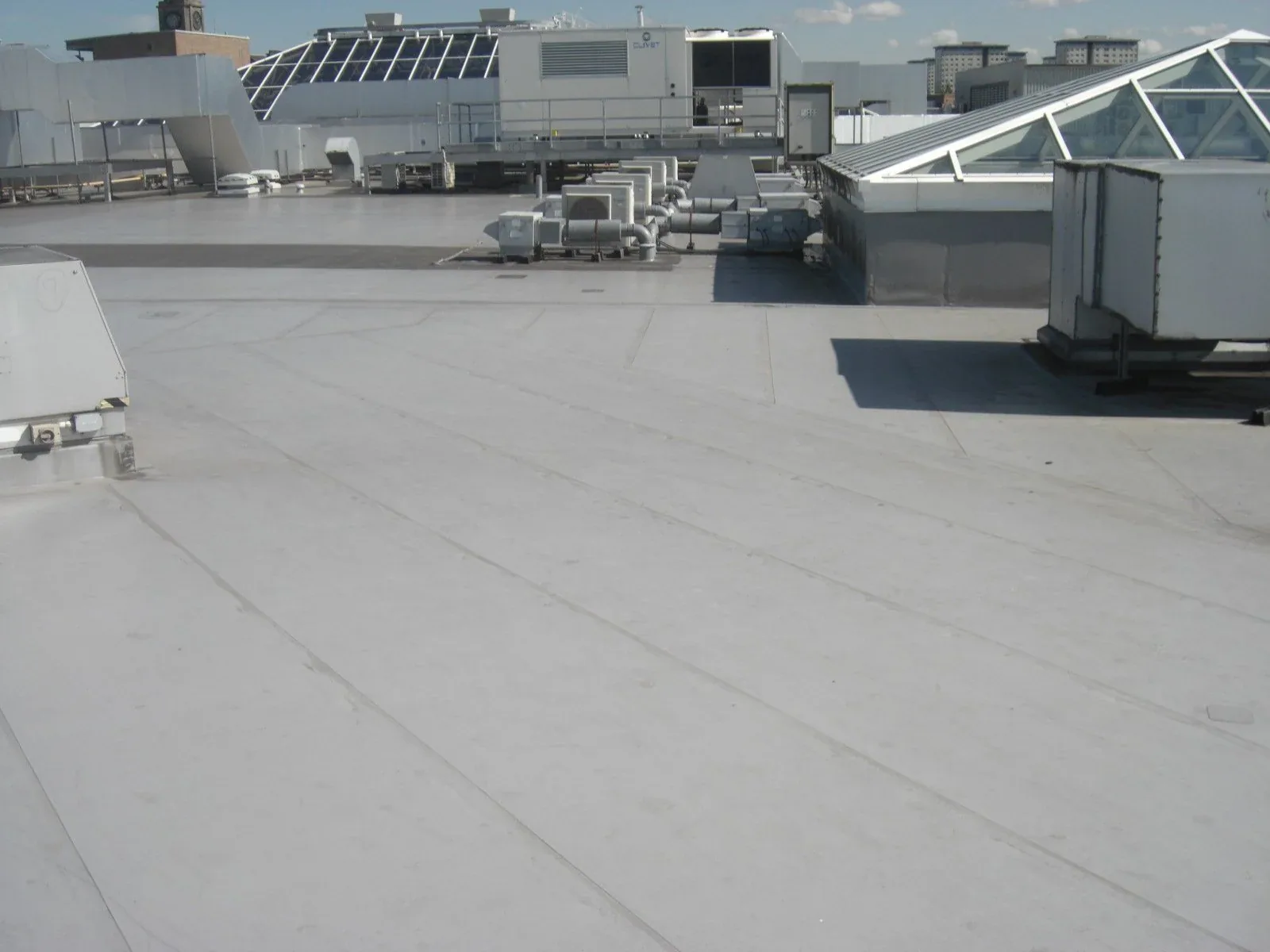
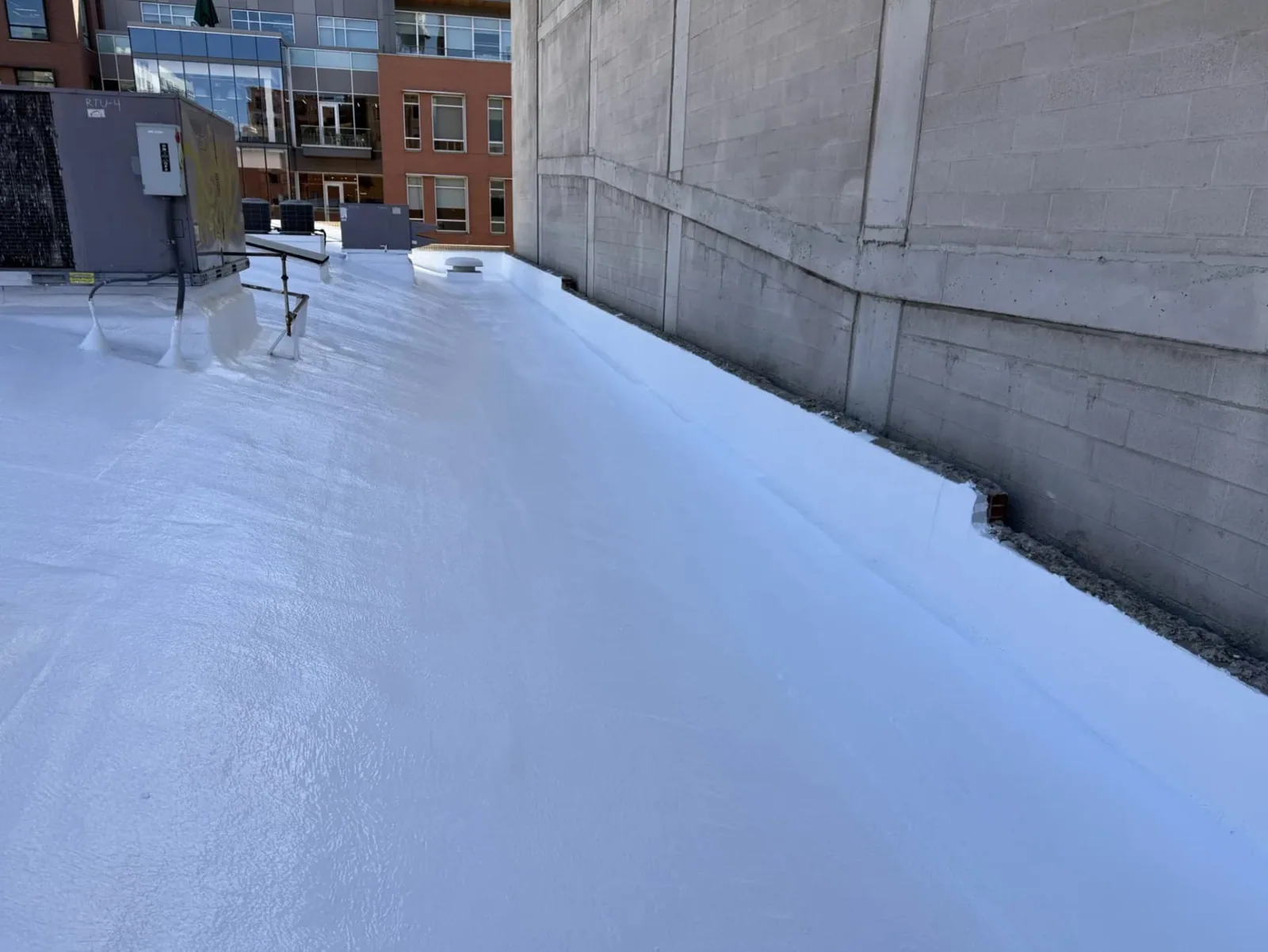
The edge repair follows the roof that is already there. A PVC or TPO roof gets heat-welded flashing that ties into the existing membrane. EPDM gets compatible tapes and adhesives, and modified bitumen or built-up roofs get matching bitumen layers. Metal roofs need edge trim and fasteners that allow for expansion and resist salt air. We confirm the roof type on site before choosing a method, and we replace any rotted nailer first so the new edge has something solid to hold.
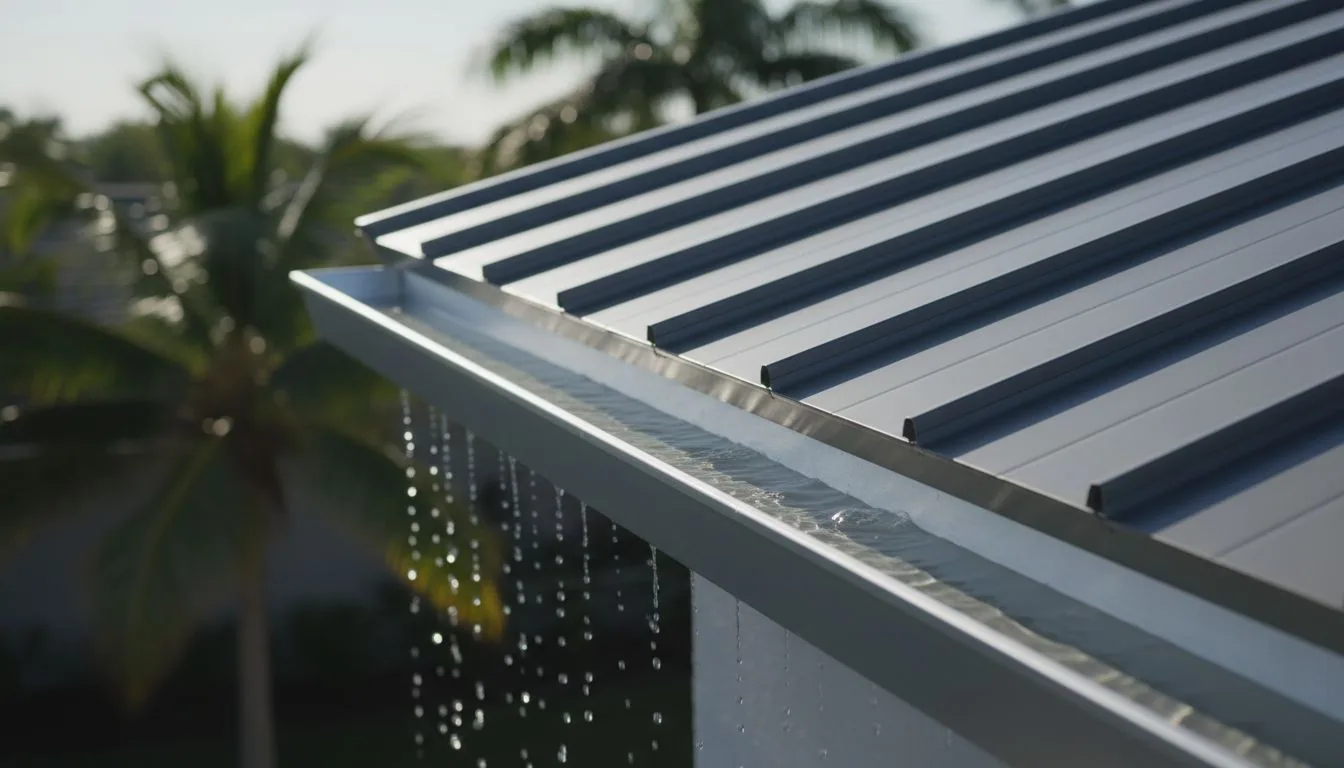
If most of the roof is dry, a roof recover over the existing roof can save money, but only after the edges are rebuilt, wet insulation is removed and an engineer confirms the deck can carry the added weight. A new layer laid over a rotten edge will fail at the same spot. Drains, curbs and equipment near the edge are checked too, so they can be raised or adjusted before the new roof closes them in. We also check gutters and downspouts along the edge, since a clogged gutter can back water up under new metal.
Work on a naval property follows the property's access rules. Through our military installation roofing process, the facilities or project staff approve access, escorts and work hours, and we plan crane lifts, staging and debris removal around them. Being available does not mean we can climb the roof; we start once access is confirmed. Your team decides how stored equipment and occupied spaces below are protected.
Material is staged where it will not block vehicle routes or loading areas, and we walk the route with your staff before the first lift.If we open the edge and the wet area runs over another room, we stop, show your project contact and agree on protection before going further. If another trade or an engineer needs to finish their part first, we leave a secure temporary seal and note it. Every opening is sealed before the crew leaves, which matters on a site exposed to wind and rain off the water.
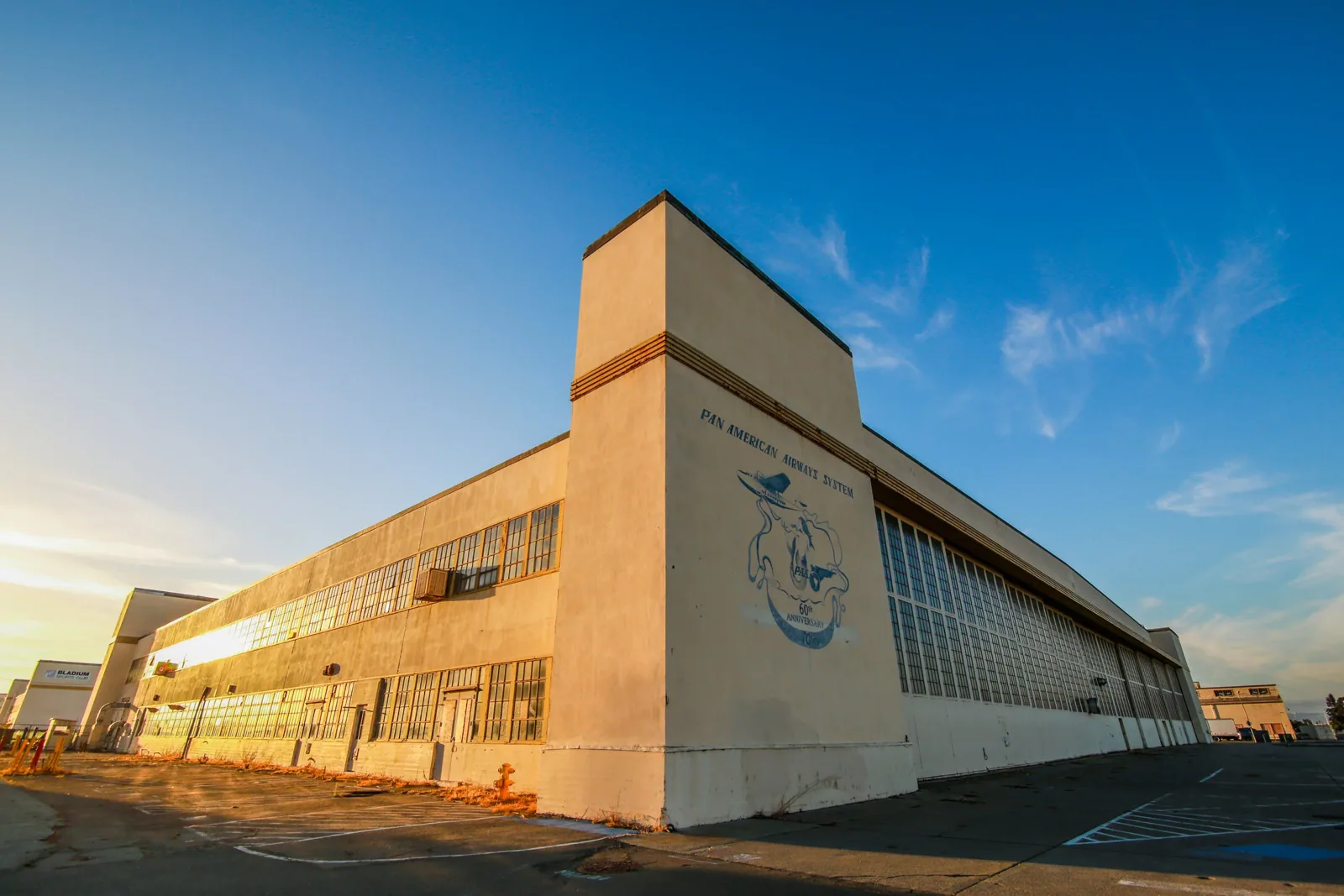
The daily notes list what is permanent, what is temporary and what is next, so your team always knows where the job stands.The former Alameda Naval Air Station, now known as Alameda Point, sits on the western tip of Alameda Island. Its buildings face the same wind and salt air as active waterfront facilities, and many have long, low-slope roofs with exposed edges. For work there, we plan roof inspections at Alameda Point around the specific building, the spaces below and the edge drawings available. Older buildings there may have had several roof layers added over the years, which changes how the edge has to be rebuilt.
For naval and former naval buildings elsewhere around Berkeley and Oakland, it helps to have the building, a list of rooms with leaks and any roof drawings before we visit. The long dry season followed by heavy winter storms dries out edge sealants and then tests them all at once. We walk the whole perimeter, photograph every loose or soft spot, and write the repair plan for that building based on what we actually find.
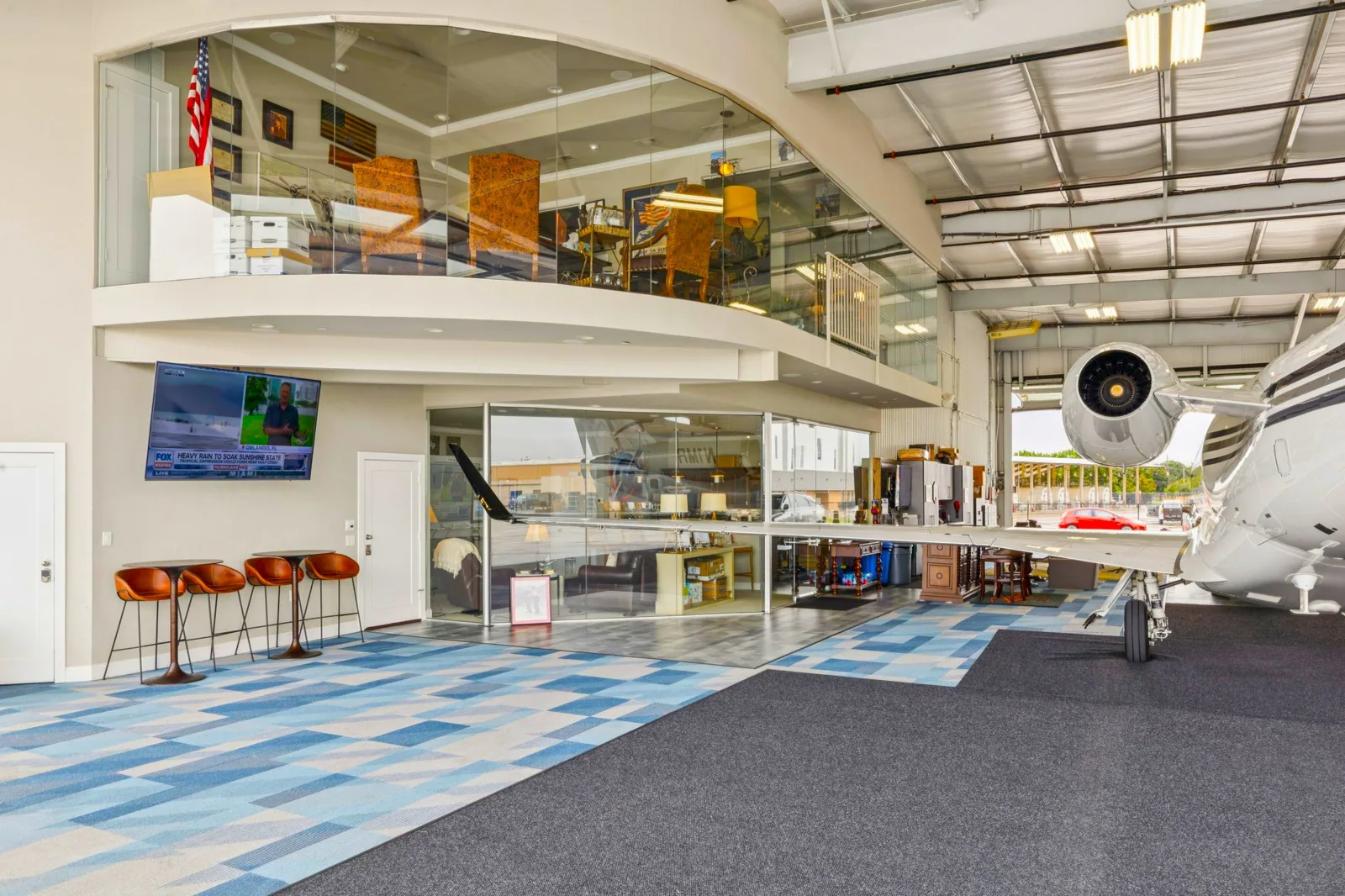
The same edge problems come up on aircraft hangar roofs, where aircraft below add another layer of protection planning. For a naval building, the closeout package includes photos of the rebuilt edge, the new nailer and flashing, and any replaced insulation, plus a roof plan marking them. Temporary repairs are labeled, and wall, structural or interior items are listed for the right trade.
Government building roofs have similar access rules and occupied offices, but every building's hidden damage differs. For your facility, the roof plan gives maintenance staff a clear reference for checking edges and drains, which is worth doing more often near salt water. If a room leaks later, they can see whether it sits under the rebuilt edge and send us photos.
We can usually tell from a few pictures whether it is related to the edge repair or a new problem.Send us the building, the rooms with leaks and any roof edge drawings. We will coordinate access, inspect the full perimeter and send a photo report with a clear repair plan.
Request a Roof Assessment