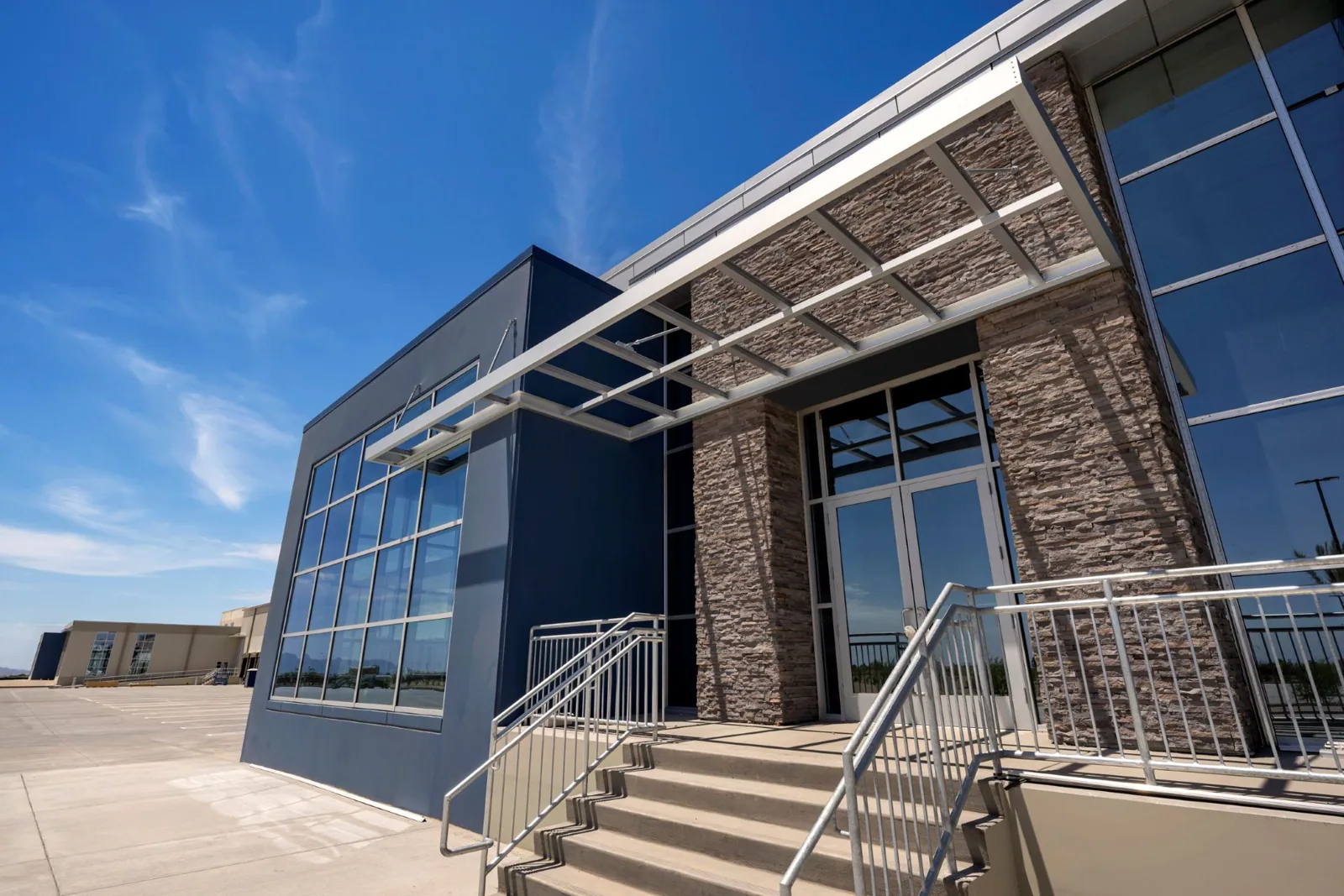
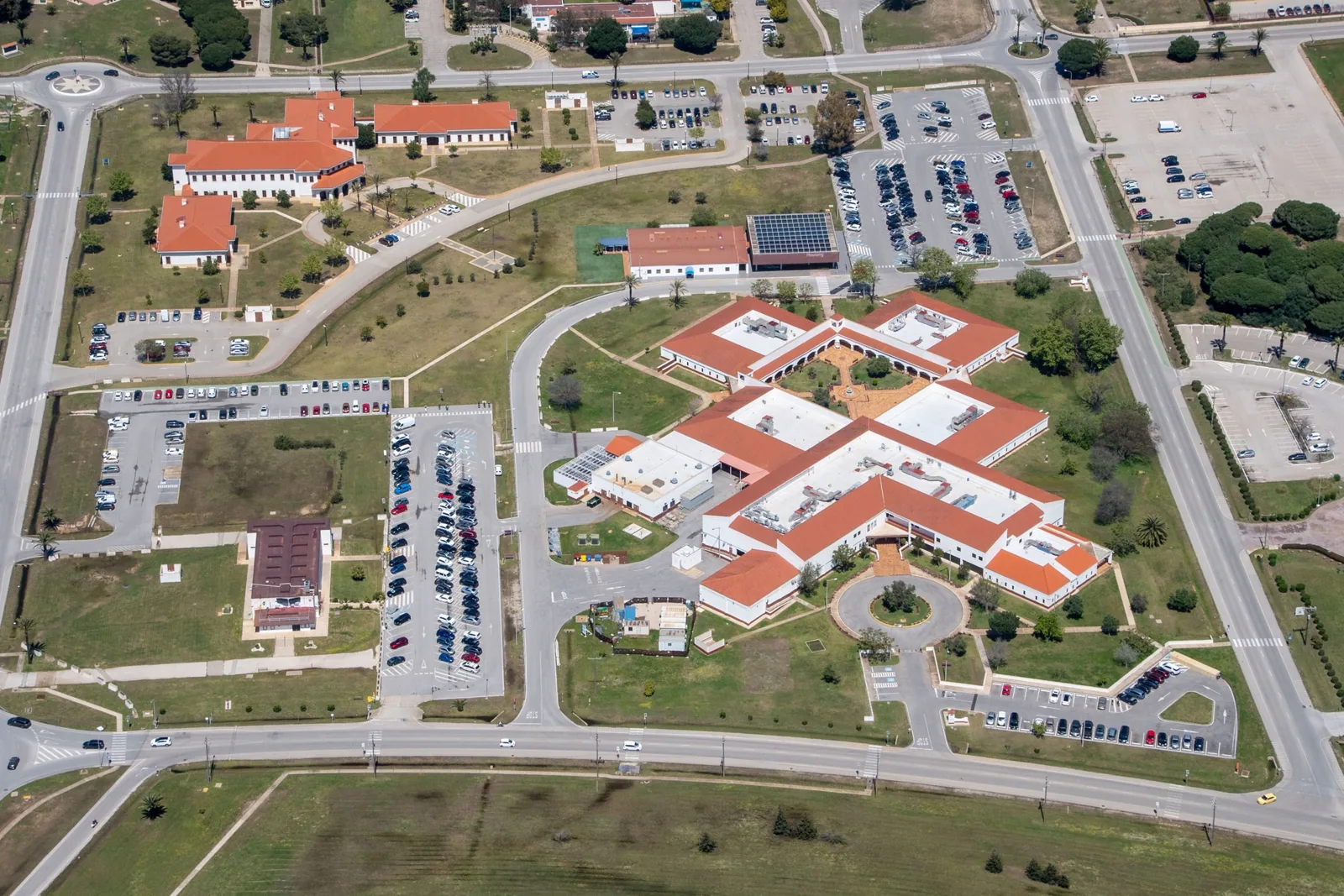
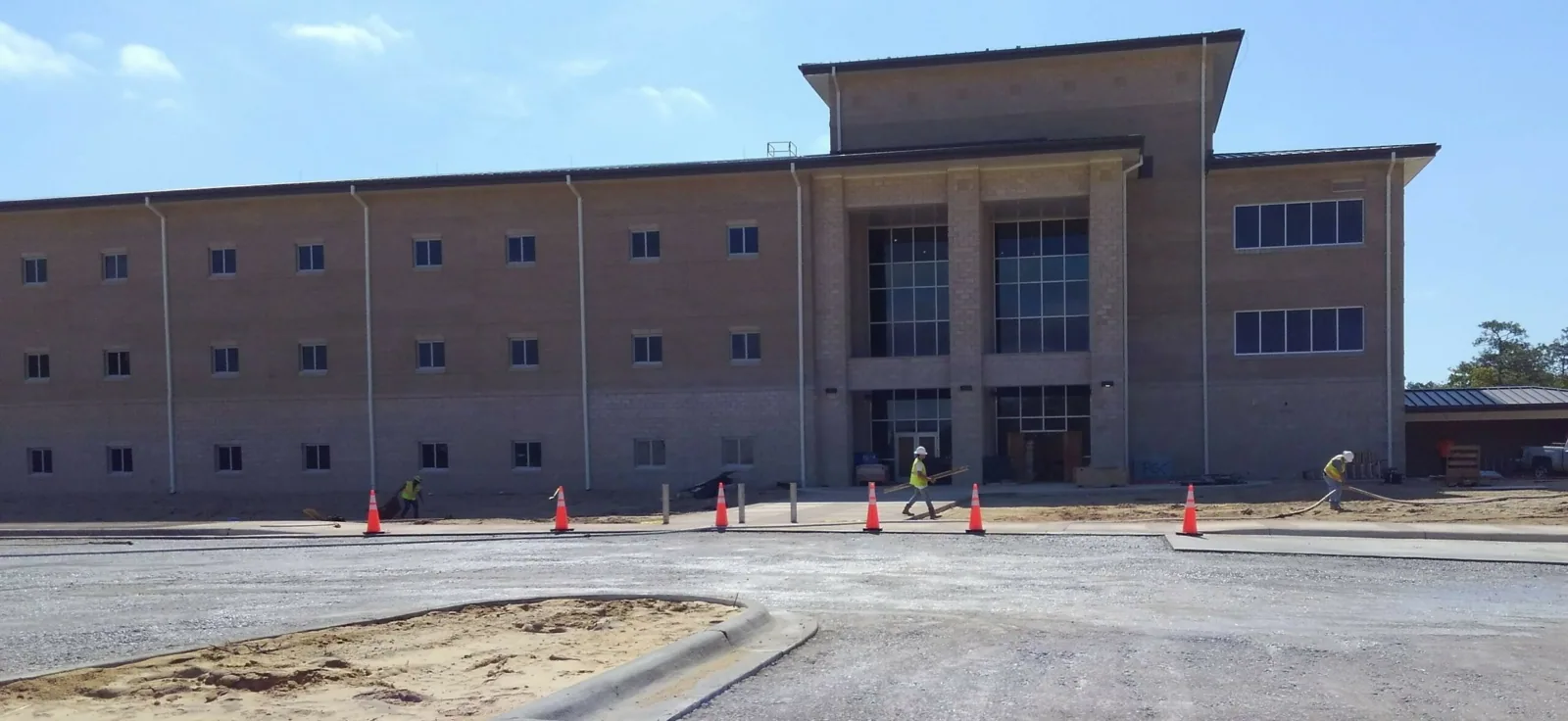
Coast Guard station roof repair near Berkeley, CA: rooftop equipment curbs, flashing and wet insulation fixed in salt air, within base access rules.
Property Types We Roof | Berkeley, CA
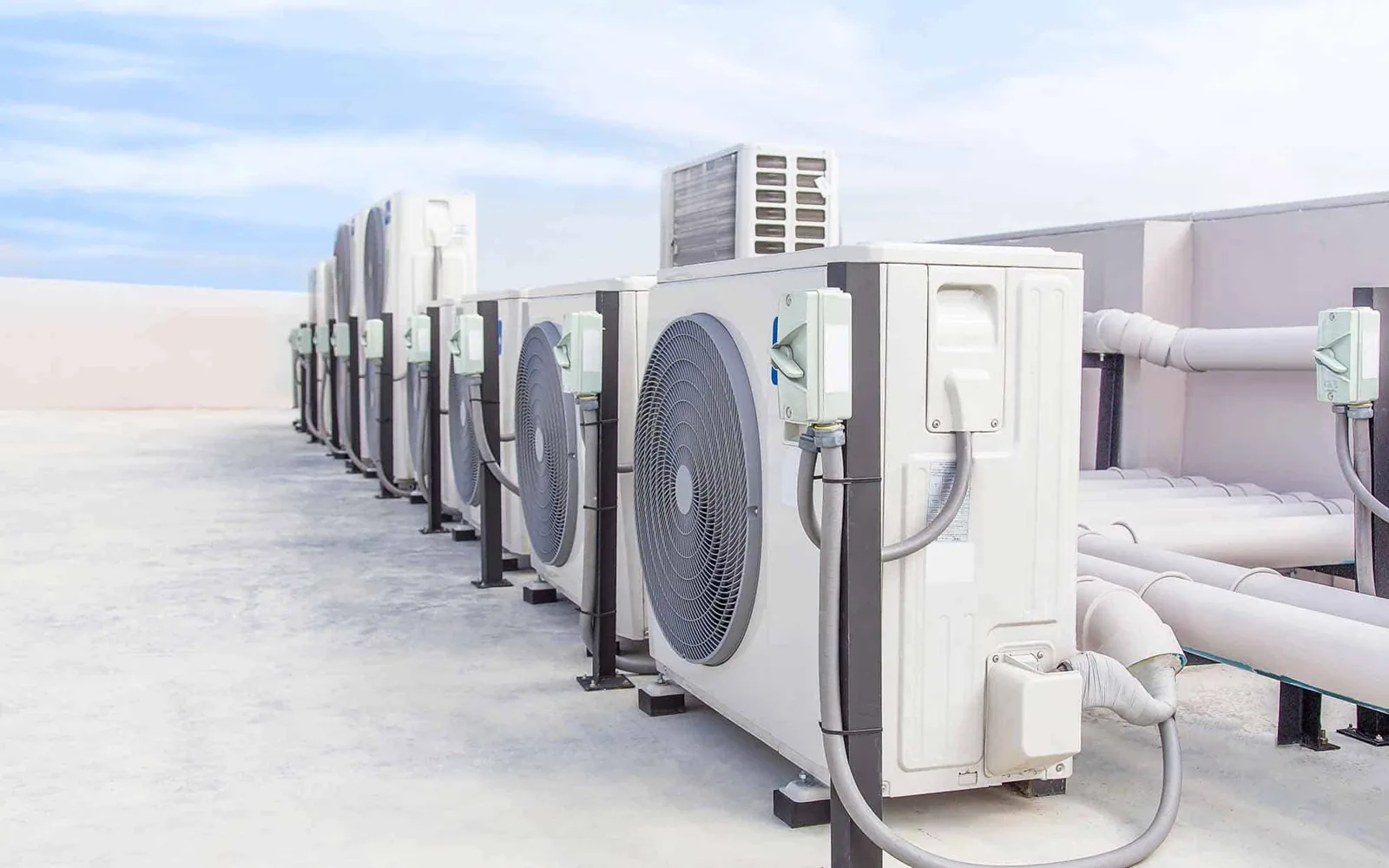
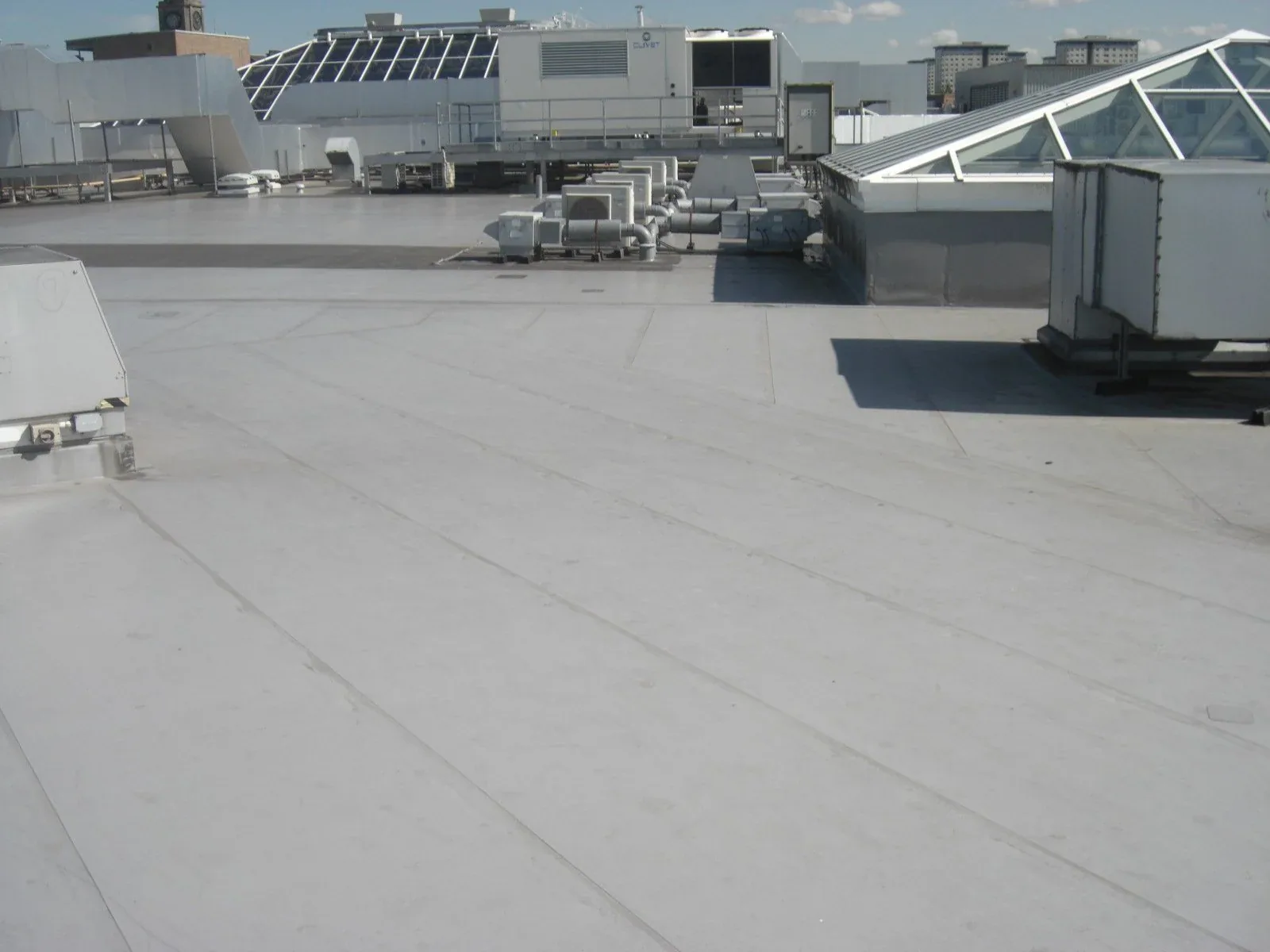
Coast Guard buildings around the bay carry radios, antennas, HVAC units and exhaust fans on their roofs, and every one of those sits on a curb or support that has to be flashed into the membrane. Salt air near Berkeley, CA is hard on metal flashing and fasteners. When a curb flashing pulls loose or the wood curb behind it rots, water runs along the deck and drips into an office, a communications room or a crew space, often some distance from the unit itself. Equipment gets added over the years, and newer units are often set on curbs that were flashed in a hurry, so those are worth checking first.
We start at the curb nearest the leak and check the flashing, the curb framing, nearby seams and drains. Sometimes a second unit or a pipe penetration is also contributing. If water is coming in now, we can install temporary protection, including nights, weekends and holidays, once base staff clear our access. Your facilities team arranges escort and tells us which rooms are affected. The equipment itself stays with your mechanical or electronics technicians, and any wet electrical goes to an electrician.
Curb flashing can look intact while the framing behind it is soft or the fasteners have rusted through. Our rooftop curb and equipment support repair opens the flashing to check the wood and metal underneath. If a unit has to be disconnected or lifted to reach the curb, your technicians handle that. Rotted wood gets replaced, short curbs get raised to a proper flashing height, and an engineer reviews any support that looks overloaded. New sealant over rotten framing just buys a few months.
Leaks at a curb usually wet the insulation around it. An infrared moisture survey shows where the wet areas likely are, and a few small core cuts confirm the edges. We patch every core the same day and protect the rooms below. If the wet area stays near the curb, the repair stays small. If it runs well into the roof, we show the facilities team a marked roof plan before any extra work is approved. That way the estimate reflects measured damage instead of an allowance for surprises.
Flashing cannot be done right with a unit in the way. Our penetration and curb flashing work is scheduled around your technicians, who disconnect or lift the equipment and reconnect it afterward. We keep service panels and cable entries clear so they can be reached once the roof is done. If new insulation raises the roof surface, we check that the curb is still tall enough and that water drains away from it, not toward it.
The flashing method follows the existing roof. PVC and TPO roofs get heat-welded flashing; modified bitumen and built-up roofs get compatible bitumen flashing; metal roofs get flashing and fasteners that resist corrosion. If the membrane around the curb is too brittle to tie into, a larger section gets replaced. A coating can extend the life of a sound field, but it does not repair rotted curb framing, so the curbs get fixed first and any coating comes after. We also check that condensate lines drain onto the roof properly instead of puddling against the curb.
On a Coast Guard property, the base sets the rules. Through our military installation roofing process, facilities staff approve access, escorts, badging and work hours, and we plan crane lifts, material staging and debris removal inside those limits. Being available to work does not mean we can climb the roof; we start only once access is confirmed. If technicians need to move equipment before we can finish a curb, that is scheduled first.
If we open the roof and the wet insulation runs over another room, we stop, mark the new area and review it with the facilities team before going further. They decide how occupied spaces are protected. Every open area is sealed at the end of the shift, which matters on a site exposed to wind and rain off the water. Our daily notes list what is finished, what is temporary and what is waiting on another trade or an engineer. If a gate delay or a change in the base schedule pushes us back, the facilities team hears about it that day.
Base Alameda has its security office in Building 3 on Coast Guard Island, and the island is a good example of the waterfront federal buildings we work on, where salt air and wind off the bay wear on rooftop equipment. Any project there starts with the specific building and the base's own access process. We also plan roof work in Alameda for other owners and agencies on the island city.
For Coast Guard stations and support buildings elsewhere in the East Bay, it helps to have the building number, any roof or equipment drawings, and a list of rooms with leaks before we visit. Berkeley and Oakland see long dry summers followed by heavy winter storms, so curb flashing that dried and cracked in the summer often leaks in the first big rain. We inspect every curb on the roof and write the repair plan for that building. Units that are hard to reach or sit behind antenna mounts get extra attention, since they are the ones most often skipped during routine maintenance.
The same curb and flashing problems come up on Army installation roofs, though each service branch has its own access process. At closeout on a Coast Guard building, you get photos of each rebuilt curb, the new flashing and any replaced insulation, along with a roof plan marking them. Temporary repairs are labeled, and anything that belongs to your equipment technicians, an engineer or another trade is listed separately. That list makes it easier to plan follow-up work with the right people.
Aircraft hangar roofs add aircraft below to the list of things to protect, but the hidden damage on each building is its own. For your station, the roof plan gives facilities staff a quick reference for routine checks of curbs and drains, which is worth doing more often near salt water. If a room leaks next season, they can see whether it sits under a curb we rebuilt and send us photos.
Send us the building number and any equipment drawings. We will coordinate access with your facilities team, inspect every curb and send a photo report with a clear repair plan.
Request a Roof Assessment