Acrylic roof coatings in Berkeley, CA: we repair seams, flashing and wet insulation first, then coat a clean, sound roof so the restoration lasts.
Roof Systems | Berkeley, CA
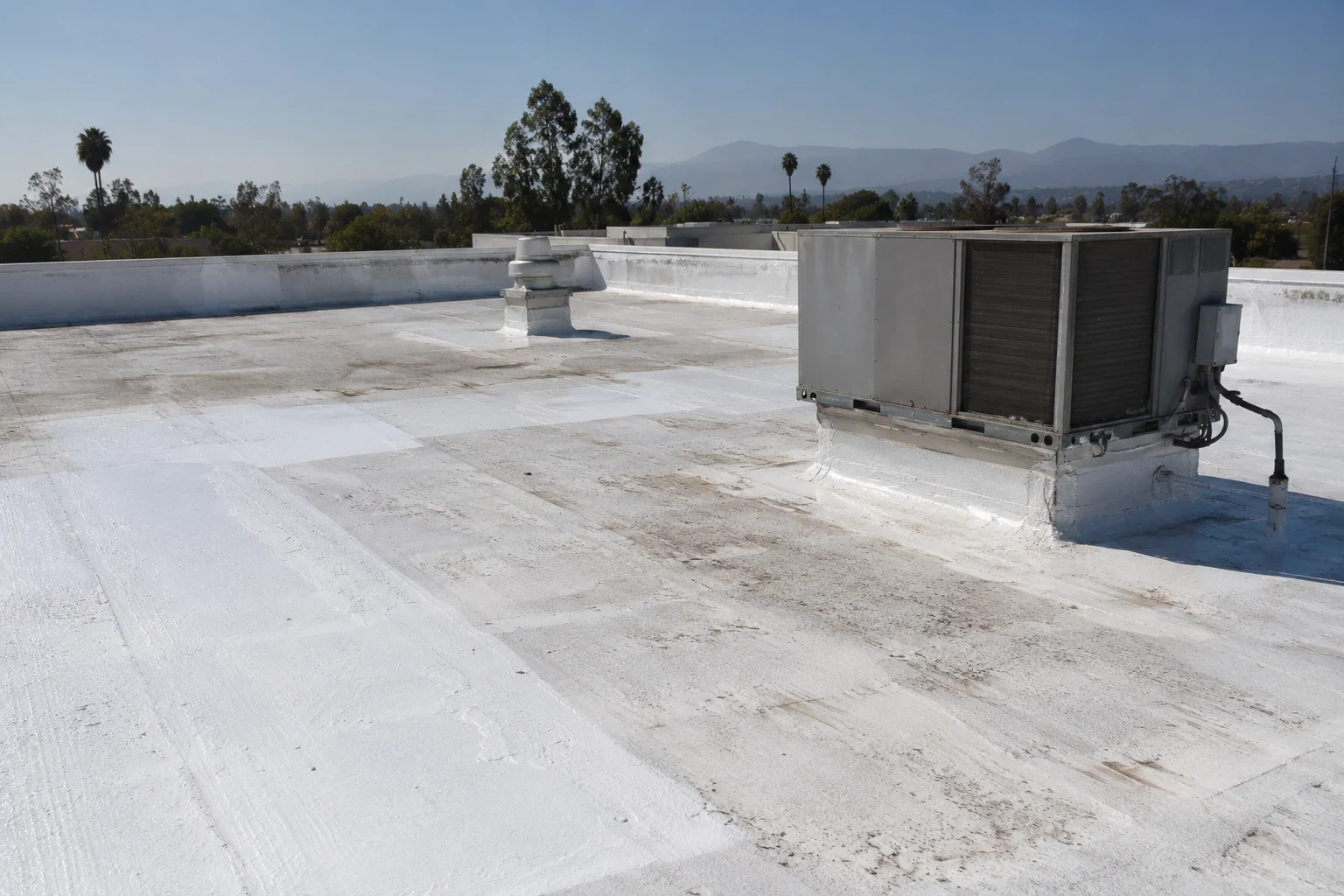
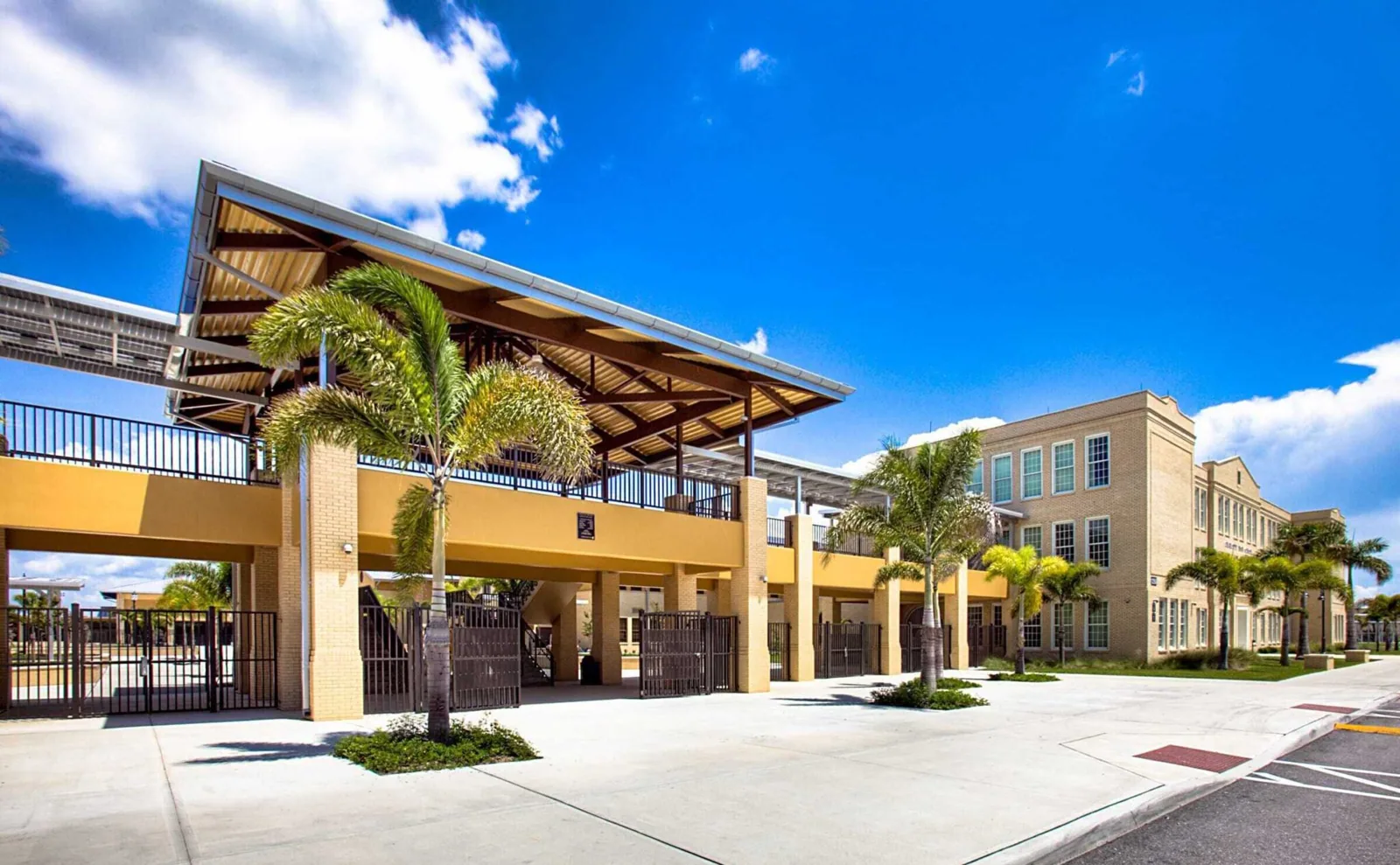
Picture a school roof where the old surface coating has worn thin along a wall, and a classroom below has started to leak. An acrylic roof coating in Berkeley, CA can be a good, cost-effective way to extend the life of a roof like that, but only if what is underneath is sound. A coating protects a surface; it does not fix an open wall flashing or dry out wet insulation. For a school roof coating, we also plan around class schedules and rooftop equipment. Before recommending a coating, we look at the walls, seams and insulation first.
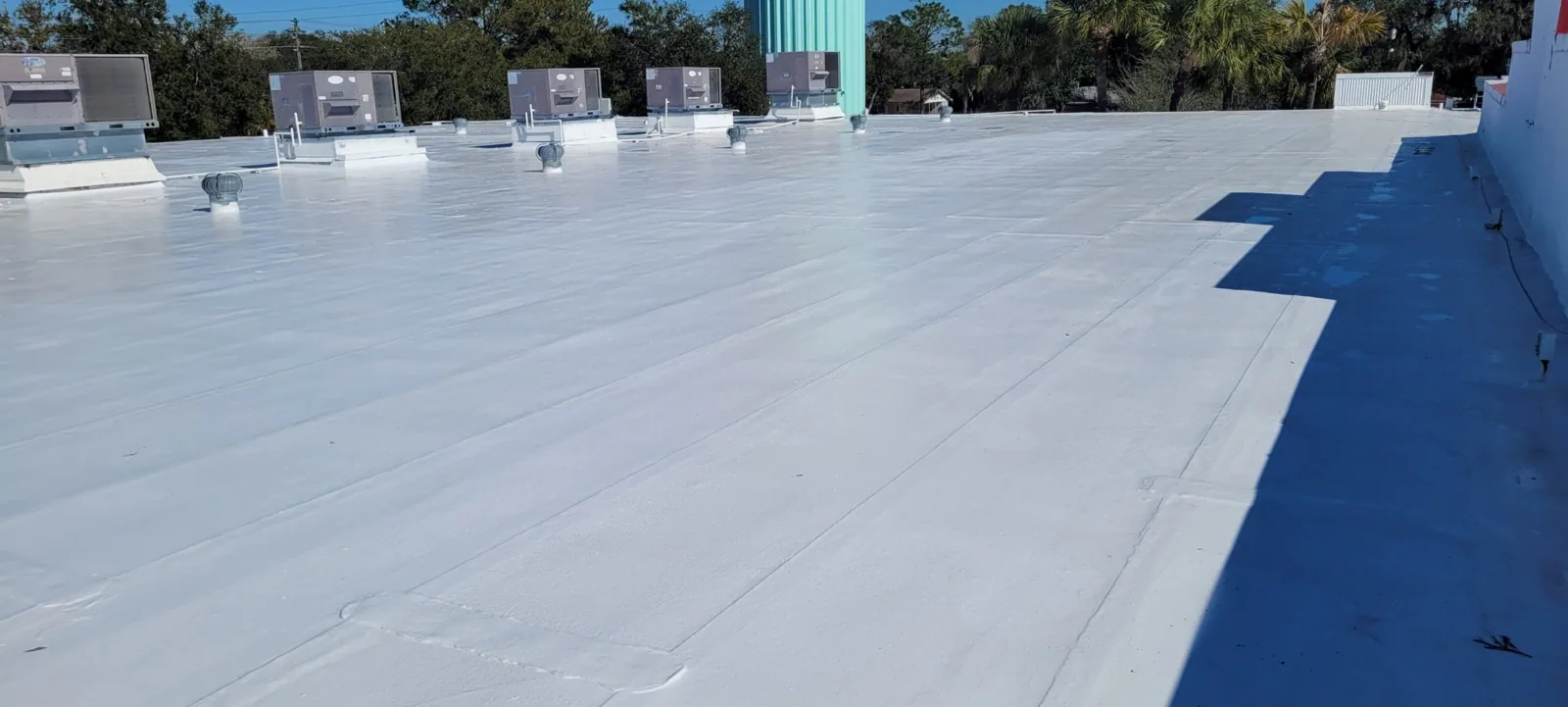
An acrylic coating needs a clean, sound substrate and weather conditions within the selected product’s application range. We inspect the existing surface, repair open seams and check that water can drain rather than remain at a low point. Berkeley’s foggy summers and winter storms make preparation and cure conditions part of the plan. West Berkeley production roofs may need protected work periods; downtown Oakland sites have different access needs. The recommendation follows the roof condition, not the coating label alone.
Worn coating is a surface problem. It tells you the roof's protective layer needs renewing, but it does not tell you whether the seams, flashings or insulation underneath are in good shape. We check those separately, because a coating is only worth applying to a roof that is otherwise watertight. Sometimes a few core cuts or a moisture scan are needed to confirm the insulation is dry. An open wall flashing needs to be rebuilt no matter how good the new coating is. We make sure you know what has to be fixed before anyone talks about gallons of coating.
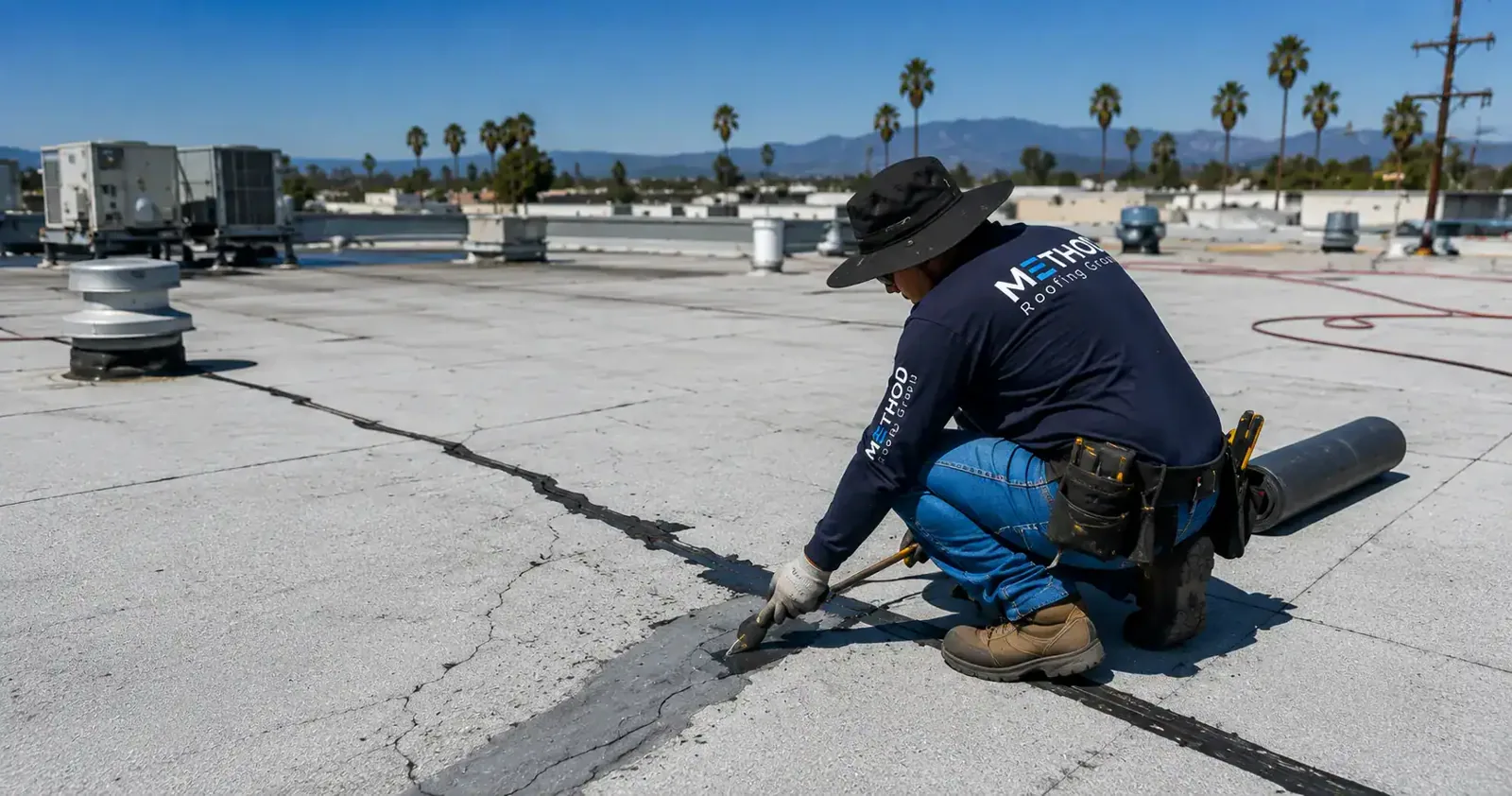
Our commercial roof repair work covers the fixes that come before a coating: resealing or replacing open seams, rebuilding wall and curb flashing, and replacing wet insulation. Coating over damp insulation just traps the water, and the roof keeps deteriorating under the new surface. A small worn area does not tell you how much hidden repair is needed, so we confirm it where it matters. The estimate lists these repairs as separate items alongside the coating, so you can see the full cost of a restoration that will actually hold up.
Older roofs often have a mix of materials: the original membrane, patches from different years and maybe an old coating. Acrylic coatings stick well to many surfaces but not all of them, and some older patch materials need special primers or have to be removed. We identify what is on the roof before ordering anything. The manufacturer's requirements decide how the surface is cleaned, which primer is used and which reinforcing fabric goes over seams and flashings. If we cannot tell what an old patch is made of, we say so and test adhesion before committing to the job.
Acrylic is not the only option. A silicone roof coating handles ponding water better and suits some surfaces that acrylic does not, while acrylic is often easier to recoat later and reflects sunlight well. We compare the two on the same roof area with the same repairs included, so the difference in price reflects the coatings themselves. Each option has its own primers, reinforcing fabrics and detail products. A quote that leaves out the repairs underneath is not a fair comparison, and we will not write one.
When a wall flashing has been open, water often soaks the insulation along that wall even though the roof surface looks fine. We use core cuts or a moisture scan to find out how far it goes, then remove and replace the wet material before coating. A coating cannot dry insulation; it only seals the water in. If we find more wet insulation once the roof is open, we stop, show you, and agree on the extra area before continuing. A temporary seal protects the open section in the meantime. A stain on the ceiling does not show the full size of the wet area underneath, which is why we test.
A commercial roof inspection before a coating tells you what we could see and what still needs testing. We compare what is on the roof with any drawings or past repair records. Adhesion and moisture are different questions, and each may need its own test. Old patches can hide what the original surface was. A visual walk cannot prove the whole roof is dry, so we point out where cores or a scan are needed and why. The coating recommendation follows what those tests actually show, not what we hope is underneath.
Wall flashings need to be solid and tall enough before a coating goes over them. We check the base of each wall, rebuild loose or rotted flashing, and add reinforcing fabric at the transitions so the coating does not crack there. If the wall itself is cracked, a mason handles that. Some roofs are better candidates for a spray polyurethane foam roof, which adds insulation and is then protected by a coating. That is a different system with its own preparation and detail work. Either way, the walls and details need to be fixed before the surface is renewed.
Rooftop equipment can get in the way of flashing and coating work. If a unit has to be lifted or disconnected, your HVAC contractor does that first, and we schedule around their visit. Tight roof access, limited hours or several building sections can add setup time, and the estimate reflects it instead of assuming open access. We make sure the repair materials, reinforcing fabric and coating are all on site before we start. A pallet of coating does not help if a curb is still waiting on the HVAC contractor, so the schedule is built around the whole job.
Before application, we check adhesion, detail reinforcement, drain protection and the planned film build against the product requirements. A new top layer cannot correct loose backing or an open curb by itself. For acrylic coating work in West Berkeley, we keep equipment access and daily closure in the sequence, then identify the completed area in the roof record. Emeryville’s research district brings separate occupied-space constraints.
When the job is done, you get photos of the repaired seams, flashings and any replaced insulation, along with the areas we coated and the adhesion and thickness checks we made. Anything still waiting on another trade is listed separately. If a manufacturer warranty is offered, its terms depend on the actual surface and how the coating was applied, and we walk you through them rather than promising coverage up front. The closeout notes also record which products went where. If a leak shows up later, or someone installs new equipment on the roof, you can compare it against that record.
Send any roof drawings you have and tell us where the worn areas or leaks are. We will check what is underneath and give you a plain recommendation, with photos, on whether a coating makes sense.
Request a Roof Assessment