Metal roof retrofit in Berkeley, CA: we check the old panels and structure, then install a new membrane or metal roof over them with curbs and edges rebuilt.
Roof Systems | Berkeley, CA
On an older industrial metal roof, the closure around a rooftop unit has separated and water is getting in. The panels around it look fine, but that does not tell you whether the purlins, fasteners and panel seams underneath are sound. A metal roof retrofit in Berkeley, CA puts a new roof over the old one, so the old roof has to be solid enough to carry it. For a manufacturing plant roof, we also plan around equipment and production. We check the existing panels and support first, then compare retrofit options.
A metal retrofit adds a new roof over an existing assembly, so the support and attachment have to be understood first. We inspect the current roof, identify moisture or loose material and review the proposed panel profile, drainage and edge height. Berkeley’s hills and West Berkeley’s older industrial buildings present different site conditions; neither establishes that a particular structure can carry added materials. The plan should show the supporting review, required preparation and permanent transitions before the new panels arrive.
In a retrofit, the old panels become the base for the new roof. We check panel condition, rust, loose or missing fasteners and the purlins underneath, and look for wet insulation where it exists. A smooth panel on top does not prove every fastener and seam below is sound. Any damaged sections get repaired or replaced first. The bigger question is whether the structure can carry the added weight, and that belongs to a structural engineer. Old drawings may not show later equipment or panel changes, so we confirm in the field.
Keeping the old roof in place is a lot like a roof recover: it saves tear-off and disposal, but only when the existing roof is sound and dry. Covering wet insulation or rusted panels does not fix them; it hides the problem until it shows up again inside. We confirm the condition before relying on it, and include any repairs in the retrofit price. A low price that assumes everything underneath is fine is not a real number, so we show what each option includes from the deck up.
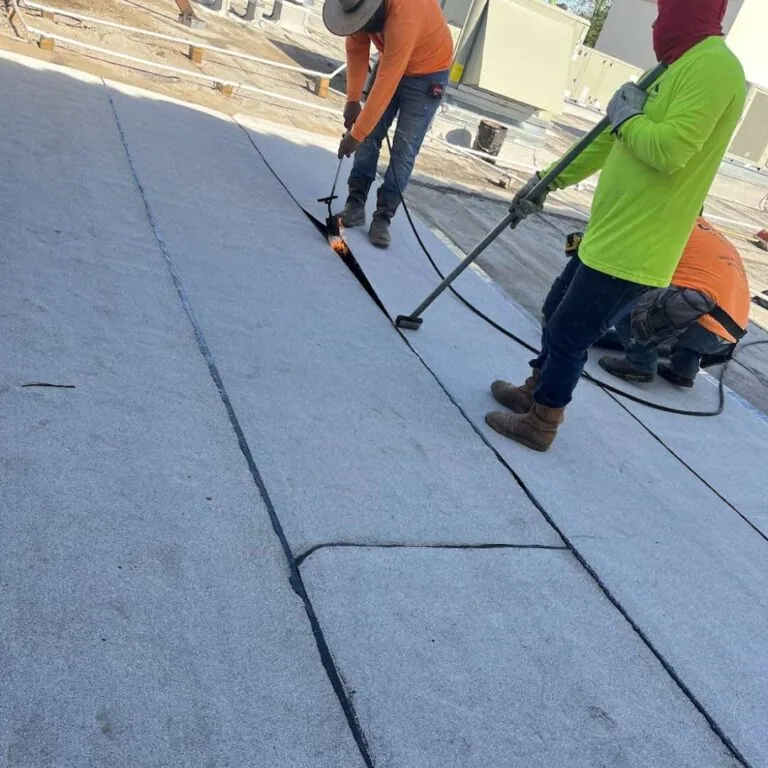
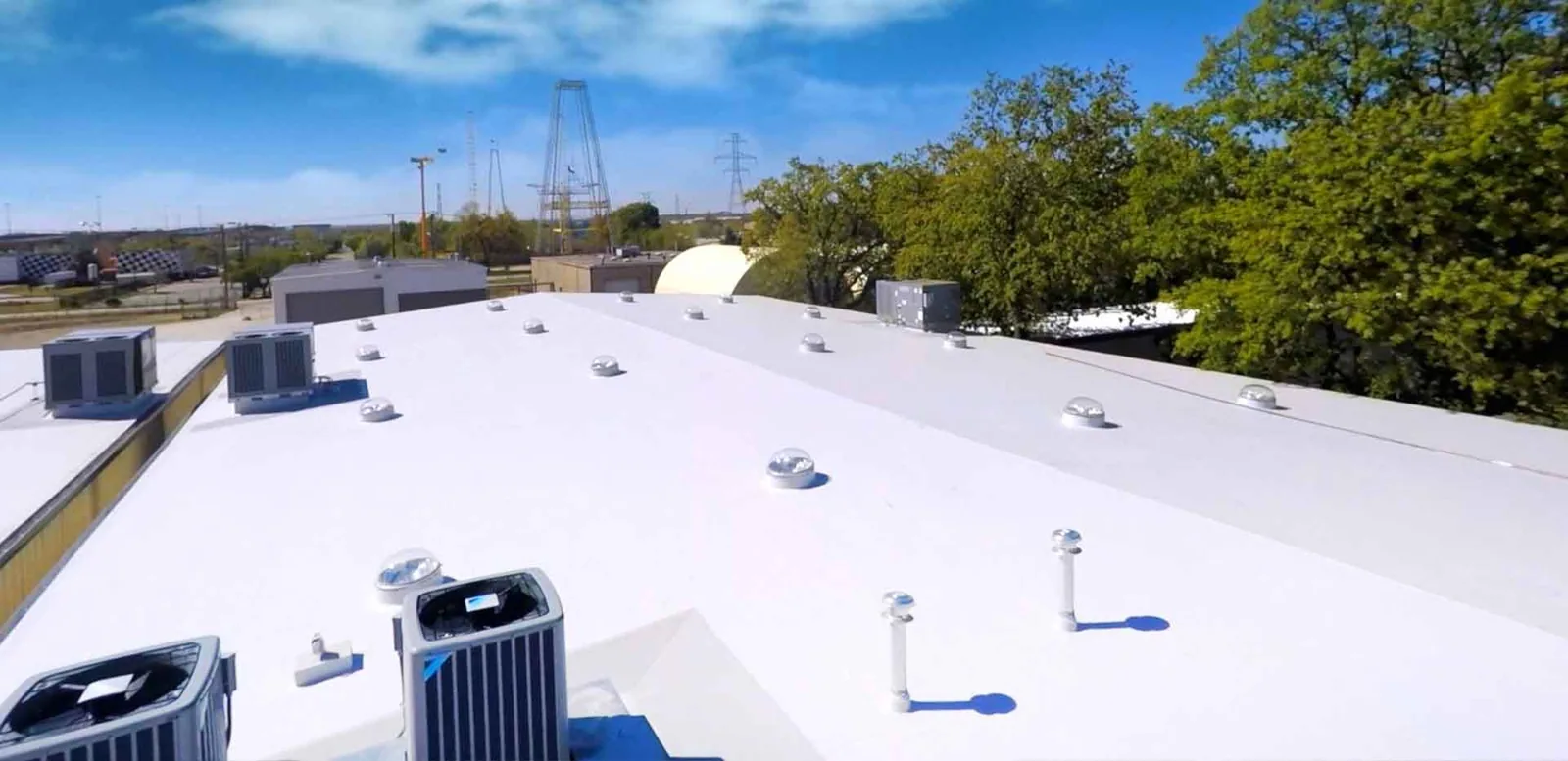
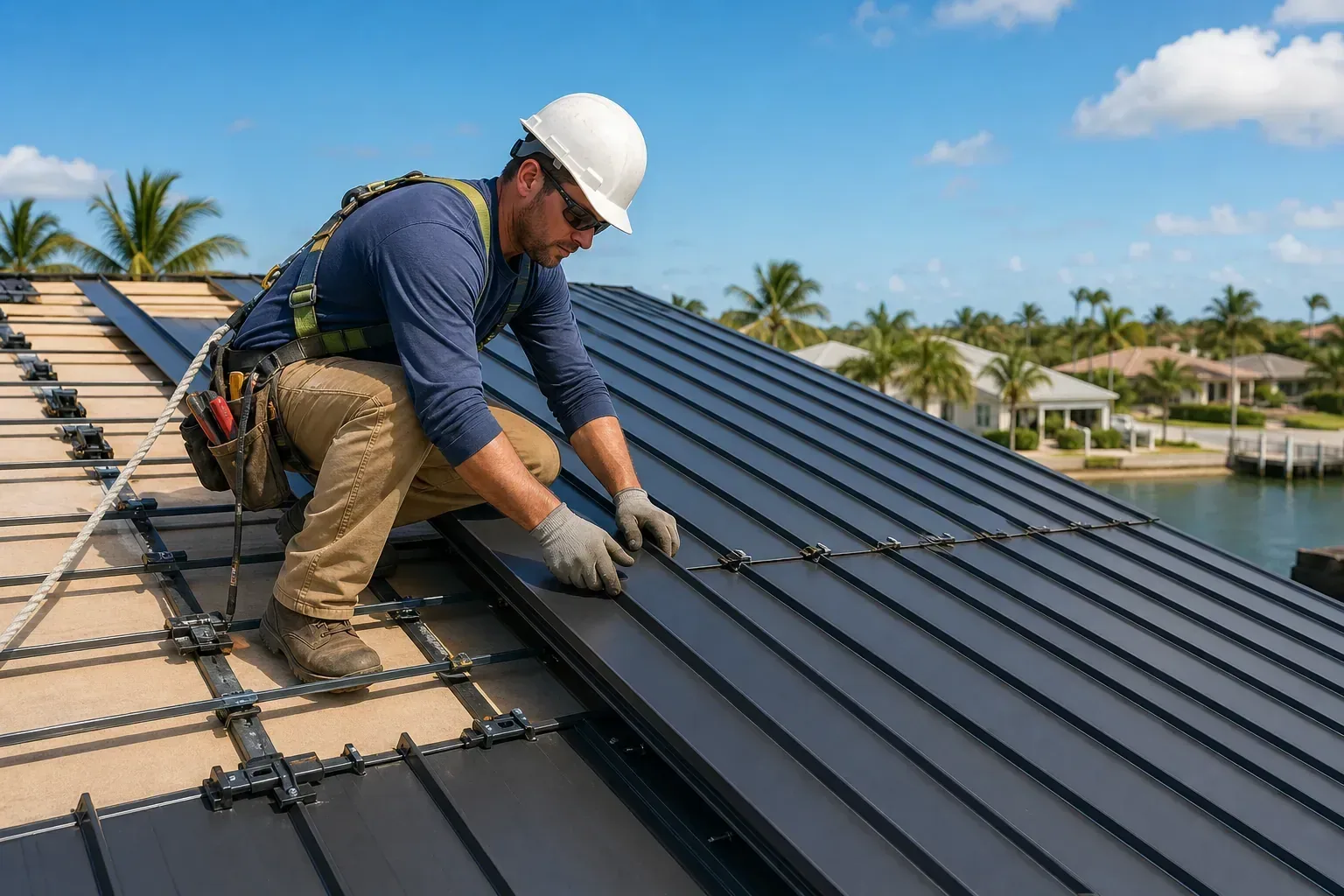
There are different ways to retrofit a metal roof. One is a single-ply membrane system, where foam flute fillers and a cover board go over the old panels to create a flat surface for the new membrane. Another is metal-over-metal, where new framing or clips are fastened through to the structure and a new metal roof goes on top. Each has its own parts, attachment and details, and the shape of your existing panels affects which one fits. We tell you exactly which system we are proposing and what it includes.
A membrane retrofit using a TPO roof needs the flute fill, cover board, attachment and welded seams planned together. We compare it with a metal-over-metal option on the same roof area, including the same repairs to the old panels. Material and labor differ between the two, especially at walls and curbs. Having membrane on hand does not finish the job if the curb and edge details are not ready. The comparison shows what each system would actually take to complete on your building.
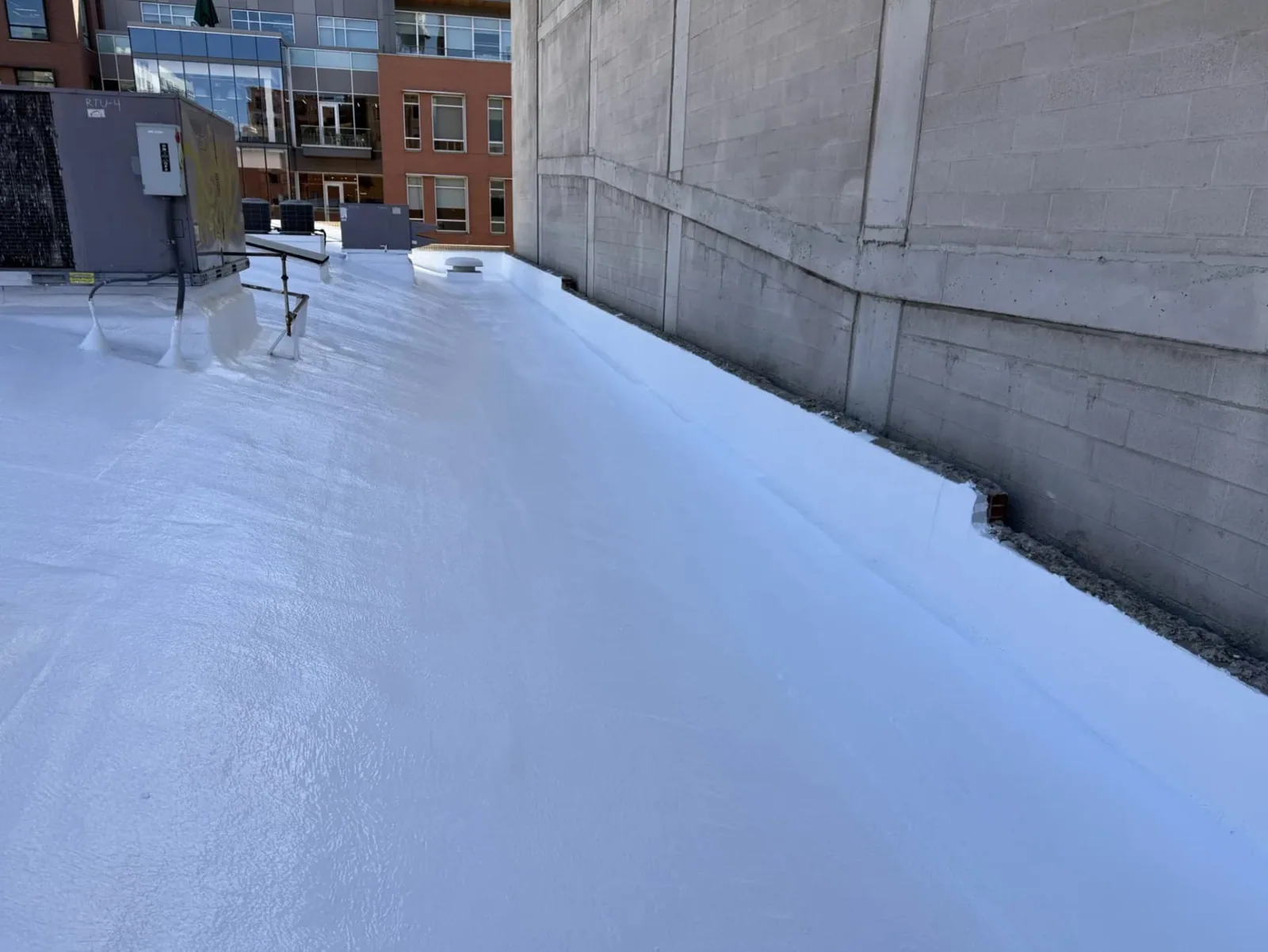
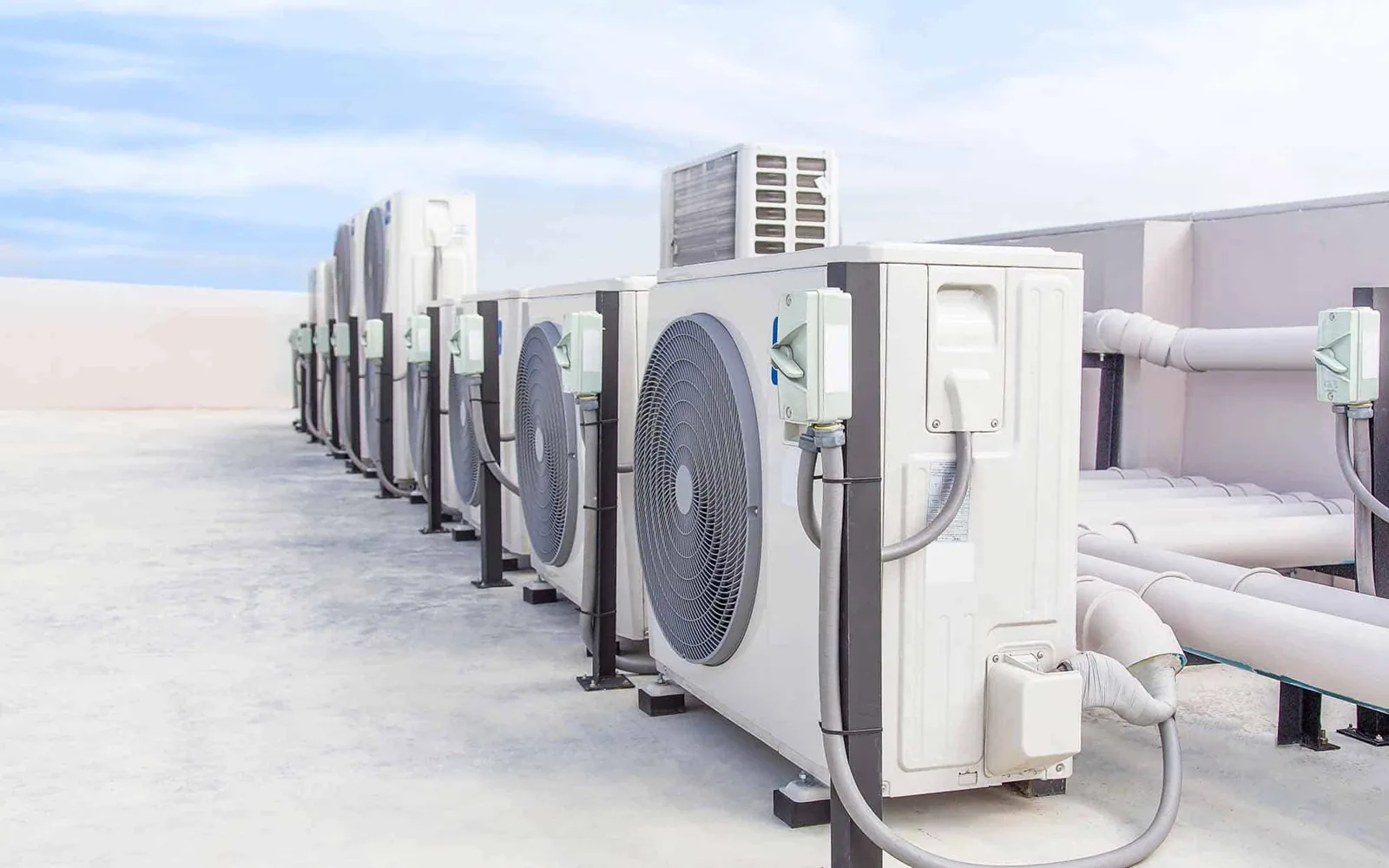
A retrofit raises the roof surface, sometimes significantly, which can leave curbs too short and change how the roof meets walls. We measure each curb and wall before final pricing and include any raising or rebuilding. Our curb and equipment support work builds new curbs or extensions at the right height. If a unit has to be lifted or disconnected, your mechanical contractor does that first, and we schedule around them. New roof elsewhere cannot finish a curb that is still waiting on the equipment.
Walls, gutters and drains need the same check. The new roof has to shed water at each wall and drain the way the old one did, or better. Any wall repair goes to the right trade. If you are considering a standing seam metal roof, its clips, panel profile and closures have to suit the new framing, and not every clip works on every building. Each option should spell out the trim and closures it includes, so the price covers the finished roof, not just the panels.
Sometimes the old roof has more damage than we could see, like rusted purlins, rotted wood blocking or wider wet insulation. If that turns up during the work, we stop, measure it, show you and agree on the repair before going further. A temporary seal protects the open area in the meantime. Suspected damage is kept separate from confirmed damage in the estimate. Structural concerns go to an engineer. Covering damaged material with a new roof does not make it sound, so the new roof only goes over support we have confirmed is solid.
Working over an occupied building adds planning. Material deliveries, crane lifts and staging have to fit around your operations. If the roof is done in phases, each phase needs its own setup and a temporary tie-in to the old roof. All the framing, insulation, roofing and trim need to arrive together. A delivery of panels cannot finish a curb still waiting on the mechanical contractor. The estimate explains this setup and preparation work, not just the square footage, so you can see what makes the retrofit price what it is.
Panel movement, fastener layout and water discharge all matter where new metal meets a parapet, curb or existing wall. We compare the new section with actual clearances and flag structural or code questions for the responsible designer. A West Berkeley metal retrofit may need staging around production or research operations, while Emeryville sites have separate access limits. The final record distinguishes retained construction from new panels, closures and corrected drainage details.
When the job is done, you get photos of the repairs to the old roof, the new framing or flute fill, and the finished curbs, walls and edges, along with the checks we made. Areas of the old roof we did not open are noted. If a manufacturer warranty is offered, its terms depend on the system and how it was installed over the old roof, and we explain them rather than promising coverage up front. The closeout notes show which parts are new and which are original. If anyone later adds equipment or cuts into the roof, they will know what is underneath.
Send any roof or panel drawings you have and tell us where the leaks are. We will check the existing metal roof and send a plain comparison of retrofit options with photos.
Request a Roof Assessment