Roofing for hotels and hospitality groups in Berkeley, CA: leak tracing, hatch and seam repairs, and roof work scheduled around guests, rooms and service areas.
Industries We Serve | Berkeley, CA
A lifted seam next to a hotel roof hatch is worth fixing before a guest calls the front desk about a drip. The seam may have lost its bond, or the board under it may have gotten wet and soft. For hospitality groups in Berkeley, CA, we inspect that spot and explain what we find. Smearing sealant over it might stop the leak for a while, but it won't fix a wet substrate. We identify the damaged detail, check the layers underneath and tell you what a lasting repair involves, so the hotel can make a clear call.
A hotel leak can interrupt guest rooms even when the roof opening is small. We follow the water path to the membrane, wall or equipment connection, then plan protection around occupied floors and service access. Downtown Berkeley, Emeryville’s research district and Oakland’s commercial core each have different operating patterns. An inspection of a hotel roof should account for the building’s actual assembly, room below and daily access needs before a repair window is set.
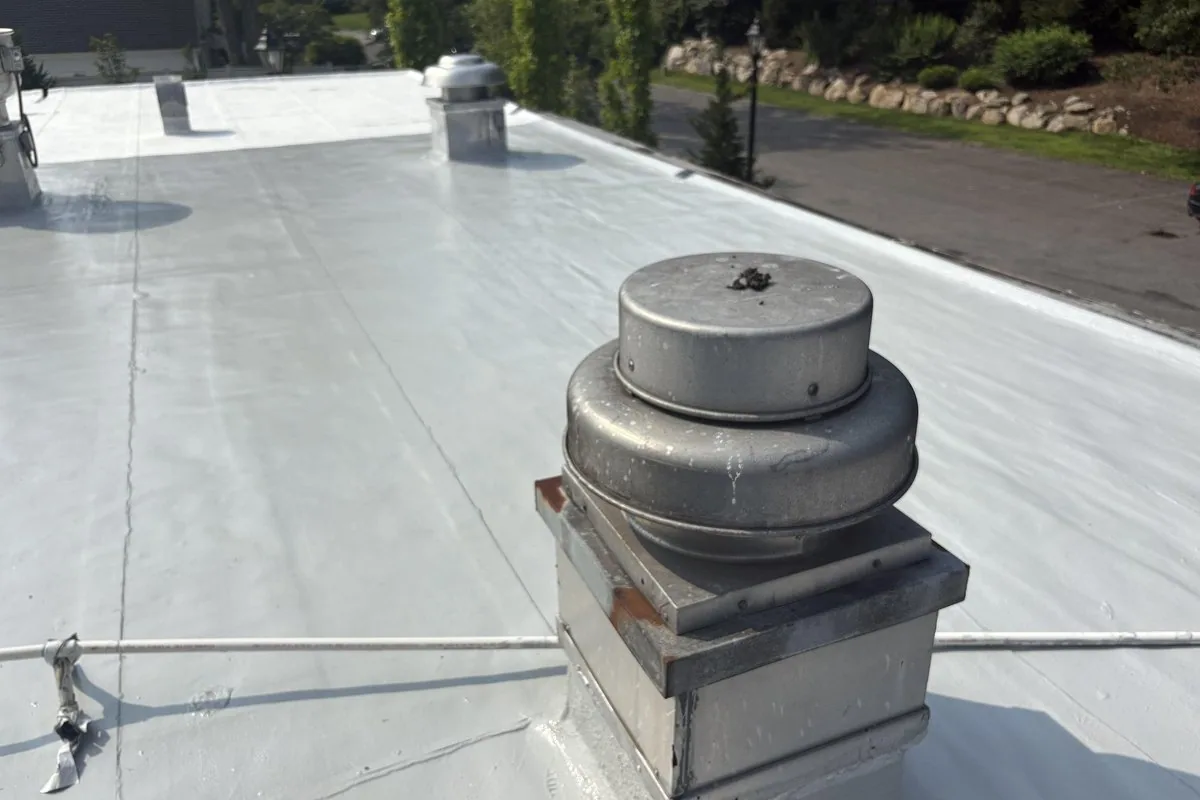
Roof hatches are a common leak point because the membrane has to turn up and over a raised curb. If the flashing loosens at the base or corners, water gets under the membrane. We check the corners, the base seam and the top of the curb. Sometimes the hatch itself leaks through a worn gasket or cracked lid, which is a separate repair. A stain in a guest room points us in the right direction but doesn't prove where the water gets in. We compare what we find on the roof with when and where the leak appears, and tell you what's confirmed.
When repairing a lifted seam, the membrane on both sides has to be clean and sound. Old caulk, dirt or wet board underneath can stop the repair from bonding. We identify the membrane first, then choose the prep and method. A probe or test weld can show whether a seam will take a repair at that spot, but it doesn't tell you about the whole roof. The repair scope names the exact location and extent so you know what's being fixed.
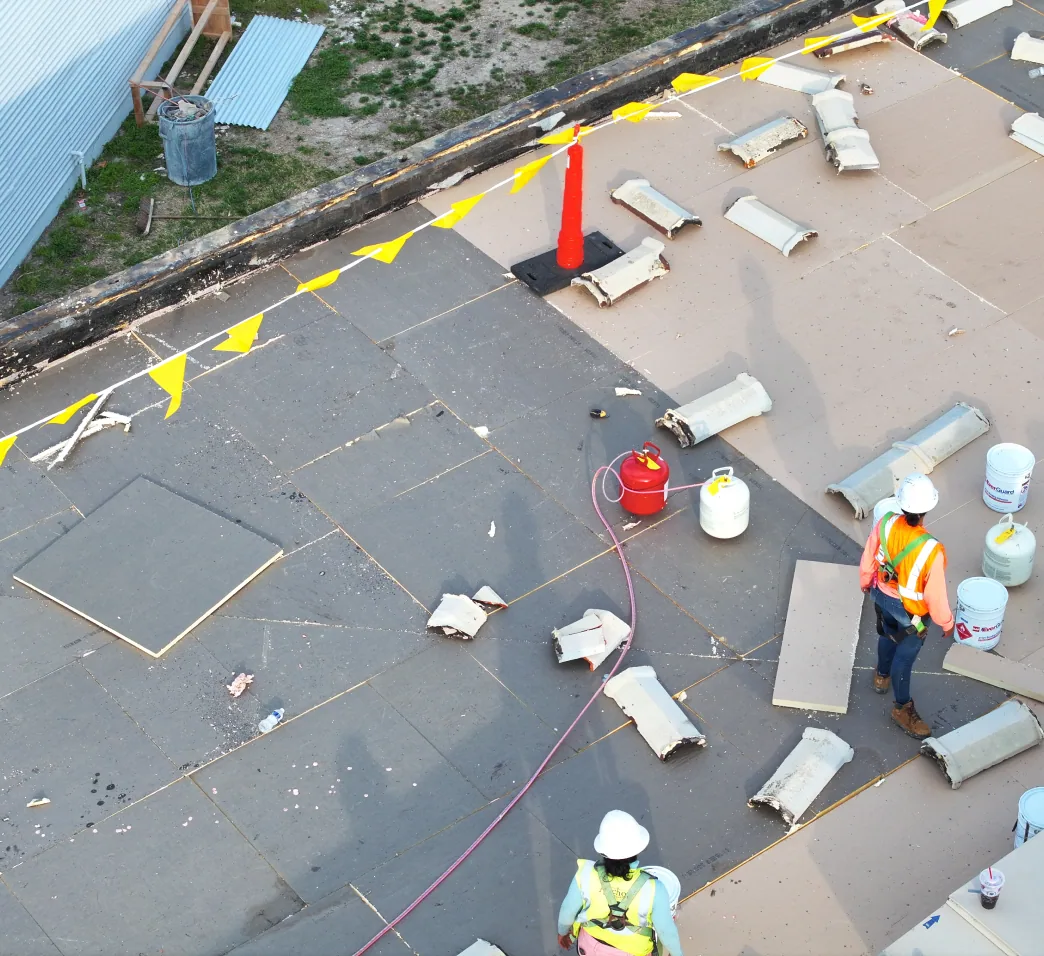
A small gap on the surface can let water soak a much larger area of insulation. We probe or cut a test core to find out how far it goes. Whatever is confirmed wet goes into the repair quantity. If we find more damage once the roof is open, we document it and get approval before doing extra work, and the hotel needs a contact who can give that approval quickly. Meanwhile the area is temporarily sealed. A permanent repair needs dry, solid material underneath.
Replacing wet insulation and cover board near the hatch can change the roof height at the curb. The new layers still have to meet the hatch flashing properly and let water drain away. Adding material without checking can create a new dam. If the fit needs explaining, we sketch it or describe it in plain terms. A material list alone doesn't show how the pieces fit. The scope covers the new substrate, the seam repair and the finished flashing together.
The hotel tells us which rooms are occupied, which corridors guests use and where service areas are. We plan roof access and material handling around that. The roof hatch may be usable while the hallway under it needs protection, or materials may need to come up by crane instead. If equipment work has to happen before we can finish, that's built into the schedule. We don't assume another hotel in the group works the same way. This building's rules set the plan.
Reroofing over an occupied hotel means stopping each day with the roof sealed. We explain which areas will be permanently finished and which will be temporarily protected. If work stops unexpectedly, the edge of the open area is closed off. Interior damage, like wet ceilings or carpet, goes to the restoration contractor. Our record tells them what roof work was completed, but it isn't a room inspection. Hotel management can then plan room reopenings around actual roof progress.
Hatches, exhaust and replacement equipment can change the height or outline of an existing roof detail. We measure the receiving curb and confirm the new component before removing permanent material, so flashing fits the final geometry. Hospitality managers coordinate room access and service interruptions with their own staff. In Berkeley’s wet season, leaving an unfinished joint exposed between shifts can invite another leak. The roofing scope names the tie-in restored and the independent equipment work that remains.
For a downtown Berkeley hotel, being ready means having flashing parts on site, the equipment trade scheduled and a plan to seal the roof at day's end. When there's a renovation, working with the hotel's general contractor keeps it clear who does what. A roofing crew can't finish a hatch the GC hasn't released yet. The schedule spells out what has to happen first. If one detail is blocked, we report it by name so an overall percent-complete figure doesn't hide it.
The closeout record shows the repaired hatch flashing and where it is on the roof, with photos of the substrate we exposed and the finished seam. It notes what was left in place. If the hatch is replaced later, compare the new one with these photos before assuming the old flashing still fits. If water shows up again, we inspect what's there now. The earlier photos help spot what has changed, but they don't mean every later leak traces back to the same repair.
When the file goes to the property management team, it lists what's done and what's still open, such as hatch hardware or interior repairs. Warranty questions depend on the terms for this specific roof; a repair at one hotel doesn't affect another property's warranty. A hotel group can use the same report format across all its properties. Each report still shows its own building's problems and repairs, which makes it easier to rank the next round of work.
Set up a roof walk at your property. We'll inspect the leak area and explain what's needed for a lasting repair.
Request a Roof Assessment