SOPREMA roofing in Berkeley, CA: SBS modified bitumen, PVC and liquid-applied flashing, with old repairs and substrate checked before new materials go on.
Roofing Manufacturers | Berkeley, CA
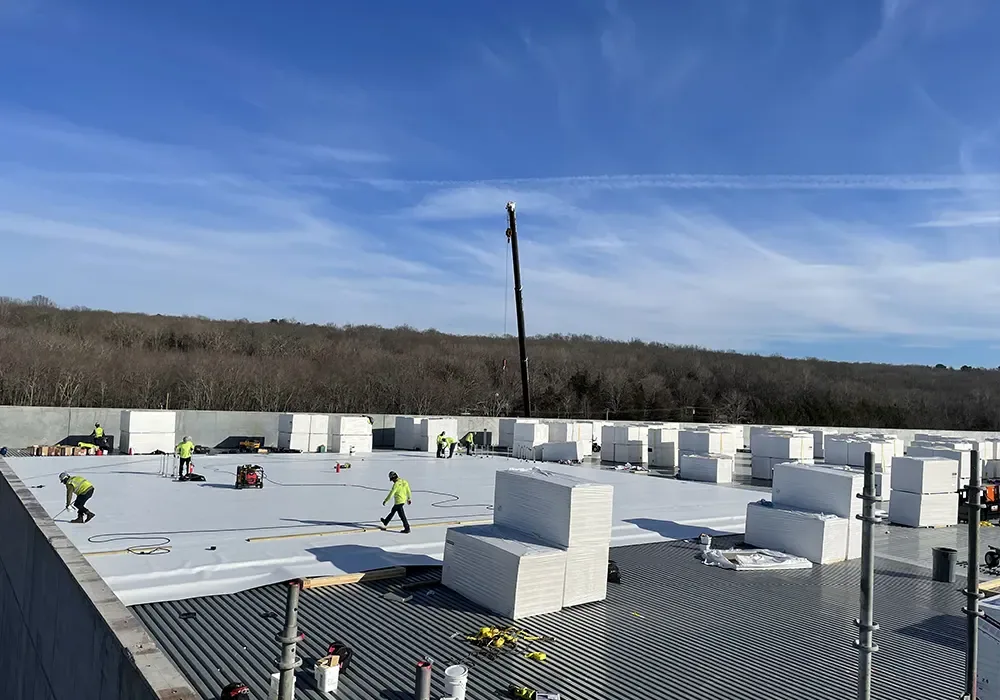
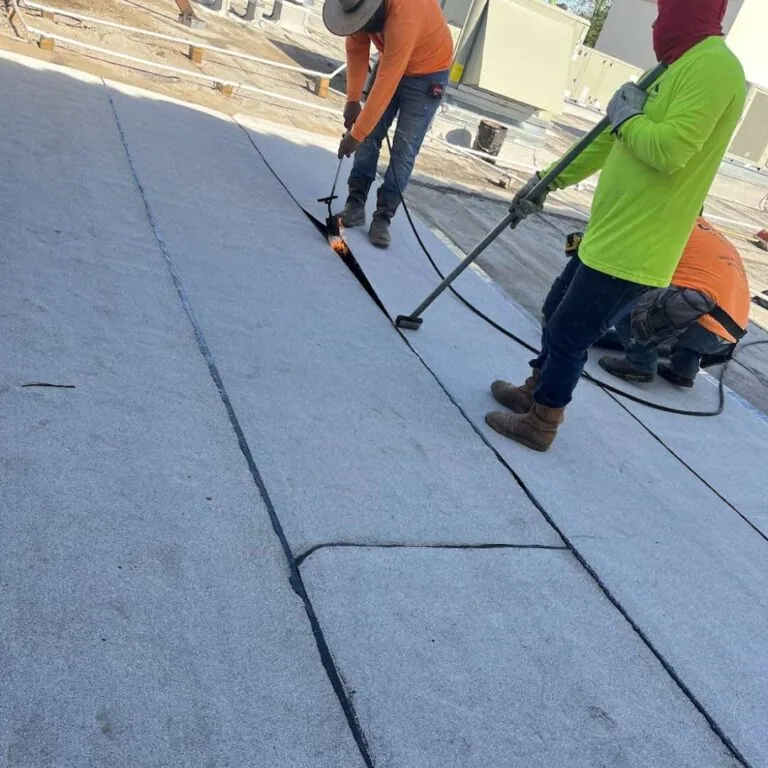
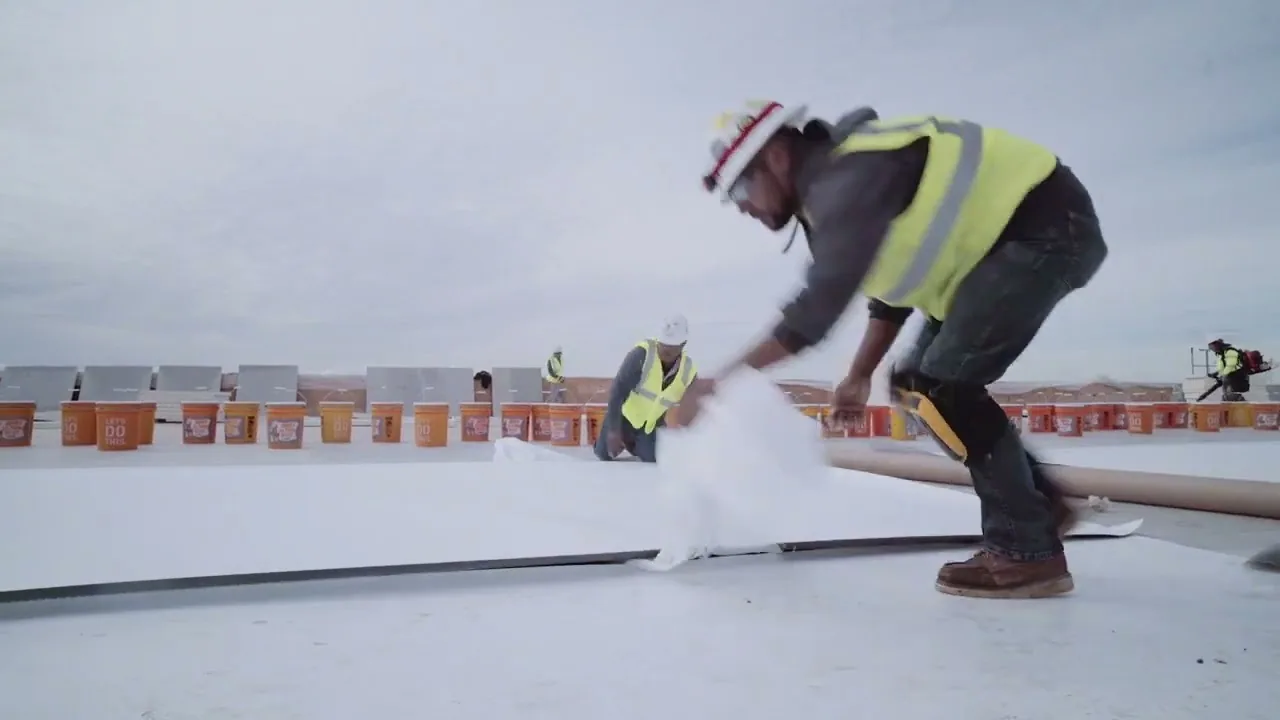
On a manufacturing plant roof, a modified bitumen curb repair has an open lap, and right next to it someone has added a liquid-applied flashing. Before fixing either one, we need to know exactly what materials are there and whether they work together. SOPREMA roofing in Berkeley, CA starts with that. We check the layers, the old patches and the insulation underneath. On manufacturing plant roofs, we also plan around production schedules and process equipment. A fresh-looking top layer isn't a permanent fix, and the SOPREMA name doesn't make mismatched repairs compatible. The proposal names the system and the prep it needs.
SOPREMA roofing across Berkeley and Emeryville may involve sheet or liquid-applied materials, so identify the existing assembly before selecting details. We set up access and timing with the building operator before opening anything. An open lap can let water into the insulation around it, so we test before pricing what stays. Records help identify the layers and any later patches. SOPREMA's current requirements set the installation details for each product. The recommendation covers the roof we actually inspected.
SOPREMA makes SBS modified bitumen, PVC membranes and PMMA/PMA liquid-applied flashing and waterproofing. Each needs its own prep and application. We compare what's on the roof with any product records. Old patches matter here: a liquid flashing needs a clean, compatible surface, and some bitumen or mastic repairs have to be removed first. Neither a liquid nor a layered look tells you what's actually there. The application method for one product doesn't apply to another, so the proposal names the exact products and the prep for each.
If you're comparing SOPREMA with GAF for a modified bitumen roof, each needs its own products priced for the same roof area. We include the same substrate repairs and flashing work in both. The same square footage doesn't mean the same layers or accessories. Products are confirmed before ordering. A lower field price can leave detail work unpriced. Having material on site doesn't prove the old insulation can stay. A good comparison shows what each system would actually finish.
An open lap lets water into the insulation around it, often beyond what you can see. We separate suspect areas from confirmed wet ones. Wet insulation is removed and replaced, and the estimate covers both. A new cap sheet or liquid flashing won't dry soaked board underneath. Loose insulation is a separate problem from wet insulation and may need its own check. Old records may not show every past repair. The proposal says what stays after testing and what's being replaced, so the new work goes on a solid, dry base.
A commercial roof inspection before choosing SOPREMA products compares the curb and lap with any records of the original system. Confirmed repairs stay separate from areas that still need testing. If more damage turns up when the roof is opened, it's measured and approved before work continues, and the area stays temporarily sealed in the meantime. One open lap doesn't show how far the water went. A stain inside doesn't map it either. The scope is based on what testing confirms.
Liquid-applied flashing works well on complicated shapes like pipe clusters and odd curbs, but it needs a clean, primed, compatible surface. Layered SBS modified bitumen needs the right base and cap sheets and its own application method. We spell out which goes where before committing to prep. The SOPREMA name doesn't make mixed products automatically compatible. Each product's requirements decide how that detail is built. Checks on the finished detail cover the new work, not insulation elsewhere on the roof. The scope lists every step needed for a lasting repair.
On a modified bitumen roof, the plan lists the base sheet, cap sheet and flashing plies by name. We check curb and wall heights against the new layers. The prep goes beyond cap sheet square footage. Old patches matter where new material has to bond. Products are confirmed before ordering, and substrate repair is in the budget. A roll of cap sheet on site won't help a curb blocked by equipment. The repair is finished when the leak is closed with properly bonded layers on a solid base.
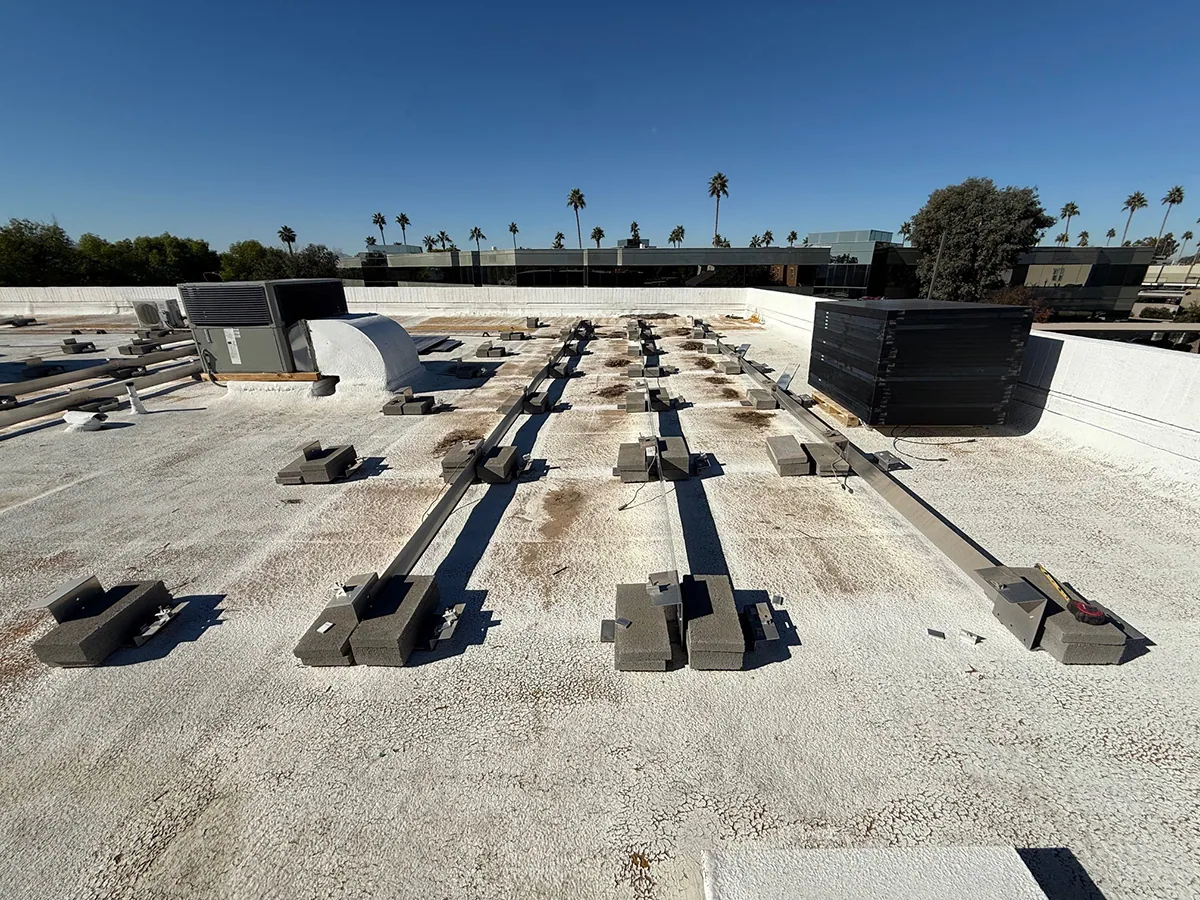
New insulation raises the roof and can leave less flashing height at existing curbs. We measure current heights against the proposed roof before ordering accessories. If curbs need raising, it's in the scope. Comparing SOPREMA with Johns Manville means reviewing each system's products separately, since similar product families don't share components. Both should include the same substrate repairs and the same production restrictions. The comparison should show the prep and finished details each option includes.
If a unit has to be lifted to rebuild its curb, the mechanical contractor handles that, and it's scheduled before we open the roof. Tight delivery routes can mean extra handling and protection. If the plant can only release areas at certain times, the work is split, and each area is sealed in between. A square-footage price won't show those costs. Being ready means substrate, flashings and the equipment trade are all lined up. The estimate includes the curb and substrate prep along with the SOPREMA materials.
On West Berkeley and Oakland SOPREMA roofs, the record should name the sheet or liquid components and show where the repaired interface ends. Industrial and institutional buildings often have equipment and room limits we plan around. In West Berkeley, each roof gets its own inspection. Unfinished details stay listed with the responsible trade. A finished field doesn't mean every curb is done. Products are recorded by location so the closeout is easy to follow.
The closeout record names the SOPREMA sheets or liquid products used at the repair, with photos of substrate repairs and finished details. Agreed checks are included. Areas we didn't open are noted as not inspected. If a SOPREMA warranty was offered, compare its terms with the installed system. The manufacturer's name doesn't guarantee coverage or make a contractor authorized. Maintenance staff should keep the product list and repair locations on file, and check it before future changes.
Send the location and any product records. We'll inspect the layers and explain the substrate work and the repair with photos.
Request a Roof Assessment