Local weather advisory
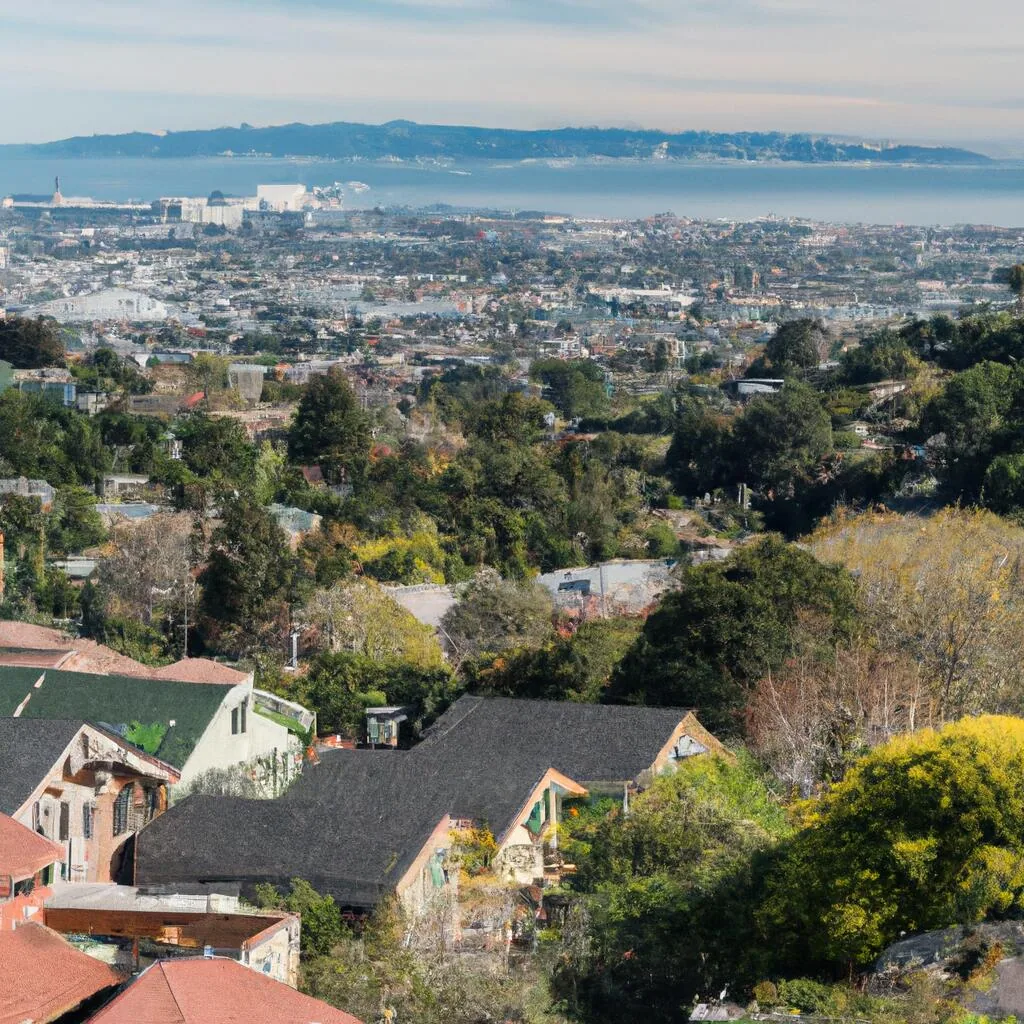
The National Weather Service has issued a coastal flood advisory covering Berkeley. Heavy rain and drainage loading can expose roof leaks, blocked drains, and ponding water. This is a weather exposure advisory; it does not establish damage to a specific roof.
Do not access a roof during hazardous weather. Protect people first, avoid water near electrical equipment, and request roofing help when conditions permit.
National Weather Service · Updated Oct 28, 2026, 7:20 AM UTC
Wind damage roof repair in Berkeley, CA: we inspect lifted edges, loose metal and torn membrane, check the wood and fasteners underneath and rebuild the edge to hold.
Roof Damage Repair | Berkeley, CA
When the membrane edge lifts on a warehouse roof, the obvious question is how much of the rest is still holding. Wind damage roof repair in Berkeley, CA starts with what we actually find. We check the edge metal, the fasteners and the wood nailer it's attached to before deciding on a fix. A lifted edge might mean the fasteners pulled out, the wood behind them rotted, or the flashing came loose from the membrane. Each of those needs a different repair. We don't assume a storm caused it just because there was one. You'll get a repair plan for the damage we confirmed, plus a list of anything still uncertain.
Wind can lift an edge metal or loosen a fastener line without tearing the field membrane. We inspect the perimeter, corners and roof-to-wall transitions, then compare the lifted section with the surrounding securement. During the November 2024 atmospheric river, flash-flood warnings covered Berkeley, Oakland and Richmond, with stronger gusts reported at higher East Bay elevations. A warehouse roof-edge inspection still needs to establish what happened at that building rather than infer damage from the regional weather.
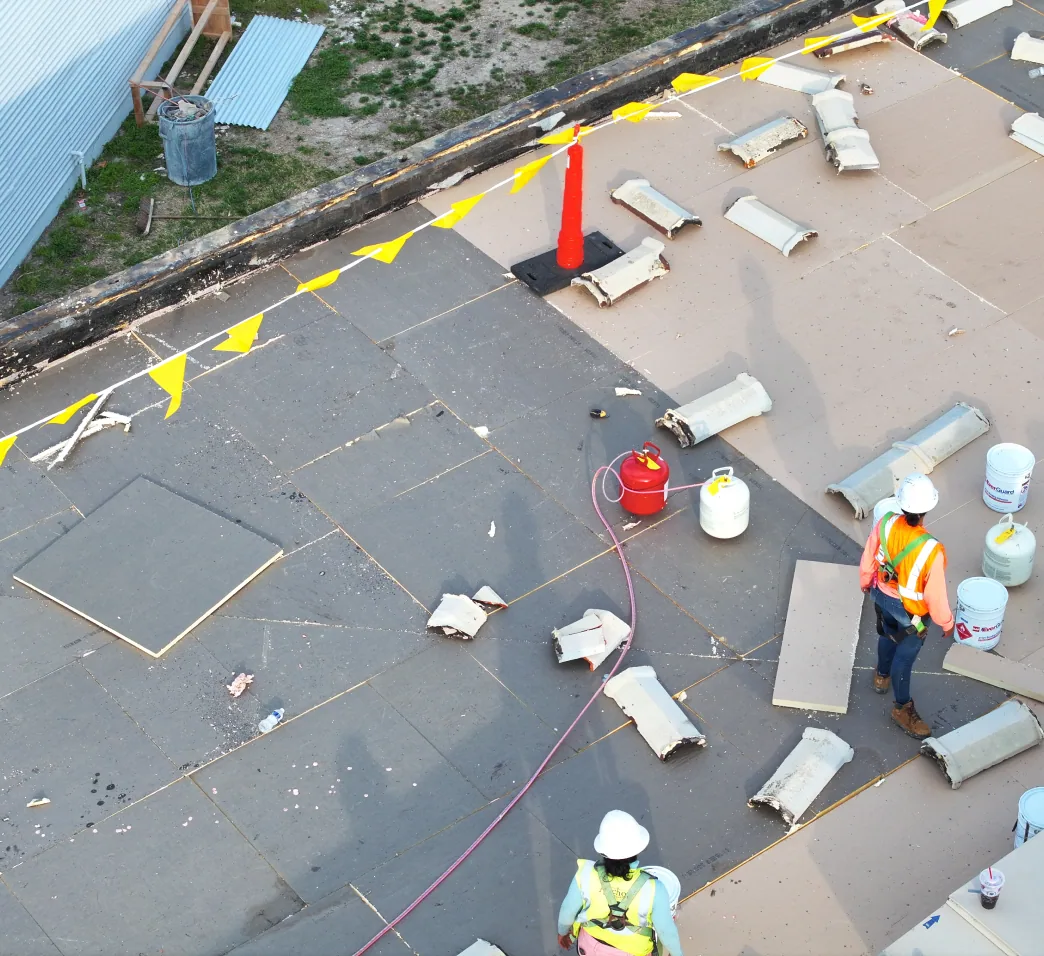
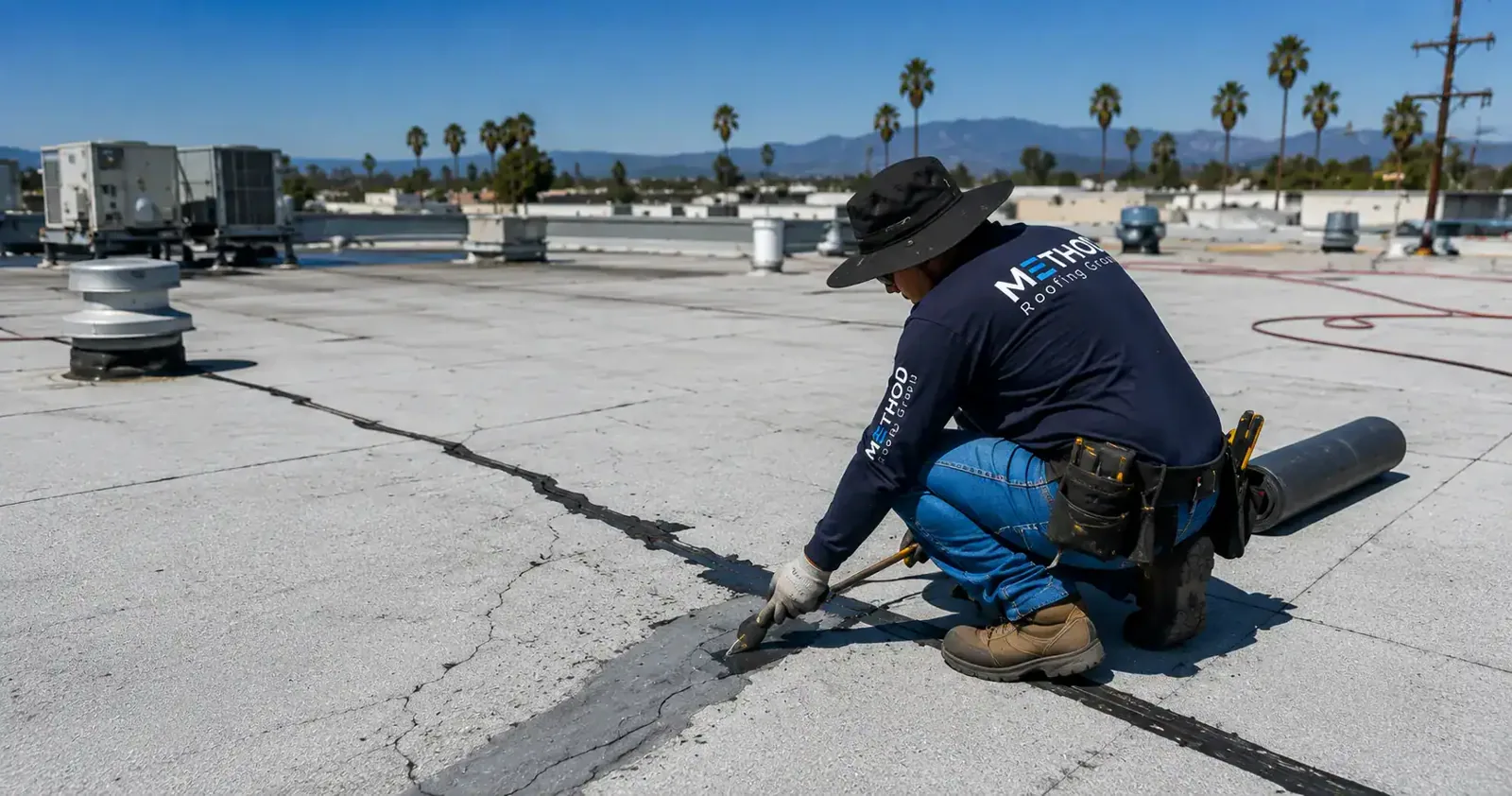
Wind damage usually shows up as bent or missing edge metal, membrane peeled back from the perimeter, or a loose coping cap. Often more than one thing happens at once. We mark each problem and photograph it in place, so the repair addresses each one rather than lumping it all under "wind damage." We check fasteners and the wood nailer where we can reach them. If the wood is soft, new metal screwed into it will pull out again in the next storm. A new cover over the gap won't fix bad wood underneath.
Edge metal, coping and gutters need to be rebuilt as a complete system: nailer, membrane termination, and metal with the right fastener spacing. The fastening pattern has to match the edge detail and the roof it's going on, not some other building. Larger edge rebuilds may need design review. The estimate includes replacing damaged wood along with the new metal. A straight, clean edge from the ground doesn't prove it's properly fastened underneath, so we check both the attachment and the seal.
One lifted corner doesn't mean the whole roof is loose. We check the membrane, seams and fasteners next to the damaged area one section at a time. A roof that looks flat can still have loose insulation boards or popped fasteners underneath, so we press, probe and sometimes cut a test opening. If we find another open seam, it gets its own repair. Testing further is only worth it if the answer could change what stays and what gets replaced.
A commercial roof inspection after high winds checks the roof as it is now against any records you have. A storm report gives context but doesn't prove what caused each problem. Old repairs at the edge are often where the wind got its first grip, and we need to know what material they are before patching over them. If the deck or framing looks damaged, we recommend an engineer. Our report tells you what we confirmed and what still needs a closer look.
When the edge lifts, rain can blow in under the membrane and soak the insulation and the wood nailer. You can't see how far that goes from the surface. We probe and cut cores to find out. Wet or rotted material has to come out and be replaced as part of the repair, and the new membrane has to tie into dry, sound roof beyond it. If new insulation changes the height at the edge, the metal has to fit the new height. Just re-sealing the visible gap leaves the wet layers underneath to keep causing trouble.
If we find a seam failure near the damaged edge, we check what membrane it is and what prep it needs. Old patches or mastic can keep new material from bonding, so we cut back to clean membrane. That's often why repairs end up bigger than the visible damage, and we explain the size. A wide patch over bad insulation won't hold. If more wet material turns up once we open the roof, we stop, measure it and get approval first. The area stays temporarily protected while you decide.
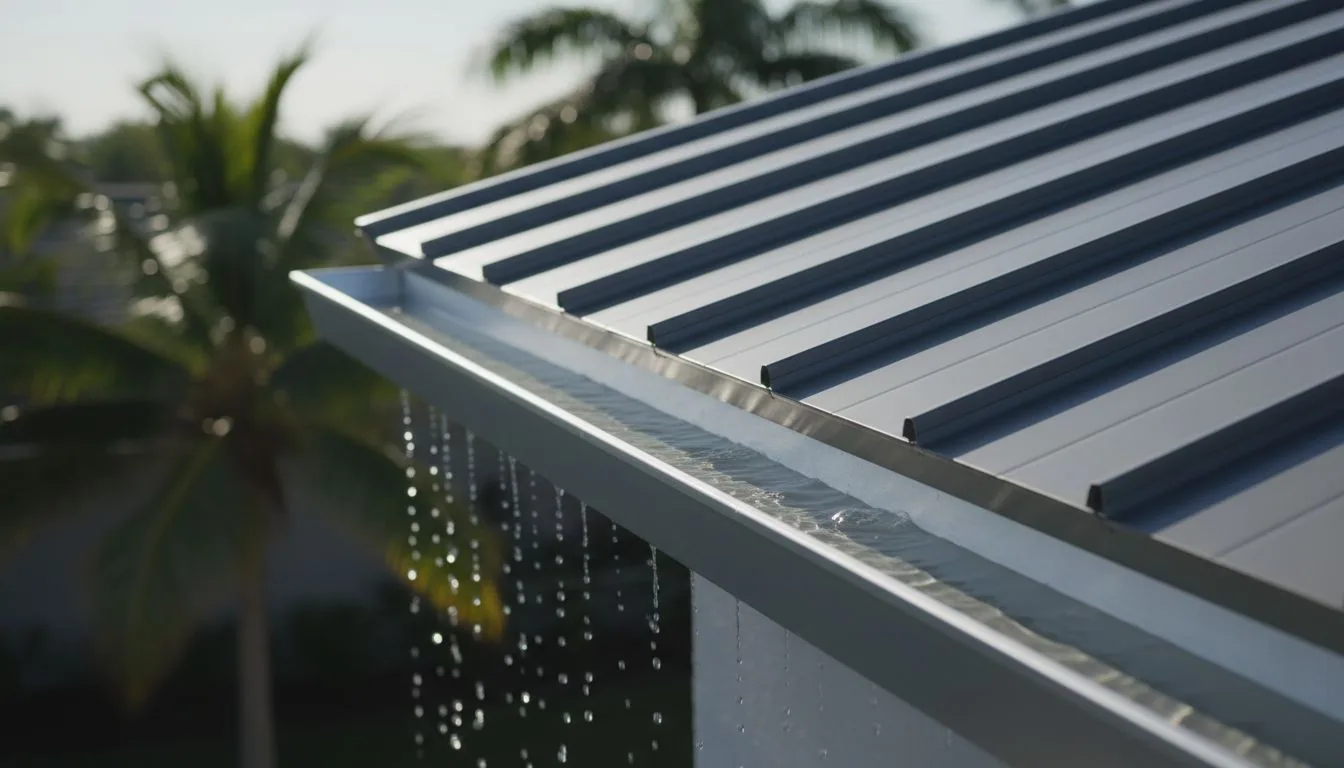
After a gust, loose metal can create a larger opening if rain reaches the backing beneath it. We secure exposed material, check adjacent attachment and trace any interior report back to the likely entry point. West Berkeley’s industrial buildings and Oakland’s port-side warehouses face different exposure and access conditions, so the repair stage must fit the actual roof. We record temporary protection separately from permanent edge reconstruction and identify any wall or structural question that needs a qualified review.
A commercial roof repair after wind damage is done in sections the crew can open and close the same day. If a parapet wall or other structure has to be fixed first, that section waits while we finish the rest. If we find more rotted wood than planned, we show you before tearing out more. New edge metal and fasteners are on site before we open the edge, so the building is never left exposed longer than it needs to be.
At the end of the job, you get photos of the rebuilt edge, the new nailer and fastening, and the finished membrane termination, along with the materials used. Any agreed inspections or tests are recorded. If nearby details like a wall cap still need work by another trade, they're listed separately. If the roof is under warranty, check the terms before any repairs, since some manufacturers require their approval. The roofing record supports an insurance claim but doesn't decide it.
If wall flashing near the repaired edge still needs work, it's noted on the roof plan. If a new leak shows up later, we inspect the roof as it is then, since a new penetration or other change could be the cause. The repair record shows exactly what was fixed, but it can't predict every future problem. You get a plain report of what we found and repaired, and anything still open stays on the list.
Send the building address and photos of the loose edge or metal. We'll check how it's attached and tell you what it will take to make it hold.
Request a Roof Assessment