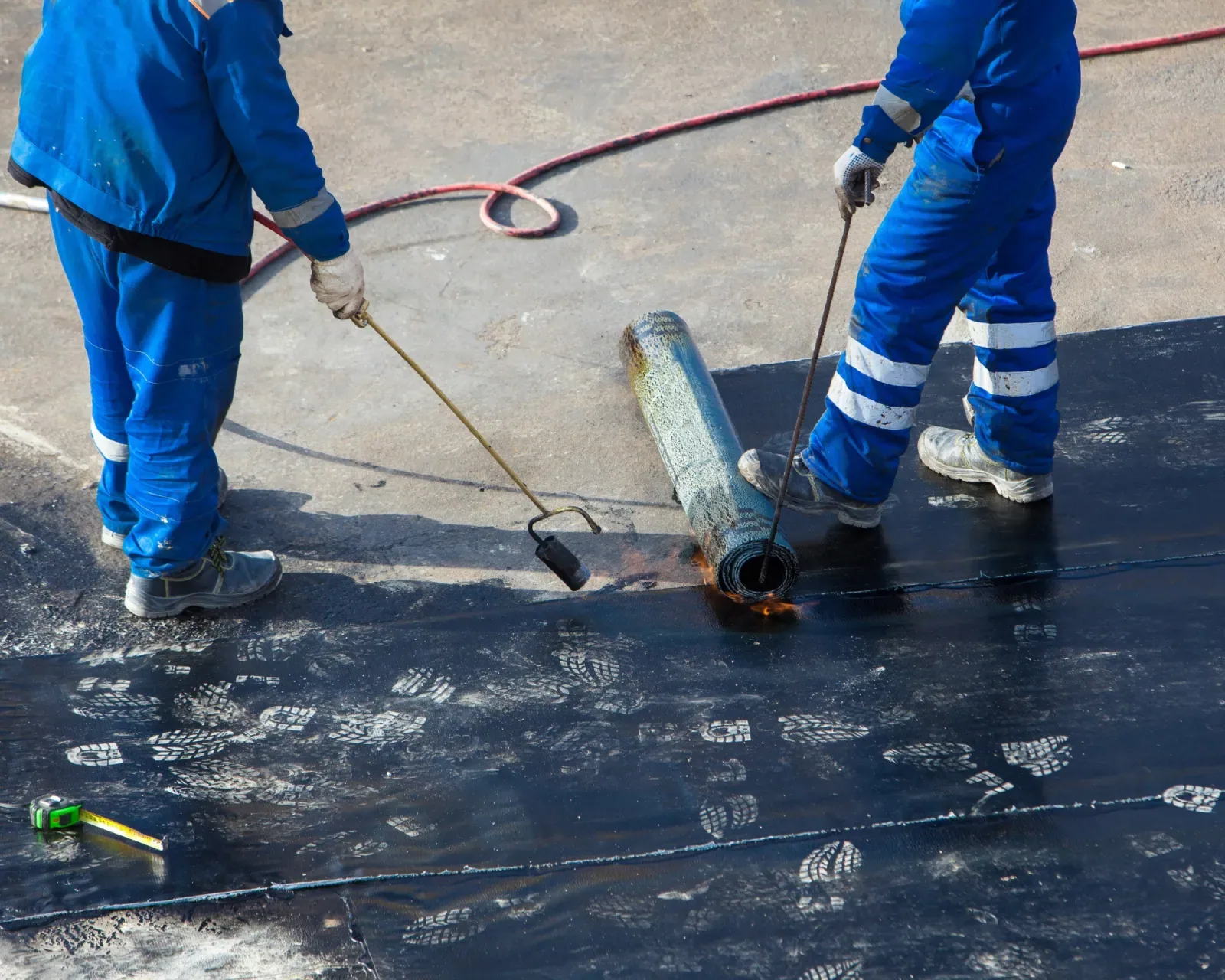
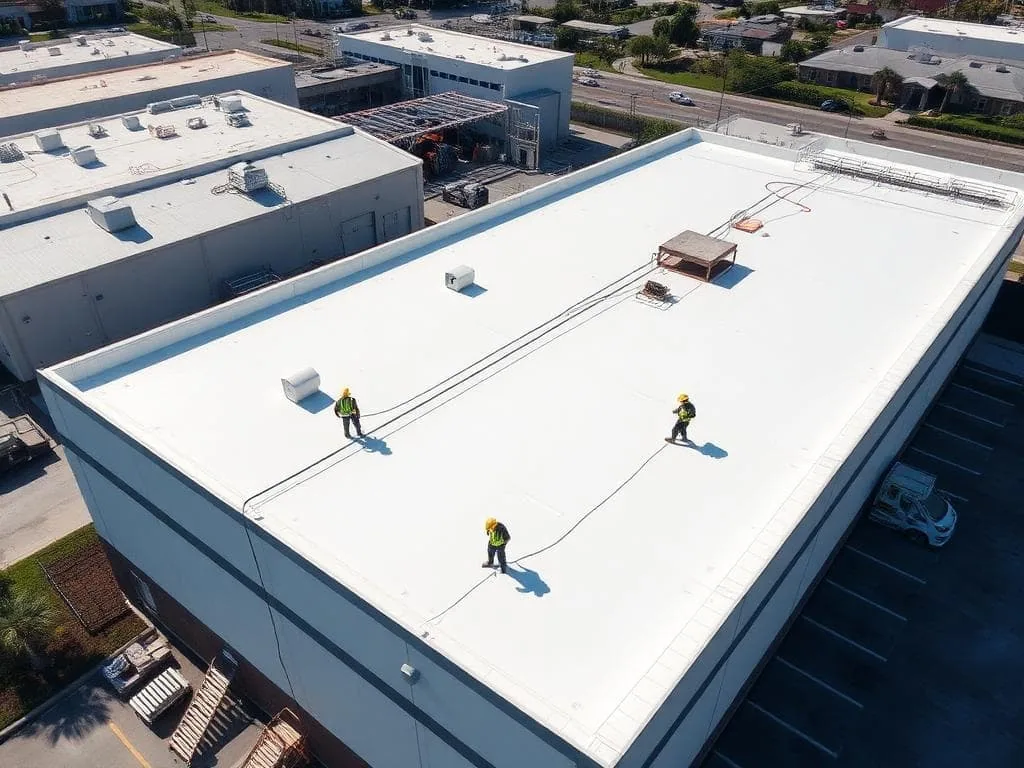
Flashing failure repair in Berkeley, CA: we find where wall, curb and penetration flashing has pulled loose, fix the substrate behind it and rebuild the detail to last.
Roof Damage Repair | Berkeley, CA
When wall flashing pulls away on an office roof, water can run straight down behind the membrane and show up in a ceiling several feet away. Flashing failure repair in Berkeley, CA starts at the detail that has actually opened up. We find the gap at the wall, curb or penetration and check what's behind it. The wood or board under the flashing is often wet or rotted, and that changes the repair. Sometimes the wall itself is leaking above the flashing, which needs a mason or wall contractor. We sort that out first, then recommend a permanent roof-side fix and note any wall work that goes with it.
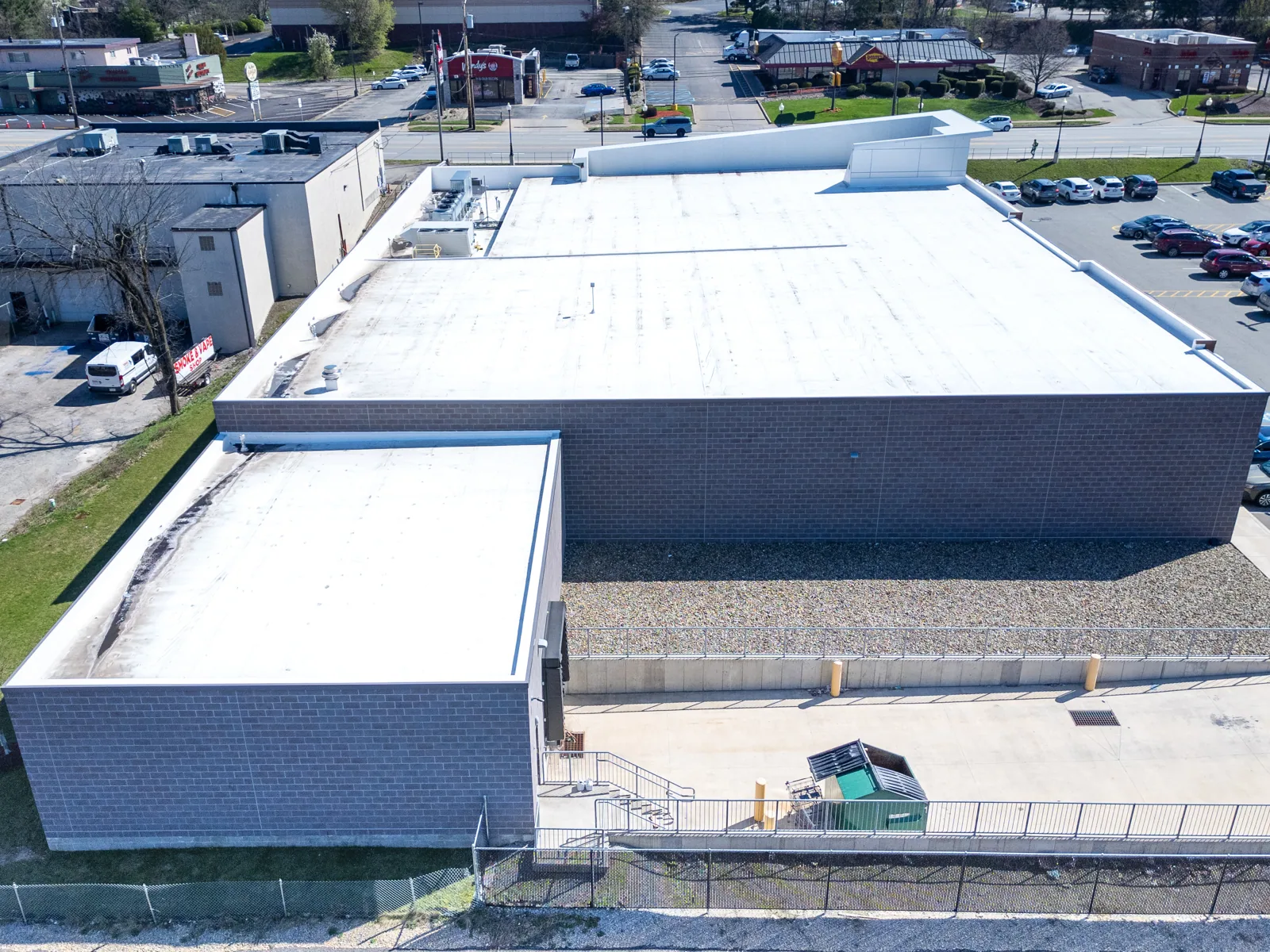
A wall leak may start where counterflashing separates from a parapet cap or the membrane turns behind the wall. We inspect the termination, backing and water path rather than widening the opening from the interior stain alone. Downtown Berkeley’s commercial blocks and Emeryville’s research buildings have varied wall and roof assemblies, so the material at the receiving surface matters. An office-wall flashing review records what can stay and what needs permanent reconstruction.
Flashing is the membrane and metal that carry the roof up a wall, around a curb or around a pipe. It tends to fail at the top edge, where the termination bar or counterflashing loosens, or along the bottom seam where it joins the field membrane. A loose fastener is a different repair from membrane that has cracked or shrunk with age. If the wall surface behind it is crumbling, a new termination won't hold. A thicker bead of caulk might stop the drip for a season, but it doesn't fix any of these problems.
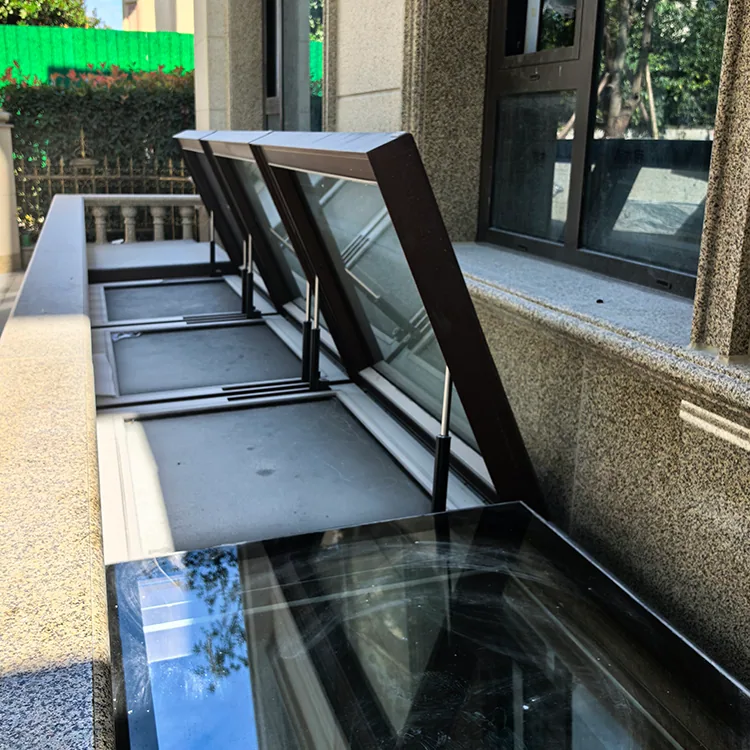
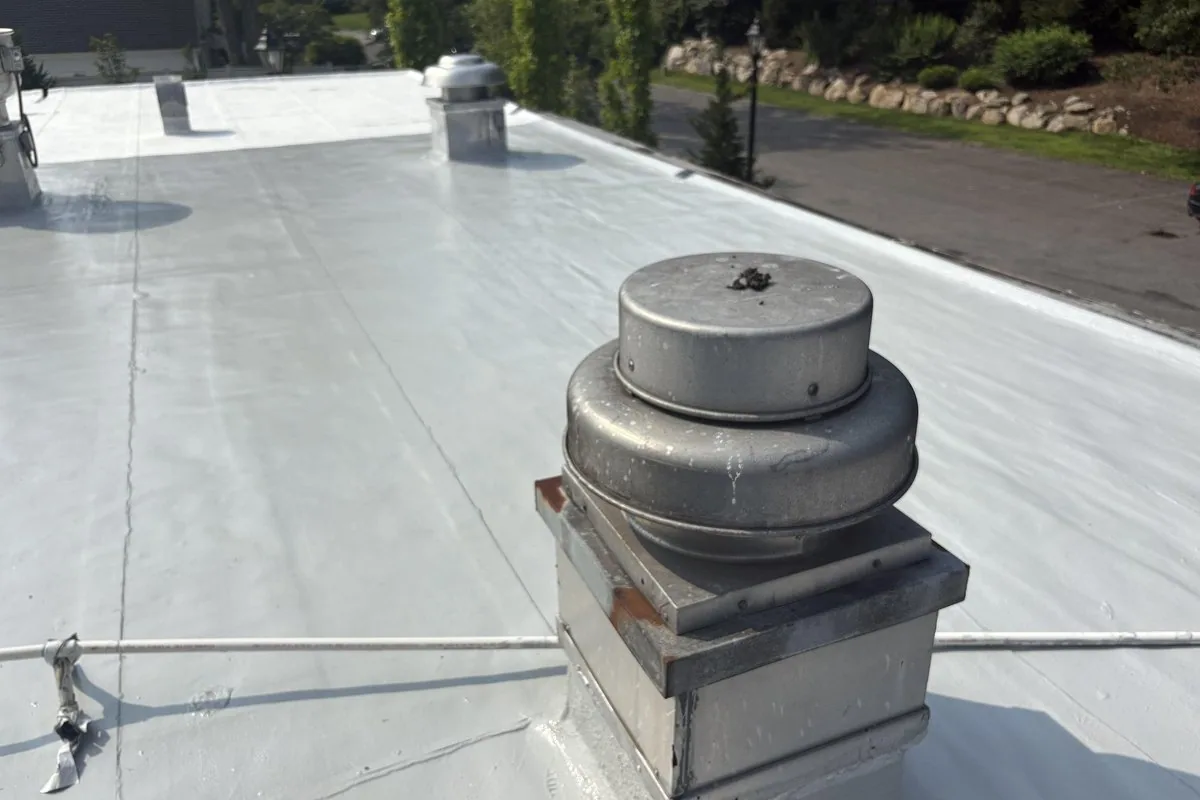
Around a skylight or roof penetration, the repair starts with knowing what material is there. We compare the existing membrane and any old patches with available roof records. Layers of mastic and caulk from past repairs can hide the original surface and keep new material from bonding, so they often have to be cut back. The repair usually ends up larger than the visible gap because it has to reach clean, sound membrane. We explain why the repair is the size it is, and we follow the manufacturer's details for that system.
New flashing is only as good as what it's fastened to. If the plywood, nailer or board behind it is wet or rotted, the new flashing will loosen again. We check that substrate where we can reach it and recommend a test opening where we can't. If something looks like a structural problem, we flag it for an engineer. Replacing damaged substrate is part of the job, including removal and disposal, and it's listed in the estimate. If more rot shows up once the old flashing is off, the extra work is measured and approved before we continue.
Replacing insulation and cover board under a failed flashing can raise the roof surface where it meets the wall or curb. That can mean the old counterflashing or curb is no longer tall enough. We measure heights against the planned assembly before ordering parts. Existing metal sometimes needs to be replaced rather than reused. Getting those dimensions right before ordering saves a second trip. The finished flashing has to tie cleanly into the existing roof around it, built to fit this roof and not copied from some other job.
Cracked mortar, a failed coping joint or an open window above the flashing can let water in no matter how good the roof detail is. We point out what we see, but a roof patch is not a wall repair, and a mason or wall contractor should assess it. Rooftop units can be a similar issue: if the HVAC contractor needs to lift or replace a unit, the curb flashing has to wait. We list what the roofer does and what the other trades do, and in what order, so nothing is left open between them.
Sometimes ponding water sits right next to a failed flashing. That is a separate problem. A working drain nearby doesn't mean the flashing is sound, and fixing the flashing won't make a low spot drain. We mark each problem and explain its fix. You can schedule both together without assuming one repair solves the other. If drainage needs redesign, such as added crickets or a new drain, that may need design input. The repair plan covers each problem in its own location.
Opening flashing creates exposure at the wall and the roof field beside it. We identify the full length that can be prepared and closed within the work period, then include the corner, cap and membrane transitions needed to finish the detail. Berkeley’s winter storms can test an incomplete joint before the next shift. A Downtown Berkeley flashing repair should leave a continuous path for water to drain away from the wall and a clear record of any separate masonry work.
Working over occupied spaces takes some planning with the building manager. We agree on material routes, work hours and which rooms below may be affected. If we have to leave a section temporarily sealed overnight, it's labeled as temporary and finished the next day. If we find more rotted substrate than expected, we stop and get approval before opening more wall. The goal is that each day's work ends watertight and everyone knows what is left.
When the job is done, you get photos of the rebuilt flashing, the termination at the top and the seam at the bottom, plus any substrate we replaced. Inspections or tests that were agreed for the job are recorded. If a wall repair is still pending with another contractor, it's listed separately so it doesn't get lost. Warranty questions get their own review against the actual document. New flashing can look great and still sit next to a wall problem, so the record explains exactly what the roof repair covered.
A seam failure next to the repaired wall is its own problem. We check the seam itself rather than assuming the flashing work took care of it. A later leak in the same area could come from a new penetration or a wall defect. We trace it based on what's there at the time. The earlier repair record helps show what was fixed, but it can't explain a new leak on its own. You get a clear picture of what was repaired and what still needs a look.
Send the property address and photos of the wall or curb. We'll inspect the flashing and what's behind it and tell you what the repair involves.
Request a Roof Assessment