Ponding water roof repair in Berkeley, CA: we find out whether it's a clogged drain, a sagging section or poor slope, check for wet insulation and fix the cause.
Roof Damage Repair | Berkeley, CA
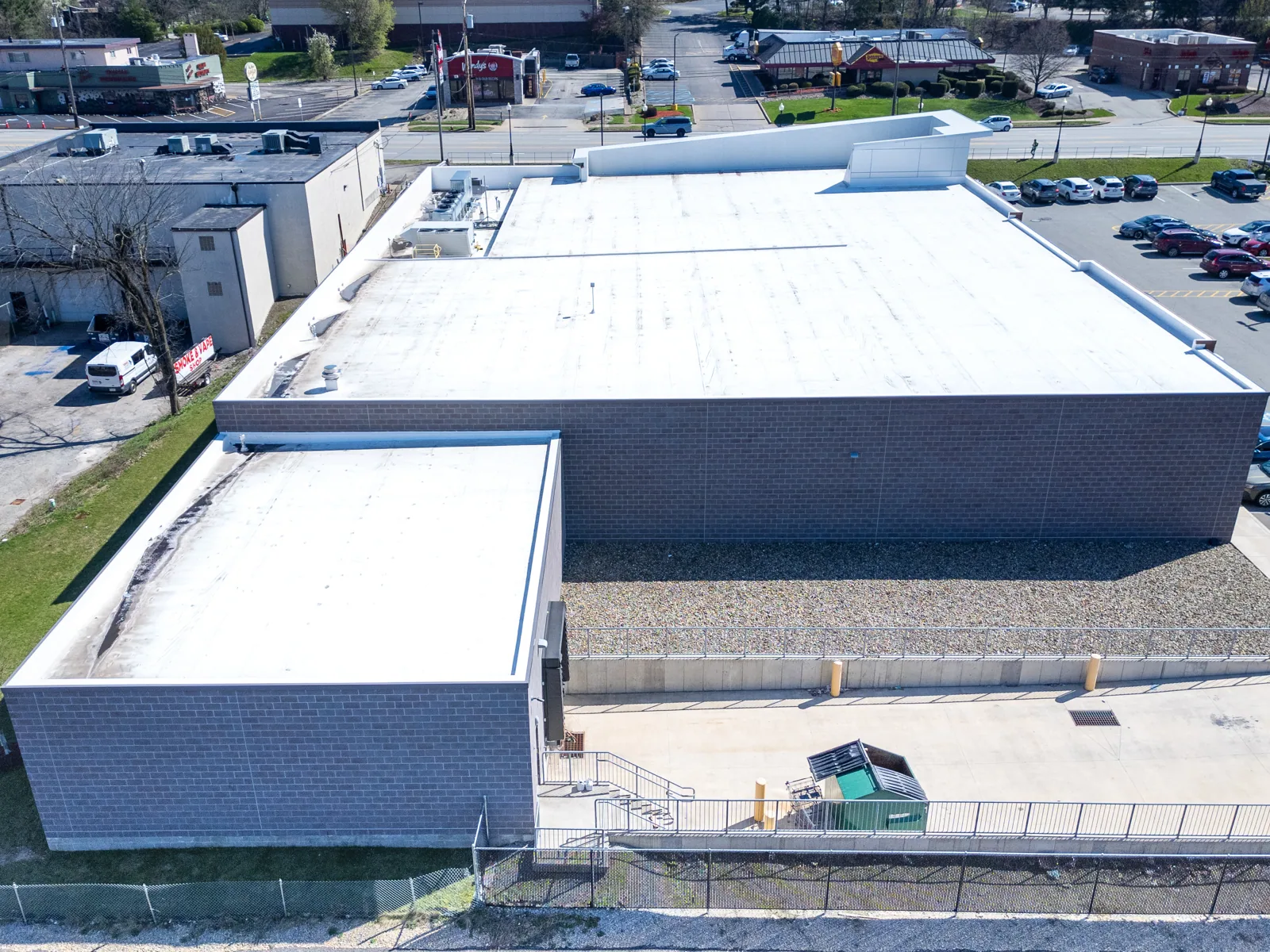
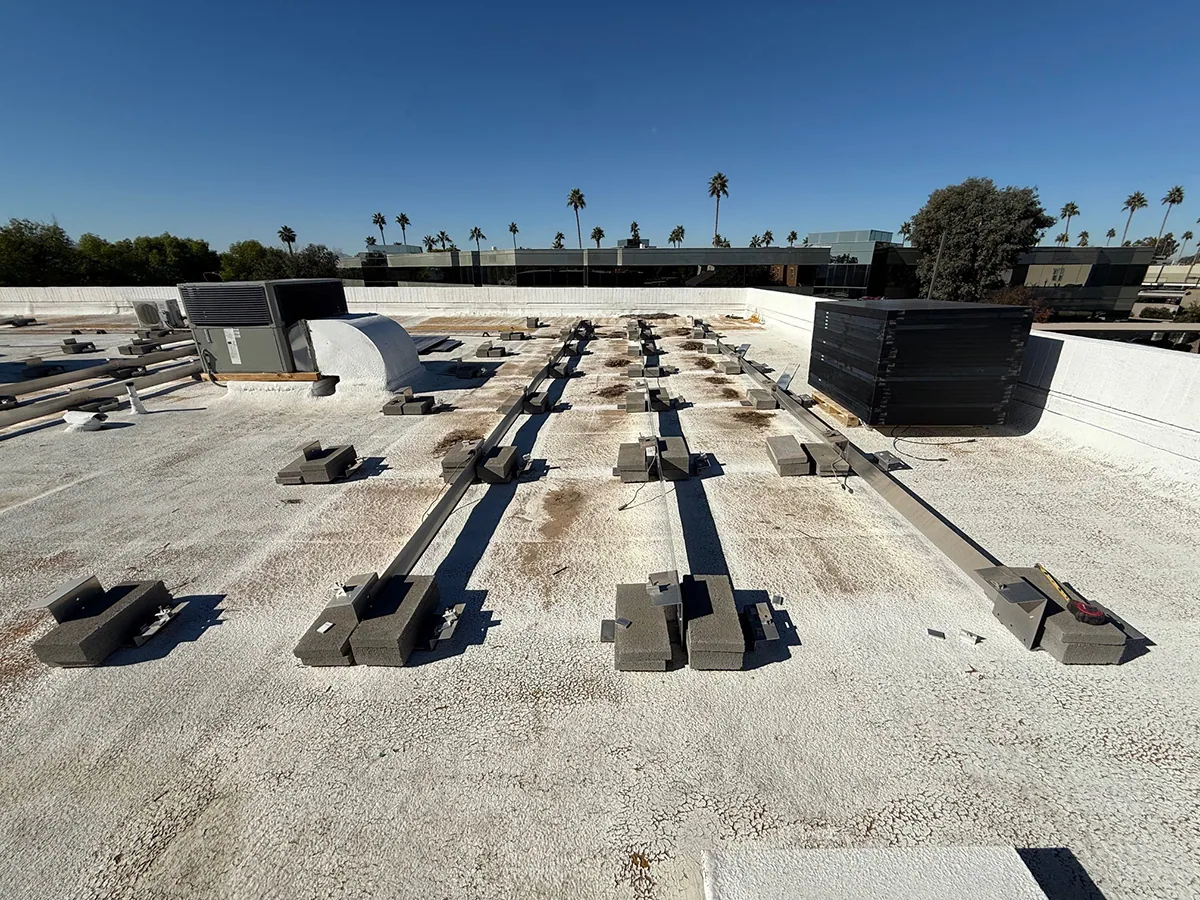
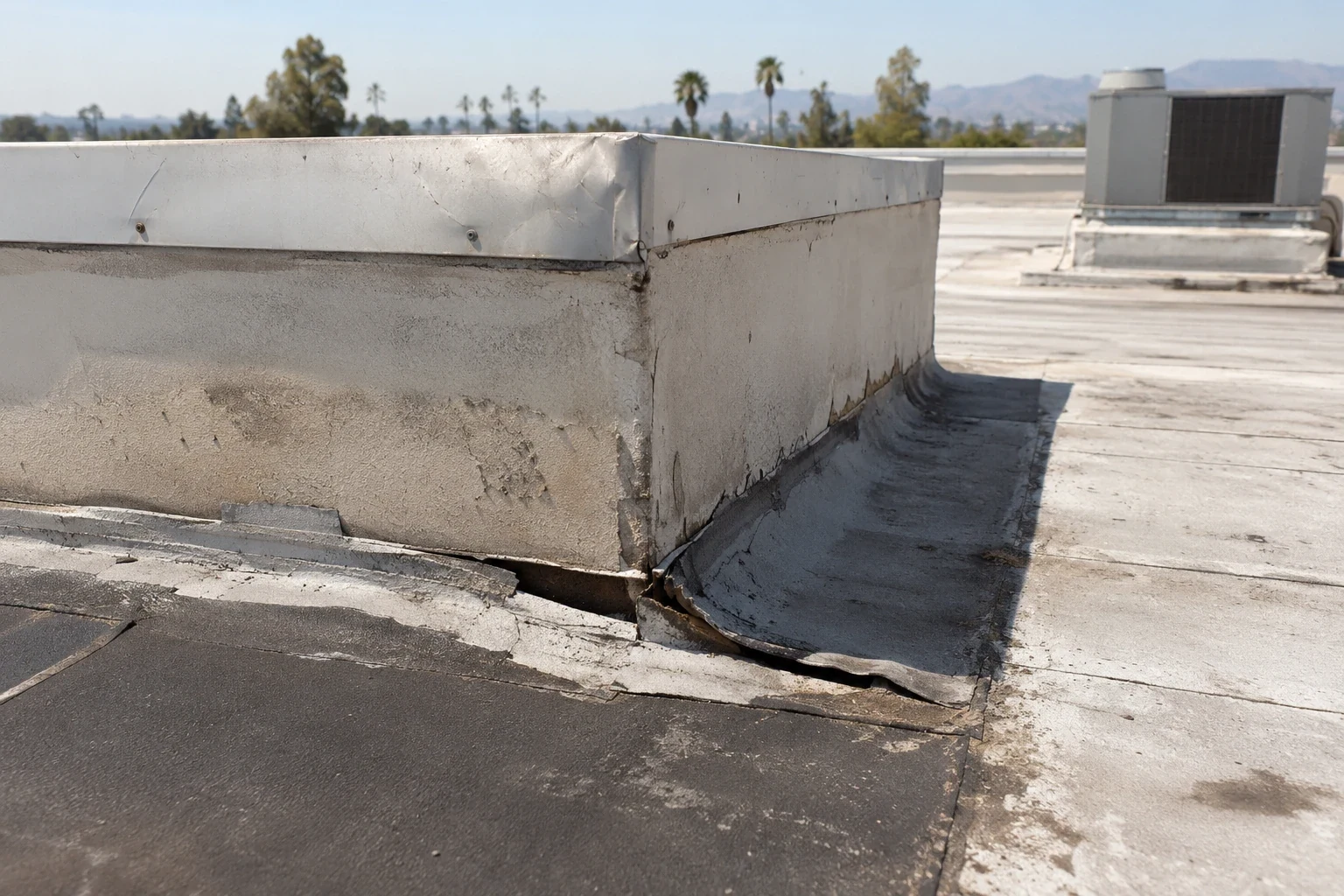
Water sitting next to a rooftop curb on a shopping center roof two days after a storm is a warning sign. Sometimes the fix is as simple as clearing a drain. Sometimes the roof has sagged or was never sloped right, and no amount of cleaning will help. Ponding water roof repair in Berkeley, CA starts by finding out which it is. We check the drains, the slope and the membrane around the low spot. Standing water also hides what's going on underneath, so we look for wet insulation and damaged seams before recommending a permanent fix.
A shallow low spot and a blocked drain can look alike from inside, but they call for different corrections. We check the roof’s slope, outlet and surrounding membrane, then determine whether water is trapped by debris, settled insulation or a detail that interrupts flow. Berkeley’s concentrated winter rain tests these paths after a long dry season. A shopping-center ponding assessment should locate the low area against the actual assembly and preserve protection for occupied spaces below.
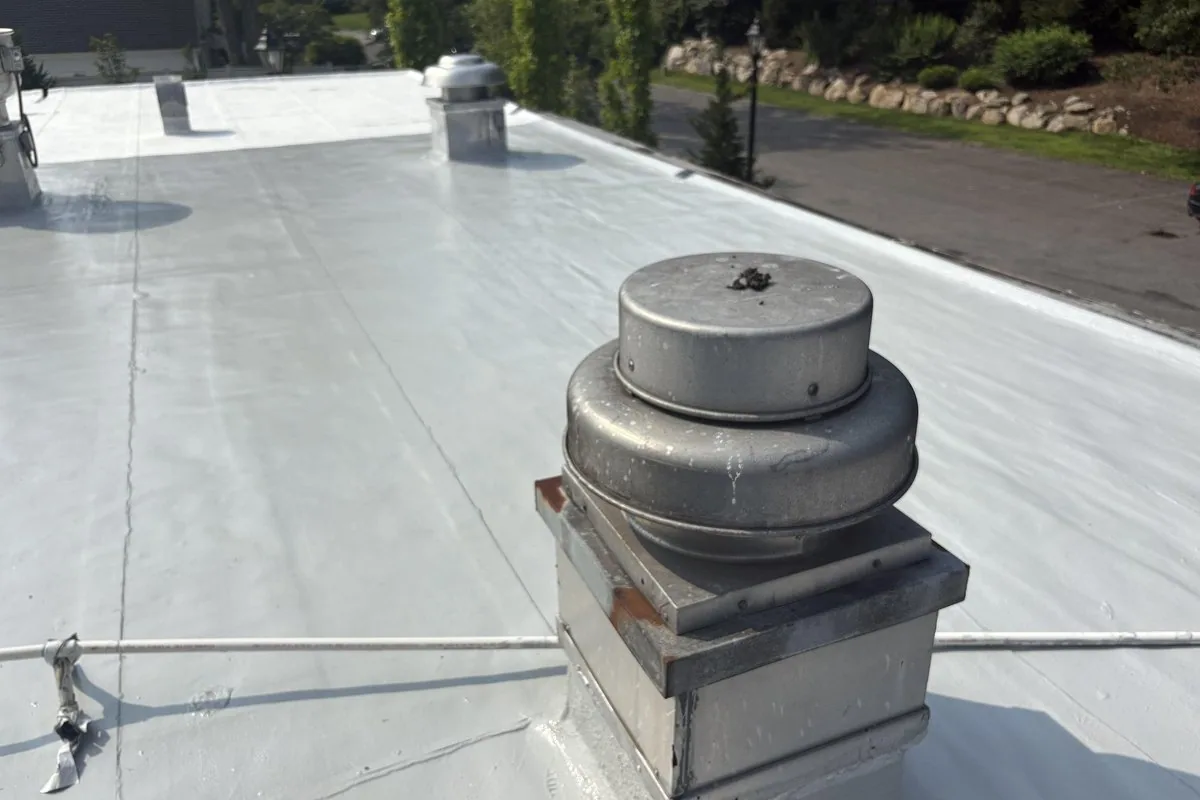
Leaves, gravel, plastic bags and nesting material are the usual culprits. We clear what we can reach at the drain or scupper and look at the membrane and clamping ring around it. If water drains away once the strainer is clean, the problem may be solved. If it still backs up, the blockage may be further down the pipe, and that's a job for a plumber with a camera. A clean drain also won't fix a sagging section of roof a few feet away. We sort out which problem you have before quoting a fix.
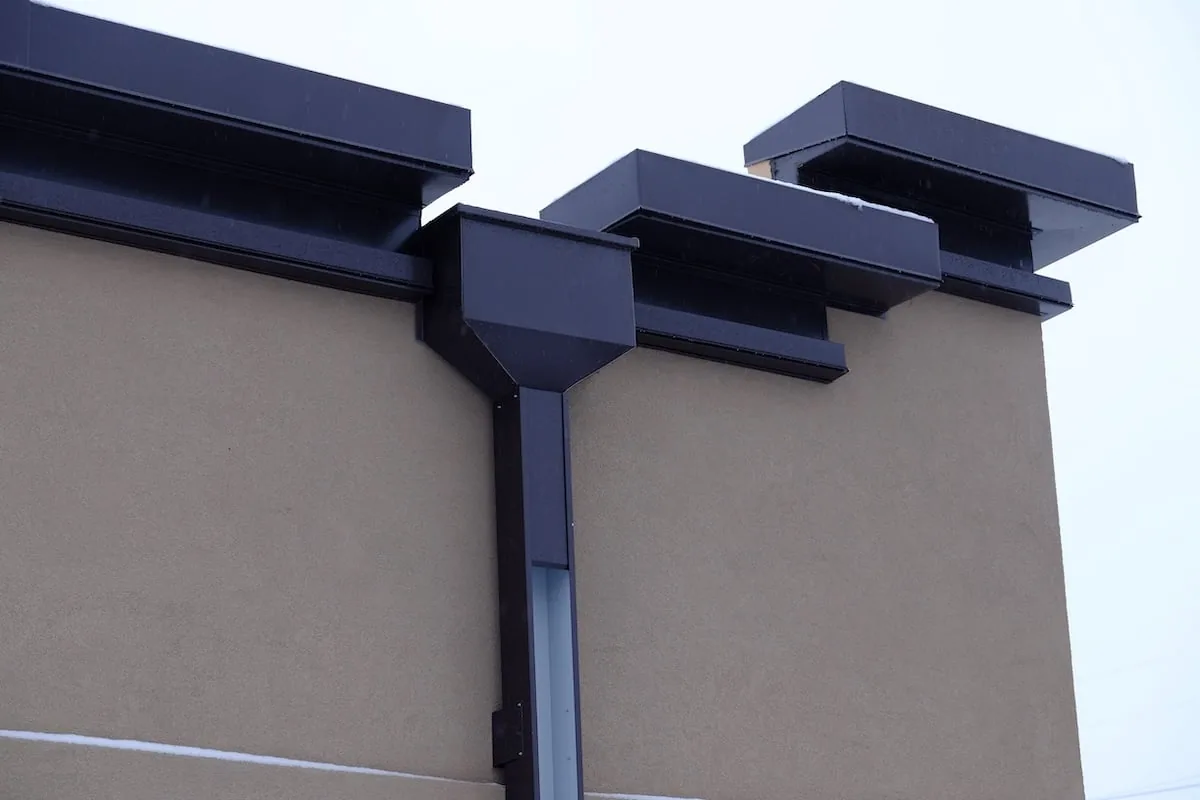
When we look at roof drains and scuppers, we check two things separately: whether water flows through, and whether the seal between the drain and the membrane is tight. A drain can flow freely and still leak around its edge if the flashing is cracked or the clamping ring is loose. If the drain body sits higher than the roof around it, water will pond no matter what. In that case the drain may need to be lowered or the insulation around it tapered. If the drainage layout needs redesign, we bring in the right designer.
Water collects wherever the roof is flatter or lower than the path to the drain. We check slope with a level and look at what's nearby. Old patches, added layers or a new equipment curb can block the flow. A deck that has sagged between joists causes a different kind of low spot than crushed insulation from foot traffic. If the deck or framing looks like it's deflecting, a structural engineer should look at it. We tell you what we've confirmed and what still needs checking before any slope changes are designed.
The usual fix for poor slope is tapered insulation and cover board or crickets that push water toward the drains. That changes roof height at walls, curbs and drains, so those details may need to be rebuilt too. A single tapered piece dropped into a low spot can just move the pond somewhere else. We lay out the drainage for the whole area. Any existing insulation left in place has to be dry and solid. The goal is water that actually reaches the drain, with every edge and curb flashed to match.
Water that sits on a roof for weeks tends to find its way in through small seam gaps and pinholes. You can't tell from the surface how much insulation is wet. We probe, cut cores or scan the area to find out. Wet insulation needs to come out; a coating on top won't dry it, and the moisture will keep damaging the deck and membrane from below. If we remove insulation, the estimate includes new material and the tie-in to the existing roof. If more is wet than expected, the extra is measured and approved before we keep going.
A commercial roof inspection of a ponding area focuses on two questions: is the insulation wet, and are the seams and flashings in the low spot still sound? We check roof records first, then choose the right test. A moisture scan finds suspect areas; a core confirms them. One core tells you about that spot, not the whole roof. We recommend more testing only when the answer would change the repair.
Drain cleaning can restore flow without correcting a depressed roof section. We distinguish that maintenance task from insulation or deck work, and show where each option ends. Downtown Berkeley has a dense mix of commercial properties, while West Berkeley’s research and warehouse buildings bring different outlet layouts. For a roof near downtown Berkeley, we inspect the actual path to discharge, note any interior evidence and identify whether the permanent fix needs drainage redesign by a qualified professional.
When slope correction raises the roof, the wall and curb flashings have to be redone to match, and that's covered by flashing failure repair. If the HVAC contractor needs to lift a unit first, that curb waits while we finish the rest of the roof. Any area left open is temporarily sealed. The estimate shows what will be finished at each stage, so you know the slope work isn't done until the flashings are too.
You'll get a record of the drain and roof area we corrected, with photos of any new tapered insulation and finished flashings. If a water test or flood test was part of the job, the results are included. Our work stops at the roof drain; if the pipe below has problems, that's for a plumber. Any low spots we didn't address are noted separately. If water starts ponding again later, we'll look at what has changed, because new equipment, debris or settlement can create new low spots.
A seam failure in a ponding area needs its own repair. A seam that looks fine doesn't mean the insulation under it is dry, and standing water doesn't mean every seam has failed. We record each issue separately so later inspections can track them. Your file shows which drainage problem was fixed and which items still need attention.
Send the address and photos of the pond and the nearest drain. We'll figure out why the water isn't draining and what will fix it.
Request a Roof Assessment