Local weather advisory
The National Weather Service has issued a coastal flood advisory covering Berkeley. Heavy rain and drainage loading can expose roof leaks, blocked drains, and ponding water. This is a weather exposure advisory; it does not establish damage to a specific roof.
Do not access a roof during hazardous weather. Protect people first, avoid water near electrical equipment, and request roofing help when conditions permit.
National Weather Service · Updated Oct 28, 2026, 7:20 AM UTC
Commercial roofing near the Oakland Coliseum: cracked modified bitumen and asphalt roofs checked for depth and moisture before choosing repair, coating or tear-off.
Service Areas | Berkeley, CA
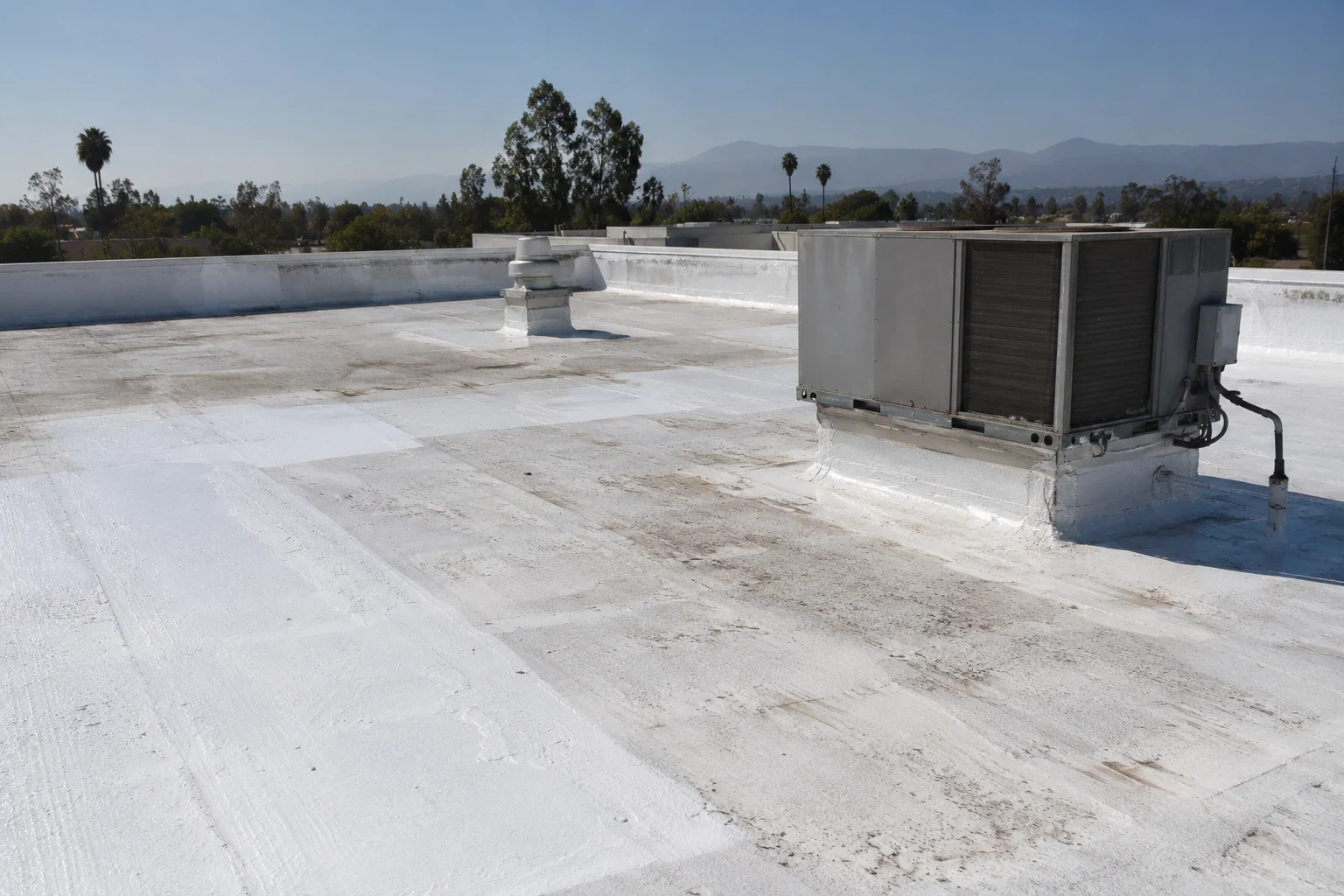
Cracks in an old asphalt or modified bitumen roof can be skin-deep, just in the weathered top coating, or they can run all the way through the membrane. From the ground, or even standing over them, the two can look the same. We repair and assess commercial roofs near the Oakland Coliseum from our base in Berkeley, CA, and we check how deep the cracks go before recommending a coating, a local repair or a tear-off.
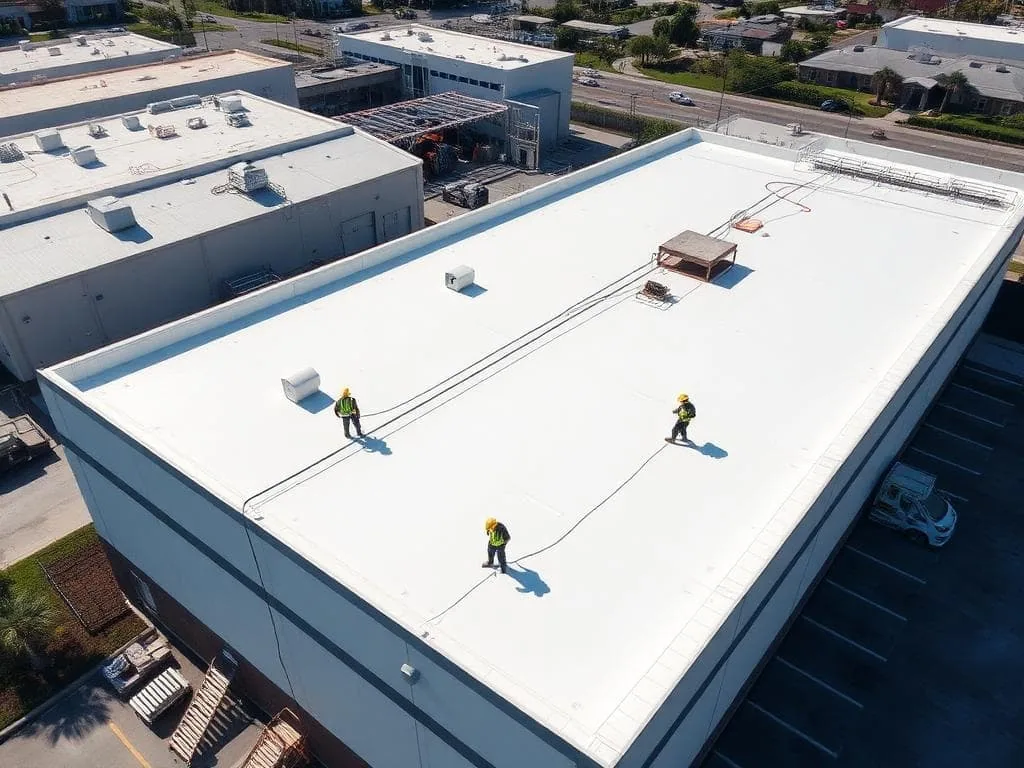
Commercial and industrial buildings around San Leandro Street and the Coliseum BART station each get their own roof walk. We confirm what kind of roof is up there, how to get onto it and which rooms sit under the cracked area. Our modified bitumen roofing work is based on the material actually on the roof, since different asphalt systems need different repair methods.
A visible crack can involve the top coating or the roofing below it. We examine its accessible edges and the surrounding material condition. An approved opening may help establish the affected layers. The question should be clear before that opening is made. A local finding then gets photographed and restored with a suitable detail. It should not be described as confirmation of every similar line across the roof.
Our roof inspection connects the crack pattern to how the roof is built. Loose granules or gravel can make a close look difficult, so sometimes we sweep or scrape a spot first. If the layers under the crack are still sound, the repair can be much smaller than if the crack goes through the whole membrane. You see the photos that show which one it is, and the estimate fixes the real problem, not just the surface.
A split can admit water into the roof layers below. Its wet extent may reach beyond the visible crack. We investigate surrounding areas where observations support that concern. Approved samples establish conditions at the particular locations examined. Appropriate survey methods can help choose further confirmation points. The recommendation identifies which findings support retention and which require removal.
Our infrared moisture survey work needs the right weather, and any suspicious spot gets confirmed with a core. A thermal image alone does not show exactly where the wet area ends. We compare core results with what we see on the roof. Wet insulation gets replaced as part of the repair. Dry, solid areas around it still need proper prep so the new material bonds. The estimate shows the repair area and why it is that size.
A restoration treatment needs a suitable roof before its surface application. Open cracks and failed laps can require their own repairs first. The selected materials must suit the actual assembly and its condition. We establish preparation needs and any required confirmation before recommending treatment. Unstable layers can make another coating a poor fix. The owner should see that concern before comparing restoration with removal.
Our restoration checks for asphalt roofing surfaces include the detail work needed below the proposed finish. Local adhesion checks may help show whether the old surface will hold a coating. Their locations and limits need to remain clear. A successful check at one point does not establish concealed conditions elsewhere. Broader damaged layers can favor a different construction approach. We explain which inspected problem each option would actually address.
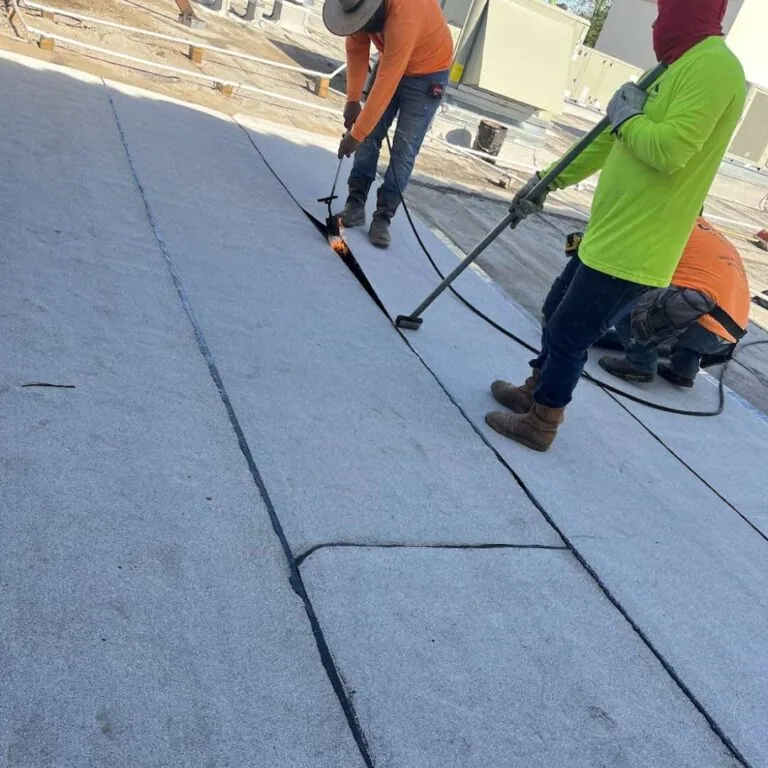
Cutting out cracked areas can expose insulation over a room that is in use. We find that room and agree with the manager on how to protect it. Bigger repairs get split into sections, each one sealed at the end of the day. Debris and materials need a clear path through the property. Weather and access decide when we can open the roof, and we never leave an area open overnight.
A building on San Leandro Street gets its own delivery and staging plan, based on how materials can actually reach the roof. Our reroofing over occupied buildings work includes protecting the space below. If you also have roofs in San Leandro or Oakland Airport Business Park, we can inspect them on the same trip, but each roof gets its own plan and scope.
A localized split within firm, dry roofing can support focused rebuilding. Extensive layer damage or repeated openings across wider areas can change that recommendation. We compare the affected roof with the useful material that remains. The owner gets the removal boundaries and unresolved conditions beside each option. A broader project needs a broader inspected reason. One concerning close-up should not settle the whole capital decision.
Completion photos show the exposed asphalt layers and the prepared transition. Wider views locate the repaired line beside fixed roof features. The finished detail gets recorded before any surface treatment conceals it. A later inspection can compare new cracking with that completed condition. Another defect may require separate investigation even if it looks similar. Clear locations make that distinction possible for the manager.
If we cut into a crack and find more damage than expected, we photograph it and explain the extra repair before doing it. The manager knows ahead of time who can approve added work. If the deck looks structurally damaged, it gets evaluated before we cover it. We only open what we can seal again that day.
For budgeting, the report shows which areas we inspected, where we took cores and what we could not see. Sometimes another round of testing is worth it before committing to a big project. Confirmed local damage can be repaired right away. That lets you plan the work around real findings and the access you have.
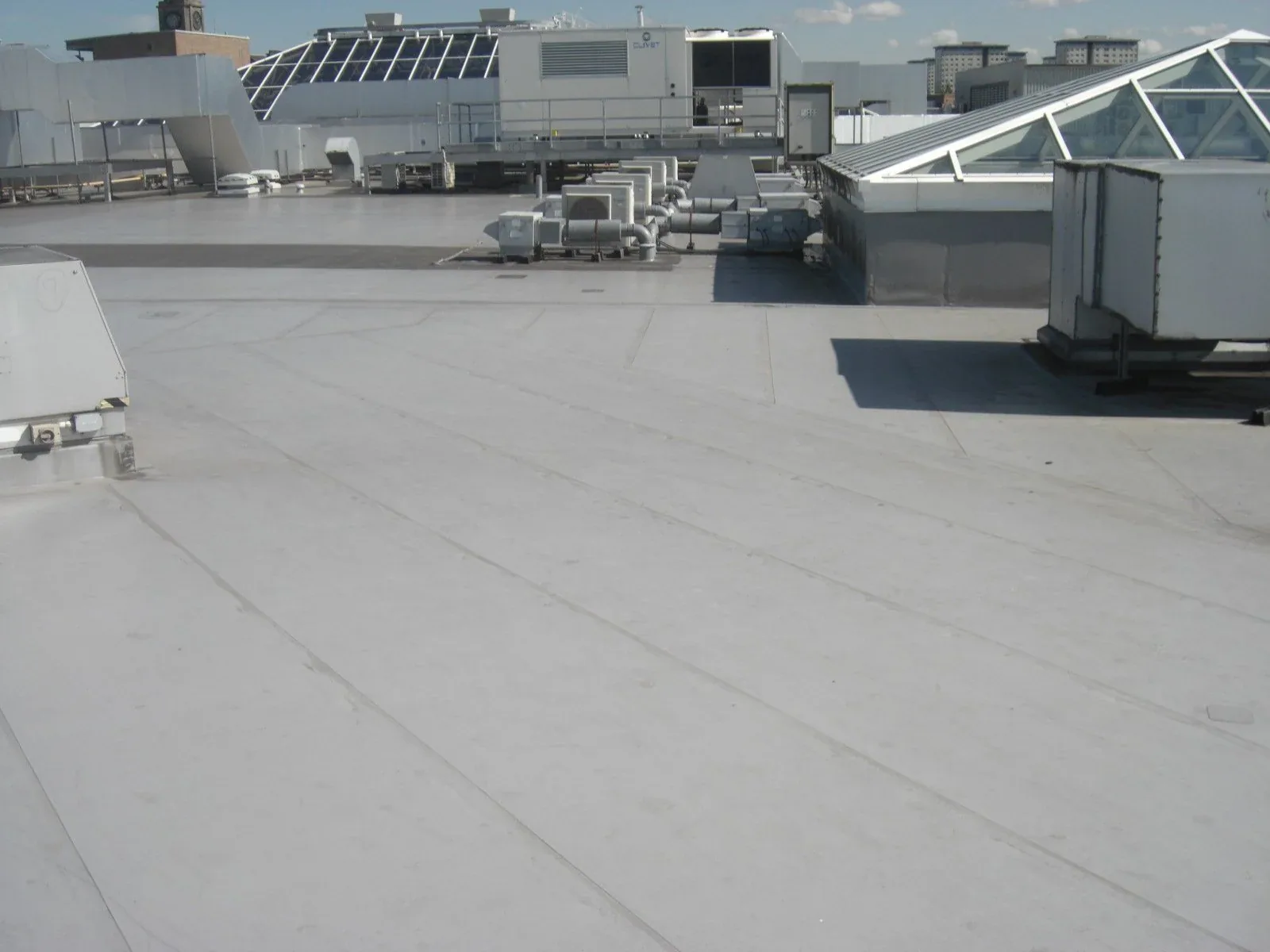
East Oakland around the Coliseum has event traffic, BART and freight activity that can affect when crews arrive and where they can stage. We confirm the access rules for your property rather than assuming the stadium calendar controls it. Large roofs with several sections get separate drain and equipment maps, and we mark which section we are working on. If there is an active service bay or loading dock below, we protect it. The closeout separates your roof from neighboring buildings and notes any timing limits for follow-up work.
Have us check the cracked area and what is under it. You get clear photos and an honest answer on whether it needs a local repair, a coating or a tear-off.
Request a Roof Assessment