Fire damage roof repair in Berkeley, CA: inspection of burned and heat-damaged membrane, insulation and deck, clear repair or replacement scope.
Roof Damage Repair | Berkeley, CA
After a fire, a warehouse roof can look partly intact from above while the insulation and deck below have been cooked, soaked by firefighting water or both. A patch on the surface won't fix that. Fire damage roof repair in Berkeley, CA starts with finding out what is still sound. We inspect the areas we're cleared to access, document the damage to the membrane, flashing and insulation, and note what still needs checking. We don't judge the structure or the interior; a structural engineer and the building's other specialists handle those. Our recommendation spells out the roof repair, its limits and what has to happen first.
Every fire job is different, and we don't assume anything about a roof from the street or from a neighboring building. The owner or property manager tells us which areas are safe and open for inspection, and we work within that. On warehouse roofs especially, a fire in one bay can affect insulation and deck well beyond the scorched area, so we check outward until we reach material that is clearly undamaged. The repair line is drawn from what we find there, not from the outline of the burn marks.
After a fire, some areas may be off limits until the fire department, an engineer or the insurance adjuster clears them. We confirm with the building's contact which areas are open before we go up. A roof inspection doesn't certify the structure, so we note any areas we couldn't reach and what that leaves unknown. If getting into a closed area later could change the repair plan, we say so. Otherwise, we focus on the sections that matter for the decision in front of you.
A commercial roof inspection after a fire works alongside other experts. We map the damaged membrane and flashing against landmarks on the roof. If the deck or framing looks compromised, a structural engineer needs to sign off before anyone relies on it. Damaged rooftop units, wiring or gas lines go to the mechanical and electrical trades. A roof photo can't clear those systems. You get our findings plus a list of what other trades still need to check, so nobody mistakes the roof report for an all-clear on the building.
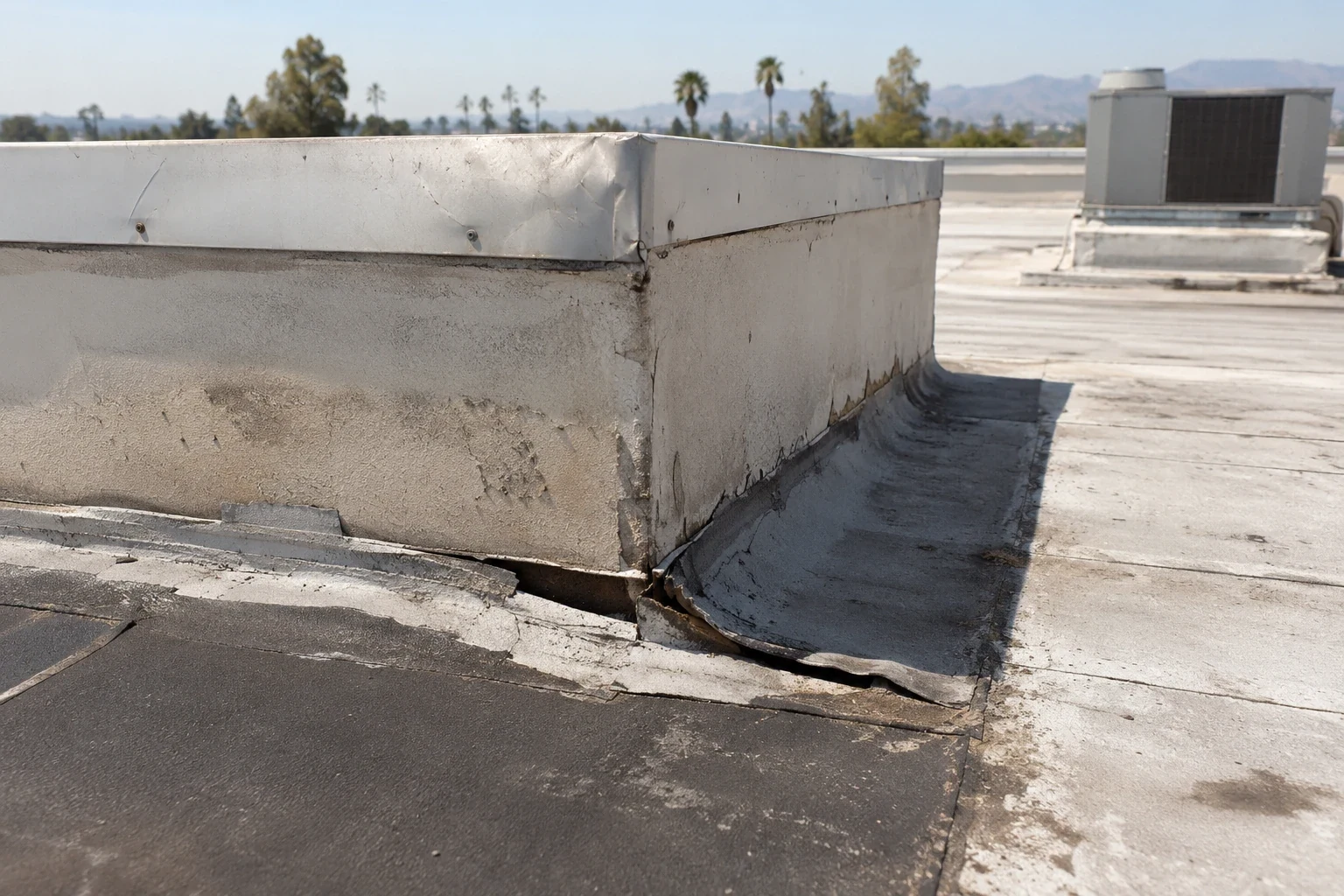
Fire and heat can blister, shrink or melt single-ply membrane, crack modified bitumen, and warp metal edges and flashings. We record each damaged area and the seams and details around it. The visible burn area usually doesn't match the damage below it, because heat travels through insulation and water from hoses spreads under the membrane. So "fire damage" isn't a quantity. Old drawings can help identify the roof layers, but we confirm them with cuts. The repair area is set by what we find, not by what we see from the surface.
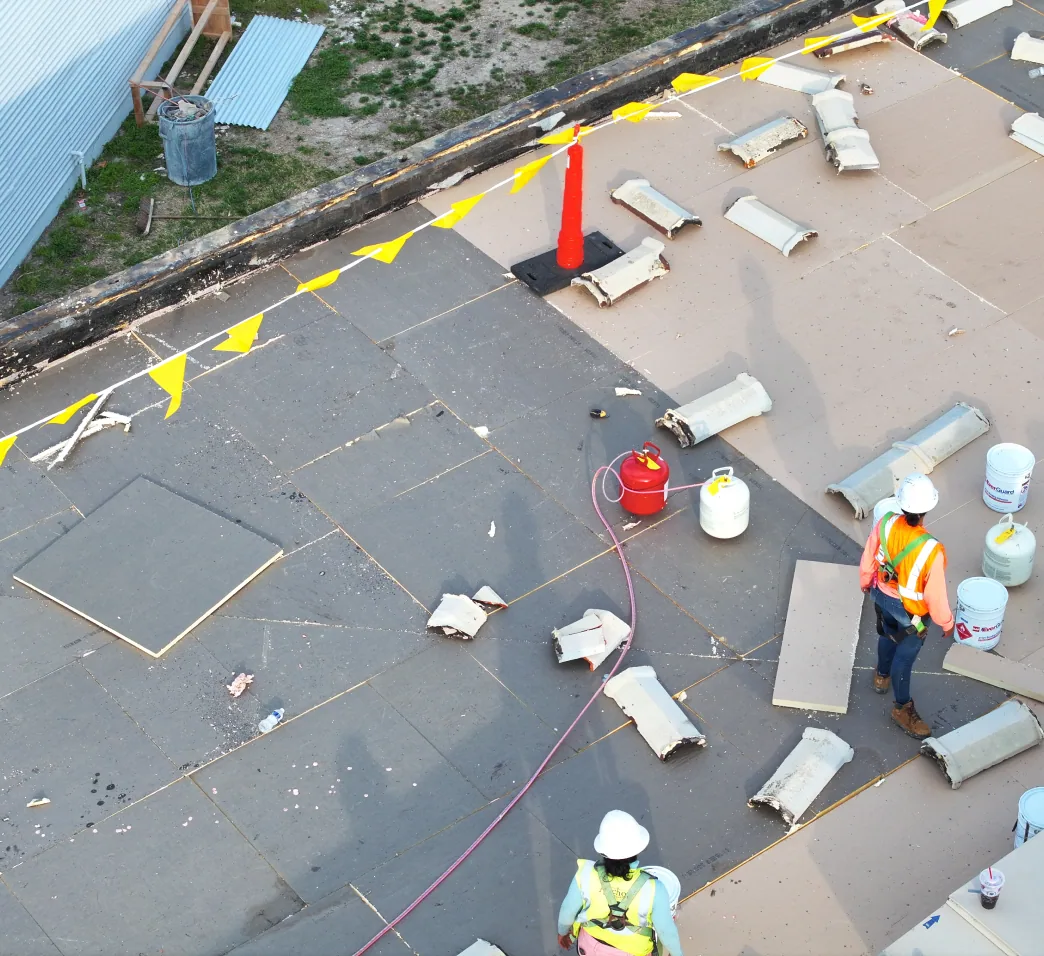
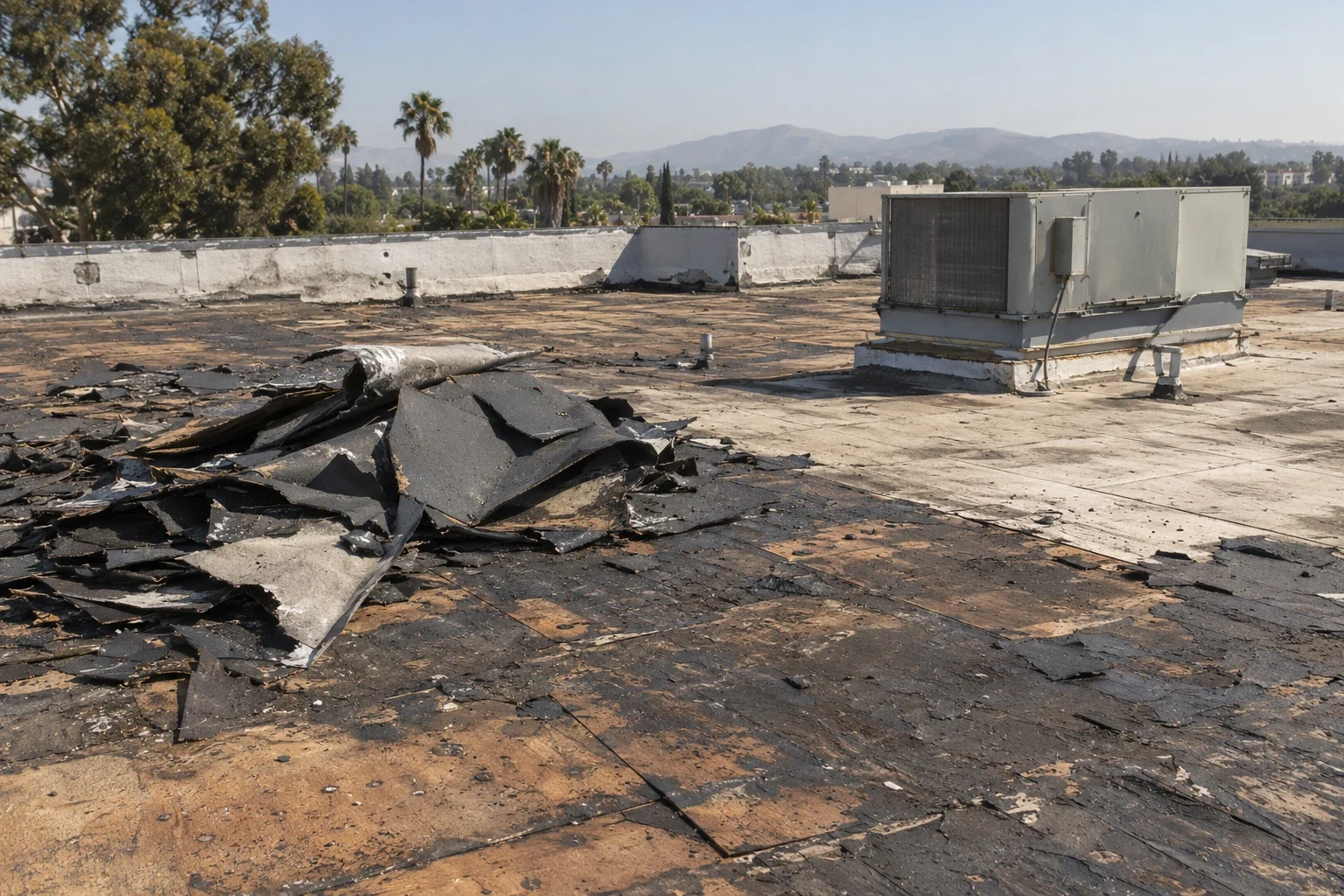
Checking the insulation and cover board under the damaged membrane is a separate step. Foam insulation can be charred, shrunken or soaked even where the membrane looks fine. We cut test openings to confirm rather than guess. Anything that will stay in place has to be dry and solid; new membrane over damaged insulation won't last. Removal, disposal and replacement are listed in the scope. If more damage turns up once the roof is opened, the contract should already set out how that extra work is measured and approved.
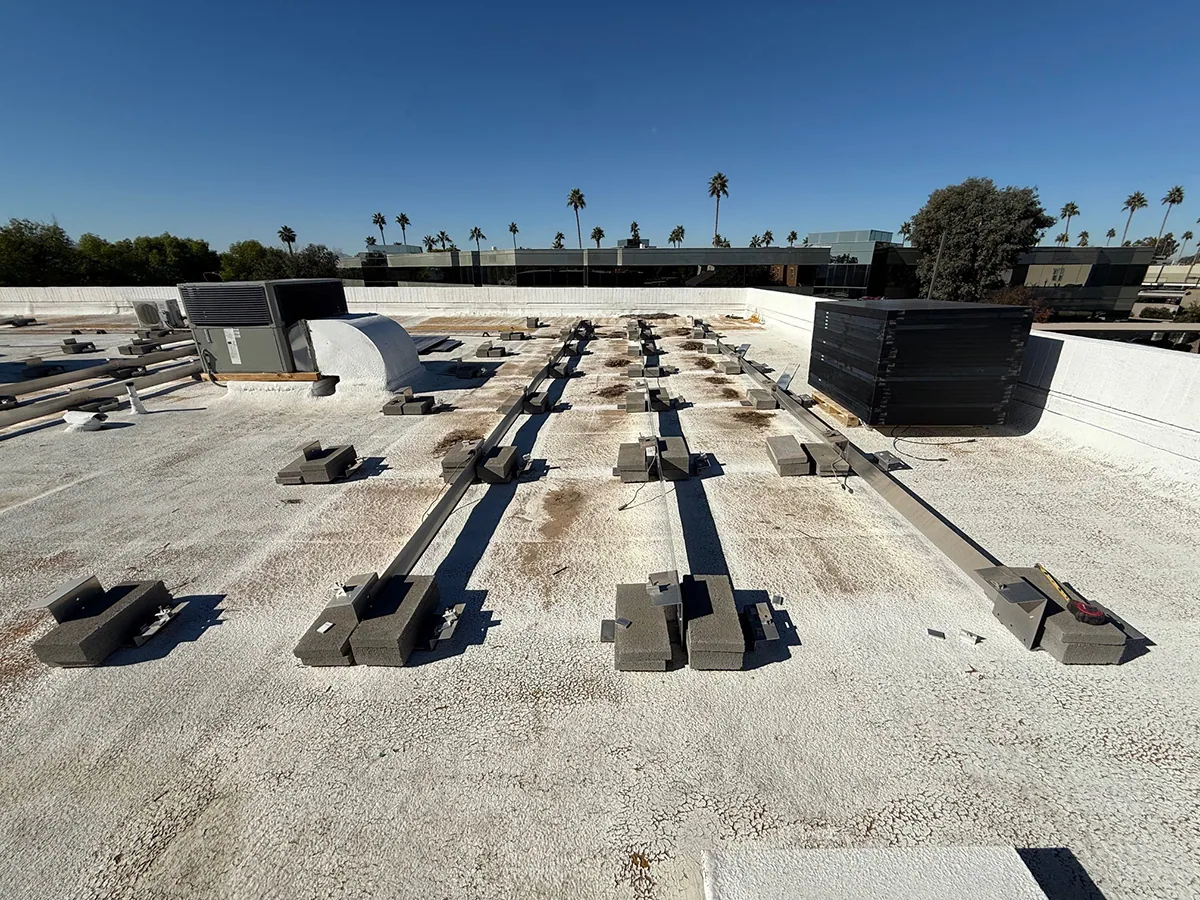
Fire often damages the things that stick up through the roof: rooftop units, curbs, parapet walls and vents. If a unit has to be replaced or a wall rebuilt, the roof flashing at that spot can't be finished until that work is done. We note those dependencies so nobody assumes the roof is closed when it isn't. A new unit being set doesn't mean its curb is properly flashed. If the new roof is thicker, curbs and wall flashings may need to be taller, so we confirm heights before materials are ordered.
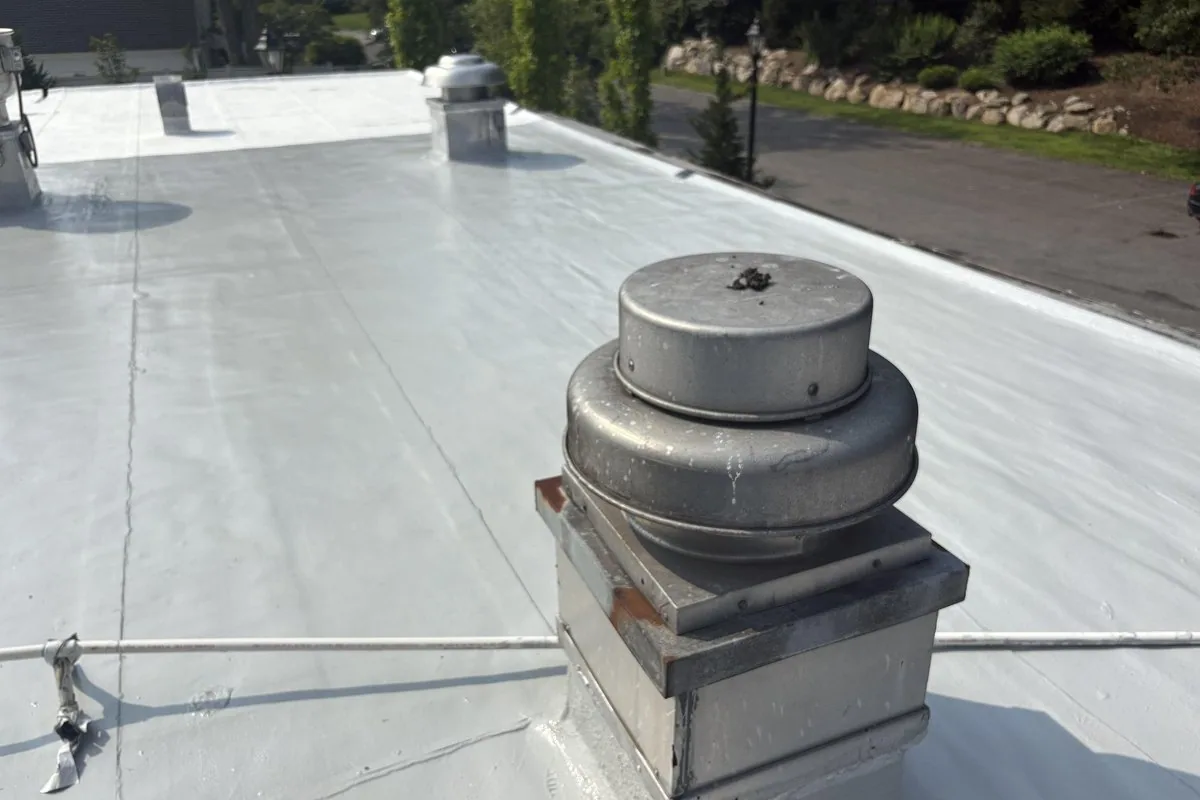
Flashing failure repair in a fire-damaged area needs good material to tie into. We find the edge of the sound roof and build the new flashing into it. Older patches or coatings near the damage may have to be cut back to get a proper seal. The new flashing must work with the existing membrane and follow the manufacturer's current requirements. Wall and equipment work is done by those trades. Meanwhile, we can finish the roof sections that are ready and keep the blocked spots protected and clearly listed.
If the damage is widespread, replacing a section or the whole roof may be cheaper than patching. A replacement option should say exactly what comes off and what goes back: deck repair, insulation, cover board and membrane. We compare it with the repair the current findings support. An area that hasn't been checked shouldn't be called sound just because it looks fine. If you're thinking about removing it too, there should be a reason. A designer or engineer may need to review the new assembly, especially the attachment and any structural repairs.
A commercial roof replacement after a fire includes the edges and openings, not just the field. We look at the walls, drains and curbs in the affected area. A thicker new roof can mean taller curbs and new edge metal. If another trade's work isn't finished, that spot stays open until it is. The full scope should be clear next to the square footage. If more testing could change what stays and what goes, it's best to do it before ordering materials.
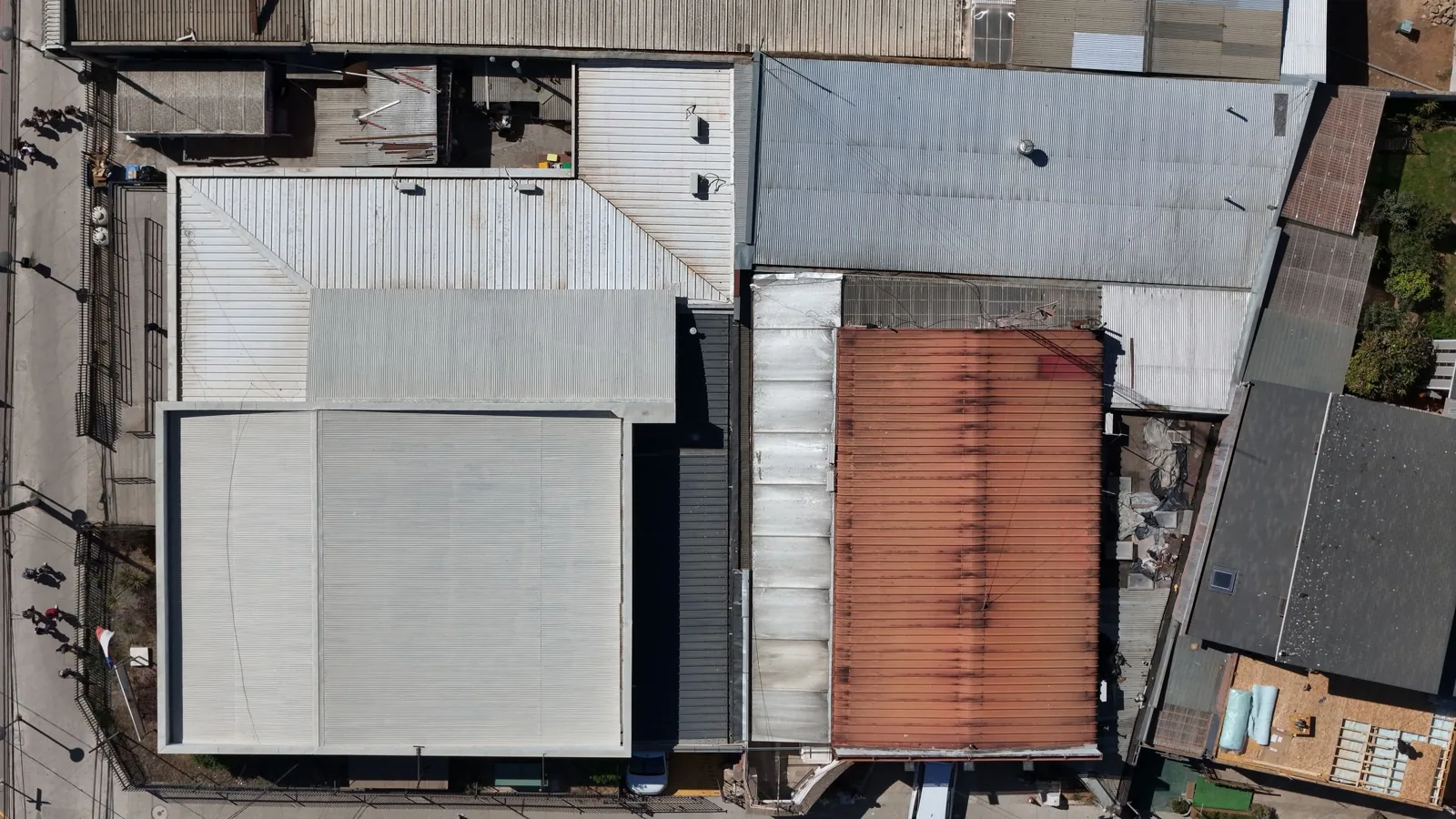
Fire-damaged commercial roofs across Berkeley and Oakland need a careful separation between affected material and portions that may remain serviceable. The owner or manager decides which areas we can work in and when. On West Berkeley industrial and flex buildings, that often means working around tenants who are still operating in undamaged bays. Substrate repairs and new materials need to be ready before each section is opened. If other trades have to finish first, we plan around them. A target date alone doesn't solve shared work.
Reroofing an occupied building after a fire needs protection for the people and contents below. We plan crane access, debris routes and work areas with the building's manager. Any open roof gets dried in each night, and if findings change, the temporary protection stays in place while the change is reviewed. A new roof doesn't fix interior damage, smoke cleanup or drywall; those belong to restoration contractors. We make clear exactly what the roofing work will finish.
At the end, you get a record of what was removed, what substrate was rebuilt and what was installed, with photos of finished flashings, curbs and drains. Any agreed inspections or tests are documented. Work still waiting on other trades is listed separately. Insurance and warranty questions need their own review; the roofing record supports a claim, but it doesn't decide it. The final record shows how the new work fixes the damage that was found.
If a wind damage roof repair or other problem comes up later, it gets inspected on its own merits. New equipment or a changed detail can create a new leak path. The closeout record helps show which areas were replaced after the fire, but it can't explain every future leak on its own. Areas we didn't touch stay noted as such. You get a plain summary of what we found and fixed, and any new concerns get their own inspection.
Send us the building address and any reports you have. We'll inspect the areas cleared for access and explain what it will take to repair the roof properly.
Request a Roof Assessment