Local weather advisory
The National Weather Service has issued a coastal flood advisory covering Berkeley. Heavy rain and drainage loading can expose roof leaks, blocked drains, and ponding water. This is a weather exposure advisory; it does not establish damage to a specific roof.
Do not access a roof during hazardous weather. Protect people first, avoid water near electrical equipment, and request roofing help when conditions permit.
National Weather Service · Updated Oct 28, 2026, 7:20 AM UTC
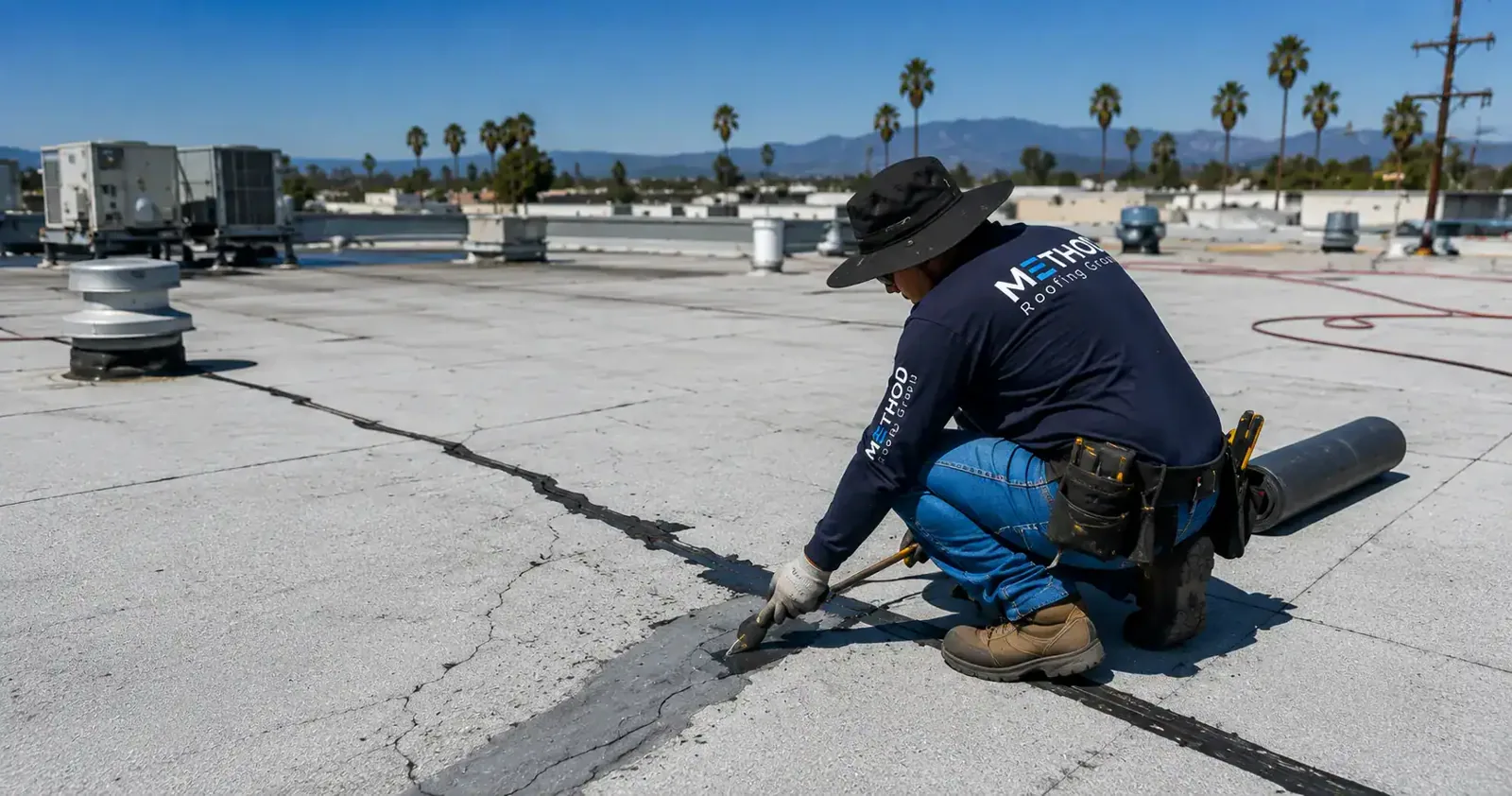
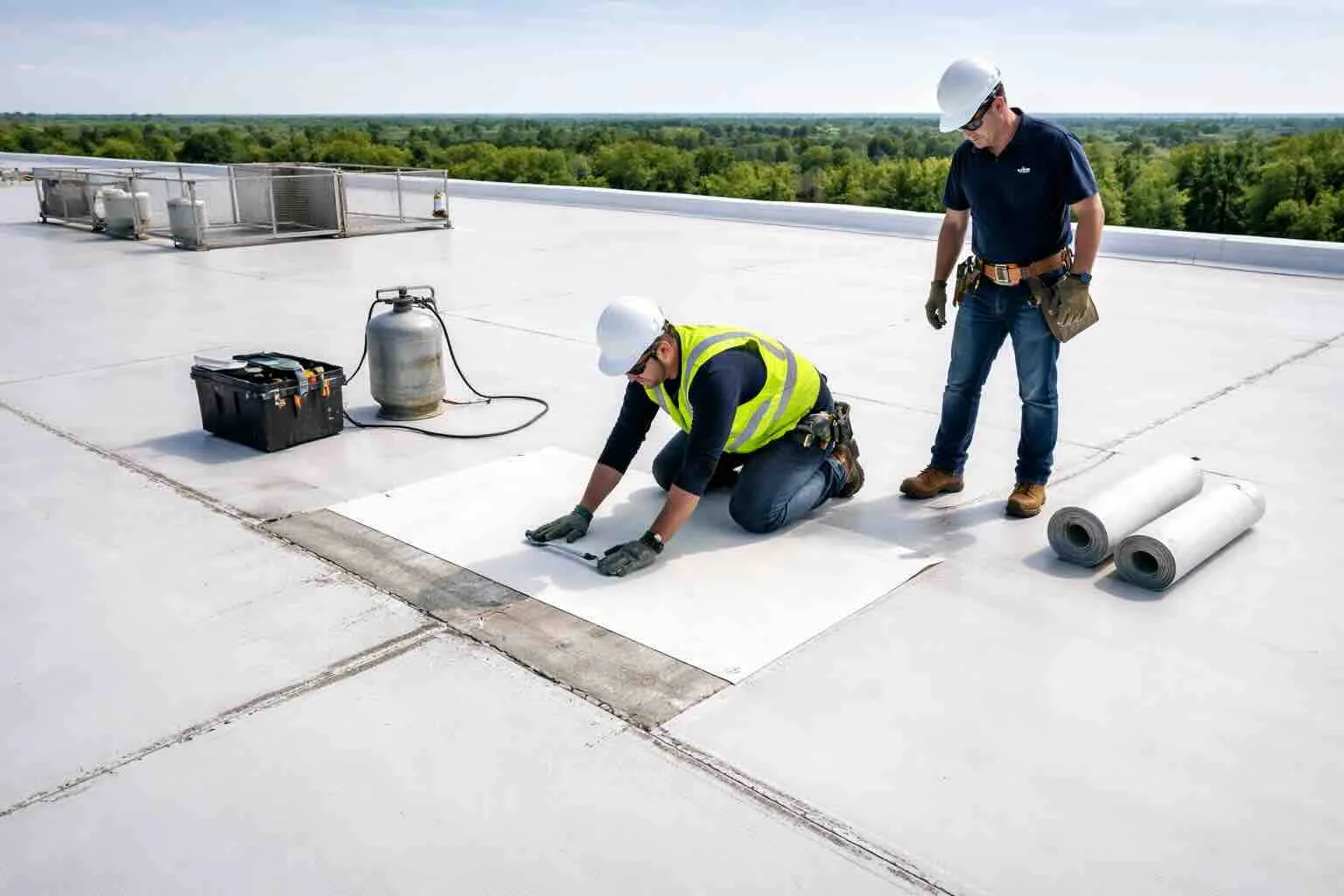
Commercial roofing near the Port of Richmond: crushed insulation and torn membrane under equipment supports repaired, with the supports reset so it does not recur.
Service Areas | Berkeley, CA
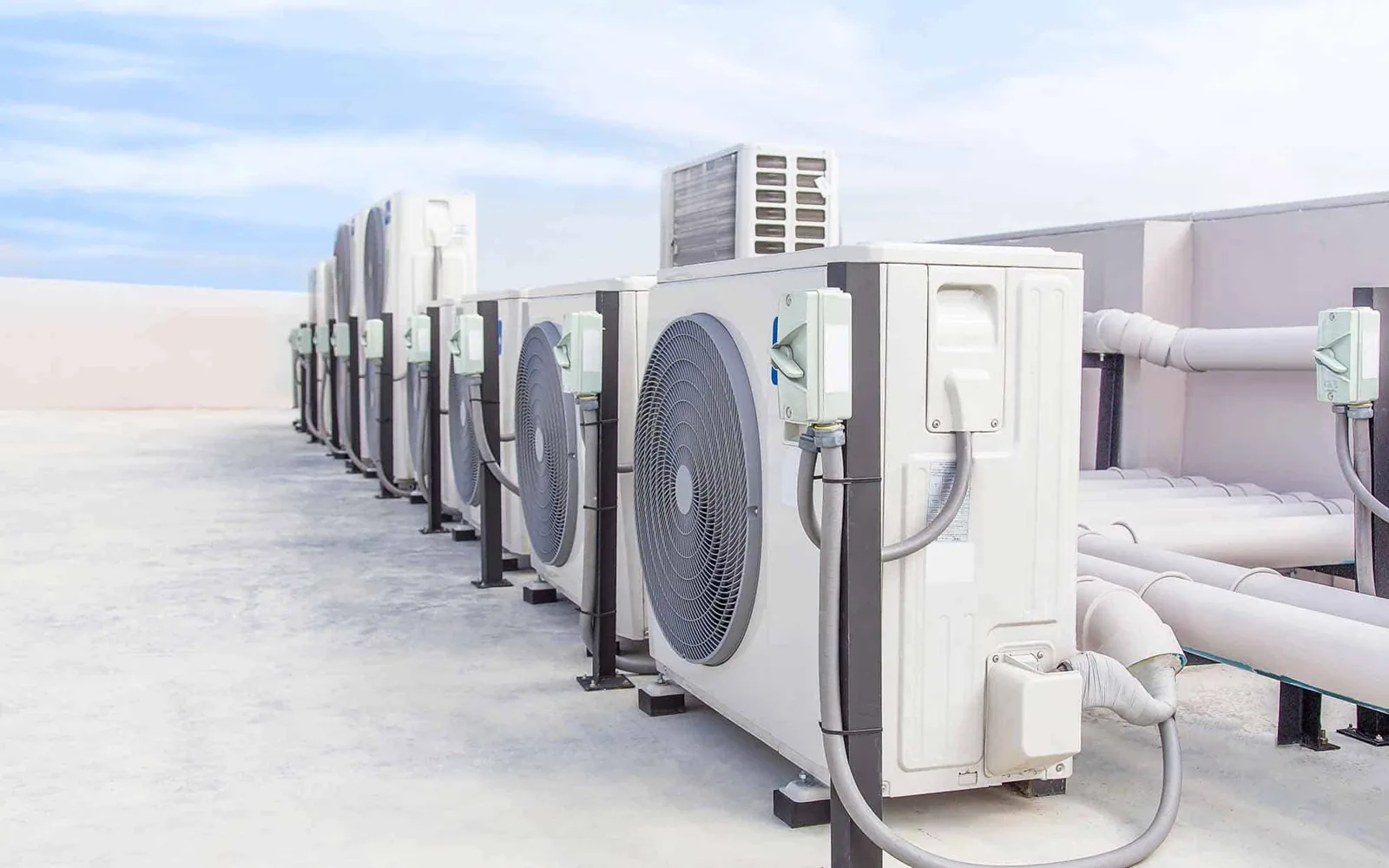
On industrial roofs around the Port of Richmond, from Harbour Way South out to the Point Potrero waterfront, rooftop equipment often sits on legs or rails that press straight into the roof. Over time the insulation under each foot crushes, the membrane creases and tears, and water gets in. Patching the tear without fixing what the foot is resting on means the same spot fails again. We look at the support and the roof together before choosing a repair.
The port area includes several cargo terminals and a mix of warehouse and industrial buildings, each with its own equipment and roof setup. We look at how the equipment is actually supported on your roof. Our rooftop equipment and support work ties the support problem to the roof repair, and we confirm what type of membrane is under it before planning anything.
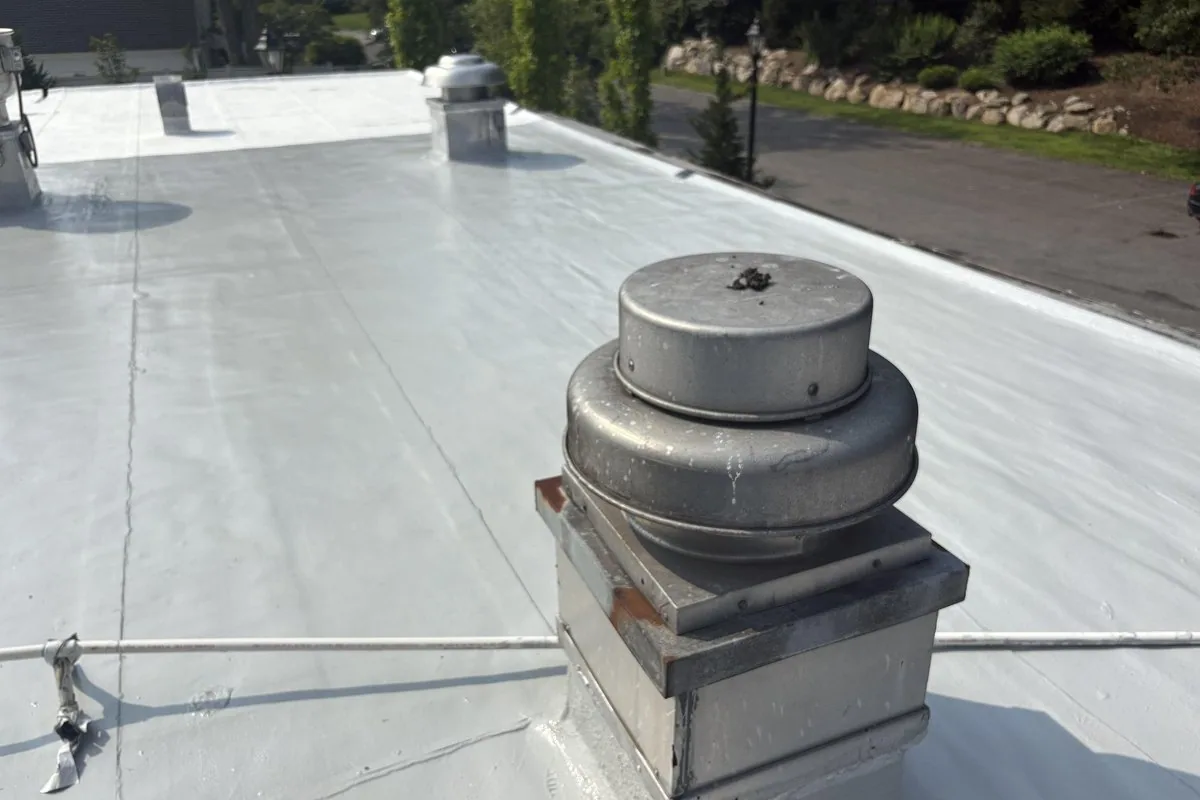
A dent under an equipment foot can mean different things. The insulation may just be compressed and still dry, or it may be wet and breaking down. A cracked cover board also changes how the weight spreads. We check what we can see, and with your approval cut a small opening to look at the layers. We photograph what we find before sealing it back up.
Our roof insulation and cover board repairs replace crushed or wet material under the support. If there is a question about whether the support is designed right or the roof structure can carry the load, that needs an engineer or the equipment contractor, and new membrane will not answer it. We say who should review it before we cover anything up. You see both the roof repair and the support issue in one plan.
To fix the roof under a support foot, the foot usually has to be lifted. The equipment on top may limit how that can be done. Disconnecting or moving equipment is a job for the mechanical or equipment contractor, so we find out who that is before promising a roofing-only fix. We also need enough room to work under the support safely.
Our commercial roof repair under equipment supports starts once the area is opened in the agreed order. The repair has to reach solid material on all sides. The support should go back down on a properly prepared surface, set the way the equipment contractor specifies. We photograph the finished repair before the support goes back, so the work underneath is on record.
Adding a bigger pad spreads the load but does not fix damaged insulation underneath. We first check what is still solid under the existing support. Any new pad has to be compatible with the membrane and sized for the equipment’s weight. It also should not block drainage. We explain what the pad does and does not fix.
During preventive roof maintenance visits, we compare each support with its completion photos. A foot that has shifted can end up on unprotected membrane, and a pad that has slid out of place no longer spreads the load. We note those changes separately, so you have a clear reason for each repair. A support that looks fine from a distance can still be causing damage.
We also set supports so the membrane around them can be seen and checked. If a corner is hidden, we note it and check it more closely at the next visit. You get that note with the completion photos. Some problems only show up when the roof is opened, and we say when a small opening would be worthwhile.
Repairs under equipment supports can open the roof over a working area. We find out what is below and agree on protection with the manager. The equipment contractor may need to be there the same day. Materials and debris need a safe route, and lifting depends on how much space there is around the equipment. We plan all of that alongside the repair itself.
A building on Harbour Way South may have very different staging space than one on Canal Boulevard. Our reroofing over occupied buildings work covers access and protection for each. If you also have roofs elsewhere in Richmond or near the Port of Oakland, we can line up the inspections, while each site keeps its own equipment coordination and repair plan.
The report shows each support’s location relative to fixed landmarks on the roof. We photograph the opened layers and the repair before the support goes back, then a finished shot of the support and pad. On later visits, anyone can compare the support’s position to those photos. A new dent may mean the support needs another look, not just another patch.
If only one support has damaged the roof, a local repair usually does the job. If several supports are sinking, the whole support layout may need review. We explain what we found and what still needs to be evaluated. If we uncover more damage during the repair, the designated contact approves it first, and we only open what we can close up that day.
The equipment contractor decides when the equipment can go back into service. Finishing the roof repair does not mean every equipment task is done. Our final record shows which work was ours, which was theirs and what still needs follow-up, so the facility manager knows exactly where things stand.
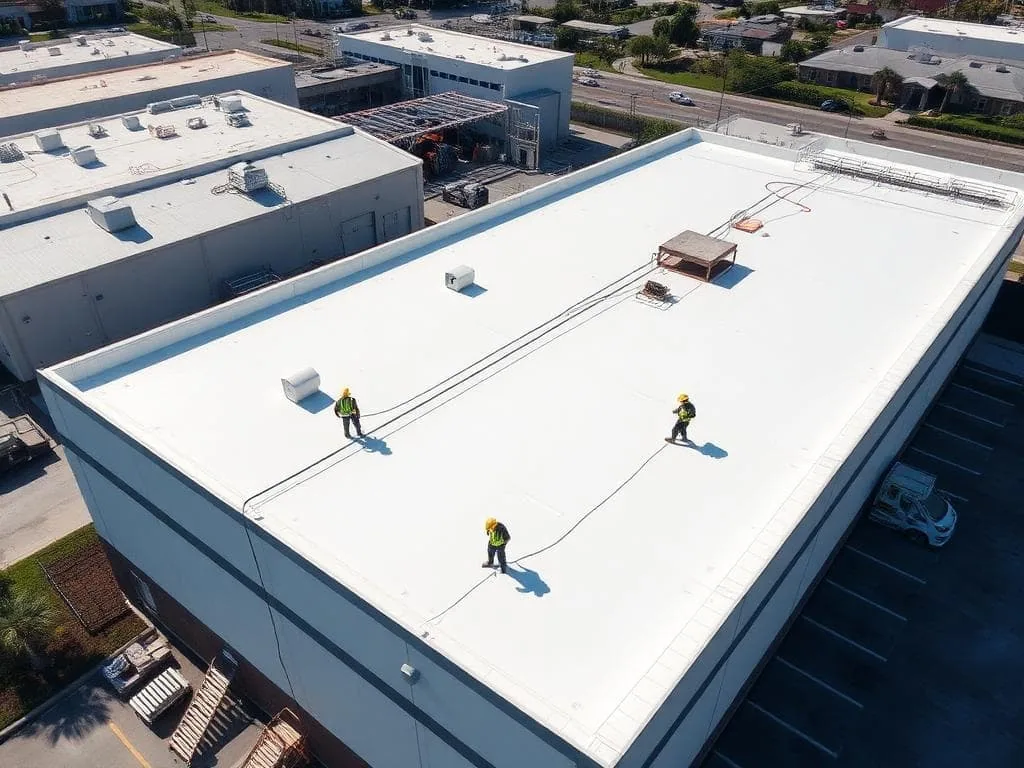
Richmond’s waterfront has cargo terminals and industrial buildings, each with its own access rules and loading areas. Before roof work starts, we coordinate the route, equipment and protection for the area below with the property team. On the roof, we check the seams, edges and drains on that building. The repair recommendation names the affected roof section and anything nearby that still needs attention.
Have us check the roof under your equipment supports. You get clear photos and a list of what is roofing work and what the equipment contractor needs to do.
Request a Roof Assessment