Local weather advisory
The National Weather Service has issued a coastal flood advisory covering Berkeley. Heavy rain and drainage loading can expose roof leaks, blocked drains, and ponding water. This is a weather exposure advisory; it does not establish damage to a specific roof.
Do not access a roof during hazardous weather. Protect people first, avoid water near electrical equipment, and request roofing help when conditions permit.
National Weather Service · Updated Oct 28, 2026, 7:20 AM UTC
Commercial roofing near Lake Merritt and Uptown: ponding water, clogged drains and low spots on office roofs diagnosed and fixed by our Berkeley crew.
Service Areas | Berkeley, CA
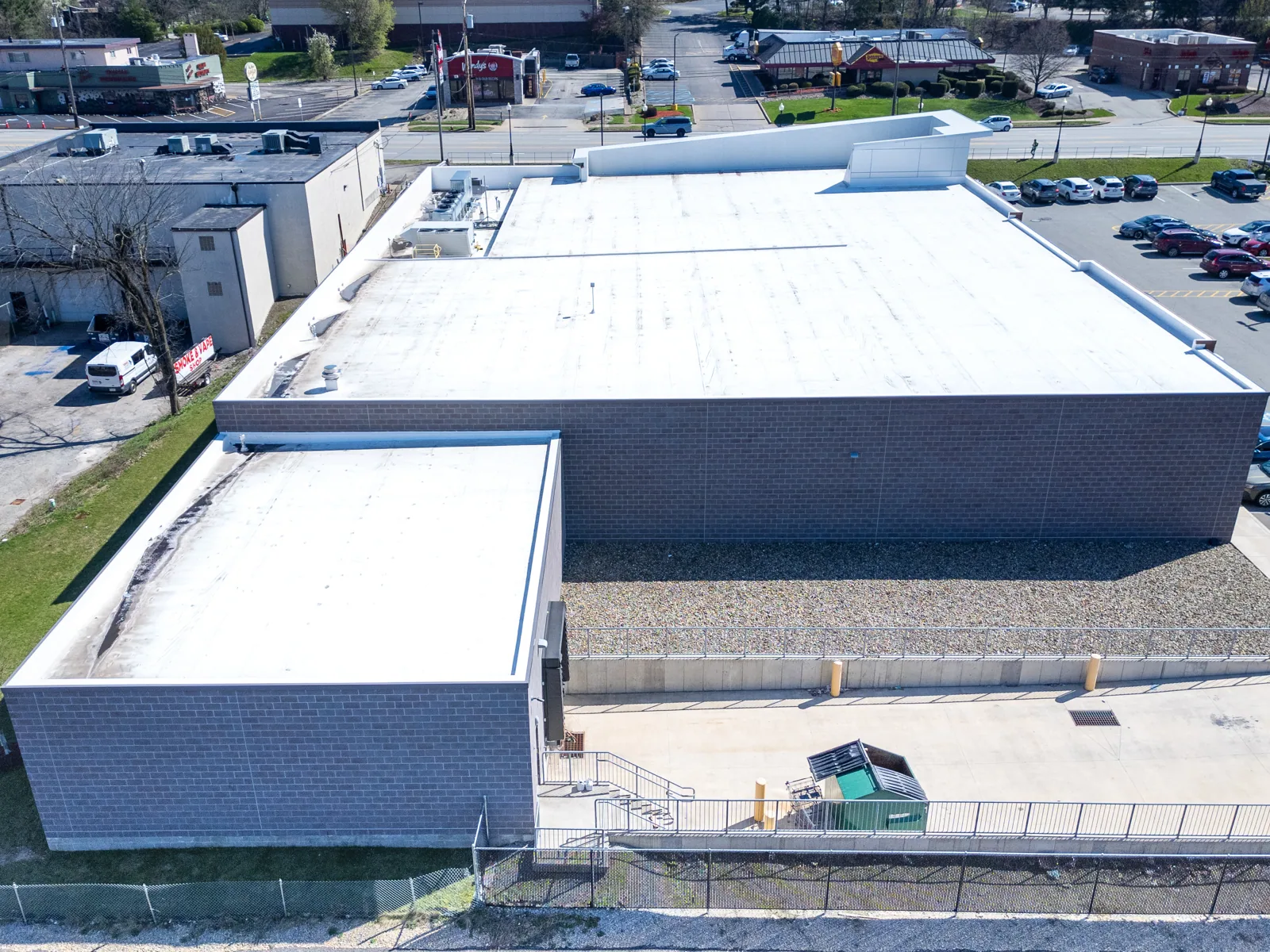
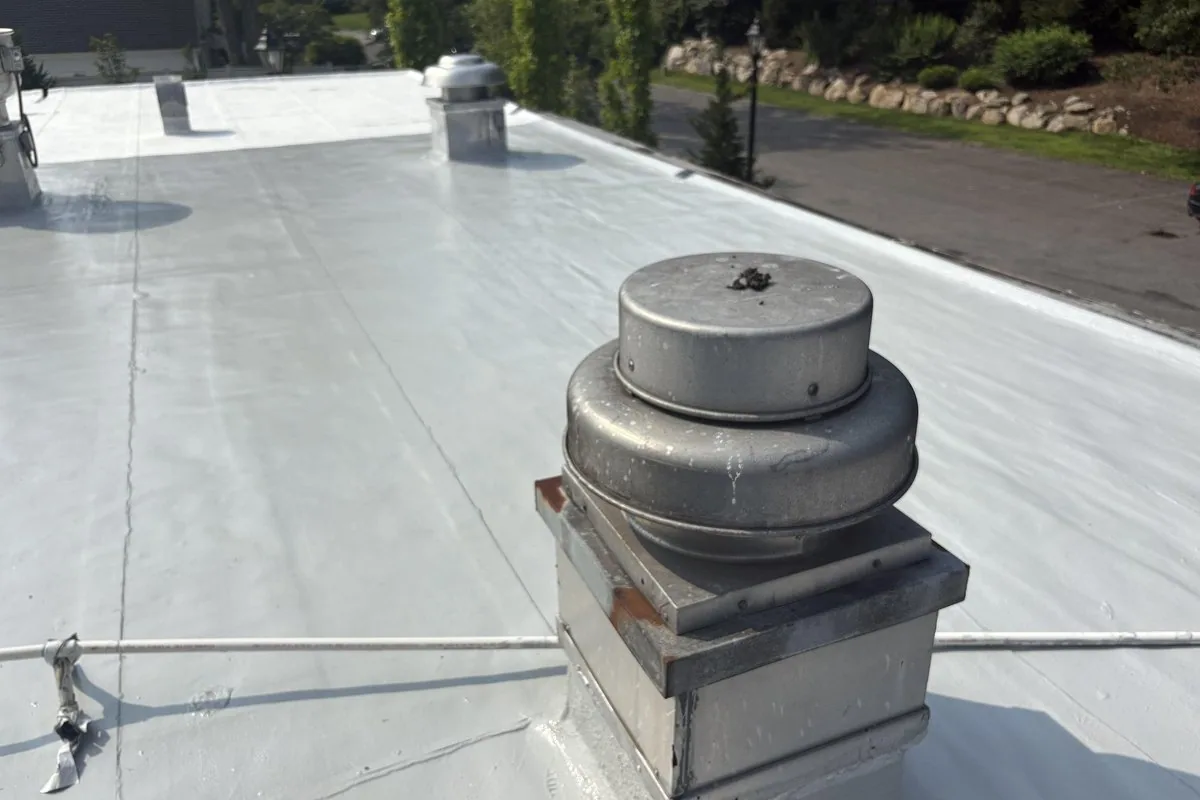
A ring of dirt on a flat office roof shows where water has been sitting after storms. It tells us where to look, but not why the water is not draining. The drain might be clogged, the roof might sag in that spot, or the drain might sit higher than the roof around it. We inspect and repair commercial roofs near Lake Merritt and Uptown from our base in Berkeley, CA, and we check the drain, the roof surface and the layers below to find the real cause.
Lake Merritt and Uptown cover Oakland neighborhoods east and north of Downtown, with civic and cultural buildings around the tidal lagoon. A roof near the lake still needs its own drainage review; shoreline location does not prove ponding or water entry. We examine the low area, outlet and surrounding assembly. Our ponding-water roof repairs distinguish a blocked drain from a depressed roof plane because those conditions need different permanent work.
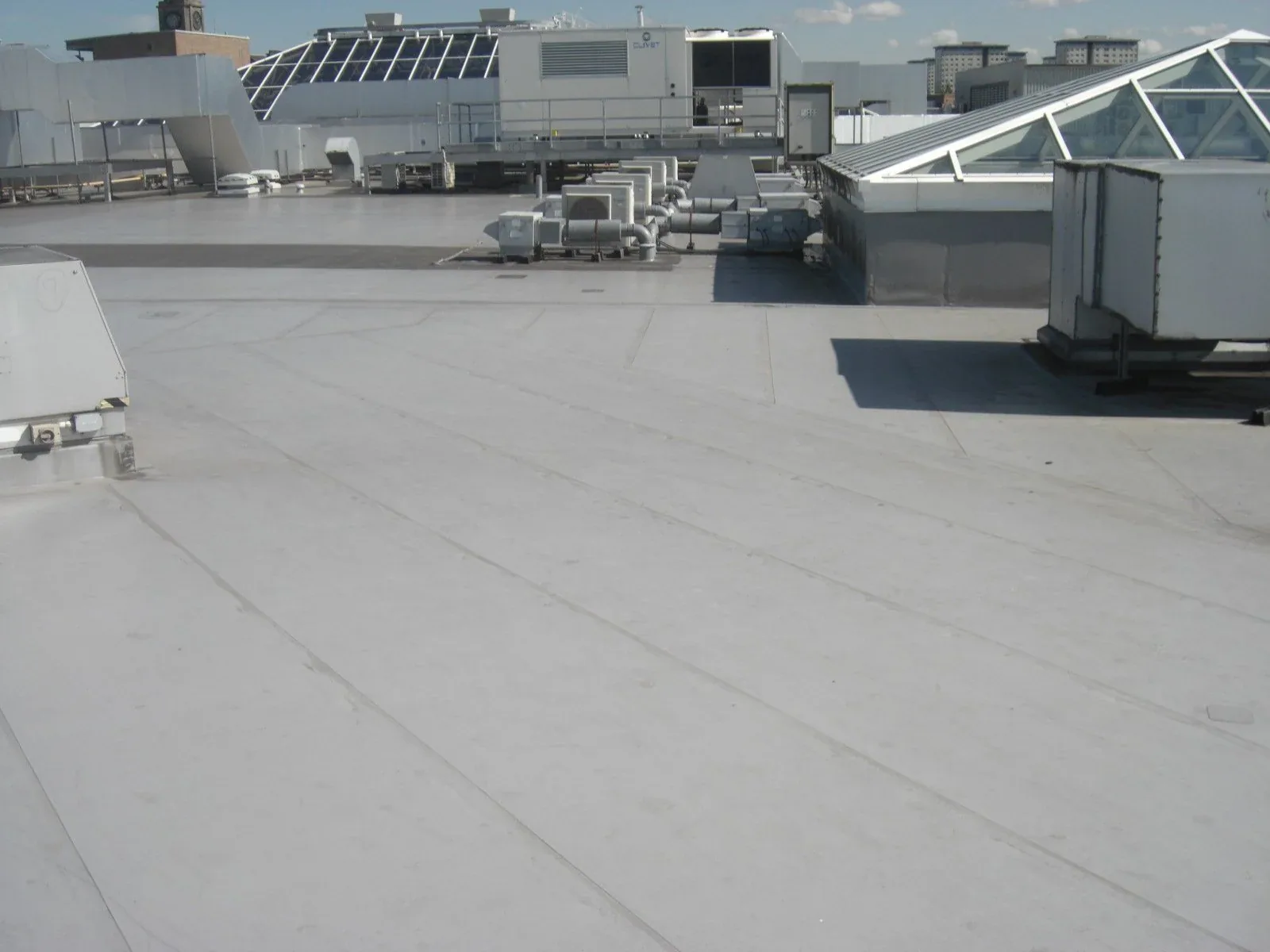
Debris at an outlet can slow discharge from otherwise usable roof planes. We inspect the bowl or scupper and the path water takes into it. Cleaning may restore flow when that blockage is the actual cause. A clear outlet beside standing water points toward another concern. The surface may dip away from the drain or its connection may sit high. We document that relationship before recommending a slope correction.
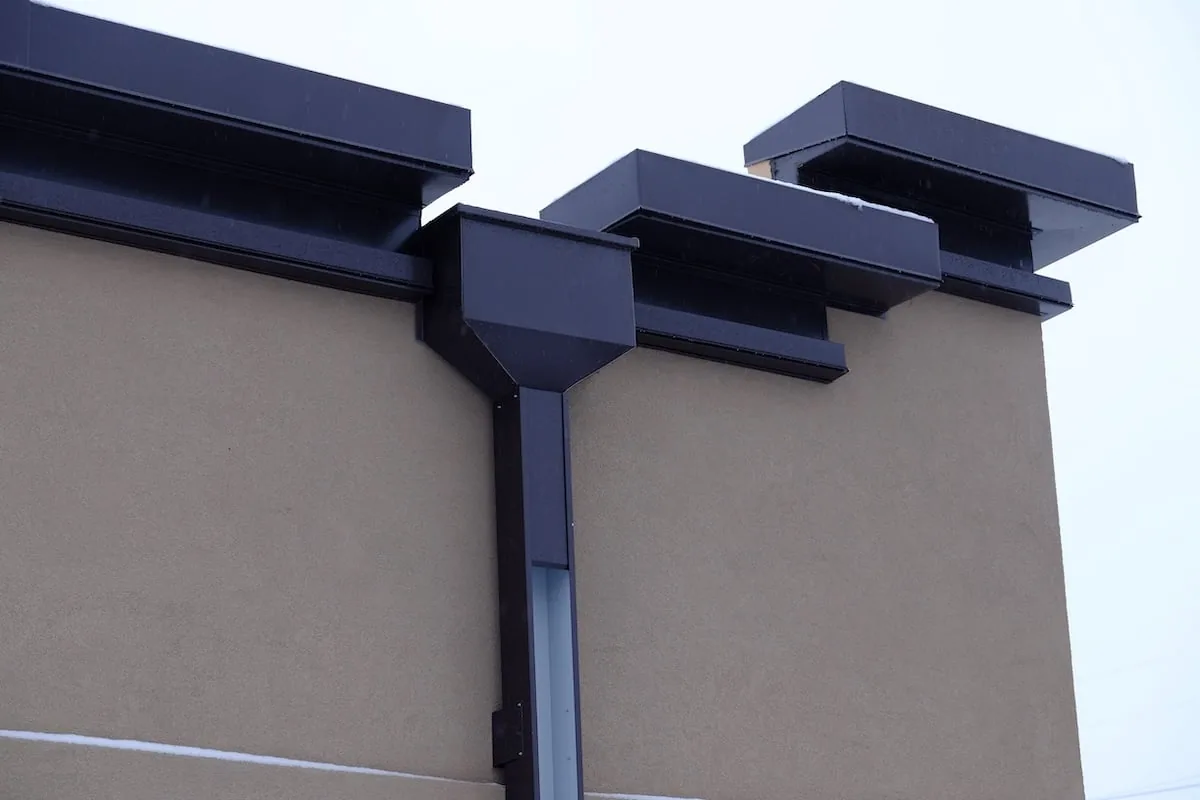
Our roof drain and scupper work includes the membrane and flashing at each drain. If the pipe inside the building is the problem, that is a job for a plumber, and we say so. We also check whether water can actually reach the drain or whether a raised patch is blocking it. A new drain will not help if the low spot next to it stays low. You get both findings before deciding between a cleaning and a bigger repair, so a simple clog does not turn into an expensive reroof.
Soft material within a low spot calls for examination underneath. Water entry can damage layers even where the top sheet looks intact. We investigate joints, patches and flashings that could admit it. A small approved opening can establish the insulation condition at one location. We record that location and restore the opening after inspection. Additional investigation may be needed to set the surrounding repair boundary.
An infrared survey to target moisture investigation can help under suitable thermal conditions. Patterns of temperature change require confirmation before removal is defined. Confirmed wet material should not remain beneath a new slope treatment. We assess the deck where removal exposes it. Deterioration or deflection may require evaluation beyond surface roofing work. The report separates the drainage finding from the hidden-layer finding. Both matter when the owner compares a focused repair with broader replacement.
Tapered material can guide water toward a working drain. Its layout needs to fit the actual roof planes and outlet heights. An isolated wedge may shift standing water to another pocket nearby. We examine the adjoining transitions before defining new surface elevations. Curbs and wall flashing must still connect correctly at the changed height. The correction addresses a route for water, not only one visible depression.
Our insulation and cover board work considers support and surface transitions together. The selected layers must suit the retained roof assembly. A changed height can affect how the sheet turns into a drain. It can also reduce available flashing exposure at a curb. We describe those related tasks within the correction scope. Where a broader drainage change needs design, that responsibility is identified before installation. The manager can then see why a local low spot may involve several connected details.
A drainage repair can require removing layers above an occupied room. We identify the room and what must stay protected during work. The daily opening needs a secure closure at the agreed stopping point. Material deliveries and debris movement also need an available route. We assess those conditions before scheduling the removal. A small low area can still need careful coordination with occupants below.
A building on El Embarcadero will have different lift and entrance options than one a few blocks away, so we walk each site. If you also have roofs in downtown Oakland or Rockridge, we can schedule inspections together. Our reroofing over occupied buildings work sets up the protection plan for each building before we order materials, so each job fits the access it actually has.
A finished drainage correction needs photographs of the surface and the drain. We record the adjoining curb and flashing transitions as well. A wider image locates the repaired low area within the roof. Those views help a later inspection return to the same route. The completion record identifies any damaged layers replaced beneath it. The owner can then compare the actual corrected arrangement with a changed condition.
Debris can obstruct a previously sound outlet after the roofing work ends. A later check should examine both outlet condition and nearby residue. Renewed standing water may need investigation rather than another automatic slope treatment. We compare the current finding with the completed surface layout. Another low area remains a separate observation unless its condition needs work. The manager receives that distinction in the written record. Repair decisions then follow changed material or drainage findings.
If the deck under the low spot looks damaged, we agree before opening up on who gets the photos and who can approve extra work. If the deck has sagged or rusted, a structural engineer may need to look at it before we cover it back up. We only open as much as we can close up that same day.
Have us check the low spot and the drain next to it. You get plain photos explaining where the water goes and what repair it needs.
Request a Roof Assessment